

Did you know that over 80% of products shipped in North America rely on the 48 x 40 pallet as the backbone of logistics? This standardized platform is set to remain vital for supply chain efficiency well into 2026, supporting everything from warehouse automation to smooth cross-industry transport.
As the market evolves, understanding the 48 x 40 pallet is crucial for businesses aiming to optimize operations and stay compliant with upcoming requirements. This guide delivers the latest insights, trends, and actionable advice to help you make informed choices.
We will explore the history, detailed specifications, materials, grading systems, compliance standards, industry applications, and future trends shaping the 48 x 40 pallet landscape. Ready to future-proof your pallet strategy? Read on for expert guidance tailored to your business needs.
The Evolution and Importance of the 48 x 40 Pallet
The 48 x 40 pallet has transformed supply chains across North America. Its journey from a custom solution to a logistics cornerstone highlights its impact on efficiency and standardization. Today, the 48 x 40 pallet is more than a platform for goods; it is a driver of operational excellence and future-ready supply chains.
The Rise of the Standard Pallet
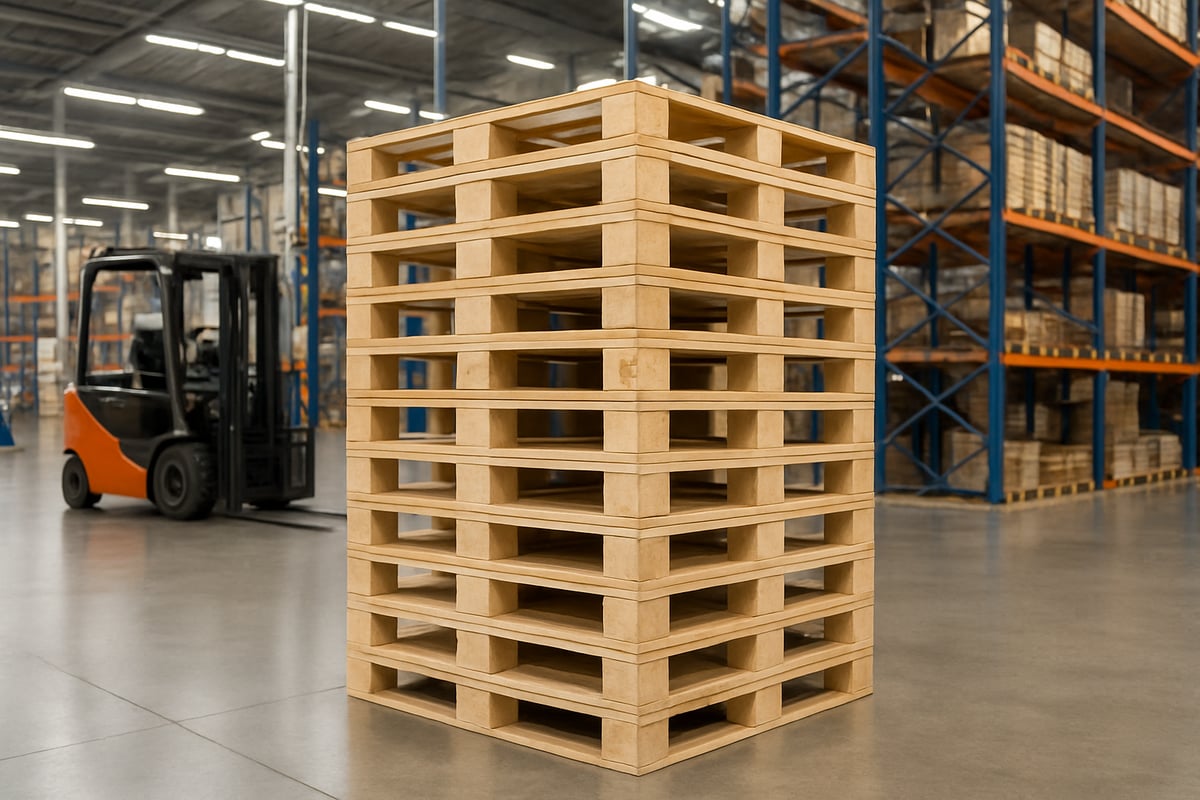
Palletization in North America began during World War II, when efficient transport and storage became vital. Initially, companies used varied pallet sizes, creating logistical headaches. Over time, the 48 x 40 pallet emerged as the preferred standard, thanks to the Grocery Manufacturers Association (GMA), now the Consumer Brands Association. Its adoption swept through grocery, food, and manufacturing sectors, allowing for seamless interchangeability. Industries such as retail, pharmaceuticals, and agriculture rely on this uniform size for consistent handling. The 48 x 40 pallet’s standardization paved the way for automation in warehouses, making supply chains faster and more reliable.
Why the 48 x 40 Pallet Remains Dominant in 2026
Market data for 2026 confirms the enduring popularity of the 48 x 40 pallet. Its footprint matches modern racking and handling systems, enabling smooth operations across food, beverage, retail, and automotive sectors. Competitors still favor this size due to its proven track record, with usage statistics showing it leads by a wide margin. Regulatory bodies and major retailers often mandate this standard, reinforcing its dominance. The 48 x 40 pallet’s broad compatibility and compliance with evolving industry requirements make it the natural choice for businesses prioritizing efficiency and adaptability.
Key Benefits of Standardization
Standardizing on the 48 x 40 pallet delivers clear advantages. Four-way entry points simplify forklift and pallet jack access, improving handling speed. Inventory management becomes easier, especially with pallet pooling programs. Warehouses benefit from optimized space utilization, while products experience less damage due to uniform stacking. Safety improves, and transportation costs decrease as trucks are loaded more efficiently. These benefits combine to make the 48 x 40 pallet a cost-saving solution for logistics, with standardized platforms supporting high-volume operations. For more details, see the GMA pallets and industry standards resource.
The Role of Industry Associations and Standards
The Consumer Brands Association plays a key role in maintaining and updating pallet standards. GMA guidelines have evolved, reflecting feedback from logistics leaders and advances in automation. Efforts to harmonize standards globally are ongoing, especially for export, where ISPM-15 certification is critical. Associations regularly review and update requirements to address new technologies and safety protocols. As 2026 approaches, these updates ensure the 48 x 40 pallet remains compliant and competitive in international trade. Ongoing collaboration between industry, regulators, and pooling providers keeps the standard relevant for the future.
Detailed Specifications of the 48 x 40 Pallet
Understanding the detailed specifications of the 48 x 40 pallet is essential for any business looking to optimize logistics and warehouse operations in 2026. Each element, from precise dimensions to construction materials, plays a pivotal role in performance, compatibility, and safety.
Exact Dimensions and Tolerances
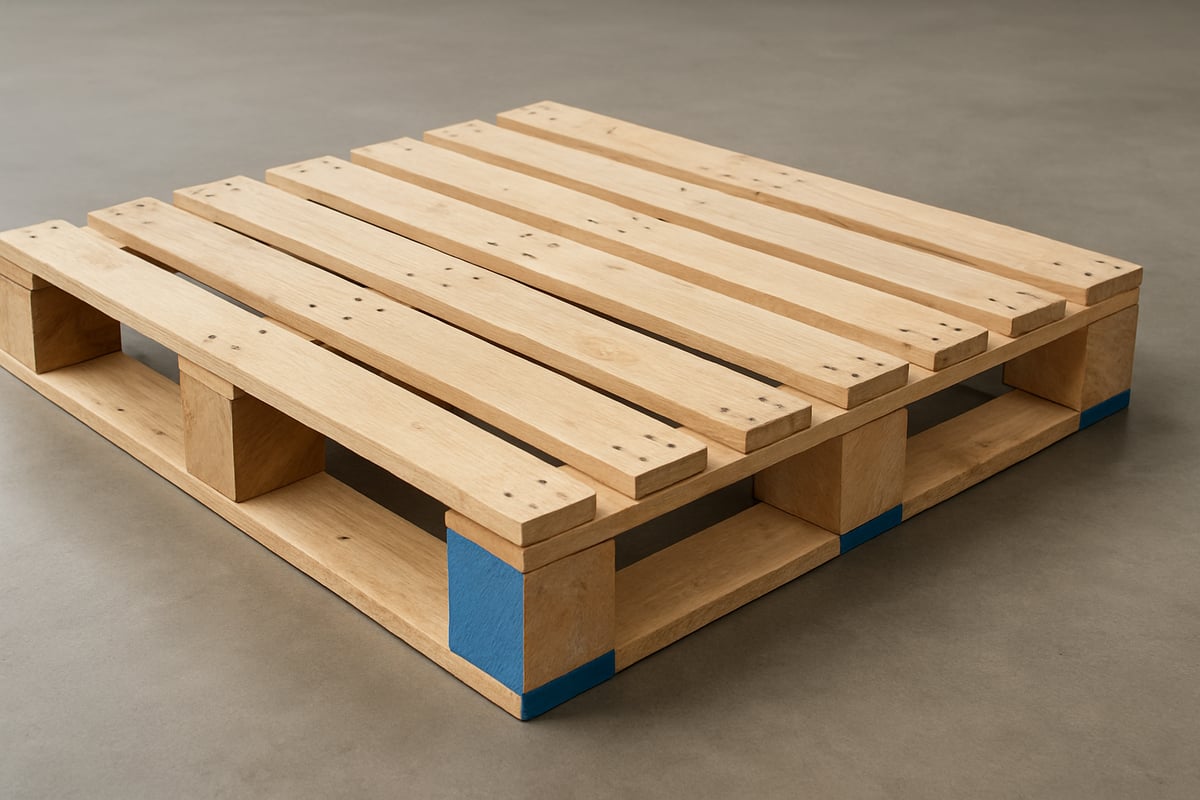
The 48 x 40 pallet measures 48 inches in length and 40 inches in width, or 1219mm by 1016mm in metric terms. This external size is the industry benchmark, ensuring compatibility with racking, forklifts, and conveyor systems.
Typical pallet heights range from 5.5 to 6.5 inches, depending on the manufacturer and construction style. Deckboards are commonly 3.25 to 5.5 inches wide and 0.5 to 0.7 inches thick, while stringers or blocks provide the structural core. Tolerances are tight, often within 1/8 inch, to guarantee reliable performance in automated environments.
For further reference on exact specs, consult the GMA Pallet Standard Specifications, which outline dimensional requirements and industry adoption. Using a standardized 48 x 40 pallet helps streamline operations and reduce costly errors.
| Feature | Measurement |
|---|---|
| Length | 48 in (1219 mm) |
| Width | 40 in (1016 mm) |
| Height | 5.5–6.5 in |
| Deckboard Width | 3.25–5.5 in |
| Deckboard Thick. | 0.5–0.7 in |
Load Capacity and Performance Metrics
The 48 x 40 pallet is engineered for strength and reliability. Standard pallets typically support a minimum load-bearing capacity of 2,500 lbs, with some pooled variants, such as CHEP models, rated up to 2,800 lbs.
There are two primary load ratings: static and dynamic. Static capacity refers to the maximum weight a pallet can hold while stationary, whereas dynamic capacity is the maximum weight during movement or handling. Proper stacking is crucial; most 48 x 40 pallets can be block stacked up to five loads high in a warehouse setting.
Distribution centers rely on these performance metrics to prevent product damage and ensure safety. The 48 x 40 pallet’s design makes it ideal for both heavy and high-volume goods.
Entry and Handling Features
A major advantage of the 48 x 40 pallet is its 4-way entry design. This allows forklifts and pallet jacks to access the pallet from any side, greatly increasing handling efficiency and flexibility.
There are two common construction types: notched stringers and block pallets. Notched stringers enable side entry, while block pallets use nine blocks for complete 4-way access. Both designs are compatible with modern conveyor systems and free span racking.
These handling features speed up loading and unloading, reduce labor costs, and minimize the risk of workplace injury. Selecting the right 48 x 40 pallet ensures seamless integration with automated and manual material handling equipment.
Material and Construction Details
Most 48 x 40 pallets are manufactured from kiln-dried Southern Yellow Pine or durable hardwoods. The choice of material impacts the pallet’s strength, weight, and resistance to moisture.
Standard construction uses high-quality nails and fasteners, adhering to strict industry specifications for durability and safety. Many pallets feature water-based paint for easy identification, such as CHEP’s signature blue finish. Some models incorporate composite wood blocks or recycled content to enhance sustainability.
The 48 x 40 pallet’s robust construction ensures it can withstand repeated use and repair cycles, making it a cost-effective choice for demanding supply chains.
Variations: Block vs. Stringer Pallets
There are two primary variations of the 48 x 40 pallet: block pallets and stringer pallets. Block pallets, often called 9-block pallets, use nine solid blocks to support the top deck, providing superior strength and true 4-way entry. Stringer pallets use either two or three parallel stringers with notches for side entry.
Block pallets are preferred in automated warehouses and for heavy-duty applications due to their stability and durability. Stringer pallets, sometimes known as “white wood” pallets, are widely used for general applications and are often less expensive.
When choosing between these variations, consider your handling equipment, load requirements, and automation needs. The design you select can significantly impact your operational efficiency and the overall value of your 48 x 40 pallet investment.
Pallet Grades, Quality, and Lifecycle Management
Understanding the lifecycle and quality standards of the 48 x 40 pallet is vital for any business optimizing its logistics. Each phase, from grading to end-of-life recycling, impacts operational efficiency and cost control. Let’s break down the key aspects of managing the 48 x 40 pallet throughout its lifecycle.

Grading System Explained
The grading system for the 48 x 40 pallet provides a quick assessment of quality and suitability. Industry standards typically define four grades:
- Premium: Like-new, no repairs, top condition.
- Grade A (#1): Minimal repairs, strong stringers, all deckboards intact.
- Grade B (#2): Multiple repairs, some companion stringers, minor cosmetic wear.
- Grade C (#3): Heavily repaired, visible wear, suitable for non-critical loads.
The grade of a 48 x 40 pallet affects not just performance but also resale value and compliance. For example, food and pharma sectors demand Grade A or Premium for safety. Always verify grading definitions with suppliers to ensure consistent quality and fit for your supply chain.
New, Used, and Remanufactured Pallets
Businesses can choose between new, used, and remanufactured 48 x 40 pallet options. New pallets offer maximum strength and hygiene, making them ideal for sensitive or export applications. Used pallets, often Grade A or B, are more cost-effective and sustainable, suitable for general warehousing. Remanufactured pallets combine used components, offering a middle ground in cost and performance.
Market data shows that remanufactured and used 48 x 40 pallet units now comprise a significant share, reflecting industry-wide sustainability goals. Choose the type that matches your load, handling requirements, and budget.
Maintenance, Repair, and Recycling Practices
Lifecycle management of the 48 x 40 pallet relies on effective repair and recycling. Common repair methods include:
- Adding companion stringers for structural support
- Replacing damaged deckboards
- Reinforcing joints with approved fasteners
Many companies participate in pallet buy-back or recycling programs, ensuring every 48 x 40 pallet is reused or recycled. This approach reduces waste and lowers environmental impact. Extending the lifespan of each pallet benefits both the bottom line and sustainability commitments.
Inspection and Quality Assurance
Routine inspection is essential for 48 x 40 pallet safety and reliability. Key checkpoints include:
- Nail and fastener security
- Integrity of stringers and blocks
- Undamaged deckboards
Many providers, like PECO Pallet Quality Standards, use automated systems for consistent inspection. Manual checks remain crucial in smaller operations. High inspection standards reduce the risk of workplace injuries and maintain supply chain integrity.
Cost Factors and Value Optimization
The total cost of owning a 48 x 40 pallet depends on several elements:
- New vs. used or pooled pallet pricing
- Wood type, treatments, and repair history
- Volume discounts or pooling efficiencies
To maximize ROI, consider bulk purchasing or rental programs, which can lower per-unit costs. Work closely with suppliers to match your operational needs and leverage the full value of the 48 x 40 pallet in your logistics network.
Compliance, Safety, and Sustainability Considerations
Ensuring compliance, safety, and sustainability is non-negotiable for any business relying on the 48 x 40 pallet. As regulations evolve and environmental pressures increase, understanding these considerations can help companies stay ahead and optimize their pallet strategies. Let us explore the essentials that will shape pallet operations in 2026 and beyond.
Regulatory Standards and Certifications
The 48 x 40 pallet must comply with several key industry standards. The Consumer Brands Association (CBA), formerly known as GMA, sets the benchmark for North American pallet specs. ISPM-15 certification is crucial for pallets used in export, requiring heat treatment to prevent pest transmission. FM Approval is also sought for composite block pallets, ensuring fire safety in sensitive environments.
Food, pharmaceutical, and automotive sectors often require stricter compliance on sanitation and traceability. For a full view of required dimensions and regulatory details, refer to the Standard pallet dimensions guide. Keeping up with these certifications is essential for smooth, global supply chain operations.
Safety Best Practices
Safe handling of the 48 x 40 pallet is vital for warehouse efficiency and worker protection. Always distribute loads evenly and avoid exceeding rated weight limits. Proper stacking techniques, such as block stacking and interlocking, help prevent tipping and damage.
In both manual and automated systems, clear aisle space and regular inspection of pallets are necessary. Train staff on correct lifting and maneuvering procedures to minimize injuries. Implementing these protocols reduces product loss and supports a secure work environment.
Environmental Impact and Sustainability
Sustainability is at the core of today’s pallet industry. Most 48 x 40 pallet units are crafted from wood sourced through responsible forest management programs. These pallets are designed to be 100 percent recyclable and reusable, contributing to the circular economy.
Pallet pooling programs further reduce environmental impact by extending each pallet’s lifecycle and minimizing landfill waste. Companies now track and report recycling rates, demonstrating measurable progress toward eco-friendly supply chains.
Innovations in Eco-Friendly Pallet Design
Recent advancements have transformed the 48 x 40 pallet into a greener solution. Manufacturers are using more recycled content and composite materials, which enhance durability and reduce reliance on virgin wood. Water-based paints and non-toxic treatments are now standard for identification and safety.
Lightweighting techniques are improving transport efficiency without sacrificing strength. Companies like CHEP are setting ambitious sustainability goals for 2025 and 2026, focusing on closed-loop systems and increasing the use of renewable materials.
Pallet Pooling and Rental Programs
Pallet pooling is changing the way businesses use the 48 x 40 pallet. Rather than owning pallets, companies rent them from providers like CHEP, gaining access to a consistent, high-quality supply. This approach helps manage seasonal demand spikes and reduces the need for excess inventory.
Pooling programs also streamline logistics, cut costs, and support sustainability goals. By sharing resources and optimizing pallet use, businesses can adapt quickly to market changes and enhance overall supply chain agility.
Industry Applications and Use Cases for 48 x 40 Pallets
The 48 x 40 pallet serves as the backbone of North American logistics, supporting a wide range of industries with its reliable, standardized footprint. From food and beverage supply chains to automotive manufacturing and retail distribution centers, its versatility and compliance credentials make it a preferred choice for countless businesses. To understand the significance of the 48 x 40 pallet across sectors, let us explore its primary applications and how it streamlines operations for various industries.
Food and Beverage Supply Chains
In food and beverage logistics, the 48 x 40 pallet is the standard for transporting groceries, produce, and beverages efficiently. Its size aligns with racking and trucking systems, ensuring maximum load stability and space utilization. Food manufacturers rely on this pallet to meet hygiene and safety requirements, as its design allows easy cleaning and inspection.
Supermarkets and beverage companies benefit from its compatibility with automated handling, which is increasingly essential for traceability and rapid order fulfillment. According to the Pallet Size Guide and Industry Usage, the 48 x 40 pallet dominates shipments in these sectors, supporting both bulk and mixed loads. This consistency enhances supply chain reliability and helps reduce spoilage or product damage, making it indispensable for food and beverage distribution.
Retail, E-commerce, and Distribution Centers
Modern retail and e-commerce operations depend on the 48 x 40 pallet to maintain high throughput in warehouses and distribution centers. Its standardized dimensions enable seamless integration with automated storage and retrieval systems (ASRS), conveyor belts, and cross-docking layouts. Major retailers use this pallet for efficient handling of large volumes and rapid restocking of stores.
A case study from a national retailer demonstrated that switching to the 48 x 40 pallet improved last-mile delivery efficiencies and reduced labor costs. This pallet also simplifies inventory management, as uniform sizing facilitates stacking, picking, and order assembly. For businesses aiming to optimize logistics and keep pace with consumer demand, the 48 x 40 pallet is a proven solution.
Automotive, Industrial, and Specialty Sectors
The automotive industry, along with hardware and industrial goods manufacturers, relies on the 48 x 40 pallet for transporting heavy and irregularly shaped items. Its robust construction supports secure block stacking and withstands the rigors of bulk packaging environments. Customization options allow for reinforced pallets or unique deckboard arrangements to handle specialized loads.
In processing industries, the 48 x 40 pallet streamlines material flow from production to assembly lines. Its compatibility with forklifts and automated guided vehicles ensures safe, efficient movement of components and finished products. By standardizing on this pallet, automotive and industrial sectors achieve greater consistency and reduced handling errors.
Choosing the Right Pallet for Your Business
Selecting the ideal 48 x 40 pallet requires a careful assessment of load characteristics, handling equipment, and compliance needs. Businesses should evaluate whether new, used, or pooled pallets best fit their operational and sustainability goals. For those prioritizing performance and longevity, reviewing new 48×40 wood pallet specs can help clarify material and construction options.
It is also important to consider industry regulations, environmental impact, and supplier reliability. Working closely with pallet providers ensures access to the right solutions, whether for seasonal spikes or long-term contracts. By choosing the right 48 x 40 pallet, organizations can enhance supply chain efficiency and support responsible business practices.
Future Trends and Innovations in 48 x 40 Pallets for 2026
As the logistics industry evolves, the 48 x 40 pallet remains at the center of innovation. In 2026, businesses are set to benefit from new technologies, advanced materials, and global standards that enhance efficiency and sustainability. Let us explore the most significant trends shaping the future of the 48 x 40 pallet.
Automation and Smart Pallet Technologies
Automation is transforming the way the 48 x 40 pallet is used across supply chains. In 2026, more warehouses will adopt RFID tags and IoT sensors to track pallets in real time. These technologies enable businesses to monitor location, temperature, and load status for every 48 x 40 pallet, improving inventory accuracy.
Robotics are also driving change. Automated guided vehicles (AGVs) and robotic arms now handle pallet movements, reducing manual labor and increasing safety. Leading distribution centers deploy smart pallets equipped with embedded chips, streamlining workflows and boosting supply chain visibility.
As automation grows, companies relying on the 48 x 40 pallet will gain a competitive edge by integrating smart tracking and handling systems into their operations.
Material Science and Durability Enhancements
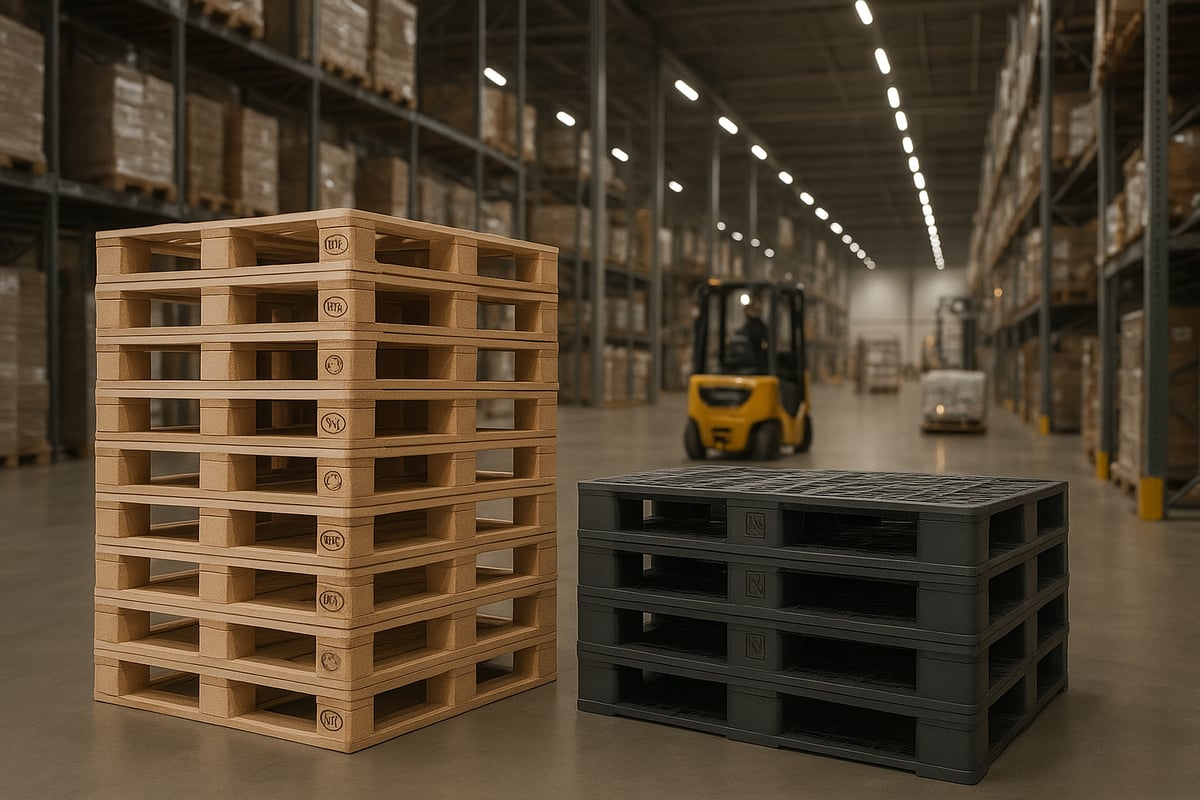
Material innovation is a major trend for the 48 x 40 pallet. Engineered wood, advanced composites, and high-grade plastics are being adopted to increase durability and lifespan. These materials offer higher load capacities and resist moisture, making them suitable for demanding environments.
Lightweight designs help reduce shipping costs and fuel consumption. For businesses seeking alternative materials, Plastic 48×40 pallet options provide a sustainable choice with exceptional strength and recyclability.
Forecasts show that by 2026, a significant share of the market will shift toward pallets that balance strength, sustainability, and cost. The 48 x 40 pallet will continue to evolve as new materials become mainstream.
Sustainability and Circular Economy Initiatives
Sustainability is now a top priority for every 48 x 40 pallet user. The industry is expanding pallet recycling and reuse programs, driving down landfill waste and supporting circular economy goals. Many companies set ambitious targets to lower their carbon footprint by maximizing pallet life cycles.
Closed-loop supply chains are gaining traction. In this model, pallets are continuously recovered, repaired, and returned to service, minimizing resource consumption. Data from leading providers shows measurable reductions in emissions and wood usage as a result of these initiatives.
Looking ahead, the 48 x 40 pallet will play a key role in helping businesses meet environmental standards and demonstrate corporate responsibility.
Evolving Industry Standards and Globalization
The future of the 48 x 40 pallet is closely tied to evolving standards and globalization. Updates to GMA/CBA guidelines and international harmonization efforts are ensuring compatibility across borders. Compliance with ISPM-15 remains crucial for export, as more companies participate in global trade.
Industry experts predict that by 2026, pallet standards will further align worldwide, simplifying logistics for multinational companies. These advancements will make the 48 x 40 pallet even more valuable as a universal solution for efficient, compliant, and sustainable supply chains.


