
In 2025, corrugated pallets are transforming global supply chains with their eco-friendly design and cost efficiency. As businesses face growing pressure to adopt sustainable logistics, understanding the latest advancements in corrugated pallets is essential for staying competitive.
This guide provides a comprehensive look at what corrugated pallets are, the newest innovations shaping the industry, and their key benefits over traditional pallet options. You will discover real-world use cases, sustainability impacts, and practical tips for choosing the right pallet solution for your business.
With new technologies, evolving regulations, and increasing demand for recyclability and cost savings, corrugated pallets offer compelling advantages for companies worldwide. Explore this guide to unlock actionable insights and make informed decisions for your supply chain in 2025.
What Are Corrugated Pallets?
Corrugated pallets are changing the logistics landscape in 2025. Businesses are turning to these lightweight, strong, and sustainable platforms to move goods efficiently across the globe.
Definition and Construction
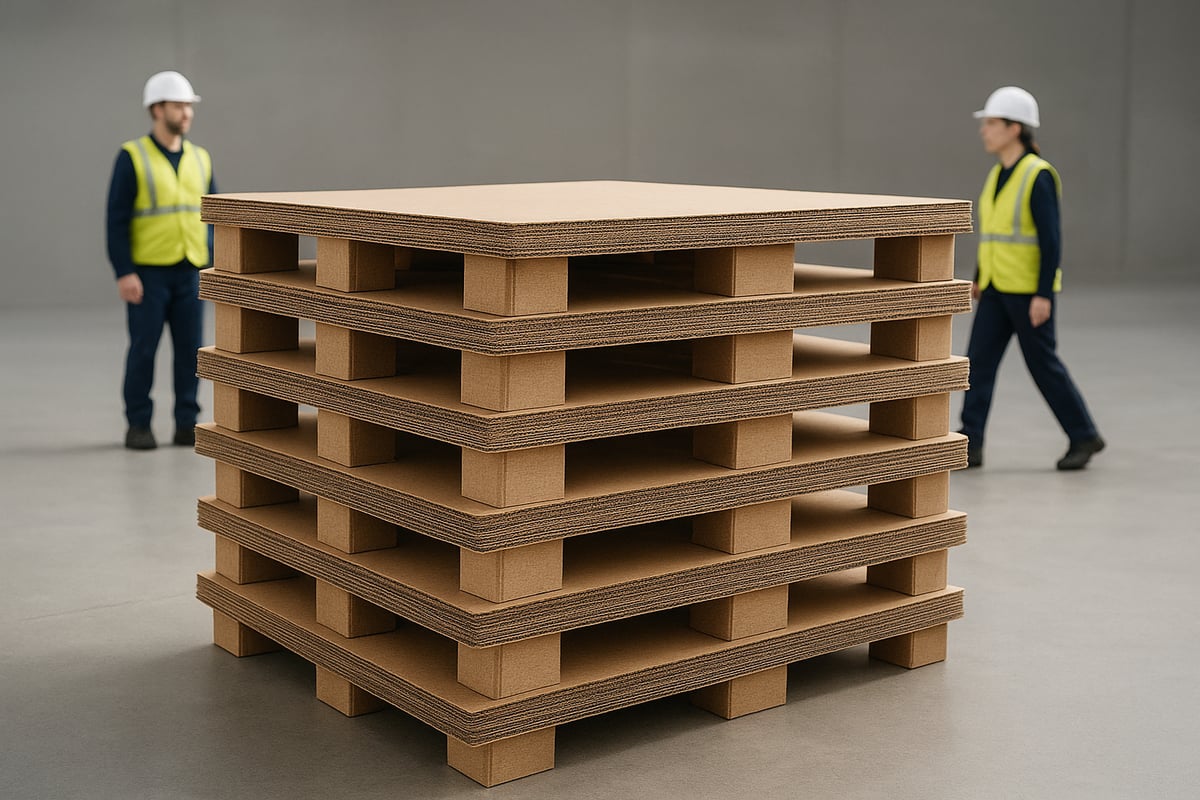
Corrugated pallets are shipping platforms made primarily from corrugated cardboard and paperboard. These materials are chosen for their strength, lightness, and recyclability.
The construction process involves layering sheets of corrugated board, often reinforced with adhesives and engineered folds. The structure can include several layers, each bonded for added durability. This layered design gives corrugated pallets a high strength-to-weight ratio, with some models supporting loads up to 2,000 lbs according to industry data.
Unlike traditional wooden or plastic pallets, corrugated pallets have no nails or splinters. Their smooth edges make them safer for workers and reduce the risk of damage to products. Standard sizes include 48×40 inches, but custom sizes are available to fit unique shipping needs.
Performance-wise, corrugated pallets resist moisture when treated with special coatings. Their lightweight nature means easier handling and lower shipping costs. Many businesses are now choosing corrugated pallets for one-way shipments, export, and air freight, where every pound matters.
Key features:
- Made from renewable, recyclable materials
- High load-bearing capacity for their weight
- Customizable in size and design
- Moisture-resistant options available
Corrugated pallets stand out for their balance of strength, sustainability, and adaptability.
Evolution and Market Growth
The history of corrugated pallets dates back several decades, but their adoption has accelerated in recent years. Originally used for lightweight goods or export shipments, advances in material science have made them suitable for heavier and more diverse cargo.
Today, corrugated pallets are in high demand across eCommerce, retail, food, pharmaceutical, and electronics industries. The shift toward sustainable packaging and global supply chain disruptions have driven more companies to seek alternatives to wood and plastic. Corrugated pallets are exempt from ISPM-15 regulations, so they do not require heat treatment for international shipping, making export compliance easier.
Market trends show significant growth, with the global corrugated pallets market expected to see a strong compound annual growth rate through 2025. According to the Corrugated Pallets Market Forecast 2025-2033, industry projections highlight rising adoption rates and expanding use cases.
Major retailers and exporters are leading the way, switching to corrugated pallets for their cost, compliance, and sustainability advantages. This trend is reshaping logistics strategies worldwide and positioning corrugated pallets as an essential solution for modern supply chains.
Key Advantages of Corrugated Pallets in 2025
Corrugated pallets are gaining traction in modern supply chains for a reason. Their unique design offers a suite of benefits that address the pressing needs of businesses in 2025. As companies look to optimize logistics and minimize environmental impact, corrugated pallets stand out as a versatile and forward-thinking solution.
Sustainability Benefits
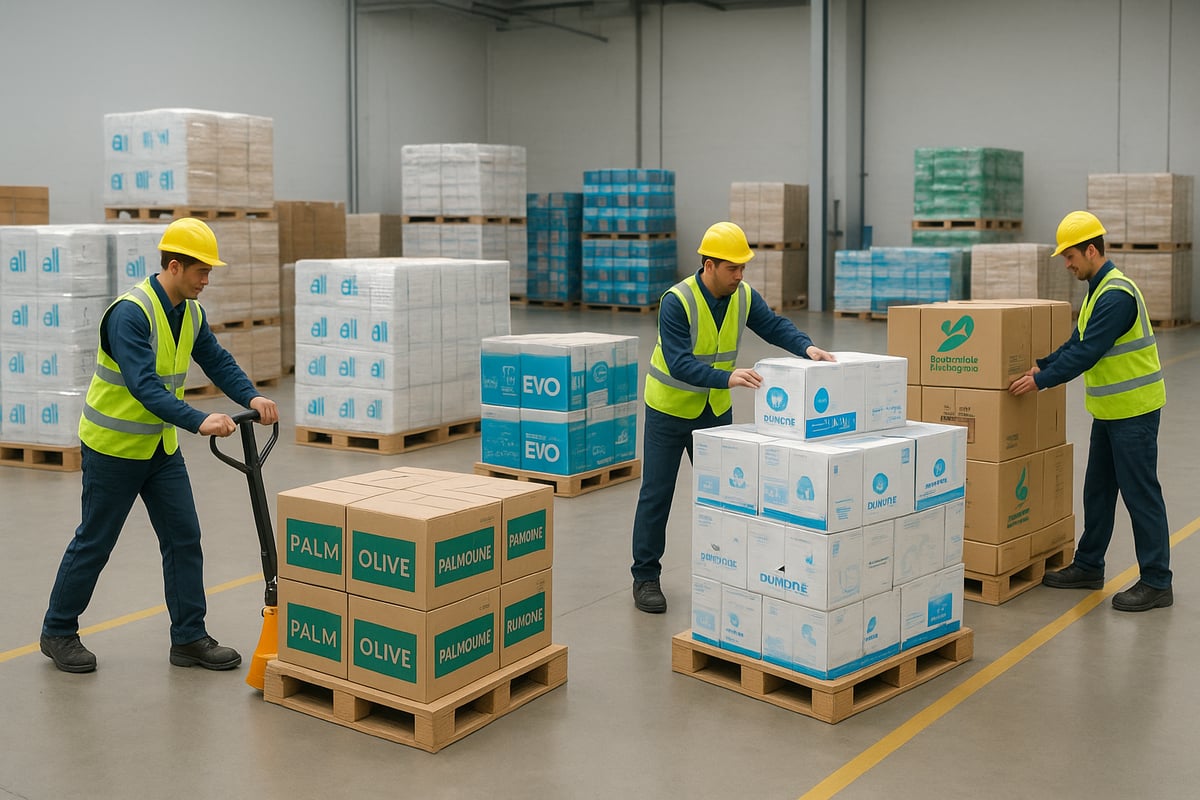
Corrugated pallets excel in sustainability, as they are made entirely from renewable resources like corrugated cardboard and paperboard. This composition ensures they are 100% recyclable, supporting circular economy initiatives that are central to modern supply chains. Many businesses now participate in Closed-Loop Box Reuse Practices, which further reduces waste and maximizes resource efficiency.
Switching to corrugated pallets helps lower a company’s carbon footprint. Compared to wood or plastic, manufacturing and recycling these pallets require less energy and produce fewer emissions. On average, corrugated pallets can be recycled up to seven times, further minimizing landfill waste. These features make corrugated pallets a smart choice for organizations prioritizing environmental responsibility.
Cost Efficiency and Logistics
One of the standout advantages of corrugated pallets is their lightweight construction. Weighing significantly less than wood or plastic alternatives, they reduce shipping costs and fuel consumption. This leads to immediate savings in freight expenses, with some companies reporting up to 30% lower transportation costs after switching to corrugated pallets.
Corrugated pallets also offer cost benefits throughout their lifecycle. Their nestable and collapsible designs save valuable space during storage and return logistics. Lower upfront costs and efficient use of warehouse space make corrugated pallets a practical option for businesses focused on profitability and streamlined operations.
Safety and Handling
Workplace safety is a top priority, and corrugated pallets help minimize risks. Unlike traditional wood pallets, they do not have nails, splinters, or sharp edges, which reduces the chance of injuries during handling. This is particularly important in industries with strict safety protocols.
Corrugated pallets are exempt from ISPM-15 regulations, so they do not require heat treatment for international shipping. This exemption saves time and resources. Additionally, the risk of product contamination drops significantly, making corrugated pallets ideal for food and pharmaceutical companies. In one case, a food exporter saw a reduction in product recalls after adopting corrugated pallets for their shipments.
Customization and Branding
Corrugated pallets are easy to customize to meet specific business needs. Companies can select the size, shape, and print features to match their products and branding requirements. This flexibility allows for quick adjustments, with short production lead times for custom orders.
Branding on corrugated pallets is a valuable marketing tool. Electronics firms, for example, use branded pallets in promotional campaigns, turning a logistics necessity into a visible brand asset. Customization also supports supply chain traceability and inventory management, adding another layer of value for businesses.
Regulatory and Compliance Advantages
Compliance with export and hygiene regulations is streamlined when using corrugated pallets. Their design meets the strict standards required for international shipments, particularly in sensitive industries like pharmaceuticals and food. The ISPM-15 exemption removes the need for additional treatments, reducing compliance costs and simplifying logistics.
Pharmaceutical companies have found that using corrugated pallets helps them meet export requirements efficiently. These pallets also align with the latest hygiene standards, making them a preferred choice for businesses seeking reliable, regulation-friendly pallet solutions. Corrugated pallets provide a compliant, safe, and sustainable option for companies operating in global markets.
Corrugated Pallets vs. Traditional Pallet Materials
Choosing the right pallet is pivotal for efficient logistics and cost control. In 2025, businesses are weighing the unique benefits of corrugated pallets against traditional materials. The following comparison highlights how each option measures up in terms of weight, cost, recycling, and compliance.
| Pallet Type | Weight | Cost | Recyclability | Compliance | Best Use Cases |
|---|---|---|---|---|---|
| Corrugated Pallets | Light | Low | High | ISPM-15 Exempt | Export, one-way shipping |
| Wood Pallets | Heavy | Moderate | Moderate | ISPM-15 Required | General, reuse |
| Plastic Pallets | Moderate | High | Limited | ISPM-15 Exempt | Closed-loop, hygiene |
| Metal/Composite Pallets | Heavy | High | Low | Varies | Heavy industry |
Wood Pallets
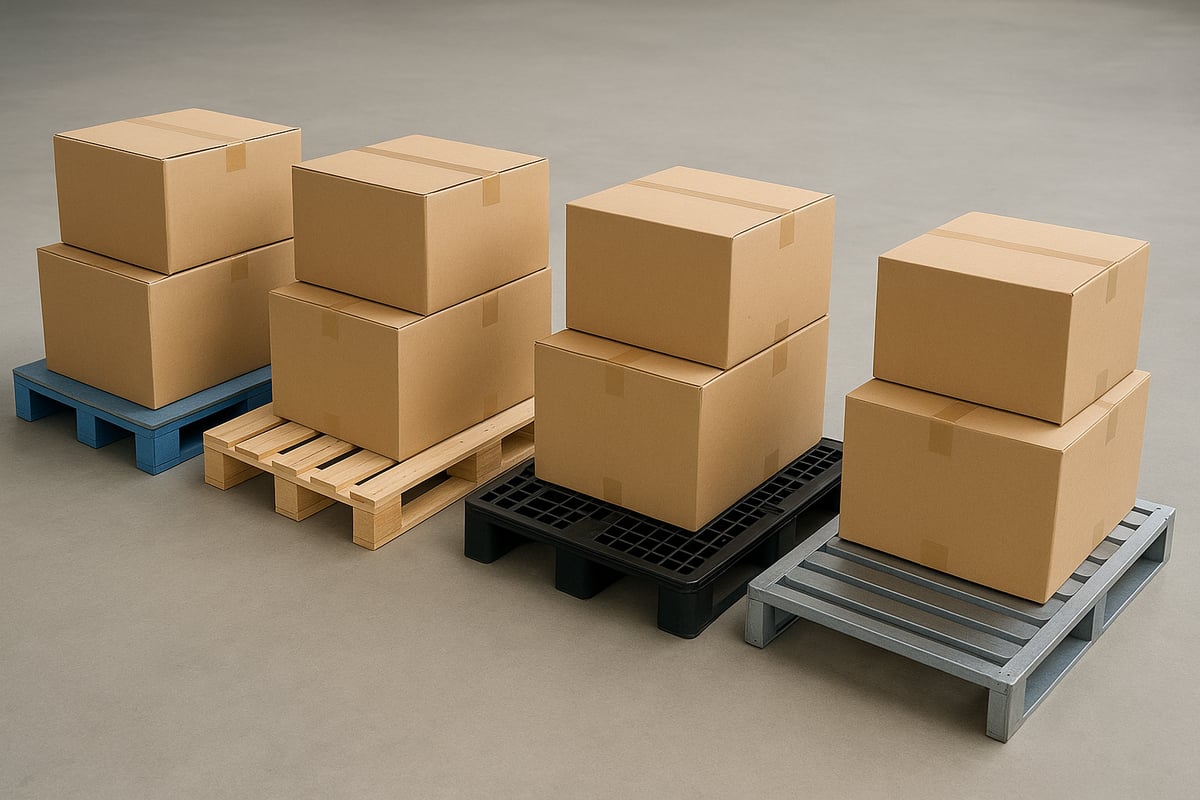
Wood pallets have long dominated the logistics landscape, accounting for about 90 percent of the US pallet market. These pallets are known for their durability and reusability, making them suitable for repeated use in supply chains. However, compared to corrugated pallets, they are significantly heavier, which can increase freight costs.
One major drawback is their need for ISPM-15 heat treatment when shipping internationally. This requirement adds time and cost, while also raising concerns about pests and splinters. In contrast, corrugated pallets are naturally exempt from ISPM-15 regulations, streamlining export processes.
Wood pallets are moderately recyclable, but damaged units often end up in landfills. Corrugated pallets, on the other hand, offer better recycling rates and are made from renewable resources. For companies prioritizing sustainability, the shift toward corrugated pallets is becoming more attractive every year.
Plastic Pallets
Plastic pallets are favored for their long lifespan and ease of cleaning, making them a popular choice in closed-loop systems and industries with strict hygiene requirements. They are resistant to moisture and pests, and their uniformity suits automated warehouses. However, the upfront cost is higher than both wood and corrugated pallets.
While plastic pallets can be reused many times, their recyclability is limited by the availability of specialized recycling facilities. Environmental concerns also arise from the use of virgin plastics and the challenges of end-of-life disposal. For many businesses seeking a balance between hygiene and sustainability, corrugated pallets provide a compelling alternative.
Interested in exploring options? You can learn more about plastic pallet alternatives to see how they compare to corrugated pallets in real-world scenarios.
Metal and Composite Pallets
Metal and composite pallets are designed for niche applications, such as heavy industry or transporting high-value goods. They offer unmatched strength and durability, but these advantages come at a premium. Their weight and high cost limit their practicality for most businesses.
Another consideration is recyclability. Metal pallets are often not recycled due to the expense and complexity of processing. Composites may contain non-recyclable materials, further reducing their environmental appeal. Corrugated pallets stand out as a lightweight, cost-effective solution, especially for export and short-term use.
For companies not handling exceptionally heavy or high-risk cargo, corrugated pallets offer a more sustainable and affordable alternative.
Corrugated Pallets: The 2025 Perspective
In 2025, corrugated pallets are redefining industry standards for weight, cost, and compliance. They are best suited for one-way shipping, international export, and businesses with a strong sustainability mandate. Their light weight helps reduce shipping costs, and their recyclability supports circular economy goals.
Corrugated pallets also eliminate the need for extra treatments required by wood and avoid the environmental challenges posed by plastics and metals. With the ability to customize sizes and branding, they provide flexibility for a range of sectors.
As supply chains evolve, corrugated pallets are positioned as the smart choice for modern, eco-conscious logistics operations.
Latest Innovations and Trends in Corrugated Pallets
The landscape for corrugated pallets is shifting rapidly in 2025, with significant innovations transforming their role in logistics, sustainability, and supply chain efficiency. Businesses are leveraging technological advances to achieve greater performance, regulatory compliance, and environmental responsibility. Let's explore the latest trends shaping corrugated pallets in today's global market.
Material Science and Engineering Advances
Material science is driving major improvements in corrugated pallets. New high-strength corrugated board formulations now allow these pallets to support heavier loads, expanding their use beyond traditional lightweight goods. Manufacturers are incorporating multi-layer designs and advanced adhesives to boost durability.
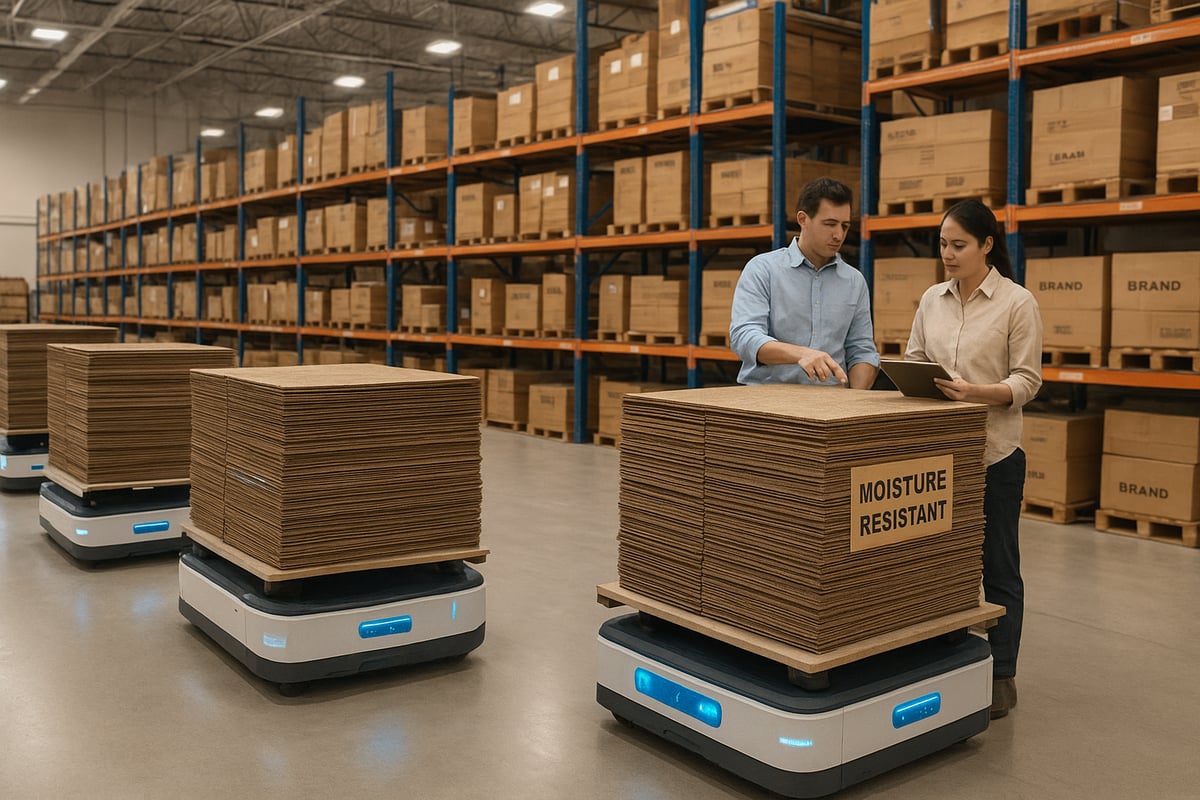
Moisture-resistant coatings have become more common, protecting corrugated pallets from humidity and liquid exposure. This is especially valuable for industries like food and pharmaceuticals. For example, cold chain logistics companies now rely on water-resistant corrugated pallets to maintain product integrity throughout the supply chain.
These engineering advances give corrugated pallets a competitive edge, making them suitable for a wider range of shipping environments and industries.
Automation and Smart Logistics Integration
Automation is reshaping warehouses, and corrugated pallets are evolving to fit seamlessly into these high-tech spaces. Modern pallet designs are optimized for compatibility with automated material handling systems and warehouse robotics.
Corrugated pallets can now be equipped with RFID tags or barcodes, enabling real-time tracking and inventory management. eCommerce fulfillment centers increasingly use smart corrugated pallets to streamline order processing and improve supply chain visibility.
This integration with digital systems ensures that corrugated pallets remain relevant as logistics operations become more sophisticated and data-driven.
Sustainability and Circular Economy Initiatives
Sustainability remains a central focus for corrugated pallets in 2025. Manufacturers are launching closed-loop recycling programs, encouraging customers to return used pallets for responsible processing. Many leading brands now use corrugated pallets made with up to 85% recycled content.
Bio-based adhesives and recycled fibers further reduce environmental impact. These initiatives support circular economy models, keeping materials in use and minimizing waste.
Corrugated pallets are recognized for their low carbon footprint and recyclability, making them an ideal choice for companies prioritizing sustainable logistics solutions.
| Feature | Corrugated Pallets (2025) |
|---|---|
| Recycled Content | Up to 85% |
| Recycling Cycles | Up to 7 times |
| Primary Adhesives | Bio-based, water-based |
Customization and On-Demand Manufacturing
The ability to customize corrugated pallets is a major trend in 2025. Digital design tools allow businesses to create pallets tailored to specific product dimensions, weight requirements, and branding needs.
On-demand manufacturing enables rapid prototyping and short production runs, reducing lead times and inventory overhead. For example, a furniture retailer implemented custom-fit corrugated pallets and saw a significant drop in product damage and returns.
Corrugated pallets offer unmatched flexibility, supporting both unique shipping challenges and promotional campaigns that require branded solutions.
Regulatory and Industry Standards
Evolving regulations are influencing the adoption of corrugated pallets. Export and hygiene requirements are stricter, with many countries mandating recyclable and safe packaging materials.
Corrugated pallets are exempt from ISPM-15 regulations, eliminating the need for costly heat treatment required by wooden pallets. Industry certifications like FSC and PEFC ensure that sourcing practices are sustainable and environmentally responsible.
The European Union is leading the charge by favoring recyclable packaging, prompting global brands to choose corrugated pallets to meet regulatory expectations and maintain market access.
Market Expansion and Adoption Drivers
The market for corrugated pallets is experiencing robust growth as more industries recognize their advantages. Sectors such as pharmaceuticals, electronics, and food exports are driving increased demand for lightweight, compliant, and sustainable solutions.
Partnerships between pallet manufacturers and logistics providers are accelerating innovation and market reach. According to Corrugated Pallet Containers Market Analysis 2025-2035, the corrugated pallet market is projected to reach $1.5 billion by 2025, reflecting rapid adoption and expanding use cases.
These trends confirm that corrugated pallets are set to play a central role in the future of global supply chains.
How to Select the Right Corrugated Pallet for Your Business
Selecting the right corrugated pallets for your business is crucial for streamlining your supply chain, reducing costs, and supporting sustainability goals. The process involves evaluating performance requirements, compliance needs, customization options, and supplier reliability. Let us break down the key steps to help you make an informed choice for your unique logistics challenges.
Assessing Load Requirements and Application
Begin by determining the maximum static and dynamic loads your products will place on corrugated pallets. Consider the total weight of each shipment, how the pallets will be handled, and the type of goods being transported. For example, lightweight consumer goods may only need standard-duty corrugated pallets, while heavier products require reinforced options.
Evaluate whether your pallets will be used for one-way export, repeated internal transport, or specialized applications like cold chain logistics. Custom-fit corrugated pallets are available for unique product dimensions, ensuring a secure fit and minimizing movement during transit.
For practical advice on analyzing your specific needs, consider reviewing Pallet tips and best practices, which provides further insight into load assessment and application matching.
Environmental and Regulatory Considerations
Regulatory compliance is a key factor when choosing corrugated pallets, especially for international shipping. These pallets are exempt from ISPM-15 requirements, which means you can avoid the costs and delays associated with heat treatment or fumigation. Ensure that your chosen pallets meet hygiene standards for sensitive products, such as food and pharmaceuticals.
Consider environmental factors like exposure to moisture, temperature extremes, and handling conditions. If your shipments are destined for regions with high humidity or variable climates, opt for moisture-resistant corrugated pallets. Exporters often select these options for overseas shipping to maintain product integrity and regulatory compliance.
Adopting compliant and recyclable corrugated pallets helps businesses align with evolving global regulations and sustainability goals.
Customization and Branding Options
Customization is a major advantage of corrugated pallets, allowing you to select the exact size, shape, and features that best suit your products. Whether you need unique dimensions to optimize container space or want to print your company logo directly on the pallet, these customizations enhance supply chain efficiency and brand visibility.
Printed corrugated pallets can double as point-of-sale displays for retailers, offering both functional and marketing benefits. For businesses seeking tailored solutions, exploring Custom pallets for sale can provide a wide range of options to meet specific requirements.
Short lead times and digital design capabilities make it easy to adapt your pallets as your business evolves.
Supply Chain Integration and Automation Compatibility
When integrating corrugated pallets into your supply chain, ensure they are compatible with automated material handling systems. Uniform pallet dimensions support smooth operations on conveyors, stackers, and robotic pickers. Pallets designed for automation reduce bottlenecks and increase throughput in modern warehouses.
Assess the racking and stacking requirements of your storage facilities. Corrugated pallets with reinforced corners or bases can provide additional strength for high-bay storage or multi-level stacking. Consult with your automation provider to confirm that your chosen pallet specifications align with system tolerances.
Selecting automation-friendly corrugated pallets helps future-proof your logistics as warehouse technology advances.
Cost Analysis and Lifecycle Evaluation
A thorough cost analysis is essential when selecting corrugated pallets. Compare not only the upfront purchase price but also the expected lifespan, recycling options, and total cost of ownership. Corrugated pallets often offer lower lifecycle costs due to their lightweight design and recyclability.
| Pallet Type | Upfront Cost | Average Lifespan | Recycling Potential | Total Cost of Ownership |
|---|---|---|---|---|
| Corrugated Pallets | Low | Single/Short Use | High | Low |
| Wood Pallets | Moderate | Multi-Use | Moderate | Moderate |
| Plastic Pallets | High | Long-Term | Low/Moderate | High |
Switching to corrugated pallets can yield significant freight savings and reduce disposal costs, especially for export and one-way shipping scenarios.
Sourcing and Supplier Evaluation
Finding a reliable supplier is the final step in securing the right corrugated pallets. Evaluate suppliers based on lead times, minimum order quantities, quality certifications, and the ability to deliver just-in-time. Leading suppliers often provide recycling programs and sustainable sourcing certifications, adding value to your supply chain.
Look for partners who can support your changing business needs with flexible production and responsive customer service. Ask for references or case studies to assess their track record in your industry.
A strong supplier relationship ensures a steady supply of high-quality corrugated pallets, supporting long-term business growth.
Sustainability Impact and Future Outlook
Corrugated pallets are rapidly becoming the preferred choice for businesses focused on sustainability and operational efficiency. Their positive environmental impact, regulatory advantages, and alignment with corporate goals mark a significant shift in supply chain practices. As 2025 approaches, these pallets are influencing how companies achieve greener logistics and prepare for future market demands.
Environmental Benefits and Carbon Footprint Reduction
Corrugated pallets deliver substantial reductions in carbon emissions compared to traditional wood or plastic options. Their construction from renewable, recycled fibers means a lower environmental footprint from sourcing through end-of-life. Lifecycle assessments reveal that using corrugated pallets can cut greenhouse gas emissions significantly, especially when recycled after use.
Large retailers have reported up to 40 percent reductions in pallet-related emissions by changing to corrugated pallets. They are also lightweight, which further decreases fuel consumption during transportation. Easy recyclability ensures that fewer pallets end up in landfills, supporting a circular economy. These advantages make corrugated pallets a key driver of sustainable supply chains worldwide.
Role in Corporate Sustainability Goals
Many organizations are integrating corrugated pallets into their supply chains to meet ambitious environmental, social, and governance (ESG) targets. The recyclability and renewable sourcing of these pallets help companies achieve zero-waste and carbon-neutral objectives. Corrugated pallets are often highlighted in corporate social responsibility (CSR) reports as evidence of progress toward sustainability.
Global brands use corrugated pallets to demonstrate their commitment to reducing environmental impact. By adopting these solutions, businesses not only address internal sustainability goals but also respond to the increasing expectations of consumers and investors for responsible logistics practices. As the market evolves, corrugated pallets continue to be a vital tool for organizations aiming to lead in sustainability.
Regulatory Trends and Compliance
Evolving packaging and waste regulations in major markets are accelerating the adoption of corrugated pallets. In regions such as the EU, US, and Asia, stricter rules require packaging materials to be recyclable and safe for the environment. Corrugated pallets, exempt from ISPM-15 requirements, simplify compliance for exporters.
Companies seeking alternatives to heat-treated pallets for export are increasingly turning to corrugated pallets to avoid the cost and complexity of wood treatments. Government incentives for recyclable packaging are also encouraging businesses to transition. This regulatory landscape ensures that corrugated pallets remain compliant and competitive for international trade.
Technological Innovations Shaping the Future
Advances in material science and digital technology are shaping the next generation of corrugated pallets. New coatings and fiber blends improve moisture resistance and structural strength, expanding their use in challenging environments. Meanwhile, integration with IoT devices and smart tracking systems is enabling real-time visibility across the supply chain.
Recent research, such as Physics-Based 3D Simulation in Packaging, is helping manufacturers optimize design and performance for stability and durability. These innovations are making corrugated pallets more adaptable and reliable for a wide range of industries. As technology continues to evolve, the capabilities of corrugated pallets will only increase.
Challenges and Limitations
Despite their many benefits, corrugated pallets face some limitations. They are generally less suited for extremely heavy loads or long-term reuse in harsh environments. Moisture exposure can affect performance, although new treatments are addressing this issue.
Ongoing research is focused on improving durability and expanding the applications of corrugated pallets. Manufacturers are working to develop solutions that maintain sustainability while meeting the rigorous demands of global logistics. By overcoming these challenges, corrugated pallets will continue to gain ground in the marketplace.
Predictions for 2025 and Beyond
Looking ahead, the market for corrugated pallets is expected to grow significantly, driven by sustainability trends and regulatory changes. Experts predict higher adoption rates as more industries recognize the economic and environmental value of these pallets. Advances in recyclability, material strength, and smart technology will further enhance their appeal.
Corrugated pallets are set to play a central role in supporting sustainable trade and logistics in the years to come. With their proven benefits and ongoing innovation, they are well-positioned to help businesses meet both current and future supply chain challenges.


