
In 2025, selecting the right pallets can make or break your supply chain efficiency. The landscape for those looking to buy wooden pallets is changing rapidly, shaped by new regulations, sustainability trends, and technology.
Expert guidance has never been more crucial. This guide delivers essential tips, the latest insights, and practical steps to help you buy wooden pallets with confidence.
Here, you will discover the main types of wooden pallets, key buying considerations, sourcing strategies, pricing trends, compliance essentials, sustainability practices, and expert advice to maximize value.
Stay ahead of the curve, make informed choices, and unlock best practices by following our step-by-step guide for a successful pallet purchase in 2025.
Understanding Wooden Pallets: Types, Grades, and Uses
Choosing to buy wooden pallets in 2025 requires a strong understanding of their types, grades, and diverse uses. The right pallet can boost efficiency, ensure safety, and save costs over time. This section unpacks the essentials every buyer needs to make informed decisions.
The Most Common Types of Wooden Pallets
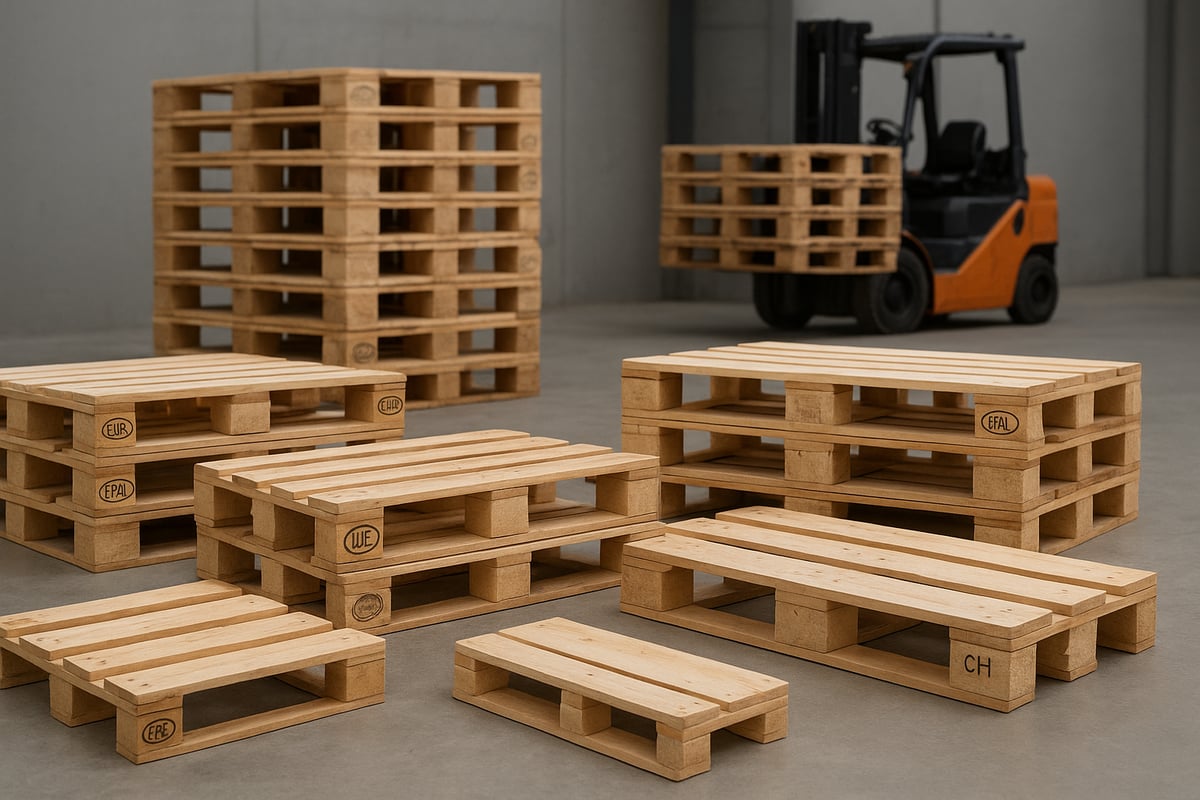
When you buy wooden pallets, you will often encounter two main designs: stringer and block pallets. Stringer pallets use parallel boards (“stringers”) to support the top deck, while block pallets use solid blocks at each corner and along the sides for extra strength.
| Type | Entry | Structure | Best Use |
|---|---|---|---|
| Stringer | 2 or 4 | Board-based | Warehousing, US std |
| Block | 4 | Block-based | Export, automation |
The 48”x40” stringer pallet remains the US standard, but block pallets are popular for global shipments because they allow 4-way forklift entry. For tight warehouse layouts, 4-way entry pallets provide superior maneuverability. If you want more actionable selection advice, see these Wooden Pallet Buying Tips.
Pallet Grades: New, Used, and Recycled
As you plan to buy wooden pallets, understanding grades is key. Grade A pallets are nearly new, free of repairs, and offer top durability. Grade B pallets show minor repairs but remain structurally sound. Grade C pallets are heavily used, often with multiple repairs, and are best for non-critical loads.
- New Pallets: Highest durability, most expensive.
- Recycled Pallets: Inspected, repaired, cost-effective.
- Remanufactured Pallets: Built from reclaimed wood, eco-friendly.
A recycled A Grade pallet is ideal for operations needing reliability at a lower price, while B Grade works well for one-way shipments. Assess your load and budget before selecting the right grade.
Common Uses and Industry Applications
Organizations that buy wooden pallets span logistics, retail, manufacturing, and agriculture. Typical load capacities include dynamic loads (moving) of 2,500 lbs and static loads (stationary) up to 4,000 lbs.
Applications drive pallet choice. For example, the food industry must use ISPM-15 heat-treated pallets to meet export and hygiene standards. Manufacturing plants often select robust block pallets for automated systems. Always consider the product’s weight, hygiene needs, and handling process in your selection.
Key Pallet Specifications to Know
Before you buy wooden pallets, review specifications carefully. Standard dimensions (like 48”x40”) fit most racking systems. Load ratings indicate safe weight limits—dynamic loads are lower than static. Entry types (2-way or 4-way) affect how forklifts can access the pallet.
ISPM-15 heat treatment is mandatory for export, preventing pest transfer. Material quality and fastener types (nails, screws) influence longevity. Always read the specification sheet for details on construction, markings, and compliance stamps.
Key Considerations Before Buying Wooden Pallets
Choosing to buy wooden pallets requires more than a quick decision. The right pallet impacts efficiency, safety, and long-term costs. Before you commit, consider these essential factors to ensure your investment meets your operational and sustainability goals.
Assessing Your Load and Handling Requirements
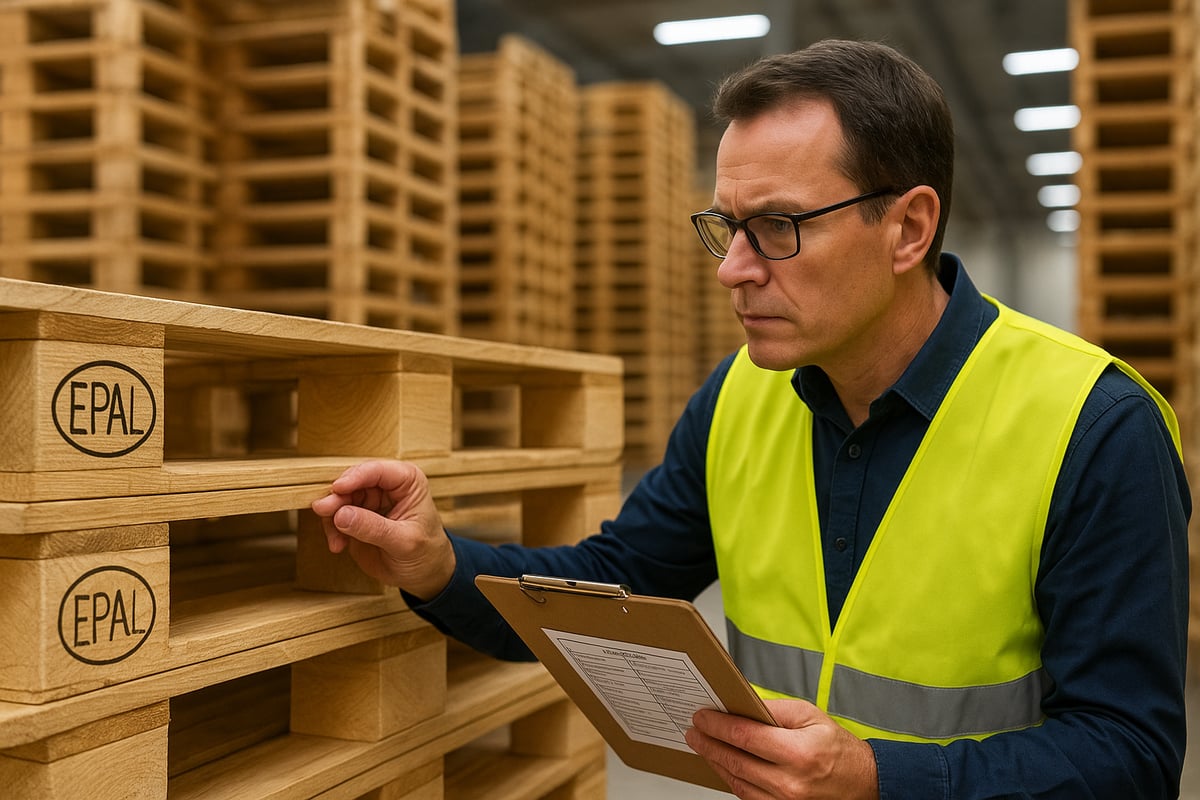
Before you buy wooden pallets, analyze your product’s weight and dimensions. Calculate both static and dynamic loads to ensure your pallets will not fail during storage or transit. Stacking and racking requirements are critical, especially for goods that require multi-level storage.
- Identify if your goods need single-use or reusable pallets.
- Determine if you need pallets for heavy machinery or lighter retail products.
- Consider how often pallets will be moved or handled.
For example, matching pallet strength to your product weight prevents damage and ensures safety. Explore available options at Wooden Pallets for Sale to find models that match your requirements.
Storage and Transportation Factors
Optimizing warehouse space starts with the right pallet size and entry type. Four-way entry pallets allow for more flexible handling in tight layouts, while two-way entry models may fit simpler setups. Compatibility with forklifts and pallet jacks is crucial for seamless movement.
- Choose pallets that nest or stack efficiently to maximize storage.
- Check if your pallets fit standard racking systems.
- Plan for delivery vehicle sizes and load configurations.
For instance, selecting four-way entry pallets helps streamline operations in busy warehouses with limited maneuvering space. Always verify pallet dimensions against your transport and storage systems.
Compliance and Safety Standards in 2025
Regulatory compliance is non-negotiable when you buy wooden pallets for international or food-grade applications. ISPM-15 heat treatment is required for export to prevent pest transmission. Food industry pallets must meet strict hygiene standards, while OSHA guidelines dictate safe handling.
- Confirm ISPM-15 markings for export pallets.
- Ensure pallets are free from contaminants for food use.
- Review supplier compliance certifications.
For example, when exporting goods, always choose heat-treated pallets over non-treated ones to avoid customs delays or rejections. Stay updated with 2025’s evolving regulations to protect your business.
Environmental and Sustainability Concerns
Sustainability is increasingly important when you buy wooden pallets. Look for suppliers who use wood from certified sustainable forests. Recycled and remanufactured pallets support the circular economy and can help reduce your carbon footprint.
- Request documentation for FSC or SFI certification.
- Ask about recycled content and repair programs.
- Consider the end-of-life recycling or upcycling options.
For instance, using recycled pallets not only saves costs but also aligns with company sustainability goals. Responsible sourcing demonstrates your commitment to environmental stewardship.
Where to Buy Wooden Pallets in 2025: Sourcing Options Compared
Choosing where to buy wooden pallets in 2025 can impact cost, quality, and supply chain efficiency. Today’s buyers have more options than ever, from traditional manufacturers to digital platforms and buy-back programs. Understanding each sourcing route helps you make informed decisions and ensures reliable pallet supply for your operation.
Direct from Manufacturers vs. Distributors
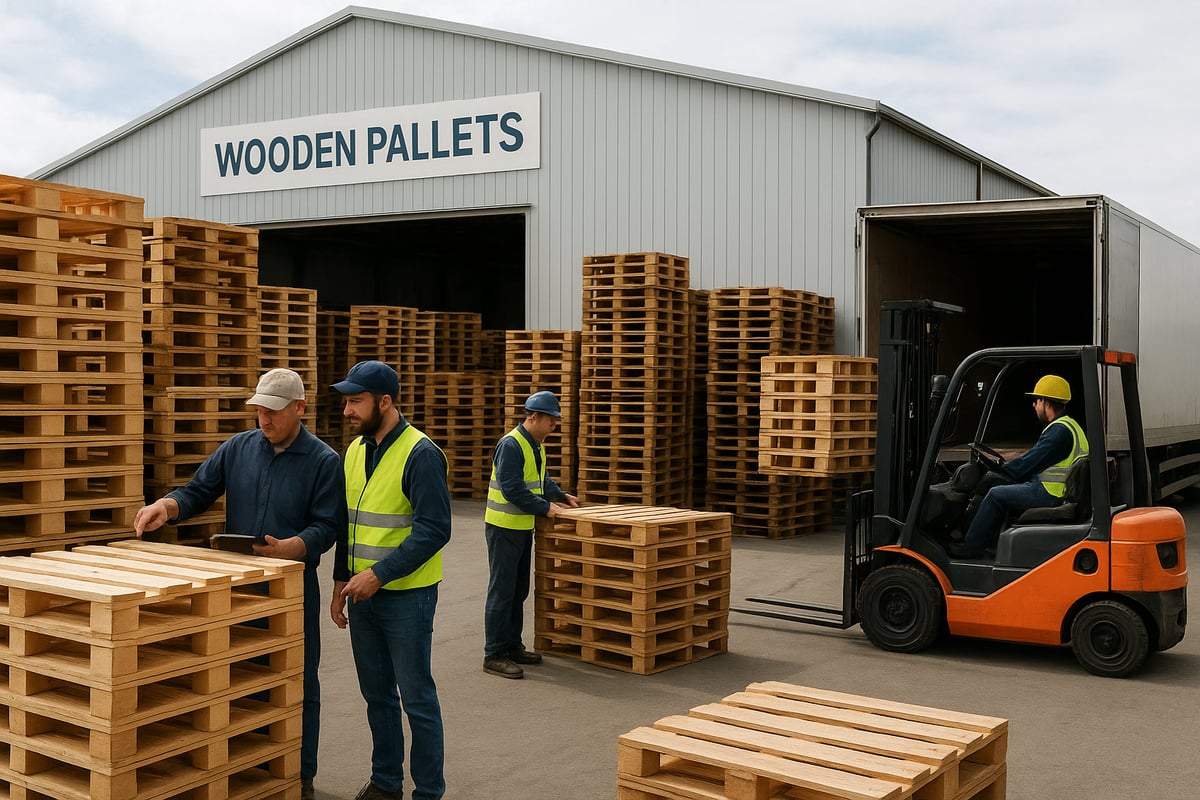
One of the most common ways to buy wooden pallets is directly from manufacturers or through distributors. Manufacturers offer the advantage of bulk pricing and customization, making them ideal for large-scale buyers with specific requirements. Distributors, on the other hand, provide flexibility, a wider variety of pallet types, and often faster availability for smaller orders.
Buyers often choose manufacturers for new pallets, especially when consistent quality and custom dimensions are needed. Distributors are a good option when you need to mix and match sizes or handle fluctuating demand. For a detailed overview of new options and pricing, see the New Wooden Pallets Overview.
Lead times can vary. Manufacturers may require longer production cycles, while distributors typically stock popular sizes for immediate delivery. Consider your volume, customization needs, and timeline when deciding how to buy wooden pallets.
Online Marketplaces and E-Commerce Platforms
The rise of e-commerce has transformed how companies buy wooden pallets. Online marketplaces and specialized B2B platforms now offer a wide selection, enabling you to compare prices, check reviews, and place orders with just a few clicks.
These platforms are convenient for sourcing both small and large quantities. Many list both new and used pallets, letting you filter by type, size, and condition. However, it is vital to vet sellers carefully to ensure quality and avoid delays. Look for platforms with robust return policies and transparent shipping costs when you buy wooden pallets online.
Comparing multiple listings can help you secure competitive prices and faster delivery. Online channels are particularly useful if your business operates across regions or needs quick replenishment.
Local Suppliers and Pallet Yards
Sourcing pallets from local suppliers or pallet yards remains a reliable option for many businesses. Local vendors offer the benefit of quick delivery and the ability to inspect products in person before you buy wooden pallets. This hands-on approach minimizes the risk of quality issues and simplifies returns or exchanges.
To find reputable local suppliers, ask for recommendations from peers, check online directories, and visit yards in person. Assess inventory variety, service quality, and responsiveness. Some suppliers also provide custom solutions or repair services.
Inspecting pallets on-site ensures you get the right grade and type for your needs. Local sourcing can be especially advantageous for urgent needs or specialized applications.
Buy-Back Programs and Used Pallet Sources
Buy-back programs and used pallet suppliers present cost-effective and sustainable options to buy wooden pallets in 2025. These programs allow you to sell back undamaged pallets or purchase recycled ones at discounted rates, contributing to a circular economy.
When buying used pallets, examine them for structural integrity, hygiene, and compliance markings. Many companies now offer incentives for returning pallets, reducing waste and saving on disposal costs. Used pallets can be ideal for non-food applications or one-way shipments.
Partnering with reputable recyclers or companies running buy-back programs can streamline your pallet management and lower overall expenses. Always confirm that used pallets meet your industry’s safety and compliance standards.
Pricing, Negotiation, and Cost-Saving Strategies
Understanding how to get the best value when you buy wooden pallets is essential for any business in 2025. With fluctuating raw material costs and shifting supply chains, careful planning can make a significant difference in your bottom line. Let us break down the key pricing drivers, negotiation tactics, and smart ways to save, so you can approach your next pallet purchase with confidence.
Factors Influencing Wooden Pallet Prices in 2025
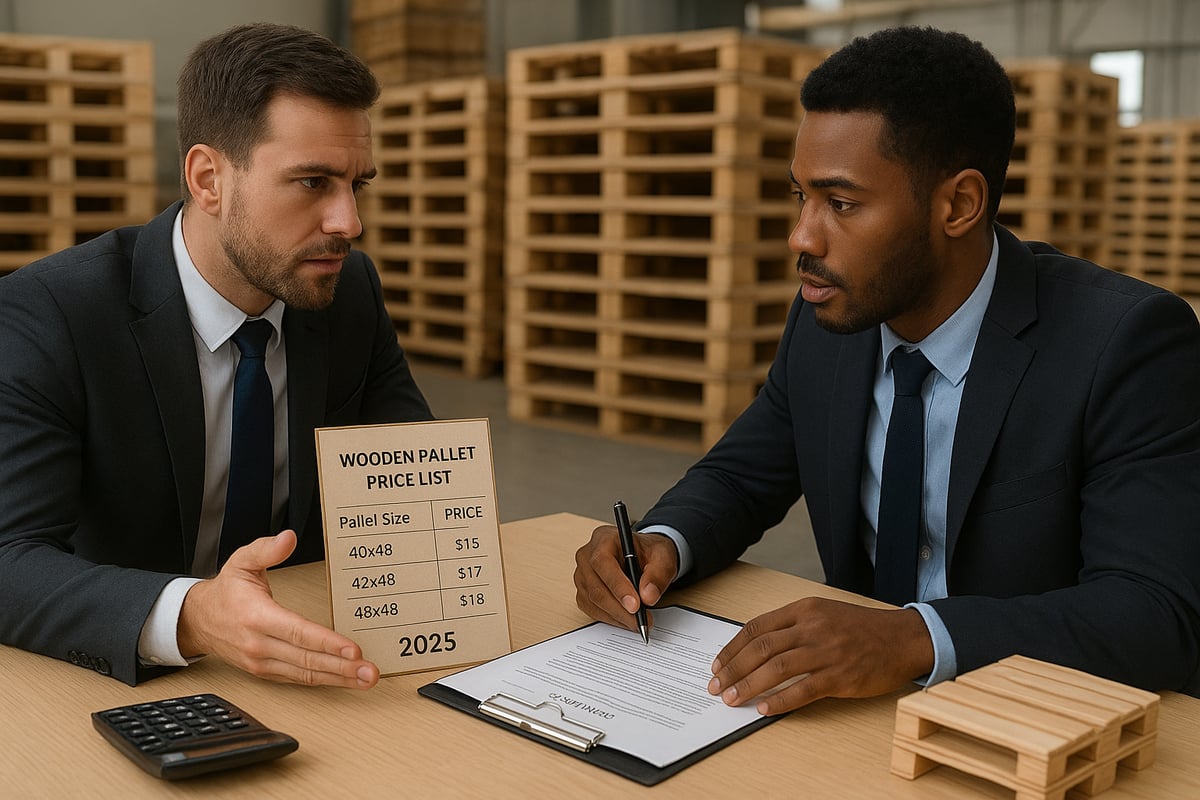
Several elements will impact how much you pay when you buy wooden pallets this year. The cost of lumber remains volatile due to ongoing supply chain challenges and increased demand for sustainable materials. Market trends indicate that pallet prices can rise or fall quickly depending on global shortages or surpluses.
Customization, such as special dimensions or heat treatments, also affects pricing. If you need ISPM-15 compliant pallets for export, expect higher costs. Monitoring wood pallets market trends can help you anticipate shifts and plan your purchases wisely.
Volume Discounts and Bulk Purchasing
If you regularly buy wooden pallets in large quantities, you are in a strong position to negotiate. Suppliers typically offer better rates for full truckload orders, which can significantly lower your per-unit cost.
To maximize savings, ask about minimum order requirements and available discounts for bulk purchases. Understanding standard truckload quantities—often 480 to 500 pallets—can help you plan your orders efficiently. Remember, clear communication about your ongoing needs will build trust and may unlock additional incentives from your supplier.
New vs. Used: Cost-Benefit Analysis
When you buy wooden pallets, deciding between new, recycled, or remanufactured options is crucial for long-term value. New pallets offer maximum durability but come at a premium. Recycled and remanufactured pallets are more affordable, with many businesses finding the best ROI in these choices for non-critical applications.
For a deep dive into potential savings and best practices, check out this guide on Used Pallets Cost Savings. Used pallets can provide excellent value if you inspect them carefully and match them to your application.
Hidden Costs to Watch For
The total cost when you buy wooden pallets is more than just the sticker price. Delivery fees, taxes, and pallet deposits can add up quickly. Maintenance and repair, especially for reused pallets, should be factored into your budget.
Consider the full lifecycle cost, including eventual disposal or recycling fees. By accounting for these hidden expenses upfront, you can make smarter purchasing decisions and avoid budget surprises down the line.
Ensuring Quality: Inspection, Maintenance, and Longevity
Ensuring you receive top value when you buy wooden pallets in 2025 requires more than just a quick glance at a stack of wood. Quality inspection, proper maintenance, and thoughtful end-of-life planning are all critical steps. By understanding each stage, you can maximize pallet lifespan, protect your investment, and support sustainability goals.
How to Inspect Wooden Pallets Before Purchase
When you buy wooden pallets, start with a thorough inspection. Look for visible signs of damage, such as cracks, splits, or missing boards. Check that all fasteners are secure and that there are no protruding nails or sharp edges.
Verify the pallet's load rating and ensure manufacturer markings are present. For export, confirm the ISPM-15 heat treatment stamp is clearly visible. This step is vital for compliance and safety. Always review the pallet specification sheet before making a decision.
Red flags include excessive wear, missing components, and faded markings. If possible, request a sample pallet for testing before committing to a large order.
Proper Handling and Storage to Extend Pallet Life
The way you handle and store pallets directly influences their longevity when you buy wooden pallets. Use forklifts and pallet jacks carefully to avoid sudden impacts that can crack boards or loosen fasteners.
Follow these best practices:
- Stack pallets evenly and avoid overloading.
- Store pallets indoors or under cover to minimize moisture exposure.
- Use pallet racking systems that support even weight distribution.
Environmental factors like humidity, pests, and sunlight can degrade wood over time. Regularly inspect your storage area to ensure pallets remain in optimal condition.
Maintenance, Repair, and Pallet Return Programs
Routine maintenance is key to extending the value of your buy wooden pallets investment. Repair minor damage promptly, such as replacing broken boards or re-nailing loose fasteners. Many companies offer pallet repair or return programs, which can reduce costs and streamline logistics.
Participating in these programs provides benefits like:
- Consistent pallet quality through professional repairs.
- Lower replacement costs over time.
- Reduced waste in your supply chain.
According to the National Wooden Pallet and Container Association, repair and recycling initiatives have become industry standards, supporting both sustainability and cost savings.
Recycling and End-of-Life Options
Eventually, every pallet reaches the end of its usable life. When this happens, responsible recycling is essential if you buy wooden pallets in large volumes. Options include:
- Partnering with recycling firms for wood recovery.
- Upcycling pallets into furniture or creative projects.
- Disposing of unusable pallets at certified recycling centers.
Some companies introduce closed-loop systems, collecting used pallets for refurbishment or parts reuse. These practices reduce landfill waste and contribute to the circular economy. Always look for partners that prioritize environmental stewardship.
Sustainability and Future Trends in Wooden Pallets
Sustainability is rapidly becoming the cornerstone of every decision to buy wooden pallets in 2025. As the industry evolves, buyers are prioritizing eco-friendly solutions, technological advancements, and compliance with new standards. Let us explore the key trends shaping the future of wooden pallets, ensuring your purchasing decisions are both responsible and forward-thinking.
Eco-Friendly Innovations in 2025
When you buy wooden pallets today, eco-friendly innovations are at the forefront. Manufacturers are sourcing wood from certified sustainable forests and adopting biodegradable treatments that minimize environmental impact. New pallet designs focus on reducing material waste while maintaining strength and durability.
For example, some companies now use composite blocks made from recycled wood fibers, enhancing sustainability without sacrificing performance. The growing adoption of water-based finishes also helps reduce emissions. According to Pallet Industry Statistics 2025, recycling rates for wooden pallets have reached record highs, supporting a more circular economy and reducing landfill waste.
Regulatory Changes and Global Standards
The landscape for those who buy wooden pallets is changing as global standards evolve. In 2025, updates to ISPM-15 continue to affect international trade, requiring stricter heat treatment and marking protocols. Compliance is essential, especially for exporters, to prevent costly delays at borders.
Industry-wide, there is a shift toward greener logistics. New regulations are pushing companies to adopt sustainable practices, not only for environmental reasons but also to satisfy customer expectations. Staying informed about regulatory changes ensures your pallets meet all current requirements and avoid non-compliance risks.
The Role of Technology in Pallet Management
Technology is transforming how businesses buy wooden pallets and manage them throughout the supply chain. RFID tracking systems are now standard, enabling real-time monitoring of pallet locations and conditions. Smart pallets equipped with sensors provide valuable data for inventory control and predictive maintenance.
Data-driven pallet management helps reduce losses, optimize reuse, and extend pallet lifespan. Many companies are also using digital platforms to streamline ordering and track sustainability metrics. Embracing these innovations leads to greater efficiency and transparency in your pallet operations.
Circular Economy and the Pallet Industry
The push for a circular economy is reshaping how organizations buy wooden pallets. Reuse, repair, and recycling are now central to pallet lifecycle management. Closed-loop systems, where pallets are continually refurbished and returned to service, are gaining traction across industries.
Case studies highlight companies that have reduced costs and environmental impact by prioritizing pallet circularity. By collaborating with recycling firms and participating in buy-back programs, businesses can minimize waste and demonstrate their commitment to sustainability. This approach not only benefits the planet but also delivers long-term value for buyers.
Expert Tips for Buying Wooden Pallets in 2025
Navigating the decision to buy wooden pallets in 2025 requires more than just comparing prices. The market is evolving, and understanding best practices can help you secure quality, compliance, and value. Use these expert tips to streamline your next purchase and avoid common missteps.
Step-by-Step Buying Process
To successfully buy wooden pallets, start by defining your specific requirements, considering factors such as pallet size, load capacity, and intended application. Research potential suppliers, focusing on those with strong reputations and proven track records. Request detailed quotes to compare pricing, lead times, and services.
Create a checklist to evaluate offers:
| Step | Details to Consider |
|---|---|
| Define Needs | Size, grade, treatment |
| Research Suppliers | Reputation, reviews, compliance |
| Request Quotes | Price, delivery, customization |
| Compare Offers | Value, warranties, support |
Market insights, such as those in the Wood Pallets Market Size and Share Forecast 2025-2035, can help you anticipate trends when you buy wooden pallets.
Questions to Ask Your Supplier
Before you buy wooden pallets, ask suppliers about their sourcing practices and certifications, such as FSC or SFI. Inquire about warranties, after-sales support, and delivery timelines. Request documentation proving compliance with ISPM-15 and other relevant standards.
Key questions include:
- Are your pallets certified for export?
- Can you provide references from similar clients?
- What is your return or repair policy?
- How do you handle urgent orders?
These questions ensure you buy wooden pallets from a reliable partner, reducing risk and improving supply chain resilience.
Avoiding Common Pitfalls
Many companies buy wooden pallets without fully assessing supplier credibility or compliance requirements. Avoid overpaying by comparing multiple quotes and verifying all cost components, such as delivery and pallet deposits.
Typical pitfalls include:
- Ignoring treatment or certification needs
- Skimping on quality for price
- Not inspecting pallets before acceptance
Learning from industry case studies helps you avoid costly mistakes when you buy wooden pallets. Take time to validate each step and always request documentation.
Maximizing Value and ROI
To maximize value when you buy wooden pallets, leverage bulk purchasing for volume discounts and participate in pallet buy-back or repair programs. Build strong relationships with suppliers to negotiate better terms and ensure consistent quality.
Strategies for long-term savings:
- Use repair and return programs
- Opt for recycled pallets where suitable
- Monitor total cost of ownership, not just upfront price
By implementing these practices, you enhance ROI and sustainability when you buy wooden pallets, ensuring your investment supports both operational efficiency and environmental goals.


