
In 2025, custom packaging is more than just a container; it is a vital brand asset that shapes how consumers perceive and engage with your products. As expectations for sustainability and innovation surge, businesses must adapt quickly to stay ahead. This guide will provide you with expert insights, emerging strategies, and proven best practices to master custom packaging in a rapidly evolving market. Explore the latest trends, material breakthroughs, design techniques, regulatory updates, and cutting-edge technology. Unlock actionable steps to create packaging that differentiates your brand, delights your customers, and drives long-term success.
The Evolution of Custom Packaging: 2025 Trends & Market Insights
Custom packaging is rapidly transforming in 2025, evolving beyond simple protection into a key brand differentiator. Shifting consumer expectations, technological advancements, and regulatory changes are reshaping how businesses approach packaging. Let’s explore the five major trends defining this new era.

The Rise of Personalization and Brand Storytelling
Personalization is at the forefront of custom packaging in 2025. Brands now leverage unique packaging designs to tell their story, communicate values, and create memorable experiences for customers. Direct-to-consumer brands, for example, turn unboxing into a shareable marketing moment, fostering deeper emotional connections.
According to recent competitor data, over 70% of consumers say packaging directly influences their buying choices. Custom packaging is not just about aesthetics but about building trust and loyalty through storytelling. As consumers seek more tailored interactions, expect brands to invest in variable data printing, limited editions, and packaging that reflects their audience’s identity.
Sustainability and Eco-Friendly Packaging
Sustainability has become a non-negotiable aspect of custom packaging. There is a surge in demand for biodegradable, compostable, and recyclable options, with brands adopting minimalist designs to reduce waste. Regulatory pressures are also pushing companies to adopt greener solutions, such as compostable mailers or reusable materials.
For a deeper dive into sustainable packaging innovations and their impact this year, explore Sustainable Packaging Trends 2025. A recent survey found 65% of consumers now prefer eco-friendly packaging, making environmental responsibility a powerful driver of brand preference.
Smart Packaging and Technology Integration
Technology is revolutionizing custom packaging by introducing interactive features and transparency. QR codes, NFC tags, and augmented reality are now commonplace, allowing brands to engage customers and provide product information instantly. Smart labels not only enhance security and tracking but also boost customer confidence in product authenticity.
Food brands are early adopters, using QR codes to share sourcing details and freshness data. The smart packaging market is projected to reach $26 billion by 2025, highlighting the growing appetite for connected experiences. Brands embracing these tools are setting themselves apart in a crowded marketplace.
Supply Chain and E-commerce Impacts
The explosive growth of e-commerce has redefined custom packaging strategies. Brands are investing in packaging that protects products during transit while reinforcing their identity. Subscription box companies, for instance, optimize packaging to minimize damage and returns, reducing costs and enhancing customer satisfaction.
Custom packaging also supports omnichannel retail, ensuring a consistent brand experience across online and offline touchpoints. Protective inserts, branded tapes, and right-sized boxes are now standard, helping businesses navigate the demands of modern logistics and consumer expectations.
Regulatory and Compliance Shifts
Regulatory requirements are shaping the future of custom packaging. New rules around labeling, materials, and recyclability are emerging worldwide. The European Union’s single-use plastics ban, for example, is influencing US brands to reconsider their packaging choices.
Over 40 countries have implemented stricter packaging laws, forcing companies to stay agile and informed. Compliance is no longer optional; it’s a strategic priority that impacts both market access and brand reputation. Brands that proactively adapt to these changes will maintain a competitive edge in the evolving packaging landscape.
Choosing the Right Materials: Innovations, Sustainability, and Performance
Selecting the best materials for custom packaging in 2025 requires a blend of innovation, sustainability, and performance. Brands must stay ahead of trends while ensuring that their packaging solutions protect products, align with regulations, and reflect their values.
Overview of Material Options in 2025
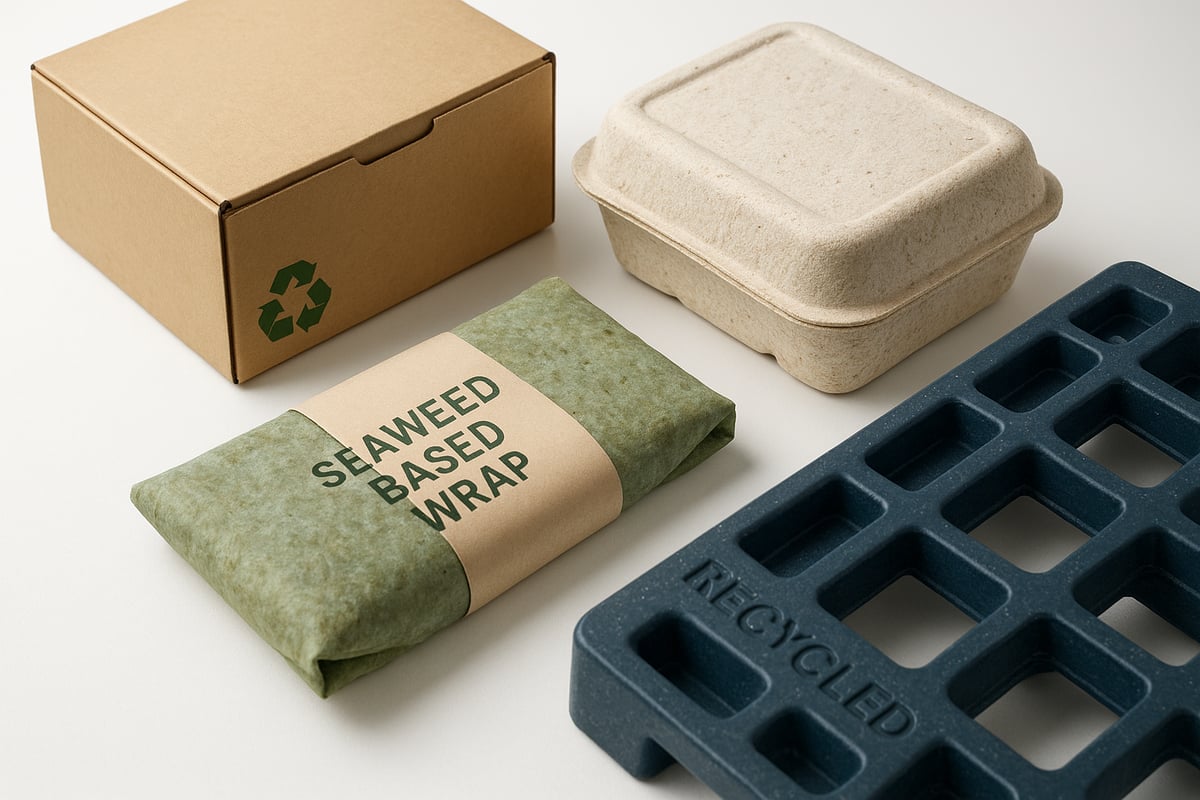
The landscape of custom packaging materials is rapidly evolving. Traditional choices like cardboard, corrugated fiberboard, and rigid boxes remain popular for their versatility and printability. Flexible plastics and hybrid materials are growing in use, offering lightweight strength and adaptability.
Innovations in 2025 introduce materials such as mushroom-based packaging and seaweed-derived films. These options provide biodegradable alternatives that meet both performance and sustainability goals. Brands also explore recycled plastics, with solutions like plastic pallets for packaging innovation supporting durability and eco-conscious objectives.
| Material Type | Pros | Cons |
|---|---|---|
| Cardboard/Corrugated | Cost-effective, recyclable, printable | Limited moisture resistance |
| Flexible Plastics | Lightweight, strong, customizable | Environmental concerns |
| Mushroom-based | Biodegradable, compostable | Higher cost, limited supply |
| Seaweed-based | Renewable, edible, compostable | Niche applications |
| Rigid Boxes | Premium look, protective | Bulkier, higher cost |
Choosing the right mix is essential for custom packaging success.
Sustainable Material Choices
Sustainability is a top priority for custom packaging in 2025. Companies are opting for materials with high recycled content and post-consumer waste. Certifications like FSC (Forest Stewardship Council), SFI (Sustainable Forestry Initiative), and compostability standards validate eco-friendly claims.
Examples of sustainable choices include:
- 100% recycled mailers for e-commerce
- Compostable boxes for food delivery
- Biodegradable wraps for retail
In fact, 80% of new packaging SKUs now feature recycled content. By prioritizing sustainable material choices, brands not only meet regulatory demands but also appeal to eco-conscious consumers.
Performance and Protection Considerations
Balancing sustainability with product protection is a core challenge in custom packaging. Material selection must consider durability, impact resistance, and tamper-evident features. For fragile or high-value items, custom inserts and cushioning are essential.
Many electronics brands use molded pulp inserts, which offer both protection and a lower environmental footprint. Tamper-evident seals and reinforced corners further ensure safety during transit. When evaluating performance, always test materials under real-world shipping conditions to guarantee the right level of protection.
Cost, Scalability, and Supply Chain Factors
Cost and scalability are major factors in custom packaging decisions. Material prices can fluctuate due to market dynamics, and sourcing sustainable options may involve higher upfront costs. Small businesses often face scalability challenges, while larger companies benefit from bulk purchasing and established supplier relationships.
Key considerations include:
- Material cost trends and availability
- Supplier lead times and reliability
- Minimum order quantities for custom solutions
Building strong partnerships with suppliers helps manage risks and ensures timely delivery, keeping your packaging strategy agile and cost-effective.
Printing, Finishing, and Branding Implications
The choice of materials directly influences print quality and branding potential for custom packaging. Some surfaces, like smooth rigid boxes, enable vibrant graphics and specialty finishes such as matte, gloss, spot UV, or foil stamping. Others, like recycled or textured substrates, may require specialized inks or finishing techniques.
Luxury brands often select specialty coatings to create a distinct tactile experience. It is important to test print samples on your chosen material to confirm color accuracy and finish. The right combination of materials and finishes turns packaging into a true brand asset, making a memorable impression on consumers.
Designing Impactful Custom Packaging: Strategies, Tools, and Best Practices
Creating impactful custom packaging in 2025 requires a blend of strategy, creativity, and technical know-how. Businesses must design packaging that not only protects products but also embodies their brand values and stands out in a crowded marketplace. Let’s break down the essential strategies and best practices for success.
Defining Your Brand and Packaging Goals
The foundation of any custom packaging project is a clear understanding of your brand identity and objectives. Start by asking: What core values should your packaging communicate? Do you want to increase brand awareness, reinforce sustainability, or boost perceived value?
Set measurable goals for your custom packaging, such as improving shelf presence or reducing environmental impact. For example, many beauty brands now focus on creating packaging that delivers both visual impact and eco-friendliness. Aligning your custom packaging with brand ethos ensures every box or pouch tells your story and meets customer expectations.
Structural Design and Functional Innovation
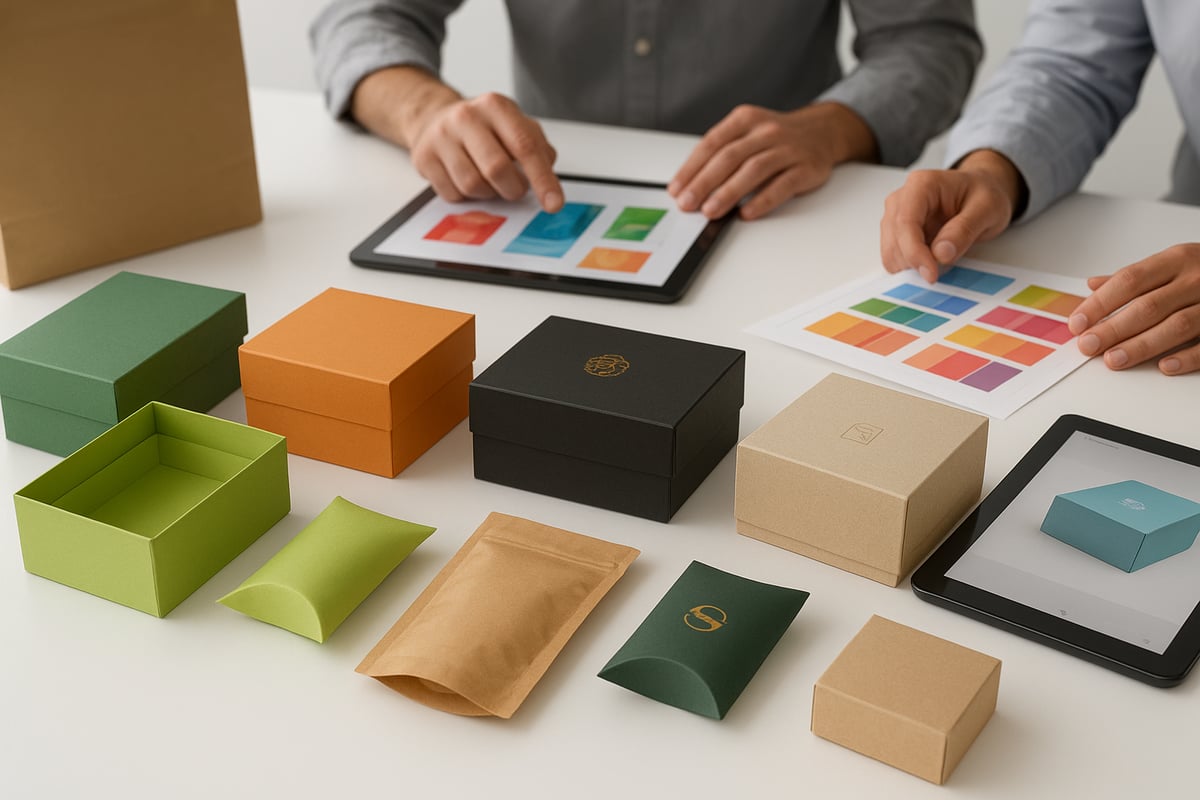
Structure plays a pivotal role in custom packaging. Options include mailer boxes, folding cartons, pouches, and unique closures. Each format offers distinct benefits: mailers protect, pouches save space, and custom shapes enhance recognition.
Innovative features like resealable zippers, product windows, or modular inserts add value. Food brands, for instance, use resealable pouches to maintain freshness and convenience. By exploring fresh formats and functional touches, your custom packaging can elevate the user experience and set your product apart.
Visual Design: Graphics, Typography, and Color Psychology
Visual elements are integral to custom packaging success. Bold graphics and compelling imagery catch the eye, while thoughtful typography reinforces your brand’s tone. Choose fonts that are legible and align with your messaging.
Color plays a psychological role, with 85% of shoppers saying it influences purchase decisions. Select palettes that evoke desired emotions and complement your branding. Consistency in graphics, fonts, and colors across all custom packaging reinforces brand recall and creates a cohesive experience on shelves and online.
Personalization and Variable Data Printing
Personalization is a top trend in custom packaging, enabled by digital printing technology. Brands can now create packaging with individual names, regional artwork, or seasonal designs—without large print runs. Variable data printing makes it possible to target campaigns or offer limited editions.
This approach not only delights customers but also boosts loyalty and engagement. To dive deeper into the latest trends, see Personalized Packaging Strategies for actionable insights on making your packaging truly unique and memorable.
Compliance and Accessibility in Design
Effective custom packaging must meet regulatory requirements and be accessible to all users. Ensure labels include ingredients, warnings, or legal disclaimers as required for your industry.
Design for accessibility by using clear fonts, tactile elements, or braille. Pharmaceutical brands, for example, often incorporate large print and tactile markers. Prioritizing compliance and accessibility in your custom packaging demonstrates responsibility and builds consumer trust.
Packaging Prototyping and Testing
Before full-scale production, prototype your custom packaging to validate fit, function, and aesthetics. Use 3D renders, physical samples, and virtual mockups to visualize the final product.
Testing is critical for durability, print accuracy, and user experience. Assess how your packaging stands up to shipping, handling, and real-world use. Iterative prototyping helps you catch issues early and ensures your custom packaging performs as intended.
Collaboration with Designers and Suppliers
Successful custom packaging relies on close collaboration between your team, designers, and suppliers. Develop clear briefs outlining objectives, brand guidelines, and technical requirements.
Work with packaging engineers and graphic designers to balance creativity with practicality. Open communication and strong partnerships can lead to innovative solutions and efficient production. Many brands thrive by fostering long-term relationships with trusted suppliers and creative partners.
The Custom Packaging Process: From Concept to Delivery
Navigating the custom packaging journey in 2025 means following a systematic process, from initial planning through to product delivery. Each step shapes the final customer experience and protects your brand investment.
Step 1: Needs Assessment and Budgeting
Begin by assessing your product’s specific needs. Consider dimensions, fragility, branding goals, and sustainability targets. A clear understanding of your objectives helps define the scope for custom packaging.
Set a realistic budget at this stage. Factor in design, material selection, production, and logistics. Allocating resources early prevents surprises and allows you to prioritize features that matter most for your custom packaging project.
Step 2: Sourcing and Supplier Selection
Identify suppliers experienced in custom packaging solutions. Look for partners offering material flexibility, competitive pricing, and sustainable options. Request detailed quotes and review samples to evaluate quality and fit for your brand.
Assess supplier certifications and compliance with industry standards. For guidance on best practices and regulatory considerations, consult resources like the Pallet FAQs for packaging compliance. Building strong supplier relationships at this stage streamlines the custom packaging process.
Step 3: Design and Prototyping
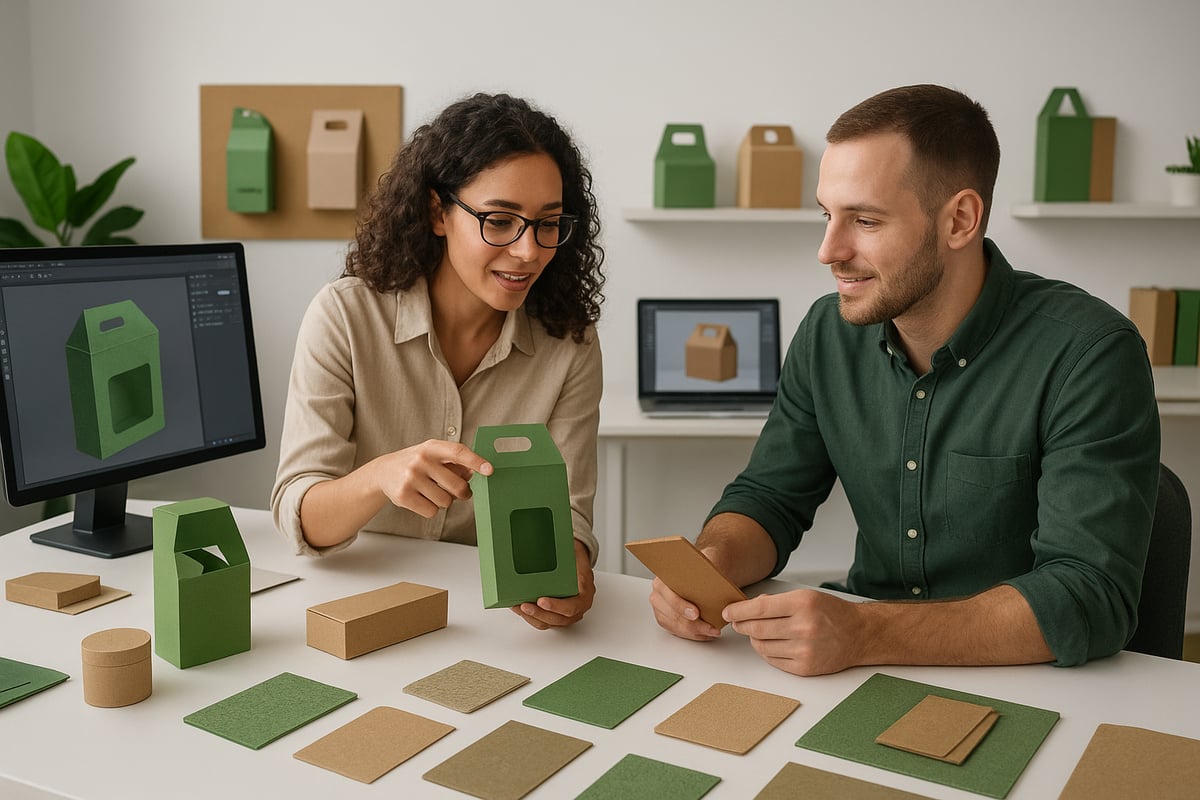
Work collaboratively with designers to translate your vision into functional custom packaging. Use digital tools for 3D renders or create physical mockups to visualize structure and branding.
Solicit feedback from stakeholders and iterate on design for optimal results. Prototyping ensures your custom packaging fits, functions, and represents your brand as intended before moving to production.
Step 4: Production and Quality Control
Once the design is finalized, production begins. Monitor lead times and minimum order quantities to align with your inventory needs. Quality control checkpoints are essential for color accuracy, print quality, and structural strength.
Inspect samples from production runs to catch inconsistencies early. Reliable quality control reduces risk and guarantees your custom packaging delivers a consistent brand experience to every customer.
Step 5: Logistics, Warehousing, and Fulfillment
Plan for efficient storage and shipping of custom packaging. Consider packaging size, stackability, and protective features to optimize warehouse space and minimize shipping costs.
Many e-commerce brands use just-in-time delivery models to reduce storage needs and adapt quickly to changing demand. Proper logistics planning keeps your custom packaging flowing smoothly from production to your customers’ hands.
Step 6: Launch and Feedback Collection
Coordinate your custom packaging launch with product rollouts for maximum impact. Collect feedback from customers and frontline teams to identify strengths and areas for improvement.
Analyzing this feedback enables continuous refinement of your custom packaging, helping you stay ahead of trends and evolving market expectations.
Future-Proofing Your Packaging: Technology, Compliance, and Market Adaptation
Staying ahead in the custom packaging landscape requires a proactive approach to technology, compliance, and market trends. As 2025 unfolds, brands must adapt quickly to seize opportunities and mitigate risks.
Embracing Digital Transformation
Digital transformation is revolutionizing custom packaging. Brands now integrate IoT sensors, blockchain for traceability, and automation to boost efficiency and transparency. Smart sensors help monitor freshness, especially in food packaging, while blockchain ensures product authenticity.
Technologies such as QR codes and NFC tags are elevating customer engagement, offering interactive experiences and traceable journeys. For a deep dive into these advancements, explore Smart Packaging Innovations. Leveraging these tools helps brands future-proof their custom packaging strategies, ensuring they remain competitive and relevant.
Preparing for Evolving Regulations and Standards
Global regulations around custom packaging are tightening. Staying updated on labeling, safety, and sustainability standards is essential to avoid costly penalties and shipment delays.
Adopting agile processes allows brands to pivot rapidly as new rules emerge. For example, implementing modular designs or flexible labeling systems helps businesses adapt packaging for different markets. Regular compliance audits and close supplier communication further ensure that custom packaging meets all legal requirements.
Sustainability as a Competitive Advantage
Sustainability is no longer optional for custom packaging. Leading brands are moving beyond compliance, adopting closed-loop systems and innovative materials to impress eco-conscious consumers.
Some companies implement reusable or compostable designs, while others partner with recycling programs for a circular approach. Highlighting certifications and transparency in sourcing gives brands a competitive edge. Consumers increasingly select products with sustainable packaging, making this focus a smart investment for future growth.
Leveraging Data and Analytics
Data-driven decisions are now central to custom packaging optimization. Brands use analytics from QR code scans, smart labels, and supply chain tracking to refine packaging strategies.
This data uncovers trends in consumer behavior, identifies inefficiencies, and enhances user experience. By integrating analytics into their workflows, companies can reduce costs, improve sustainability, and boost customer satisfaction, ensuring their custom packaging solutions evolve alongside market needs.
Continuous Innovation and Trend Monitoring
The custom packaging industry evolves rapidly, demanding continuous innovation. Brands that participate in industry forums, attend trade shows, and monitor competitor moves stay ahead of the curve.
Regularly reviewing consumer preferences and technological trends enables timely updates to packaging solutions. This commitment to learning and adaptation helps brands maintain relevance, meet emerging demands, and shape the future of custom packaging.
Industry-Specific Custom Packaging Solutions for 2025
Custom packaging is transforming industries in 2025, offering tailored solutions that address unique product, branding, and regulatory needs. Each sector leverages specialized approaches to maximize product protection, enhance consumer experience, and support sustainability goals.
E-commerce and Subscription Boxes
E-commerce and subscription brands prioritize custom packaging that balances protection and memorable unboxing. Monthly subscription services use themed boxes, personalized inserts, and branded tissue to create excitement with each delivery.
Durability is essential, as packages travel through complex logistics networks. Many brands optimize box sizes to reduce shipping costs and environmental impact. Variable data printing enables regional or seasonal customization, enhancing engagement.
Smart features, such as QR codes or augmented reality, are increasingly common for interactive experiences. In 2025, custom packaging is a key differentiator for online-first brands, driving loyalty and word-of-mouth.
Food and Beverage
Food and beverage companies require packaging that maintains freshness, safety, and regulatory compliance. Insulated mailers, tamper-evident seals, and compostable films are now standard.
Compliance with labeling laws ensures ingredient transparency and allergen warnings. Many brands opt for minimalistic custom packaging to reduce waste while still highlighting product quality.
Innovative designs, like resealable pouches or portion-controlled packs, address both convenience and sustainability. For food brands, custom packaging is central to both shelf appeal and consumer trust.
Cosmetics and Beauty
Cosmetics and beauty brands invest in visually striking custom packaging to convey luxury and eco-conscious values. Magnetic closures, soft-touch finishes, and refillable containers are popular choices.
Sample-sized products and limited edition designs boost trial and exclusivity. Brands often use custom packaging to reinforce brand identity and foster social media engagement.
Personalized touches, such as embossed logos or holographic accents, elevate the unboxing experience. This sector also explores 3D Printed Packaging Developments for rapid prototyping and unique shapes.
Retail and Apparel
Retail and apparel businesses embrace custom packaging that blends practicality with sustainability. Hanging displays, window boxes, and reusable tote bags are widely adopted.
A key trend is the shift to compostable poly mailers, especially for online orders. Some brands integrate sustainable wooden crates solutions for eco-friendly in-store displays or premium shipments.
Custom packaging in retail enhances brand recognition and supports eco-friendly initiatives, meeting consumer demand for responsible choices.
Electronics and Industrial Goods
Electronics and industrial sectors require robust custom packaging to ensure safe transit and product integrity. Protective inserts, anti-static bags, and bulk packaging are standard.
Brands increasingly use molded pulp and foam for cushioning sensitive devices. For large or heavy items, custom pallets for unique needs provide tailored support and efficient handling.
Track-and-trace labels and tamper-evident closures protect against theft and counterfeiting, making custom packaging vital for these high-value goods.
Health, Wellness, and Pharmaceuticals
Health, wellness, and pharmaceutical companies demand custom packaging that prioritizes safety and clarity. Child-resistant closures, tactile labeling, and clear dosage instructions are crucial features.
Accessible designs, such as braille labels or large print, ensure inclusivity. Custom packaging solutions help brands comply with evolving regulations and build consumer confidence.
For vitamin brands and over-the-counter products, information-rich packaging fosters trust and supports informed choices. In 2025, custom packaging in this sector is essential for product safety and brand credibility.
Measuring Success: KPIs and Continuous Improvement in Custom Packaging
Tracking the effectiveness of your custom packaging strategy is essential for long-term brand growth. By measuring the right metrics, you can identify strengths, address weaknesses, and optimize your approach for the future.
Key Performance Indicators for Packaging
To evaluate custom packaging success, start by tracking key performance indicators (KPIs) that align with your business goals.
Common packaging KPIs include:
- Customer satisfaction scores and unboxing experience ratings
- Brand recall and recognition rates
- Damage and return rates related to packaging quality
- Shipping cost efficiency
A simple KPI comparison table might look like this:
| KPI | Target Value | Current Value |
|---|---|---|
| Customer Satisfaction | 90%+ | 87% |
| Return Rate | <2% | 1.5% |
| Brand Recall | 80%+ | 78% |
Reviewing these metrics regularly ensures your custom packaging is delivering value and meeting expectations.
Environmental Impact Metrics
Sustainability is a top concern for modern custom packaging. Measuring environmental impact helps brands align with consumer values and regulatory demands.
Track metrics such as:
- Percentage of recycled content in packaging
- Total packaging waste generated per order
- Carbon footprint per shipment
Certifications like FSC or compostability standards can also be referenced in your reporting. For further guidance on sustainable packaging metrics, the Sustainable Packaging Coalition offers valuable resources.
Monitoring these metrics demonstrates commitment to eco-friendly practices and helps identify areas for improvement.
Cost and Operational Efficiency
Managing the costs and operations of custom packaging is crucial for profitability. Evaluate how your packaging spend compares to your overall product costs and ROI.
Consider tracking:
- Packaging spend as a percentage of total product cost
- Inventory turnover rates for packaging materials
- Supplier lead times and reliability
Improving operational efficiency can reduce waste, minimize delays, and increase your bottom line while keeping your custom packaging strategy agile.
Consumer Feedback and Market Response
Listening to your customers is key for continuous improvement in custom packaging. Collect feedback through:
- Post-purchase surveys and product reviews
- Social media monitoring for unboxing or packaging mentions
- Direct customer service interactions
Analyzing this feedback reveals trends in customer satisfaction and highlights opportunities to refine your packaging experience. Use these insights to make data-driven adjustments and enhance brand loyalty.
Iterative Improvement and Rebranding
Continuous improvement is vital in the evolving world of custom packaging. Schedule regular packaging audits to assess design, materials, and performance.
Stay open to rebranding or refreshing your packaging as market trends and consumer preferences shift. Benchmark against competitors and leverage new technologies or materials when appropriate.
By embracing an iterative approach, your brand will remain relevant and competitive in the dynamic packaging landscape.


