

In today’s fast-paced fabrication world, the horizontal bandsaw stands as an essential tool for precise metal cutting and reliable production. Selecting the right horizontal bandsaw is crucial as technology and industry needs rapidly evolve.
This expert guide is your trusted resource for choosing the best horizontal bandsaw in 2026. Our goal is to give you the knowledge and confidence to make a purchase that fits both your current and future requirements.
Inside, you will find insights on different bandsaw types, must-have features, the latest technology, application-specific advice, cost breakdowns, and practical maintenance tips.
Ready to make the smartest investment for your workshop? Read on and discover how to future-proof your operations with the ideal horizontal bandsaw.
Understanding Horizontal Bandsaws: Basics and Types
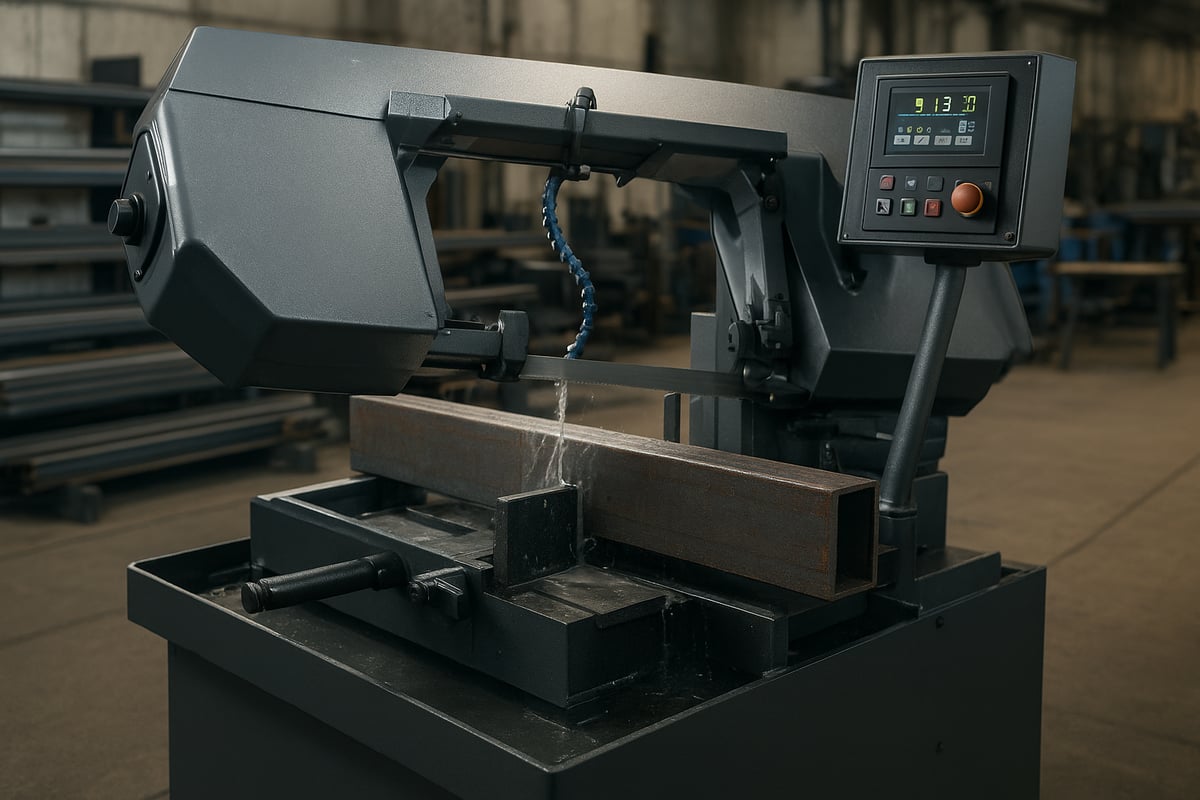
A horizontal bandsaw is a fundamental machine for modern metalworking and fabrication. Its primary function is to make precise, straight cuts in metal stock by guiding a continuous blade horizontally across the workpiece. Unlike vertical bandsaws, which hold the blade stationary and move the material, the horizontal bandsaw positions the blade parallel to the floor, allowing gravity and the machine's feed mechanism to control the cut.
This orientation provides a stable, controlled environment for cutting heavy or long materials. Vertical bandsaws excel at intricate shapes and curves, but the horizontal bandsaw is the go-to tool for efficient, repeatable straight cuts, especially when dealing with larger volumes or structural components.
Types of Horizontal Bandsaws: Manual, Semi-Automatic, and Automatic
There are three main types of horizontal bandsaw: manual, semi-automatic, and fully automatic. A manual horizontal bandsaw requires the operator to control both the blade and feed rate, making it ideal for low-volume, custom jobs. Semi-automatic models automate some functions, such as blade descent or material clamping, boosting productivity for small batch runs.
Fully automatic horizontal bandsaw systems handle the entire cutting cycle, from material feeding to clamping and cutting, with minimal operator input. These are preferred in high-volume manufacturing or fabrication environments. The horizontal bandsaw excels in delivering accurate, repeatable cuts across a range of metals, including steel, aluminum, and alloys.
Advantages and Industry Applications
One major advantage of the horizontal bandsaw is its ability to produce clean, precise cuts with minimal waste. The design ensures consistent blade tension and feed, which is critical for maintaining accuracy over long production runs. Industries like automotive, construction, and general manufacturing rely on the horizontal bandsaw for tasks such as cutting beams, tubes, and solid bars.
The horizontal bandsaw's robust construction and material versatility make it essential for projects ranging from structural fabrication to custom metalwork. Its adaptability allows it to handle both standard and specialty cutting requirements with ease.
Evolution, Popular Models, and Market Trends
Over the years, the horizontal bandsaw has evolved with significant advancements in blade technology, automation, and digital controls. Modern models often feature programmable settings, improved safety mechanisms, and energy-efficient motors. Notable examples include the JET HBS1220DC, known for its electronic variable speed, and the Baileigh BS-210M, valued for its geared head and mitering capability.
Demand for horizontal bandsaw machines continues to climb across global industries. According to recent data, the bandsaw machines market is projected to reach $3.4 billion by 2033, reflecting a 4.3% CAGR and highlighting the growing importance of these tools in industrial settings. For more insight into current market growth and future trends, see the Bandsaw Machines Market Forecast 2024-2033.
Key Features to Consider When Choosing a Horizontal Bandsaw in 2026
Selecting the ideal horizontal bandsaw in 2026 requires careful evaluation of several advanced features. The right combination ensures optimal performance, longevity, and safety for your metalworking or fabrication needs.
Essential Cutting Features
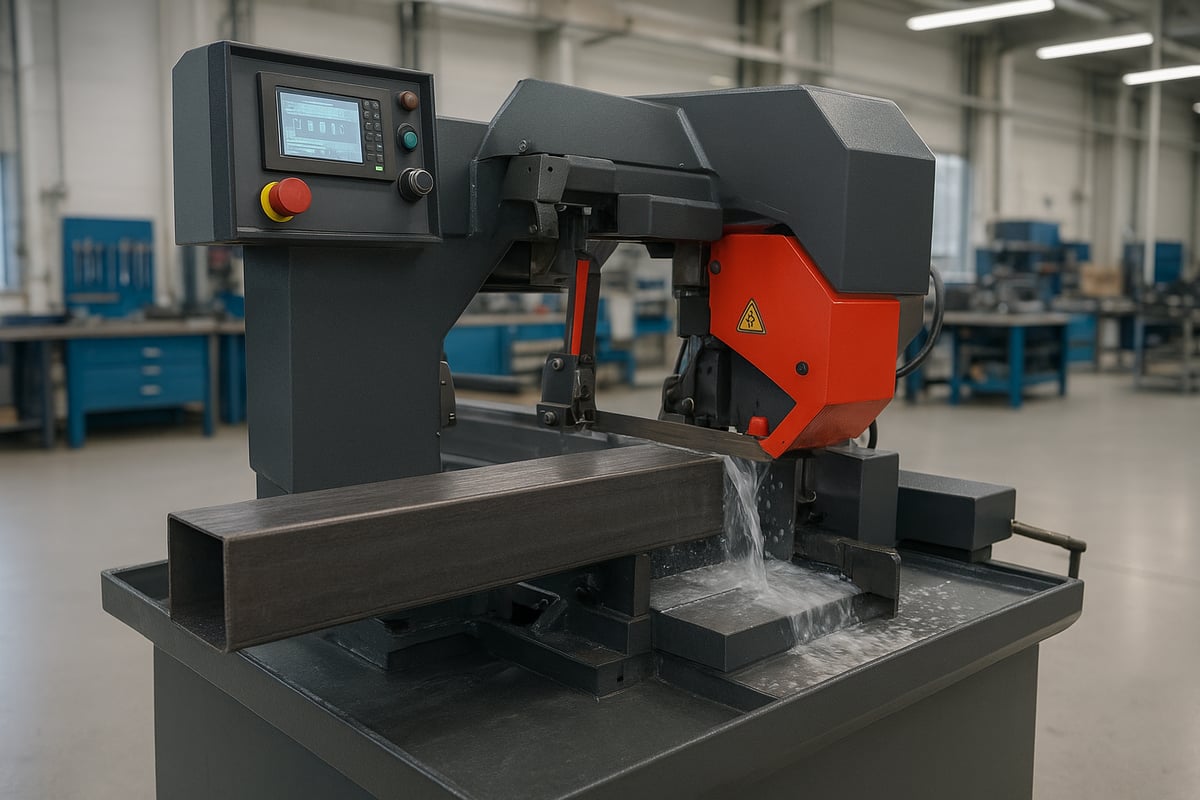
When evaluating a horizontal bandsaw, start with the core cutting specifications. Cutting capacity determines the maximum size and shape of material the saw can handle. Blade size, typically measured in length and width, affects both cut precision and the ability to process different materials.
Motor power is another key factor, directly influencing performance and speed. Higher horsepower allows for smoother cuts through tough metals, while lower power suits lighter workloads.
Frame construction, whether cast iron or steel, impacts the machine's durability. A rigid frame minimizes vibration, ensuring cleaner, more accurate cuts and longer tool life.
Feature Comparison Table
| Feature | Importance | Typical Range (2026) |
|---|---|---|
| Cutting Capacity | Determines project fit | 7–16 inches |
| Blade Size | Influences precision | 93–164 inches |
| Motor Power | Affects performance | 1.5–7.5 HP |
| Frame Material | Ensures stability | Cast iron, steel |
Variable Speed and Blade Technology
Variable speed controls are essential on a horizontal bandsaw for cutting a range of materials. Adjusting blade speed allows you to optimize for steel, aluminum, or plastics, preventing overheating and blade wear.
Advancements in blade technology, such as bi-metal and carbide-tipped blades, have expanded the horizontal bandsaw’s capabilities. These innovations yield faster, cleaner cuts and extend blade life, reducing downtime.
Modern machines often include digital speed readouts and preset material settings, making it easier for operators to achieve consistent results. Always match the blade type and speed to your specific application for maximum efficiency.
Coolant Systems and Safety Enhancements
A quality coolant system is vital for any horizontal bandsaw. Continuous coolant flow keeps the blade cool, flushes away debris, and improves both blade longevity and cut quality.
Safety features have become more sophisticated in recent years. Look for emergency stop buttons, blade guards, and automatic shutoff functions. These elements protect operators and reduce the risk of accidents.
For further guidance on comprehensive feature selection and safety, refer to this Choosing the Right Horizontal Bandsaw resource.
Key Safety Features:
- Emergency stop buttons
- Blade guards
- Automatic shutoff
- Interlocked doors
Ergonomics and User Experience
Operator comfort and ease of use are increasingly important in modern horizontal bandsaw design. Adjustable work tables accommodate various material sizes and operator heights, reducing fatigue.
User-friendly controls, such as intuitive buttons or touchscreen interfaces, streamline setup and operation. Well-placed handles and foot pedals can also enhance productivity and safety.
Some horizontal bandsaw models offer LED lighting, clear sightlines, and easy-access maintenance points, further improving the daily user experience.
Energy Efficiency and Sustainability
Energy efficiency is a growing priority for fabrication shops. New generations of horizontal bandsaw machines integrate high-efficiency motors, variable frequency drives, and automatic power-down modes.
Sustainable design also includes eco-friendly coolant systems and recyclable materials in construction. These improvements help lower operating costs and support environmental goals.
Standout Competitor Features
In 2026, leading brands continue to raise the bar for horizontal bandsaw innovation. JET’s electronic variable speed control allows precise tuning for every material, while Baileigh’s geared head design enhances torque and cutting consistency.
Other models incorporate IoT connectivity and real-time diagnostics, streamlining maintenance and maximizing uptime. When comparing options, review each model’s unique features and select those that align with your workflow and production needs.
A well-chosen horizontal bandsaw, equipped with these advanced features, will deliver reliable performance, superior safety, and long-term value in your operation.
Matching Bandsaw Selection to Application and Material
Selecting the right horizontal bandsaw for your application is critical to achieving precise, efficient, and cost-effective results. Every shop has unique cutting needs, so understanding how to match your machine to your materials and production requirements is a cornerstone of smart equipment investment.
Evaluating Cutting Needs and Production Volume
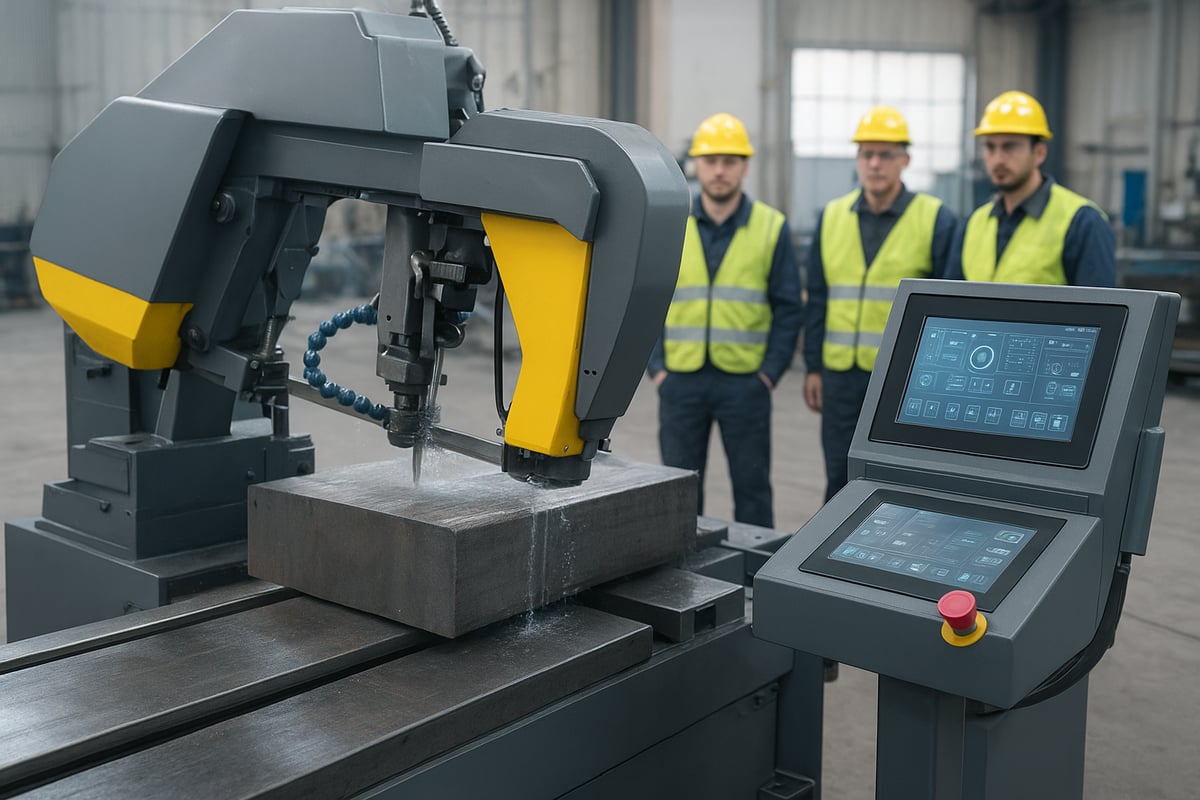
Start by assessing what you cut most often. Consider material type—are you working primarily with steel, aluminum, or plastics? Factor in dimensions, such as maximum width and thickness, and estimate both current and projected production volumes. For high-throughput shops, a horizontal bandsaw with automatic feeding and advanced controls will help maintain pace and accuracy.
Determining Cutting Capacity and Future-Proofing
Cutting capacity is more than just the maximum size a machine can handle. Ask yourself: will your projects grow in scale, or diversify in material? Opt for a horizontal bandsaw with a slightly larger capacity than your current needs to avoid bottlenecks as your business evolves. Review manufacturer datasheets for cutting envelope dimensions and ensure the machine can process both your smallest and largest workpieces.
Blade Selection: Material Compatibility and Performance
Blade choice dramatically impacts performance. Match blade tooth pitch, width, and material to the workpiece. Finer tooth blades excel with thin-walled tubing or soft metals, while coarse, robust blades are best for thick steel. Trends in blade technology, such as new alloy compositions or tooth geometries, have a real effect on efficiency and finish. For a deeper look at how blade advancements are shaping the industry, see the Bandsaw Blade Market Analysis 2026-2035, which highlights developments relevant to horizontal bandsaw users.
Cutting Techniques: Miter, Bundle, and Irregular Shapes
Modern horizontal bandsaws often support miter cutting, allowing angled cuts for frames, rails, or custom fabrication. If you frequently cut multiple pieces at once, look for models with bundle cutting capabilities and adjustable clamping pressure. For irregular shapes, versatile vise designs and flexible guide arms are essential to maintain safety and cut quality.
Vise Types and Secure Clamping
Secure clamping is a non-negotiable for accurate, repeatable cuts. Horizontal bandsaws offer a range of vise types:
- Quick-release vises for fast part changes in low-volume settings
- Hydraulic vises for high-volume or automated shops, providing consistent pressure
- Swivel vises for miter and compound cuts
Choose a vise type that matches your workflow and material variety. Inconsistent clamping can lead to vibration, blade wear, and inaccurate results.
Multi-Purpose Bandsaws for Diverse Shops
Shops handling a wide range of materials should consider multi-purpose horizontal bandsaws. These models offer variable speed controls, interchangeable blade guides, and robust frame construction to accommodate steel, aluminum, and plastics without compromise. Flexibility in one machine can minimize downtime and maximize productivity.
Real-World Application Examples
Consider a fabrication shop regularly cutting steel beams. Here, a heavy-duty horizontal bandsaw with a large cutting capacity, hydraulic vise, and coolant system is essential for throughput and blade life. In contrast, a machine shop cutting small aluminum parts benefits from a compact model with precise variable speed control and quick-release vises.
Comparing Cutting Accuracy and Throughput
Industry data reveals that high-end horizontal bandsaws can achieve tolerances within ±0.1 mm and process up to 30% more material per hour than entry-level models. When comparing machines, ask vendors for statistics on cutting accuracy and throughput relevant to your materials.
Summary
Matching your horizontal bandsaw selection to your specific application and materials ensures you get maximum value, performance, and longevity from your investment. By carefully evaluating your needs, considering future growth, and aligning machine features with your workflow, you can confidently choose a bandsaw that will serve your shop well into 2026.
Cost Analysis and Budgeting for Horizontal Bandsaws
Selecting the right horizontal bandsaw requires more than just comparing sticker prices. To make a sound investment, you need a clear understanding of the total cost of ownership. This includes not just the initial purchase price, but also installation, operation, routine maintenance, and energy use. Factoring in these elements ensures your horizontal bandsaw remains a productive asset without straining your budget.
Understanding Total Cost of Ownership
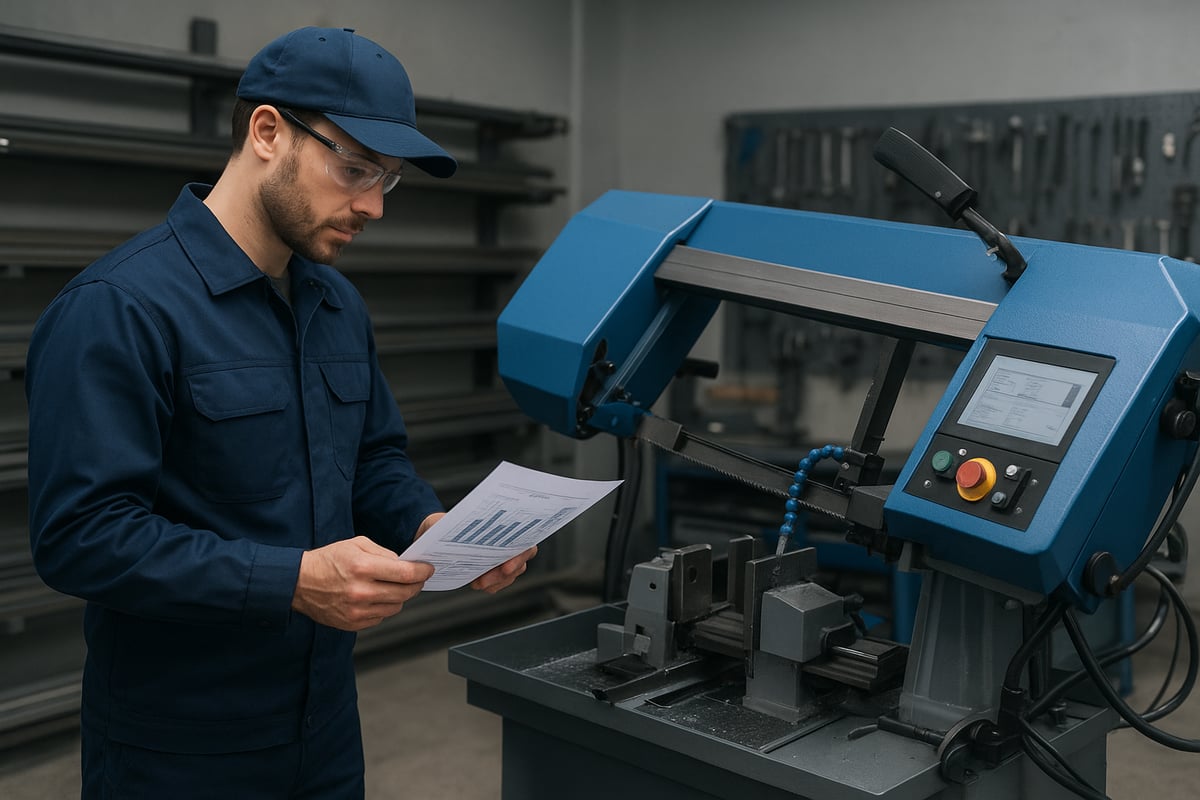
When evaluating a horizontal bandsaw, consider the broader financial picture. The purchase price is only the beginning. You should also account for delivery, setup, and potential upgrades. Energy-efficient models may have a higher upfront cost, but they often reduce utility expenses over time. Maintenance, such as blade changes and coolant replenishment, adds up if not planned for.
To help visualize, here is a summary table of typical cost factors:
| Cost Factor | Manual Bandsaw | Semi-Auto Bandsaw | Automatic Bandsaw |
|---|---|---|---|
| Purchase Price | $2,000–$6,000 | $7,000–$15,000 | $18,000–$40,000 |
| Installation | Low | Moderate | High |
| Operation Cost | Low | Medium | High |
| Maintenance | Basic | Moderate | Advanced |
By focusing on the complete life cycle, you can avoid surprises and plan for a horizontal bandsaw that fits your financial and operational goals.
Comparing Bandsaw Types and Price Ranges
The type of horizontal bandsaw you select will directly affect your budget. Manual bandsaws are the most affordable, ideal for shops with low to moderate volume and skilled operators. Semi-automatic models cost more but offer improved productivity and ease of use, making them suitable for small batch production. Fully automatic bandsaws require the largest investment but excel in high-volume, repetitive tasks.
Financing options are often available from equipment dealers, which can help spread the cost over time. When comparing models, look for warranties and service packages that provide long-term value. Remember, a lower-cost machine with limited support may end up costing more in the long run due to unexpected downtime.
Budgeting for Accessories and Ongoing Expenses
Beyond the machine itself, budgeting for essential accessories is key to maximizing your horizontal bandsaw’s performance. Blades, coolant systems, and material handling equipment each contribute to operational efficiency. Investing in high-quality blades can extend cutting life and reduce replacement frequency.
Do not overlook the costs of routine maintenance supplies or spare parts. Easy access to replacement parts and responsive technical support can minimize downtime and keep your horizontal bandsaw running smoothly. Shop owners in industries such as pallet fabrication, for instance, often plan for additional expenses by reviewing Technological Innovations in Bandsaw Design, which can highlight cost-saving features and durability improvements.
Maximizing ROI and Smart Purchasing Strategies
A well-chosen horizontal bandsaw delivers measurable returns by increasing throughput and reducing labor costs. To estimate your return on investment, calculate expected productivity gains and factor in energy savings from modern, efficient models. Many manufacturers now provide data on typical payback periods, which can range from 12 to 36 months depending on usage and application.
To get the most value, balance your upfront investment against long-term needs. Prioritize features that directly impact your workflow, such as programmable controls or advanced safety systems. By aligning your budget with your operational requirements, you ensure your horizontal bandsaw remains a reliable, cost-effective solution for years to come.
Maintenance, Safety, and Longevity: Ensuring Maximum Value
Proper maintenance is the cornerstone of maximizing any horizontal bandsaw’s value and performance. By dedicating time to routine care, you ensure consistent results, reduce unexpected downtime, and protect your investment for years to come.
Routine Maintenance for Maximum Performance
A horizontal bandsaw requires regular upkeep to operate at its peak. Key tasks include:
- Blade changes: Replace blades when dull or damaged to maintain cut quality.
- Lubrication: Apply lubricant to moving parts and the blade guide to reduce wear.
- Cleaning: Remove chips and debris from the machine after each use.
- Alignment checks: Ensure guides, blade tension, and bed are set correctly.
Use the table below as a quick reference for essential maintenance intervals.
| Task | Frequency | Benefit |
|---|---|---|
| Blade Change | As needed | Maintains accuracy |
| Lubrication | Weekly | Reduces friction |
| Cleaning | After each use | Prevents buildup |
| Alignment Check | Monthly | Ensures straight cuts |
Following Pallet Tips for Fabrication can help you adopt best practices that extend beyond just blade care, emphasizing a holistic approach to machine longevity and material handling.
Safety Protocols and Operator Training
Safety is non-negotiable when working with a horizontal bandsaw. Operators must use appropriate PPE, such as safety goggles, gloves, and ear protection. Machine guarding is mandatory to shield users from moving blades and pinch points.
Regular training sessions reinforce safe operation and emergency procedures. Emergency stops, blade guards, and automatic shutoff features should always be functional. Daily safety checklists can help catch issues before they become hazards.
Troubleshooting and Reducing Downtime
Even with diligent care, issues can arise. Common problems include blade drift, excessive vibration, or uneven cuts. Regular inspections help detect wear in bearings, drive belts, or hydraulic systems early. Refer to competitor manuals and support resources for troubleshooting guidance specific to your horizontal bandsaw model.
Predictive maintenance features, now common in 2026 bandsaws, provide real-time alerts for impending issues. This technology can significantly reduce downtime and repair costs by allowing proactive intervention.
Longevity Tips for Lasting Value
To maximize the lifespan of your horizontal bandsaw, prioritize preventive maintenance. Keep detailed logs of service tasks and inspections. Replace worn parts promptly and use only manufacturer-approved components.
Maintain cutting accuracy by routinely calibrating guides and checking blade tension. Investing in proper training and quality consumables pays dividends in both safety and productivity.
A well-maintained horizontal bandsaw delivers reliable, precise results year after year. With regular care and attention to safety, your equipment will remain a valuable asset in your fabrication shop.
Step-by-Step Process: How to Choose the Right Horizontal Bandsaw in 2026
Selecting the right horizontal bandsaw for your operation in 2026 requires a systematic, informed approach. With a wide array of options and evolving technologies, making the correct choice impacts your productivity, cost efficiency, and long-term satisfaction. This step-by-step guide is designed to ensure you consider every critical factor before making your investment.
Step 1: Assess Your Cutting Needs
Begin by identifying your primary materials, dimensions, and typical job requirements. Are you cutting steel beams, aluminum parts, or a mix of metals and plastics? Consider production volume, cut length, and frequency. This clarity will narrow your horizontal bandsaw options and set the foundation for all following decisions.
If your work involves custom fabrication or pallet design, reviewing Pallet Design Essentials can help you better understand how material types and design needs influence your saw selection.
Step 2: Evaluate Capacity, Space, and Power
Next, determine the minimum and maximum cutting capacities needed for your projects. Match these to the horizontal bandsaw models you are considering. Assess your shop’s available floor space. Will a stationary or portable model fit your workflow best? Check your power supply, noting if the saw requires single-phase or three-phase electricity.
Efficient workflow integration is essential. For example, examining Pallet Configuration Tips can provide insights into optimizing equipment placement and setup to streamline operations.
Step 3: Research, Compare, and Analyze
Dive into the features and technologies available in 2026. Compare manual, semi-automatic, and fully automatic horizontal bandsaw types. Review cutting speed options, blade compatibility, and digital controls. Examine safety systems and ergonomic enhancements that ease daily operations.
Use tables or side-by-side comparisons to weigh the pros and cons of each model. Factor in purchase price, installation costs, and long-term operational expenses. Remember, the most advanced horizontal bandsaw may not always be the best fit for your specific needs.
Step 4: Maintenance, Support, and Final Decision
Evaluate maintenance requirements for each shortlisted model. Consider ease of blade changes, lubrication points, and access for cleaning. Research available service support, warranty terms, and the availability of spare parts.
Contact vendors to request demonstrations or trials. Ask for references from similar industries. Review user manuals and support resources to confirm you can maintain the horizontal bandsaw efficiently over its lifespan.
Checklist and Questions for Suppliers
Before finalizing your purchase, use this checklist and ask suppliers the following:
- Can the horizontal bandsaw handle all required material types and sizes?
- What safety features are included?
- How easy is it to integrate into existing workflows?
- Are training and after-sales support available?
- What are the long-term maintenance costs?
- Are there any red flags, such as limited warranty or unavailable spare parts?
Summary: Making a Confident Choice
By following this step-by-step process, you will confidently select a horizontal bandsaw that aligns with your current needs and future growth. A thorough evaluation ensures your investment delivers maximum value, safety, and productivity for years to come.


