
Global shipping standards are changing quickly, and export pallets are at the heart of this transformation. Is your business ready for the demands of 2025? This essential guide will give you the latest tips and actionable insights for selecting and handling export pallets that keep your shipments compliant, efficient, and secure. Discover the best pallet types, compliance rules, material options, sizing standards, and sustainability trends to streamline your international logistics. Get ready to optimize your export strategy for global success in the year ahead.
Understanding Export Pallets and Their Role in Global Shipping
Selecting the right export pallets is vital for any business involved in international shipping. These platforms are more than just wooden bases; they are engineered to streamline logistics, ensure compliance, and safeguard goods as they cross borders.
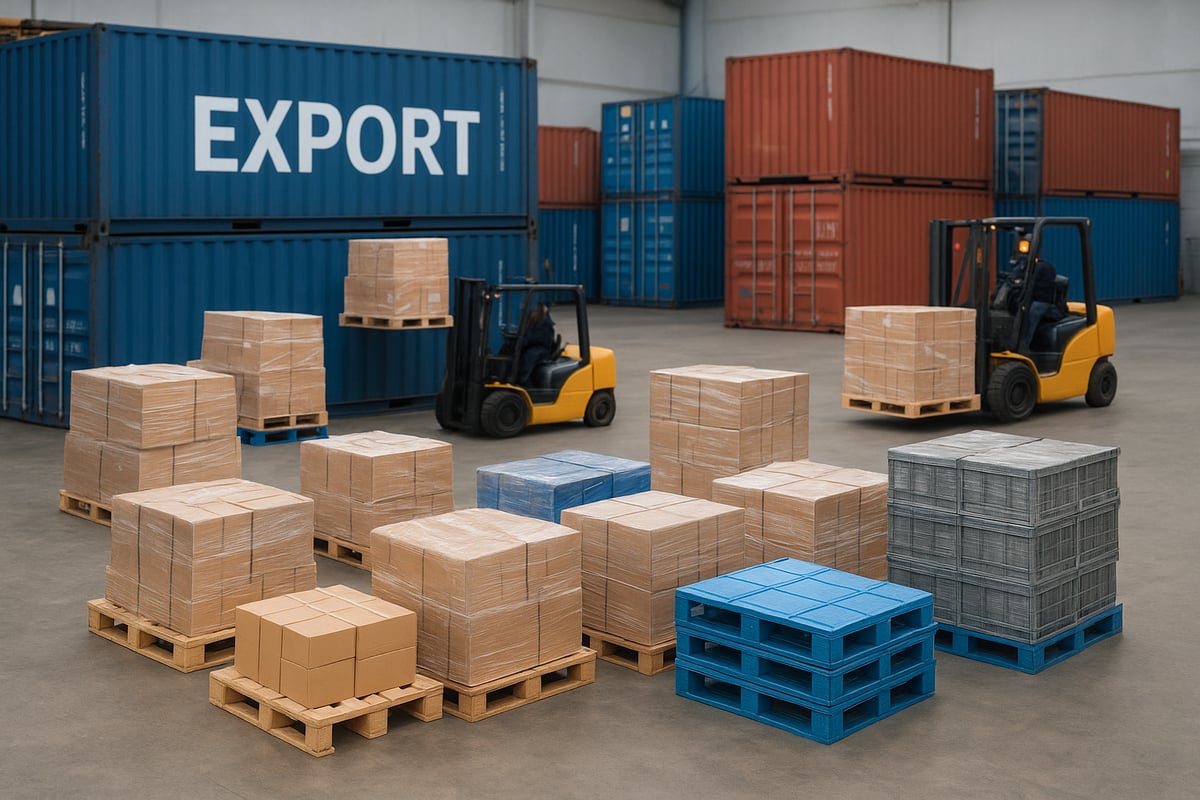
What Are Export Pallets?
Export pallets are standardized platforms designed to support and transport goods efficiently across international supply chains. Unlike domestic pallets, export pallets must meet strict global regulations and are built for durability and compliance. Their primary role is to facilitate safe handling, storage, and movement of cargo in demanding export environments.
Industries such as food, pharmaceuticals, and automotive manufacturing rely heavily on export pallets. For example, pharmaceutical shipments require pallets that can maintain hygiene and withstand international inspections. Choosing the correct export pallets helps businesses prevent costly delays and ensures smooth customs clearance.
Key Functions in Global Logistics
Export pallets play several critical roles in global logistics. They enable efficient cargo handling for loading, unloading, and storage, reducing manual labor and speeding up operations. These pallets are compatible with multiple transportation modes, including sea, air, rail, and truck, making them versatile tools for global trade.
Standardized export pallets also simplify containerization and stacking, which minimizes wasted space and maximizes payload. By providing a stable base, export pallets reduce product damage and loss during transit. In one case study, companies that adopted standardized export pallets saw a significant reduction in shipping times and product loss.
Types of Export Pallets: Materials and Designs
Export pallets come in a variety of materials and designs to suit different shipment needs. The most common materials are wood, plastic, metal, and composite. Each offers unique benefits and drawbacks:
| Material | Pros | Cons |
|---|---|---|
| Wood | Affordable, strong | Requires ISPM-15 treatment, can harbor pests |
| Plastic | Lightweight, hygienic, ISPM-15 exempt | Higher initial cost |
| Metal | Extremely durable, reusable | Heavy, expensive |
| Composite | Resistant to moisture, customizable | Limited recycling options |
Plastic pallets are especially popular for air freight due to their lightweight and hygienic properties. For a deeper dive into their advantages and options, see the Plastic Export Pallets Buying Guide. Notably, plastic pallets are exempt from ISPM-15 treatment, making them ideal for hassle-free exports.
Export Pallet Sizing and Standards
Sourcing the correct size of export pallets is crucial for efficient international shipping. The most common global sizes include 1200x1000mm (Europe), 48x40in (US), and various ISO-standard footprints. Matching pallet size to the destination country’s requirements ensures optimal use of container space and compliance with local regulations.
Proper sizing boosts container fill efficiency and reduces shipping costs by minimizing empty space. For example, exporting goods to Europe typically requires 1200x1000mm pallets, while the US market uses 48x40in. According to Cabka, ISO pallet footprints are recognized in over 80 countries, making them a smart choice for businesses targeting multiple markets.
Export Pallet Compliance: Regulations and Certifications for 2025
Navigating export pallets compliance is critical for seamless global shipping in 2025. From phytosanitary rules to sustainability certifications, understanding these requirements helps businesses avoid costly delays and border rejections.

ISPM-15 and Phytosanitary Requirements
ISPM-15 is the international standard regulating the treatment of wood used in export pallets. It mandates heat treatment or fumigation to prevent the spread of pests and diseases. Export pallets made from untreated wood risk being rejected at borders, causing delays.
Many countries, including the US, EU, Australia, and China, enforce ISPM-15. Compliant pallets must display the official ISPM-15 stamp as proof of treatment. Plastic export pallets are exempt from these requirements, reducing compliance burdens.
For a comprehensive overview of ISPM-15 and how recycled plastic pallets can help avoid shipping issues, see ISPM-15 Compliance for Export Pallets.
Export Pallet Hygiene and Safety Standards
Hygiene and safety are top priorities for export pallets in industries like food and pharmaceuticals. Regulatory bodies such as the FDA and EU require pallets to be clean and free from contaminants that could compromise product safety.
Wooden pallets may harbor bacteria or mold, increasing the risk of contamination. In contrast, plastic export pallets are favored for their smooth, non-porous surfaces, which are easier to sanitize and do not absorb moisture.
Using hygienic export pallets minimizes the risk of rejected shipments and ensures compliance with international safety standards.
Environmental and Sustainability Certifications
Sustainability is now a key consideration in the selection of export pallets. Certifications like ISO, FSC, and PEFC indicate responsible sourcing and manufacturing practices. Many buyers also seek pallets that are recyclable or made from recycled materials.
Plastic export pallets are 100% recyclable, supporting circular economy initiatives. Some manufacturers produce pallets from recycled plastics, further reducing environmental impact.
Choosing certified, sustainable export pallets not only meets regulatory demands but also aligns with corporate responsibility goals.
Tracking and Traceability Technologies
Advanced tracking technologies are transforming how export pallets are managed across global supply chains. RFID tags, barcodes, and IoT sensors enable real-time monitoring of pallet location and condition.
These technologies enhance transparency, security, and compliance with customs programs like CTPAT and AEO. Export pallets with tracking features help businesses prevent loss, streamline customs clearance, and maintain accurate records.
Adopting traceable export pallets supports data-driven logistics and ensures readiness for future regulations.
Choosing the Right Export Pallet: A Step-by-Step Guide
Optimizing your export pallets for global shipping in 2025 requires a systematic approach. Every step, from assessing your load to choosing a reliable supplier, impacts efficiency, compliance, and cost. Follow this step-by-step guide to make informed choices that align with the latest logistics demands.
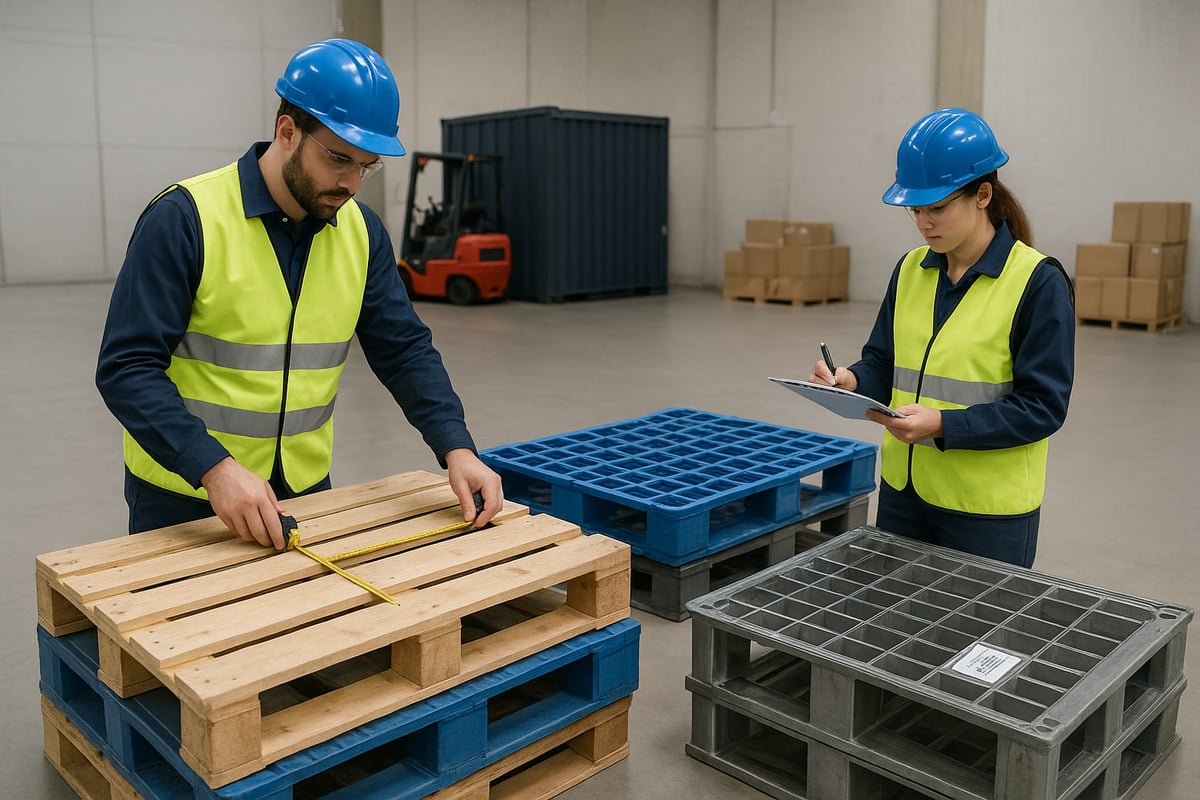
Step 1: Assessing Load Requirements and Product Type
Begin your selection process by evaluating what your export pallets need to carry. Consider the static load (weight when stationary), dynamic load (weight during movement), and racking load (weight when stored on racks). These factors determine the required pallet strength.
Account for the nature of your products. Are they fragile, perishable, or hazardous? Export pallets for machinery exports, for instance, must handle heavy, stable loads. In contrast, pharmaceuticals demand pallets that maintain cleanliness and prevent contamination.
List of considerations:
- Product weight and dimensions
- Fragility or perishability
- Special handling needs (e.g., hazardous materials)
Choosing export pallets that align with your cargo’s unique requirements is the foundation for safe and efficient shipping.
Step 2: Selecting Pallet Material and Design
Once you know your load requirements, compare available materials. Export pallets come in wood, plastic, metal, and composite options. Each has distinct advantages. Wood offers affordability and strength, but may require extra treatment. Plastic is lightweight, durable, and exempt from many regulations. Metal and composite are best for specialized, high-value shipments.
Decide between one-way or multi-trip pallets based on your shipping model. Nestable and stackable designs can save valuable space, especially in air freight. When your shipment has unique size or compliance needs, explore custom pallet solutions for international shipping to ensure the best fit.
Key design choices:
- Material (wood, plastic, metal, composite)
- One-way vs. multi-trip use
- Nestable vs. stackable for space optimization
Selecting the right material and design ensures your export pallets meet both operational and regulatory demands.
Step 3: Ensuring Regulatory Compliance
Compliance is non-negotiable when choosing export pallets. Check ISPM-15 and other phytosanitary rules for your destination country, especially if using wooden pallets. Confirm that pallets meet hygiene and safety standards required for food, pharmaceuticals, or hazardous products.
Review all labeling and documentation requirements. For example, exports to the EU, US, and Asia may each have specific markings or paperwork. Non-compliance can result in costly border delays or shipment rejection.
Checklist for compliance:
- ISPM-15 certification (if wood)
- Cleanliness and hygiene standards
- Accurate labeling and export documentation
Staying updated on regulations ensures your export pallets clear customs smoothly and avoid unexpected setbacks.
Step 4: Matching Pallet Size and Footprint to Shipping Mode
Shipping efficiency starts with matching pallet size to transportation mode and destination. Standard sizes like 1200x1000mm for Europe or 1219x1016mm for the US optimize container fill and reduce shipping costs. Using the correct export pallets for each market prevents wasted space and helps maximize load capacity.
Consider compatibility with sea containers, air cargo holds, and regional trucking standards. A mismatch in size can lead to inefficiencies or even rejected shipments.
Key sizing factors:
- Destination country requirements
- Container and truck compatibility
- Maximizing fill rates to cut costs
Carefully sized export pallets streamline logistics and keep your shipments on schedule.
Step 5: Considering Sustainability and Lifecycle Costs
Sustainability is now central in global logistics. Choose export pallets with a focus on reusability, recyclability, and minimal environmental impact. Evaluate the total cost of ownership, including purchase price, maintenance, and disposal.
Recycled plastic pallets, for example, offer a circular solution with low carbon footprint. Consider the lifespan and end-of-life options for each pallet type. Green logistics not only supports the environment but can also reduce long-term costs.
Sustainability checklist:
- Recyclable or reusable materials
- Supplier participation in circular economy programs
- Total lifecycle cost analysis
Investing in sustainable export pallets aligns your business with future-ready supply chains.
Step 6: Sourcing Reliable Export Pallet Suppliers
The final step is selecting a trustworthy supplier. Look for certifications such as ISO or ISPM-15, and assess the supplier’s track record in international markets. Decide if local or global sourcing best suits your timeline and shipment volume.
Evaluate lead times, bulk pricing, and options for customization. A supplier with ISO-certified manufacturing and a global distribution network can offer more consistent quality and reliable delivery.
Supplier selection tips:
- Certifications and compliance credentials
- Product range and customization capabilities
- Reputation for timely delivery and support
Building a relationship with a reputable supplier ensures your export pallets are always ready for the demands of global trade.
Material Comparison: Wood vs. Plastic vs. Alternative Export Pallets
Selecting the right material for export pallets is essential for efficient, compliant, and cost-effective global shipping. Each pallet type offers unique advantages and challenges, impacting logistics, sustainability, and regulatory requirements. Below, we compare the most common export pallet materials to help you make informed decisions for your international operations.

Wooden Export Pallets
Wooden export pallets are the traditional choice for global shipping, valued for their strength, affordability, and ability to support heavy loads up to 2,500 lbs (Pallet Company Pro). Businesses appreciate their custom sizing options and widespread availability, making them suitable for industries like construction and heavy machinery exports.
However, wood pallets require strict compliance with ISPM-15 regulations to prevent pest transmission. This means heat treatment, fumigation, and proper marking are mandatory for international shipments. Non-compliance can result in costly border delays or rejections. For reliable solutions, Export-Ready Heat-Treated Pallets ensure your shipments meet ISPM-15 standards.
The main drawbacks include the risk of splinters, potential pest infestation, and lower hygiene compared to other options. Despite these challenges, wooden export pallets remain a top choice for many due to their balance of cost and performance.
Plastic Export Pallets
Plastic export pallets are gaining ground for international shipping, especially where hygiene and regulatory compliance are priorities. They are lightweight, durable, and exempt from ISPM-15, making them ideal for food, pharmaceutical, and air freight applications.
These pallets can handle loads up to 4,000 lbs (Pallet Company Pro) and are easy to clean, reducing the risk of contamination. Their nestable design saves valuable storage and transport space. However, plastic export pallets often come with higher upfront costs and may not always be eligible for buy-back programs in every market.
Their durability and consistent dimensions make them suitable for automated handling and high-volume export operations. For businesses seeking reliable performance and regulatory simplicity, plastic export pallets are an excellent option.
Metal and Composite Pallets
Metal and composite export pallets offer unmatched durability and reusability, withstanding harsh environments and heavy-duty cycles. Aluminum and steel pallets are fire-resistant and can be used repeatedly in closed-loop logistics, such as aerospace or specialized industrial exports.
The primary disadvantages are their higher cost and weight, which can increase shipping expenses. Application is generally limited to sectors requiring maximum strength and minimal risk of contamination. Composite pallets, often made from a blend of recycled materials, provide a balance between strength and weight, but their adoption is still growing.
While not the go-to for all export pallets needs, metal and composite options are invaluable for specialized shipments demanding robust performance and safety.
Sustainability and End-of-Life Considerations
Sustainability now plays a pivotal role in export pallets selection for 2025. Plastic and metal pallets are fully recyclable, contributing to circular economy goals and reducing landfill waste. Wooden export pallets can often be recycled or repurposed, and many suppliers offer buy-back programs to extend their lifecycle.
The carbon footprint varies by material, with lightweight plastic export pallets lowering emissions during air freight and transport. Choosing 100% recyclable pallets supports corporate sustainability initiatives and helps meet global environmental standards.
Ultimately, considering end-of-life options and lifecycle costs ensures your export pallets not only meet logistical needs but also align with your sustainability goals for global operations.
Export Pallet Handling, Preparation, and Best Practices
Efficient handling and preparation of export pallets are critical for successful international shipments. Proper practices protect your cargo, ensure compliance, and prevent costly delays. Let’s explore how to prepare, palletize, store, and avoid common pitfalls with export pallets.
Preparing Pallets for Export
Before shipping, inspect export pallets thoroughly for any damage, dirt, or missing compliance marks. Only use pallets that meet international standards and are free from visible defects.
- Check for cracks, splinters, or protruding nails.
- Confirm cleanliness, especially for food or pharmaceutical goods.
- Verify ISPM-15 or other relevant markings are present and clear.
Proper stacking and securing of goods is essential. Use stretch wrap, straps, and corner protectors to stabilize loads, and always avoid overhang to minimize risk of cargo damage. For more detailed advice, review these Pallet Handling Tips for Export to optimize every step of your process.
Palletizing Techniques for Maximum Efficiency
How you stack and secure products on export pallets directly affects shipment safety and efficiency. Use the right palletizing technique for your cargo:
- Column stacking: maximizes vertical strength for uniform boxes.
- Interlocking stacking: enhances stability for mixed-size items.
- Distribute weight evenly to maintain balance.
Ensure forklift and pallet jack access on all sides. Proper palletizing reduces product loss, as seen in case studies where correct techniques lower damage rates and speed up handling during transit.
Storage and Transportation Considerations
Effective storage of export pallets in the warehouse boosts logistics efficiency. Choose between racking systems for better organization or floor stacking for quick access.
- Use stackable export pallets to maximize vertical space.
- Confirm compatibility with automation and conveyor systems.
- Train staff on correct loading and unloading using forklifts or hand jacks.
Optimized storage and transportation not only save space but also help maintain pallet integrity until the shipment reaches its destination.
Common Mistakes and How to Avoid Them
Avoiding common errors with export pallets is crucial for smooth global shipping. Frequent issues include:
- Using non-compliant pallets for export, risking border rejections.
- Selecting the wrong pallet size for containers or destination countries.
- Overloading pallets or stacking goods improperly.
For example, missing ISPM-15 marks can result in costly shipment delays at customs. Industry case studies highlight that simple mistakes with export pallets can lead to significant financial losses and reputational damage. Always double-check each shipment before it leaves your facility.
Sustainability Trends and Innovations in Export Pallets for 2025
Sustainability is rapidly transforming the export pallets industry as global shipping faces stricter regulations and customer expectations for eco-friendly practices. Companies are rethinking pallet choices to minimize environmental impact and boost supply chain efficiency. Let us explore the top advancements shaping export pallets for 2025.
Growth of Recycled and Recyclable Pallet Materials
The market for export pallets made from recycled and recyclable materials is expanding quickly. Companies now prioritize pallets crafted from 100% recycled plastics or certified sustainable wood. This shift is driven by both environmental responsibility and new regulations that encourage green logistics.
Regulatory incentives, such as stricter environmental compliance for international shipping, are influencing procurement decisions. Many businesses are aligning with government initiatives and international shipping regulations for 2025 to ensure their export pallets meet updated documentation and sustainability standards.
- Demand for 100% recyclable pallets is rising.
- Sustainability now ranks as a top driver in pallet purchasing.
- Recycled materials help companies lower their carbon footprint.
Smart Pallets: Tracking and IoT Integration
Technological innovation is reshaping export pallets through smart features like RFID chips, barcodes, and IoT sensors. These advancements allow real-time tracking, loss prevention, and condition monitoring throughout the global supply chain.
Export pallets equipped with IoT devices provide data on location, temperature, and shock events. This transparency enables companies to react quickly to any shipping disruption, improving security and compliance. Smart pallets also simplify documentation, making customs clearance smoother and faster.
- Real-time pallet tracking for global shipments
- Data-driven logistics for better decision-making
- Enhanced security and supply chain visibility
Lightweight and Space-Saving Designs
Efficiency is paramount in modern logistics, and export pallets are evolving to be lighter and more space-efficient. Innovations in nestable, foldable, and modular pallets significantly reduce storage space and shipping costs.
Nestable export pallets can decrease storage requirements by up to 66%, making them ideal for air freight and warehouses with limited space. Lightweight designs not only lower transport expenses but also help reduce carbon emissions. For companies optimizing container fill and export carton standards, pallet configuration standards and optimization are essential resources for maximizing value.
- Lightweight pallets for cost-effective air freight
- Space-saving designs increase warehouse efficiency
- Modular options for flexible export pallet use
Circular Economy and Pallet Reuse Programs
Circular economy principles are gaining traction in export pallets, with more businesses adopting buy-back, refurbishment, and pooling initiatives. These programs aim to keep pallets in circulation longer, minimizing waste and reducing total cost of ownership.
Corporate pallet pooling allows multiple companies to share and reuse export pallets, supporting sustainability and efficiency. Refurbishment extends pallet lifespan, while recycling ensures materials are recovered at end of use. Such closed-loop logistics are key strategies for responsible global shipping.
- Buy-back and refurbishment programs extend pallet life
- Shared pooling systems reduce environmental impact
- Closed-loop solutions align with global sustainability goals
Export Pallet Sourcing and Supplier Selection: What to Look For
Finding the right partner for your export pallets is critical to smooth, reliable international shipping. A careful approach to supplier selection helps you avoid costly delays, ensure compliance, and secure the best value for your business.
Evaluating Supplier Credentials and Capabilities
Start your search by verifying supplier credentials. Look for certifications like ISO, ISPM-15, FSC, and PEFC, which demonstrate compliance with global standards for export pallets. These credentials indicate the supplier’s commitment to quality and regulatory requirements.
Assess the consistency and quality of their manufacturing process. Suppliers who offer customization and bulk order capabilities can better adapt to your specific export pallets needs. A supplier with a global distribution network ensures reliable support across all your shipping destinations.
Assessing Product Range and Availability
A comprehensive product range is essential when sourcing export pallets. Your supplier should offer various sizes, materials, and designs to suit different cargo types and destination requirements.
Check their inventory management and lead times. Can they handle urgent or large-scale orders? Suppliers with multi-location stocking can deliver export pallets quickly, reducing the risk of shipment delays. Flexibility in product availability is a strong indicator of a reliable partner.
Cost Considerations and Value-Added Services
When evaluating costs, consider more than just the purchase price of export pallets. Explore pricing models such as purchase, rental, or pooling, and ask about bulk pricing and delivery options. Value-added services can set suppliers apart, including tracking, customization, and recycling programs.
With the Impact of 2025 Pallet Tariffs on Supply Chains becoming a significant factor, understanding how tariffs and trade disruptions may affect pallet prices and supply is vital. Choose suppliers who proactively address these changes and offer solutions to help your business remain competitive.
Building Long-Term Supplier Relationships
Strong, ongoing relationships with export pallets suppliers are invaluable. Prioritize open communication and responsive support, especially when regulations or market conditions shift.
A supplier attuned to your needs can adapt quickly, offer after-sales service, and provide warranties. Strategic partnerships foster innovation and reliability, supporting your long-term global growth. Investing in these relationships ensures your export pallets continue to meet evolving logistical demands.


