
Pallets are the unsung heroes powering the movement of goods across continents, with billions in use every day. As global trade evolves in 2025, understanding the complexities of international pallets is vital for any business involved in logistics.
This guide unpacks the essentials of international pallets, from critical standards and compliance requirements to the latest types and material innovations. You will discover how to choose the right pallets, meet regulations, and optimize your operations.
Stay ahead of industry shifts and ensure your business remains compliant and efficient. Make informed decisions with up-to-date knowledge on international pallets.
Understanding International Pallet Standards
Pallet standards are the backbone of efficient global shipping. Without them, moving goods between countries would be slow, costly, and prone to errors. As trade expands in 2025, understanding international pallets becomes crucial for any business involved in cross-border logistics.
What Are Pallet Standards and Why Do They Matter?
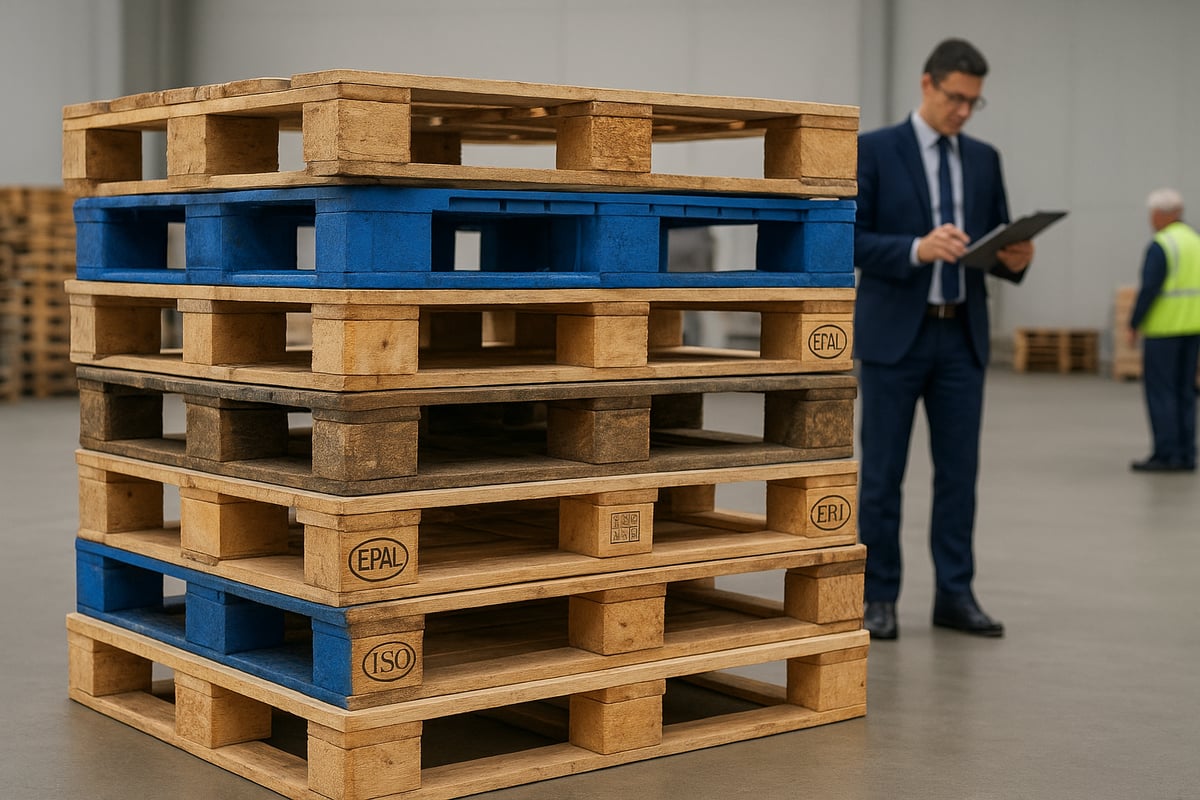
Pallet standards are agreed-upon specifications that ensure pallets can be used safely and efficiently worldwide. They define materials, dimensions, strength, and markings. For companies shipping internationally, using international pallets that meet these standards reduces the risk of shipment delays, damages, or fines.
These standards also enable seamless transfer of goods between trucks, ships, and warehouses. For a comprehensive introduction to global pallet standards and their importance, see this International Pallet Standards Overview.
Overview of Major International Standards
Three main sets of standards dominate the world of international pallets:
- ISPM-15: A global phytosanitary standard for wooden pallets.
- ISO Standards: Define pallet sizes, testing, and performance.
- EPAL (European Pallet Association): Oversees the Euro pallet pool and quality.
- Regional/Local Standards: Such as North American and Asian size preferences.
Each standard has unique requirements, but all aim to make shipping safer and more predictable.
ISPM-15: Phytosanitary Rules for Wooden Pallets
ISPM-15 is a critical standard for international pallets made from wood. It aims to prevent the spread of pests and diseases via untreated wood packaging. To comply, wooden pallets must be treated by either:
- Heat Treatment (HT): Wood is heated to 56°C for at least 30 minutes.
- Methyl Bromide Fumigation (MB): A chemical process, though less favored due to environmental concerns.
Treated pallets are stamped with the ISPM-15 mark, indicating compliance. Failure to meet ISPM-15 can result in shipments being rejected, delayed, or even destroyed at the border.
ISO Pallet Standards and Global Adoption
The International Organization for Standardization (ISO) defines several pallet sizes to suit different regions. The most common ISO sizes are:
| Region | Standard Size (mm) | Typical Use Case |
|---|---|---|
| Europe | 1200 x 800 | Euro pallet, EPAL |
| UK/Asia | 1200 x 1000 | Export, general |
| North America | 1219 x 1016 | Grocery, retail |
ISO standards ensure international pallets can be loaded efficiently into containers and handled by automated systems. Adopting these sizes reduces wasted space and helps avoid compatibility issues.
EPAL and the European Pallet Pool
EPAL pallets are the backbone of European logistics. Over 450 million EPAL pallets are in circulation, all built to strict guidelines. The EPAL system enables companies to exchange pallets across borders, reducing costs and promoting reusability.
Key features of EPAL international pallets include:
- Consistent quality and dimensions (1200x800mm)
- Unique markings for traceability
- Participation in an open exchange pool
This system is widely adopted in Europe, but also recognized globally for its reliability.
Differences Between American and International Standards
American pallets, especially the 48"x40" GMA style, differ in size and markings compared to ISO or EPAL pallets. The US and Canada have a special agreement where ISPM-15 treatment is not required for pallets shipped between them. However, if American pallets are used for other markets, they must comply with ISPM-15 and other international standards.
Non-standard pallets can cause problems such as:
- Customs delays due to missing or incorrect markings
- Inefficient use of container space
- Risk of shipment rejection or fines
Impact on Shipping Efficiency and Compliance
International pallets that meet the correct standards streamline customs clearance and reduce the risk of costly interruptions. For example, a shipment from the US to Europe using non-compliant wooden pallets may face delays, fines, or even destruction if ISPM-15 requirements are not met.
2025 Updates and Changes in International Pallet Standards
Looking ahead to 2025, several updates are shaping the future of international pallets:
- Greater emphasis on digital compliance tracking and pallet traceability
- Moves toward more sustainable materials and treatments
- Alignment of regional standards to support global trade
Staying informed about these changes helps businesses avoid compliance pitfalls and maintain smooth international operations.
Types of International Pallets
Selecting the right international pallets is essential for efficient, compliant global shipping. The diversity of pallet materials and designs allows businesses to match their needs with regulations and logistics requirements. Understanding the types of international pallets helps you optimize supply chains and minimize costly errors.

Wooden Pallets
Wooden pallets remain the backbone of international pallets used worldwide. Their robust construction, cost-effectiveness, and flexibility make them the default choice for many industries.
Advantages of Wooden Pallets:
- High strength and durability for heavy loads
- Easy to repair and recycle
- Widely available across regions
For international pallets, compliance with ISPM-15 is mandatory. This standard requires heat treatment or fumigation to prevent the spread of pests. Exporters must ensure that wooden international pallets display the correct stamps and markings to clear customs. ISPM-15 compliant pallets for export are a must for most cross-border shipments.
Standard sizes include the US 48”x40”, UK 1000x1200mm, and EUR 1200x800mm. Industries such as food, manufacturing, and retail rely on these international pallets for their daily operations.
Sustainability is a growing trend. Many suppliers now source wood from certified forests and offer recycling programs, helping companies meet environmental goals. Properly managed, wooden international pallets offer a balance of performance, cost, and compliance.
Plastic Pallets
Plastic options are gaining traction among international pallets due to their hygiene, durability, and reusability. These pallets are popular in sectors with strict cleanliness standards, such as pharmaceuticals and food.
Common Features of Plastic International Pallets:
- Sizes like 48”x40” and 1200x1000mm
- Load capacities up to 4,000 lbs
- Lightweight yet strong
Plastic international pallets are resistant to moisture, pests, and chemicals. Unlike wood, they do not require ISPM-15 treatment, simplifying compliance. Their smooth surfaces are easy to clean, supporting hygiene protocols in sensitive industries.
These pallets are ideal for air and sea freight, as well as closed-loop logistics systems where pallets circulate within a controlled network. In the pharmaceutical industry, plastic international pallets help prevent contamination and meet regulatory demands. For more details on export-ready options, explore plastic pallets for international shipping.
The long service life and recyclability of plastic international pallets contribute to sustainability, reducing waste and total cost of ownership for businesses.
Specialty and Custom Pallets
Not all international pallets fit standard molds. Specialty and custom pallets cater to unique cargo, regional requirements, or specific industry needs.
Examples of Custom International Pallets:
- 43.3”x43.3” for Australia and parts of Asia
- 42”x42” for telecom and paint shipments
- Nestable and stackable designs for efficient storage
Materials for specialty international pallets include metal, composite, and presswood. These options offer tailored load capacities, shapes, and resistance to environmental factors. For fragile or oversized goods, custom international pallets provide added security and reduce damage during transit.
Companies may choose custom international pallets when standard sizes pose risks of rejection or inefficiency. However, custom solutions can increase costs and complicate logistics planning.
Innovations in specialty international pallets include lightweight composites and modular designs, supporting evolving supply chain needs. When compliance and cargo protection are top priorities, custom international pallets deliver significant value.
Key Considerations for Selecting International Pallets
Selecting the right international pallets is critical for smooth global logistics. Each decision impacts efficiency, compliance, and your bottom line. To ensure your shipments move seamlessly, consider these essential factors before choosing international pallets.

Size and Dimension Compatibility
When choosing international pallets, size compatibility is your first checkpoint. Pallet dimensions must align with shipping container sizes and destination country standards. Using the wrong size can cause inefficient loading, wasted space, or even shipment rejection.
Common international pallet sizes include:
| Region | Standard Size |
|---|---|
| USA | 48" x 40" |
| Europe | 1200mm x 800mm (EUR) |
| UK | 1000mm x 1200mm |
| Australia | 1165mm x 1165mm |
Check your trade lanes and destination requirements. Some regions, like Europe, strictly enforce standard sizes. Using non-standard international pallets can lead to delays, extra handling, or refusal at the border. Always confirm pallet size with your logistics partner to avoid costly mistakes.
Material and Durability
Material selection is a key factor for international pallets. Wood remains the most common, valued for strength and repairability. Plastic pallets are gaining popularity for their lightweight, hygienic, and moisture-resistant properties. Other options, such as metal or composite, offer specialized benefits for certain industries.
Here is a quick comparison:
| Material | Pros | Cons |
|---|---|---|
| Wood | Strong, repairable, cost-effective | Susceptible to pests/moisture |
| Plastic | Durable, hygienic, reusable | Higher upfront cost |
| Metal | Extremely strong, long-lasting | Heavy, expensive |
Choose materials based on the weight and nature of your goods. For sensitive products, plastic or metal may be preferable. Sustainability is another consideration, as recycled and reusable international pallets help reduce environmental impact.
Regulatory Compliance and Markings
Compliance is non-negotiable when shipping with international pallets. Regulations like ISPM-15, EPAL, and ISO require specific treatments and markings. Pallets must be heat-treated or fumigated, then stamped with certification codes to prove compliance.
Look for visible markings:
- ISPM-15: Wheat symbol, country code, treatment method
- EPAL: EPAL logo, registration number
- ISO: Manufacturer and compliance code
Customs officials inspect international pallets for these details. Missing or incorrect markings may result in delays or even destruction of your shipment. For a deeper dive into requirements, consult this Pallet Requirements for International Shipments guide, which explains key steps for compliance and documentation.
Cost, Availability, and Supply Chain Impact
The cost of international pallets varies by material, size, and required certifications. Wooden pallets are typically more affordable, while plastic or metal options come with higher upfront investments. Availability of standard sizes is generally high, but custom or specialty pallets may need advance ordering.
Consider how your choice affects supply chain efficiency. Using readily available pallets prevents bottlenecks and helps keep shipping costs predictable. Standard international pallets are easier to source and replace in major markets, enhancing reliability throughout your logistics chain.
Keep these considerations in mind when selecting international pallets. The right decision ensures compliance, optimizes costs, and supports a resilient global supply chain.
International Pallet Compliance: Regulations and Best Practices
Understanding compliance for international pallets is crucial for smooth, cost-effective shipping in 2025. Regulations are evolving, and staying current helps prevent delays, fines, and shipment rejections. This section explores the latest requirements and best practices for using international pallets in global trade.
ISPM-15 Compliance
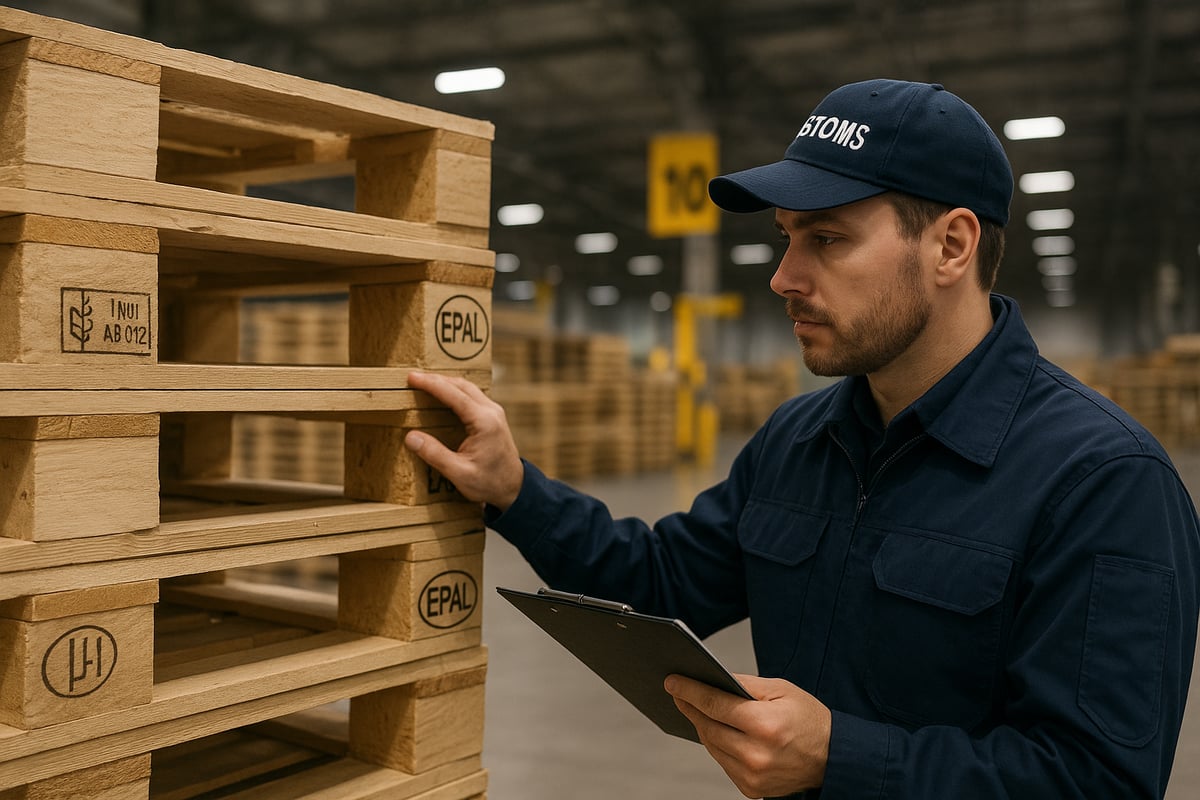
ISPM-15 is a global phytosanitary standard that governs the treatment of wood packaging, including international pallets. Its primary aim is to prevent the spread of pests and diseases across borders. To comply, pallets must undergo either heat treatment or methyl bromide fumigation. Heat treatment involves exposing wood to a core temperature of 56°C for at least 30 minutes, while fumigation uses chemicals to eliminate pests.
Compliant international pallets must display a standardized mark, including the IPPC logo, country code, unique producer code, and treatment method (HT for heat treatment or MB for fumigation). Without these markings, pallets risk being rejected or destroyed at customs.
Most countries enforce ISPM-15, but there are notable exceptions. For example, shipments between the US and Canada are exempt due to similar pest risks. Staying up-to-date is vital, as regulations may change. For practical advice on meeting these requirements and understanding treatment options, consult the ISPM 15 Compliance Guide.
Regional and Country-Specific Rules
Beyond ISPM-15, international pallets must meet various regional and national standards. In Europe, the EPAL and Euro pallet pool systems are widely used. EPAL pallets are strictly regulated, with over 450 million in circulation, ensuring quality and facilitating pallet exchange. Each EPAL pallet carries a unique stamp for traceability and acceptance across member countries.
The UK, following Brexit, maintains similar Euro pallet standards but has clarified import/export requirements and accepted sizes. In Asia and Australia, local regulations may specify unique dimensions or additional treatments for international pallets, especially for imports to Japan, China, or Australia, where biosecurity is a major concern.
Emerging markets may also introduce new guidelines in 2025, reflecting increased trade and environmental policies. Understanding these differences helps businesses select the right international pallets and avoid costly compliance issues.
Inspection, Documentation, and Customs
Border inspections are routine for shipments using international pallets. Customs officials check for correct treatment markings, pallet condition, and adherence to size or material requirements. Documentation, such as phytosanitary certificates or treatment records, may be requested.
Incomplete or inaccurate paperwork is a common reason for shipment delays. Using standardized, clearly marked international pallets and maintaining proper records streamlines customs clearance and reduces the risk of fines or rejections.
Avoiding Common Compliance Pitfalls
Many shippers make preventable mistakes with international pallets. The most frequent issues include using non-standard sizes, missing or incorrect treatment stamps, and failing to update documentation for regulatory changes.
To avoid these pitfalls in 2025:
- Verify all pallets meet destination country requirements.
- Inspect for clear, current markings before shipping.
- Keep documentation organized and accessible.
For example, a recent shipment to the EU was held for days due to faded ISPM-15 stamps, resulting in delays and extra costs. Proactive compliance with international pallets ensures your supply chain remains efficient and penalty-free.
Real-World Uses and Applications of International Pallets
International pallets are a foundational element in global logistics, seamlessly connecting supply chains across continents. Their versatility and adaptability enable businesses to move products efficiently, maintain compliance, and optimize costs in an ever-changing trade environment.
Industry-Specific Applications
Different industries rely on international pallets to meet their unique logistics and regulatory challenges. In the food and beverage sector, hygiene is paramount, so plastic pallets are often used to prevent contamination and enable easy cleaning. These pallets support traceability and help companies adhere to food safety standards during global shipping.
Pharmaceutical companies also favor plastic international pallets for their non-porous surfaces and compliance with strict health regulations. The ability to sterilize and reuse these pallets is critical for maintaining product integrity across borders.
Manufacturing and automotive industries require heavy-duty international pallets to transport bulk components and machinery. Custom sizes and reinforced materials ensure safe handling of oversized or high-value goods.
For more industry-specific insights, explore the Pallet FAQs for global logistics, which address common questions about international pallets in different sectors.
Logistics and Supply Chain Optimization
International pallets play a crucial role in streamlining logistics operations. Pallet pooling and exchange systems allow businesses to share and reuse pallet assets, reducing costs and eliminating the need for constant new purchases. These systems, such as the European Pallet Pool, improve efficiency and support sustainability.
Warehouse automation depends on standardized international pallets, enabling seamless integration with racking systems, conveyors, and robotics. Consistent pallet dimensions help minimize damages during loading, unloading, and storage, contributing to lower shipping costs and faster turnaround times.
Choosing the right international pallets can also prevent bottlenecks at customs, ensuring products reach their destinations without delay.
Sustainability and Circular Economy
Sustainability is increasingly important in the world of international pallets. Many companies now prioritize pallets made from recycled or renewable materials, reducing their environmental footprint. Wood pallets are often repaired and reused multiple times, while plastic pallets can be melted down and remanufactured.
Closed-loop systems maximize the lifecycle of international pallets by keeping them in circulation and out of landfills. Eco-friendly design innovations, such as lightweight composites, further support sustainable supply chains.
Innovations and Trends for 2025
The future of international pallets is shaped by smart technology and evolving standards. Smart pallets equipped with tracking sensors enable real-time monitoring of goods, improving visibility and security throughout the supply chain.
Manufacturers are developing new lightweight and durable materials that enhance performance and reduce shipping costs. Digital compliance tracking simplifies documentation and helps businesses stay ahead of regulatory changes.
For the latest requirements, the ISO 8611-2:2025 Standard outlines performance criteria that are essential for international pallets in 2025 and beyond.
International Pallet Sourcing and Supply Chain Strategies
Sourcing international pallets is a crucial step for companies aiming to streamline their global logistics. The right strategy can reduce costs, improve efficiency, and minimize supply chain risks. With 2025 bringing new demands, understanding how to source and manage international pallets is more important than ever.
Choosing Reliable Suppliers for International Pallets
Selecting dependable suppliers is the foundation of a strong pallet strategy. Look for partners with a proven track record in international pallets, robust quality control, and certifications that align with your target markets. For businesses with unique cargo requirements, consider suppliers specializing in custom pallets for unique cargo needs to ensure compliance and avoid costly delays.
Assess supplier capabilities by reviewing references, on-time delivery history, and their ability to adapt to changing regulations. Building long-term relationships can also secure better pricing and priority during supply chain disruptions.
Local vs. Global Sourcing
Balancing local and global sourcing is key to optimizing international pallets procurement. Local suppliers may offer faster lead times and easier communication, which can be valuable in regions with strict import controls or sudden demand spikes.
However, global suppliers might provide cost advantages, larger inventories, and access to a wider range of pallet types. Evaluate total landed cost, including shipping, duties, and compliance fees, to determine the best fit for your business.
Inventory Management, Recycling, and Pooling Programs
Effective inventory management for international pallets involves tracking usage, forecasting demand, and minimizing excess stock. Many companies benefit from buy-back and recycling programs, which support sustainability while reducing waste.
Pallet pooling systems allow multiple businesses to share and reuse pallets, improving cost-efficiency and reliability. A recent case study showed that a manufacturer reduced annual pallet expenses by 20 percent after switching to a pooling system, highlighting the value of collaborative strategies.
Negotiating Contracts and Ensuring Quality
When negotiating contracts for international pallets, prioritize clear terms on quality standards, delivery schedules, and pricing structures. Request detailed specifications and samples before finalizing agreements. Regular audits and performance reviews will help maintain supplier accountability and product consistency.
Planning for Disruptions and Building Resilience
Supply chain disruptions can impact pallet availability and costs. Mitigate risks by diversifying your supplier base, maintaining safety stock, and developing contingency plans for rapid sourcing. Stay informed about regulatory changes and market trends to anticipate challenges and keep your international pallets strategy resilient.


