


Supply chain leaders are increasingly seeking pallet custom solutions to meet evolving logistics demands by 2026. This comprehensive guide offers expert strategies and practical steps for successful pallet custom design, sourcing, and implementation. Discover the latest types, material choices, industry applications, compliance essentials, cost-saving tips, and future trends shaping the pallet custom landscape. By leveraging actionable insights, your business can optimize operations and stay ahead in a rapidly changing market.
Custom pallets are designed to meet unique transport and storage needs that standard pallets cannot address. Unlike off-the-shelf options, a pallet custom solution is tailored in size, material, and features to fit specific products or workflows. This approach allows companies to optimize space, improve safety, and adapt to evolving supply chain demands.
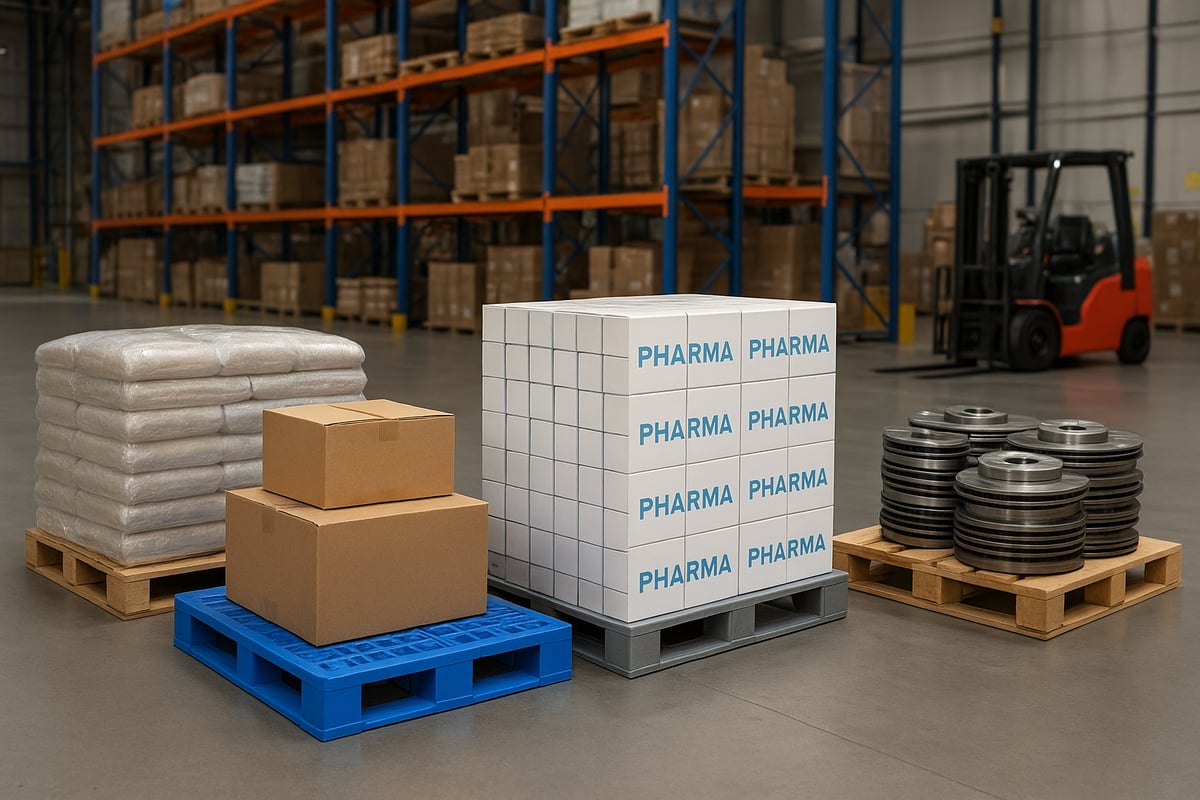
There are several types of pallet custom solutions available today. Each serves a distinct purpose in logistics:
| Pallet Type | Key Features | Best For |
|---|---|---|
| Nestable | Stack inside each other | Space-saving storage |
| Stackable | Stack on top, stable base | High-density warehousing |
| Rackable | Reinforced for racking | Heavy loads, automation |
| Export | Compliance-focused | International shipping |
| Specialty | Unique features, custom size | Industry-specific needs |
| Euro Pallets | Standardized for Europe | Cross-border trade |
A pallet custom design may combine these features to solve multiple challenges at once. For example, a rackable, nestable pallet can support heavy automotive parts while saving space when empty.
Selecting the right material is crucial for any pallet custom project. The most common materials include:
Plastic pallets are increasingly popular, especially in industries that require easy cleaning and regulatory compliance. Recycled materials are also gaining traction as companies seek eco-friendly alternatives.
Pallet custom solutions are widely used in various sectors, each with unique requirements:
For example, a 45×45 inch pallet custom-designed for automotive parts ensures safe racking and efficient space use. In food logistics, a lipped, 48×48 inch plastic pallet prevents product loss during transport.
Recent data shows a marked increase in the adoption of plastic and specialty pallets, driven by efficiency and compliance requirements. According to the Pallet Market Size & Forecast 2035, businesses are investing in tailored solutions to reduce damage, minimize waste, and streamline operations.
Customization allows companies to align pallet design with specific workflows, reducing product loss and improving safety. As industries face stricter regulations and evolving supply chain demands, the need for a pallet custom approach continues to grow.
Choosing the right pallet custom solution is not just about fitting a product to a platform. It is about creating a smarter, safer, and more efficient logistics ecosystem that can adapt to future challenges.
Designing a pallet custom to your business is a strategic process. The right approach ensures your logistics run smoothly, costs stay controlled, and your products remain protected. Follow this step-by-step guide to create a pallet custom solution that matches your exact operational demands.
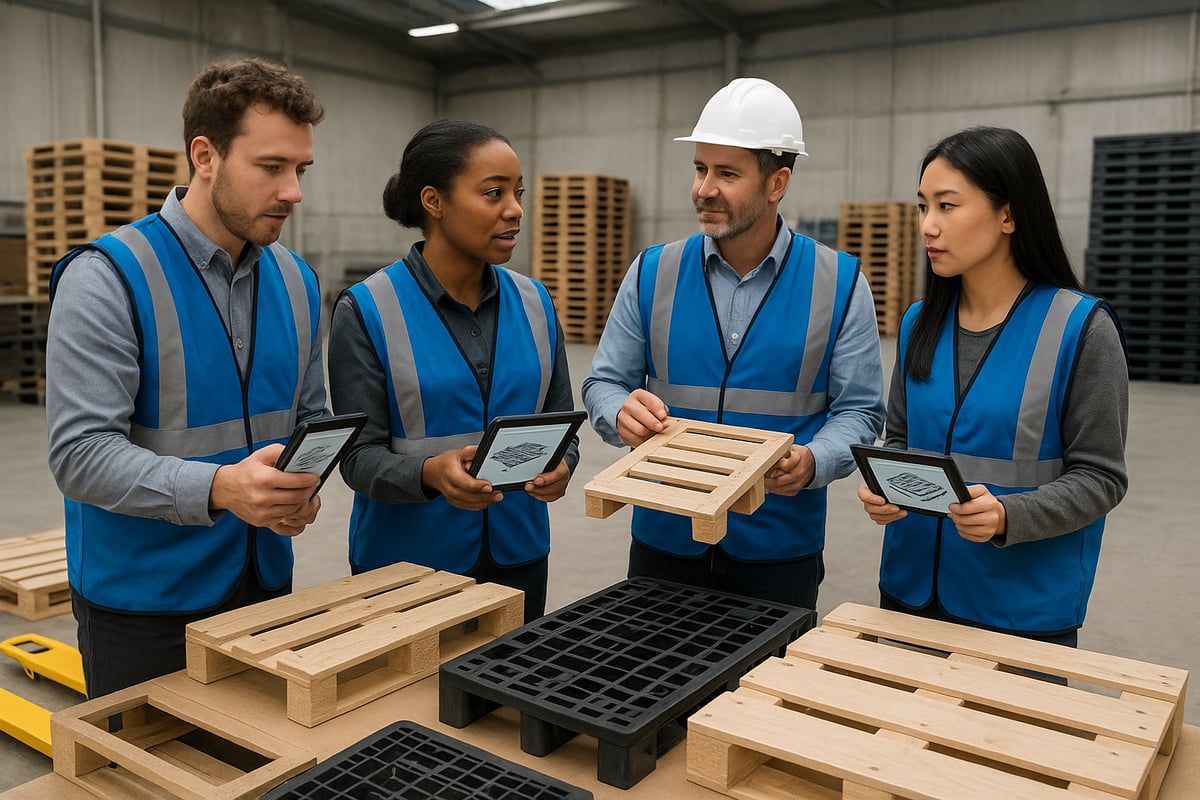
Begin your pallet custom journey by evaluating your unique operational requirements. This critical step lays the foundation for an efficient and cost-effective solution.
First, define your load requirements. Consider both static weight (when pallets remain stationary) and dynamic weight (when pallets are moved or stacked). For instance, a pallet custom designed for automotive parts must withstand heavy, constant loads and frequent handling.
Next, assess product dimensions. Measure the size, shape, and quantity of goods you intend to transport. A mismatch between product and pallet custom dimensions can result in wasted space or increased risk of damage.
Evaluate compatibility with handling equipment. Ensure that forklifts, pallet jacks, and automated systems can safely interact with your chosen pallet custom design.
Take stock of storage and transportation environments. Will your pallets be stored in racks, stacked, or used for export? Each scenario demands specific design considerations. For example, the automotive industry often requires heavy-duty, rackable pallet custom solutions that support large, irregular loads.
Proper assessment at this stage helps prevent bottlenecks and reduces long-term costs. By aligning your pallet custom design with operational needs, you streamline workflows and minimize the risk of costly errors.
With your requirements defined, the next step is to choose the pallet custom type and size that best fits your needs. This decision impacts space efficiency, product protection, and compliance.
Match your operational needs to pallet custom types:
Consider standard and custom sizes. Popular dimensions include 24×32, 32×48, 40×48, and 45×96 inches. Sometimes, a pallet custom size like 43×43 or 48×48 is necessary to optimize container utilization or protect sensitive products.
Review lip options. Adding lips to your pallet custom design can help contain products and prevent shifting during transit. This is especially important in the food industry, where lipped, FDA-approved pallets are preferred for hygiene and containment.
Selecting the right size and features is crucial. Properly sized pallets reduce product loss, maximize usable space, and ensure compatibility with your logistics infrastructure. For additional guidance on making these design choices, refer to Pallet design best practices.
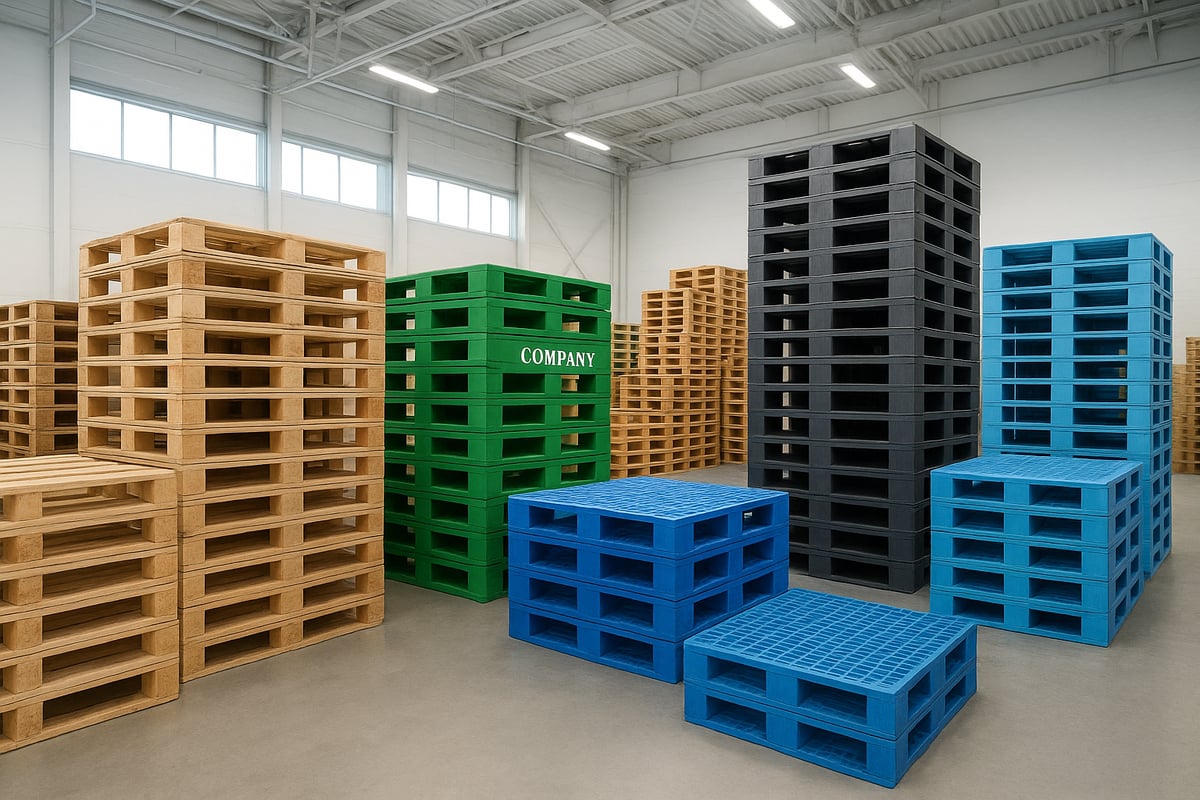
Selecting materials for your pallet custom design determines durability, hygiene, and overall cost. The three main categories are wood, plastic, and specialty options.
Comparison Table: Materials for Pallet Custom Design
| Feature | Wood | Plastic (HDPE, Recycled) | Specialty/Hybrid |
|---|---|---|---|
| Durability | Moderate | High | Varies |
| Hygiene | Lower | Excellent | Excellent (varies) |
| Cost | Lower upfront | Higher upfront, lower lifecycle | Varies |
| Recyclability | Good | Excellent | Excellent |
Wood is traditional and cost-effective, but may not meet hygiene standards in industries like pharmaceuticals. Plastic pallets, especially those made from recycled HDPE, offer superior durability, easy cleaning, and are increasingly chosen for eco-friendly pallet custom operations.
Consider specialty features for your pallet custom solution:
For example, pharmaceutical companies require pallet custom designs with non-porous, easy-to-sanitize surfaces. The growing use of recycled plastics reflects the push toward sustainability and regulatory compliance in pallet custom operations.
By carefully selecting materials and features, you ensure your pallet custom solution meets industry standards, supports operational goals, and aligns with corporate sustainability initiatives.
Regulatory compliance is a cornerstone for any pallet custom strategy in 2026. As global supply chains become more complex, businesses must navigate stricter regulations to ensure that their pallet custom solutions support safe, efficient, and lawful logistics. From food safety to international shipping, understanding and meeting these evolving requirements is essential for operational success.
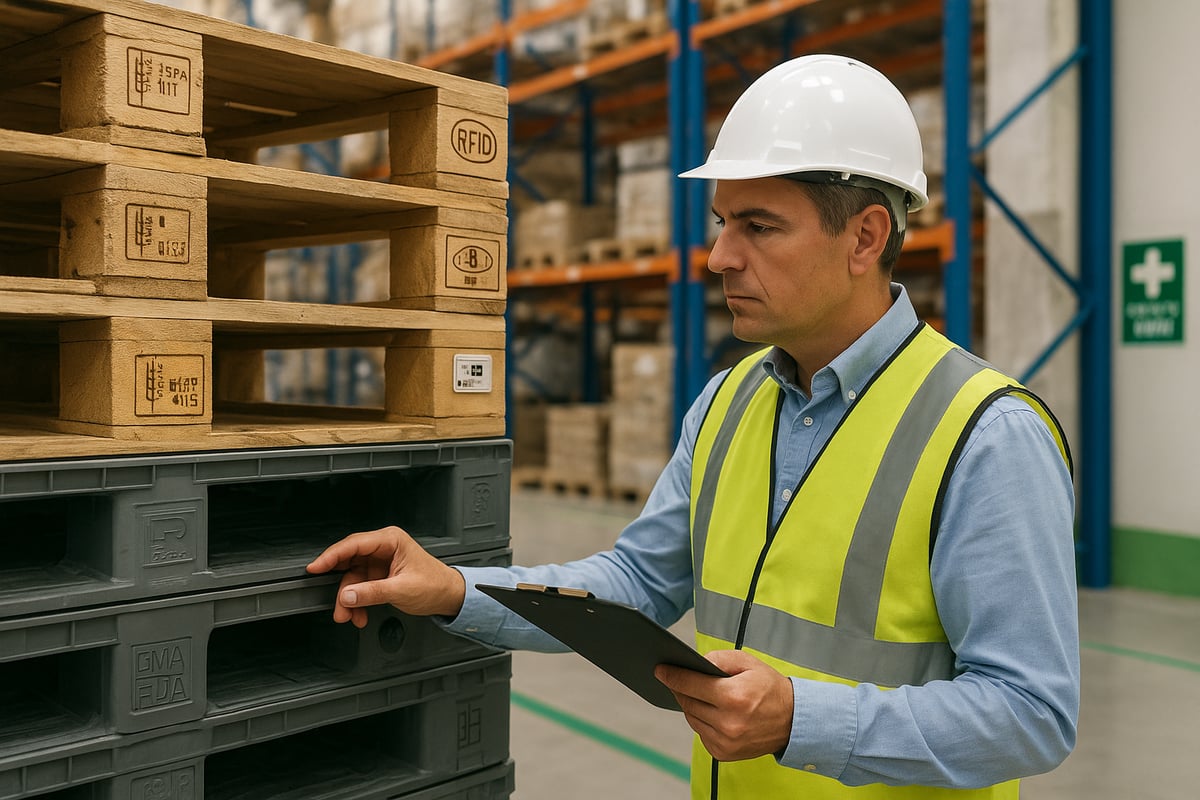
The regulatory environment for pallet custom solutions is constantly evolving. In 2026, wood pallets must comply with ISPM-15 standards, which require heat treatment or fumigation to prevent pest transmission. For food and pharmaceutical sectors, FDA and GMA standards demand that pallet custom designs use hygienic, non-toxic, and easily sanitized materials.
The table below summarizes key regulations impacting pallet custom solutions:
| Regulation/Standard | Industry Focus | Key Requirement |
|---|---|---|
| ISPM-15 | Export/Import | Heat treatment or fumigation |
| FDA | Food, Pharma | Non-toxic, easy to clean |
| GMA | Grocery, Retail | Standardized sizing, hygiene |
Failing to meet these standards can result in customs delays, rejected shipments, or even product recalls. This is why choosing the right pallet custom approach is critical.
Fire safety and export requirements are top concerns for businesses investing in pallet custom solutions. Export pallets must not only comply with ISPM-15 but also be constructed from materials that meet fire safety codes. Many facilities now require fire retardant additives in plastic pallets or certified wood treatments.
For export compliance, choosing custom heat-treated pallet options ensures that your pallet custom solutions align with international regulations and help avoid costly border delays. Additionally, proper documentation and labeling are essential for seamless customs clearance.
Material selection also impacts compliance. In regulated industries, using FDA-approved plastics or certified wood helps maintain product integrity and supports brand reputation.
As supply chains grow more digital, traceability has become a central feature of every pallet custom deployment. Serialization, RFID tagging, and barcoding are now common practices for tracking pallets throughout the logistics process.
These technologies allow businesses to monitor the lifecycle of every pallet custom unit, from production to delivery. Enhanced traceability supports recalls, audits, and helps meet the transparency demands of regulators and customers alike.
Investing in traceable pallet custom solutions also improves inventory accuracy and reduces loss, supporting better business outcomes.
Exporters frequently use certified export pallets to avoid customs delays and penalties. For instance, a food manufacturer shipping overseas relies on ISPM-15 certified pallet custom solutions to ensure uninterrupted cross-border logistics.
In regulated sectors, compliant plastic pallets are gaining market share due to their durability, ease of cleaning, and consistent performance. This trend highlights the ROI of investing in compliant pallet custom solutions, as businesses report fewer disruptions and lower liability risks.
Proactive planning for compliance in pallet custom solutions is more than a legal requirement; it is a strategic investment. Early alignment with evolving standards saves costs, reduces operational risks, and protects brand reputation.
Businesses that prioritize compliance in their pallet custom sourcing gain a competitive edge, streamline their supply chains, and build trust with partners and regulators. As industry standards advance, staying ahead of the curve ensures sustained success in global logistics.
Optimizing costs and maximizing return on investment are top priorities for businesses considering a pallet custom strategy. Understanding the full financial picture helps you make informed decisions and ensures your pallet custom solution delivers lasting value.
When evaluating a pallet custom approach, it is crucial to look beyond the initial purchase price. Upfront costs often seem higher compared to standard pallets, especially when using advanced materials or specialized designs. However, lifecycle costs—which include repairs, replacements, and operational inefficiencies—can make standard options more expensive over time.
Consider the following cost comparison:
| Cost Factor | Standard Pallets | Pallet Custom Solution |
|---|---|---|
| Initial Investment | Low | Moderate to High |
| Repair Frequency | High | Low |
| Replacement Rate | Frequent | Infrequent |
| Custom Fit | No | Yes |
| Long-Term Savings | Low | High |
For example, investing in durable, stackable plastic pallet custom solutions may require a higher upfront spend, but the reduced need for repairs and lower replacement frequency lead to significant savings over the years. Lifecycle costing provides a clearer picture of the true value, helping you avoid the trap of focusing solely on the sticker price.
Choosing the right pallet custom design tailored to your business needs reduces long-term costs and supports operational efficiency.
A well-planned pallet custom strategy can transform your supply chain. Custom sizing reduces wasted space in shipping containers and warehouses, which directly lowers transportation expenses and improves load efficiency. By minimizing unused space, pallet custom solutions also reduce product damage during transit.
Many businesses adopt pallet pooling and reuse programs, leveraging the durability of their pallet custom investments. For instance, grocery chains have reported up to 25 percent logistics cost savings by switching to custom GMA pallets that fit their specific product dimensions.
Additional benefits include:
Industry data supports these results. According to Pallet Industry Statistics 2026, companies implementing advanced pallet custom solutions see measurable improvements in supply chain efficiency and cost reduction.
By streamlining logistics and reducing waste, a pallet custom approach delivers both financial and operational benefits.
Selecting the right supplier is a critical step in your pallet custom journey. Evaluate manufacturers based on quality standards, lead times, and after-sales support. Experienced suppliers can handle complex customizations and advise on the best materials and features for your application.
Strategic sourcing ensures your pallet custom solution remains reliable, consistent, and scalable as your business grows. Partnering with the right team safeguards your investment and supports long-term success.
In today's logistics landscape, every industry faces unique challenges that demand precise solutions. Choosing the right pallet custom design is essential for streamlining operations, ensuring compliance, and maximizing efficiency. Let us explore how different sectors leverage pallet custom strategies to address their specific requirements.
Strict hygiene and traceability standards dominate the food and pharmaceutical sectors. Companies in these industries require pallets that are easy to clean, resistant to contaminants, and compliant with regulations. A pallet custom approach often means selecting FDA-approved plastic pallets with smooth, non-porous surfaces.
For example, pharmaceutical distribution centers rely on pallet custom solutions to prevent cross-contamination and maintain product integrity. Color coding and serialization add another layer of safety and traceability, supporting compliance with evolving global standards.
Automotive and manufacturing operations demand robust pallets that can withstand heavy loads and frequent handling. Here, a pallet custom design might feature reinforced structures, rackable formats, and automation compatibility.
Many manufacturers invest in Custom wood pallet solutions to support oversized or uniquely shaped components, ensuring safety and stability on assembly lines. Pallet custom dimensions help reduce handling time, lower risk of damage, and optimize the movement of parts within automated facilities.
Exporters face complex regulatory and logistical requirements, especially when shipping goods internationally. A pallet custom solution for export often involves ISPM-15 compliance for wood pallets or lightweight plastic alternatives for air and ocean freight.
Consider a company shipping to multiple countries with varying container sizes. Pallet custom sizing, such as 45×48 or 48×48 inches, maximizes container space and reduces freight costs. Exporters also benefit from certified designs that minimize customs delays and support efficient global operations.
Retail and e-commerce rely on agility and brand presence in fast-moving supply chains. Pallet custom options here include display pallets for point-of-purchase, color-coded designs for inventory management, and custom branding for in-store visibility.
For instance, retailers use pallet custom solutions with integrated logos and product-specific dimensions to facilitate rapid stock rotation and create attractive in-store displays. These tailored pallets help companies stand out while improving logistics efficiency from warehouse to storefront.
The landscape of pallet custom solutions is rapidly evolving as businesses prepare for 2026. Companies are seeking smarter, greener, and more automated approaches to pallet custom design. These innovations are not just trends, but essential shifts for staying competitive in modern supply chains.
Smart technology is transforming how pallet custom solutions operate in logistics. IoT-enabled pallets now feature built-in sensors, RFID tags, and GPS modules for real-time tracking and condition monitoring. This level of visibility helps reduce losses, streamline inventory management, and improve safety.
According to Pallet Packaging Industry Trends 2026, the adoption of smart pallets and reusable designs is expected to accelerate as businesses aim for efficiency and traceability. Smart pallet custom options provide actionable data, helping organizations respond quickly to disruptions and optimize routes.
Sustainability is at the core of next-generation pallet custom strategies. Companies are shifting toward recycled plastics, biodegradable materials, and hybrid solutions to reduce their environmental impact. Many businesses now require pallet custom products made from recycled HDPE or bio-based composites to meet regulatory and corporate sustainability goals.
Eco-friendly materials not only improve a company's green credentials, but they also extend pallet lifespan and reduce total waste. As more industries embrace circular supply chains, sustainable pallet custom choices are becoming the default rather than the exception.
Automation is reshaping warehouses and distribution centers, and pallet custom solutions must keep pace. Pallets designed for compatibility with robotics, automated guided vehicles, and AI-driven picking systems are now in high demand. Features like consistent sizing, reinforced construction, and specialized surfaces ensure smooth integration with automation technologies.
For example, flexible packaging roll pallets are being used in automated fulfillment centers to support rapid order processing. Research such as the Pallet Detection and Localization Study highlights how advancements in pallet recognition and handling are driving this trend.
Industry forecasts predict robust growth in the adoption of smart and automation-ready pallet custom products by 2026. Businesses that invest early in these solutions will benefit from increased efficiency, reduced labor costs, and a stronger competitive position in the global marketplace.

