


Selecting the right storage infrastructure is one of the most critical decisions warehouse managers and logistics professionals face. Whether you're expanding operations, upgrading aging systems, or establishing a new facility, understanding how to evaluate pallet racking suppliers can mean the difference between efficient operations and costly mistakes. The market has evolved significantly, with suppliers offering everything from basic selective racking to sophisticated automated storage and retrieval systems. This comprehensive guide will help you navigate supplier selection, understand quality markers, and make informed decisions that protect your investment and keep your operations running smoothly.
The industrial storage market has become increasingly specialized, with suppliers ranging from local fabricators to multinational corporations. Each brings different strengths to the table, and understanding these distinctions helps you match your specific needs with the right partner.
Manufacturing suppliers produce racking systems in-house, giving them control over quality standards and customization capabilities. These companies typically offer comprehensive warranties and can modify designs to meet unique specifications.
Distribution-focused suppliers source products from multiple manufacturers and provide a wider selection of brands and styles. They excel at competitive pricing and product availability but may have less technical expertise about individual systems.
Integrated solution providers combine manufacturing or distribution with installation, maintenance, and safety inspection services. Working with Pallet Company Pro ensures your pallets are compatible with your chosen racking system from the start.
Key supplier categories include:
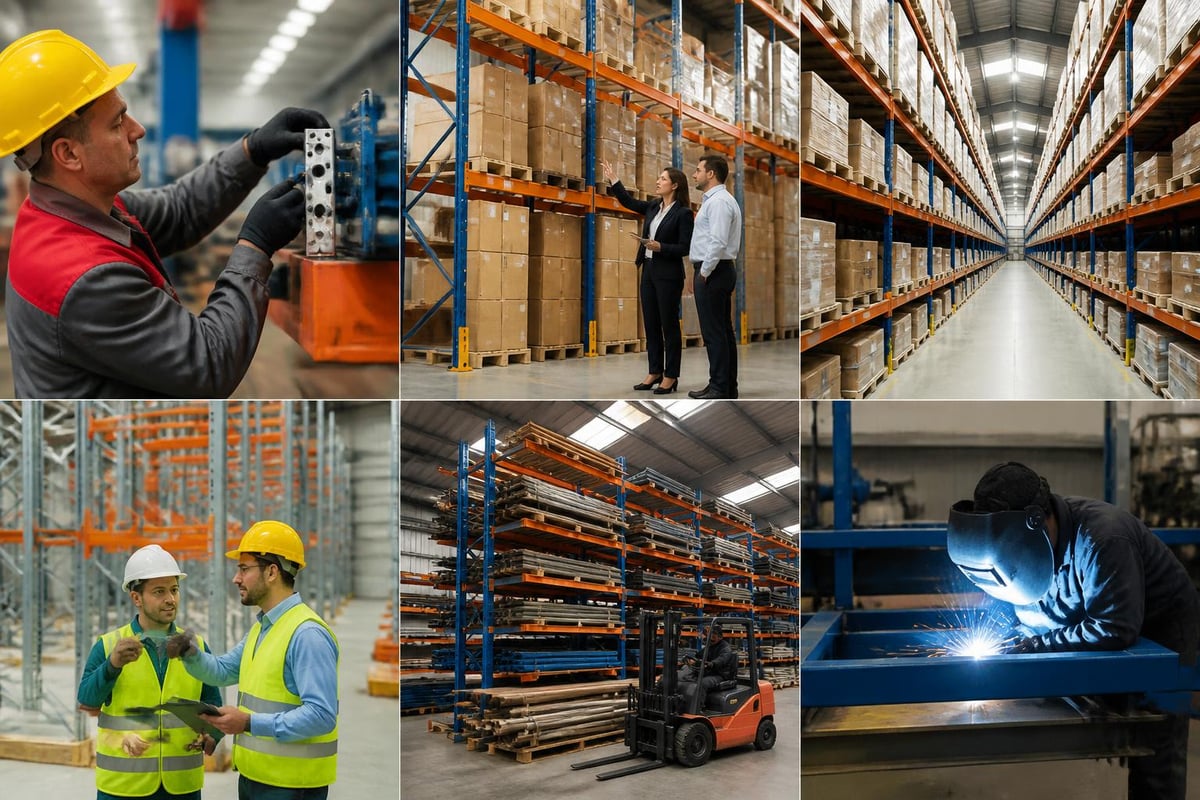
The 2026 market reflects several important shifts. Automation integration has become standard, with suppliers offering racking designed specifically for robotic systems and automated guided vehicles. Sustainability concerns drive demand for recycled steel options and suppliers with documented environmental practices.
Safety compliance has intensified following recent regulatory updates. Leading pallet racking suppliers now provide comprehensive documentation packages that simplify OSHA pallet racking requirements and safety standards compliance from day one.
Choosing between competing suppliers requires a systematic approach. Price comparisons alone miss crucial factors that impact long-term value and operational safety.
Superior suppliers employ professional engineers who can analyze your specific requirements. They should provide detailed load capacity calculations, seismic zone considerations, and floor loading assessments. Request references for projects similar in scale and complexity to yours.
Essential engineering services include:
The best pallet racking suppliers use sophisticated software to simulate various scenarios, helping you optimize space utilization while maintaining safety margins. They understand how pallet racking design guidelines translate into practical warehouse applications.
Material quality directly impacts system longevity and safety. Premium suppliers use high-grade structural steel with consistent thickness throughout frames and beams. They should readily provide:
| Quality Indicator | What to Verify | Why It Matters |
|---|---|---|
| Steel Grade | ASTM A36 or equivalent certification | Ensures minimum strength requirements |
| Coating Process | Powder coating thickness (minimum 2 mils) | Prevents corrosion and extends lifespan |
| Weld Quality | AWS D1.1 compliant procedures | Critical for structural integrity |
| Load Testing | Third-party verification documentation | Confirms published capacity ratings |
| Component Tolerances | Manufacturing variance specifications | Affects interchangeability and safety |
Request samples or facility visits when possible. Physical inspection reveals manufacturing quality that specifications alone cannot capture. Quality suppliers welcome scrutiny and maintain detailed quality control records.
A racking system is only as good as its installation. Professional pallet racking suppliers either employ certified installers or maintain networks of vetted contractors. Verify that proposed installers have:
After installation, ongoing support becomes essential. Damage happens in active warehouses. Suppliers should offer replacement parts with guaranteed availability, preferably maintaining local inventory for common components. The pallet racking safety guide and inspection regulations emphasize regular maintenance, making parts availability crucial for compliance.
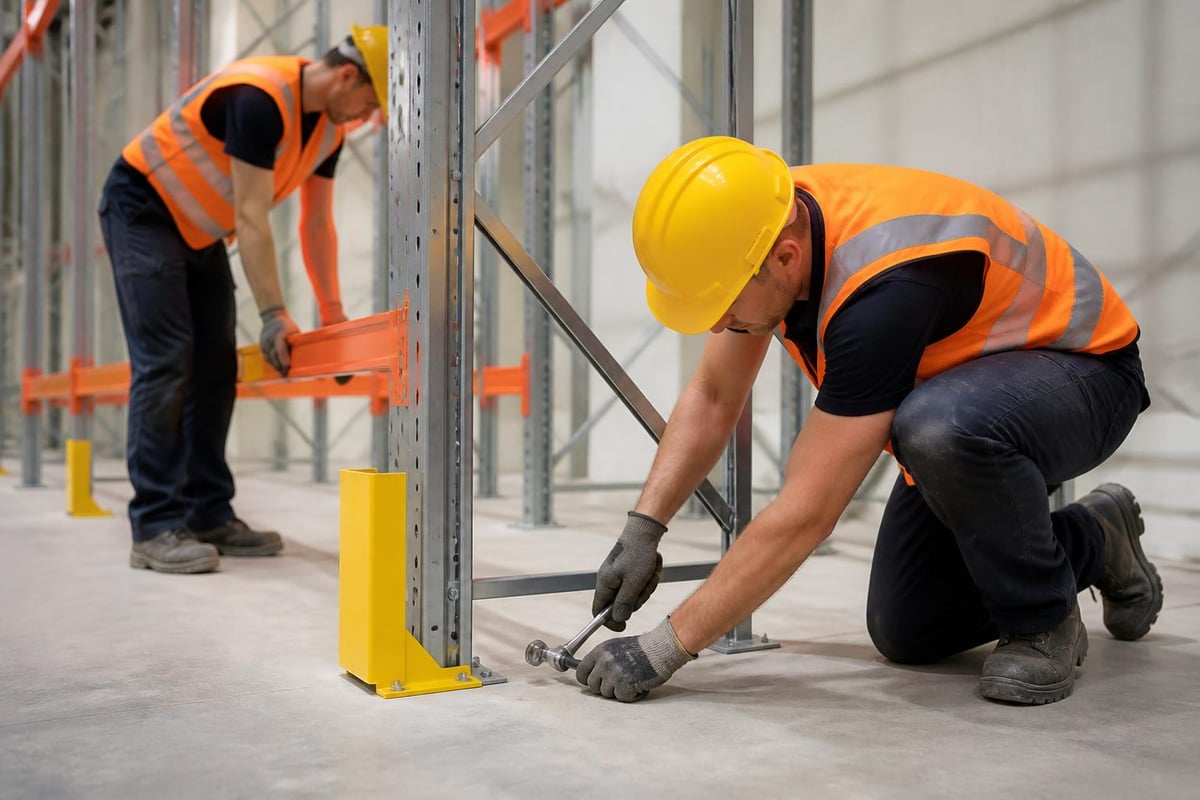
Safety should dominate supplier conversations. Responsible pallet racking suppliers position themselves as compliance partners, not just equipment vendors.
Multiple regulatory frameworks govern industrial racking systems. ANSI MH16.1 establishes design, testing, and utilization standards for the industry. The International Building Code sets structural requirements that vary by jurisdiction. OSHA pallet regulations add specific workplace safety requirements.
Your supplier should demonstrate intimate knowledge of these standards and how they apply to your situation. They should provide documentation packages including:
Some jurisdictions require special permits or inspections. Experienced suppliers navigate these processes routinely and can prevent costly delays.
Regulatory compliance extends beyond installation. Annual inspections by qualified persons are mandatory in most jurisdictions. Forward-thinking suppliers offer inspection services or can recommend certified third-party inspectors familiar with their products.
When evaluating inspection support, verify the supplier provides clear damage assessment criteria. Damage classification should follow industry standards, distinguishing between cosmetic issues and structural concerns requiring immediate attention. Detailed documentation helps you track system condition and demonstrate regulatory compliance during audits. Resources like the NSW pallet racking guide offer frameworks many suppliers reference for maintenance protocols.
Upfront pricing tells an incomplete story. Sophisticated buyers analyze total cost of ownership across the system's expected lifespan.
Pallet racking suppliers structure quotes differently, making comparisons challenging. Request itemized proposals breaking down:
Price variation factors include:
Beware of dramatically low quotes. They often indicate substandard materials, unlicensed installers, or incomplete scope. The cheapest option frequently becomes expensive after accounting for shorter lifespan, higher maintenance needs, or compliance issues.
Calculate total cost over a ten-year horizon. Include:
| Cost Category | Typical Range | Evaluation Considerations |
|---|---|---|
| Initial Purchase | Baseline | Compare equivalent specifications only |
| Installation | 15-25% of materials | Factor in certified vs. uncertified labor |
| Annual Inspections | $500-2000 | Some suppliers include first year free |
| Maintenance/Repairs | 2-5% annually | Quality systems require less intervention |
| Insurance Premiums | Variable | Compliant systems may reduce rates |
| Productivity Impact | Significant | Layout optimization affects labor hours |
High-quality systems from reputable pallet racking suppliers typically cost 10-20% more initially but deliver superior value through reduced maintenance, better parts availability, and fewer operational disruptions. Companies like Pallet Company Pro understand how storage infrastructure decisions impact daily operations.
Standard selective racking serves many applications, but specialized operations require tailored solutions. The best suppliers maintain expertise across multiple system types.
Different inventory characteristics demand different approaches:
Drive-in and drive-through racking maximizes density for uniform products with lower SKU counts. Suppliers should properly specify rail heights and frame depths based on your specific pallet dimensions and forklift equipment.
Push-back and pallet flow systems improve picking efficiency for high-turnover items. These complex systems require precise manufacturing tolerances, making supplier quality especially critical.
Cantilever racking handles long or irregularly shaped items. Custom arm lengths and capacities require engineering expertise to prevent catastrophic failures.
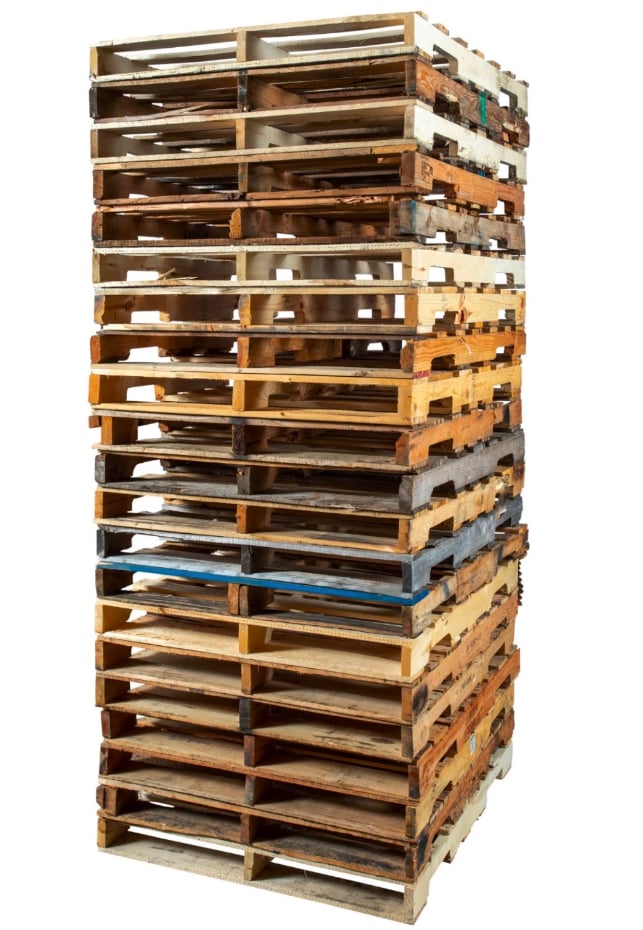
For businesses handling various pallet types and conditions, including Grade B Pallets, discussing load distribution and damage tolerance with suppliers ensures safe storage regardless of pallet condition variations.
Cookie-cutter solutions rarely optimize complex spaces. Top-tier suppliers offer modifications addressing:
Request detailed examples of custom projects. Generic claims about customization mean little without demonstrated experience solving challenges similar to yours.
Reputation matters in capital equipment purchases. Thorough research prevents expensive mistakes.
Serious buyers contact multiple references, asking specific questions about:
Request permission to visit completed installations similar to your planned project. On-site observation reveals quality details invisible in specifications. Notice weld quality, coating consistency, connection fit, and overall system condition after years of use.
Supplier longevity matters for warranty coverage and parts availability. Basic financial due diligence includes:
For large investments, consider requesting financial statements or credit reports. Your exposure to supplier business failure justifies reasonable verification.
Professional pallet racking suppliers provide comprehensive documentation without extensive requests. Red flags include:
Transparency indicates confidence in products and services. Companies with nothing to hide answer questions directly and provide supporting documentation proactively.
Location impacts both initial costs and ongoing support quality. Balancing local presence with broader capabilities requires careful thought.
Local pallet racking suppliers offer advantages including:
National suppliers provide different benefits:
For single-location businesses, regional specialists often deliver superior value. Multi-site operations benefit from national suppliers offering consistency across facilities. Understanding warehouse racking safety standards helps you evaluate whether suppliers truly understand compliance regardless of location.
Shipping heavy steel components involves complexity beyond standard freight. Clarify:
Extended lead times affect project schedules and may require temporary storage solutions. Factor these logistics into supplier evaluation, especially for time-sensitive projects.
Warehouse technology evolves rapidly. Smart supplier selection anticipates future needs alongside current requirements.
Even if automation isn't immediate, specifying compatible racking preserves future options. Discuss:
Structural requirements for automated storage and retrieval systems including reinforced uprights and precision tolerances. Aisle width specifications accommodating potential robotic equipment while maximizing current density. Electrical integration planning for future sensors, lighting, or inventory management systems.
Forward-thinking pallet racking suppliers design modular systems allowing incremental upgrades without complete replacement. Verify that proposed systems can adapt as your operation evolves.
Modern racking supports more than passive storage. Integration possibilities include:
Not every operation needs advanced technology, but understanding capabilities helps you specify appropriately for your sophistication level and growth trajectory.
After thorough evaluation, decision frameworks prevent analysis paralysis while ensuring comprehensive consideration.
Systematic comparison clarifies trade-offs between competing proposals. Create a matrix including:
| Criteria | Weight | Supplier A Score | Supplier B Score | Supplier C Score |
|---|---|---|---|---|
| Price Competitiveness | 20% | 8/10 | 9/10 | 7/10 |
| Engineering Capability | 20% | 9/10 | 7/10 | 8/10 |
| Quality/Manufacturing | 15% | 9/10 | 8/10 | 6/10 |
| Installation Expertise | 15% | 8/10 | 9/10 | 7/10 |
| Service/Support | 10% | 7/10 | 8/10 | 9/10 |
| Financial Stability | 10% | 9/10 | 8/10 | 6/10 |
| References/Reputation | 10% | 8/10 | 9/10 | 7/10 |
Adjust weights reflecting your priorities. Operations emphasizing uptime might weight service higher than price-focused buyers. Scoring forces explicit evaluation of each criterion rather than emotional reactions to presentations.
Final agreements should address:
Everything promised verbally should appear in writing. Ambiguous contracts create disputes. Professional suppliers expect detailed agreements protecting both parties.
Selecting the right pallet racking suppliers involves balancing immediate needs with long-term value, comparing technical capabilities alongside pricing, and ensuring compliance throughout the system's lifespan. The investment in thorough supplier evaluation pays dividends through safer operations, reduced maintenance costs, and infrastructure supporting your growth. When you're ready to optimize your warehouse storage with quality pallets that integrate seamlessly with professional racking systems, Pallet Company Pro provides the wooden and plastic pallets your operation depends on. Our commitment to quality ensures your storage infrastructure performs reliably for years to come.

