
Did you know that over 500 million pallets are manufactured every year in the United States, with millions ultimately discarded in landfills? As environmental concerns and operational costs continue to rise, the issue of pallet waste has become impossible to ignore.
Pallet recycling offers a practical way to address these challenges, providing both sustainability and significant cost savings for businesses and individuals. For beginners, exploring eco-friendly pallet recycling solutions can be a simple yet impactful step toward reducing waste.
This guide will demystify pallet recycling for those new to the process. Inside, you will find sustainable solutions, step-by-step recycling methods, key benefits, and the latest industry trends for 2025. Whether you are a business owner or an individual DIYer, discover how pallet recycling can make a difference for you and the planet.
Understanding Pallet Recycling: The Basics
Pallet recycling is gaining attention as a practical solution for businesses and individuals seeking to reduce waste and promote sustainability. Understanding the basics of pallet recycling can help you make informed choices that benefit both the environment and your bottom line.
What Is Pallet Recycling?
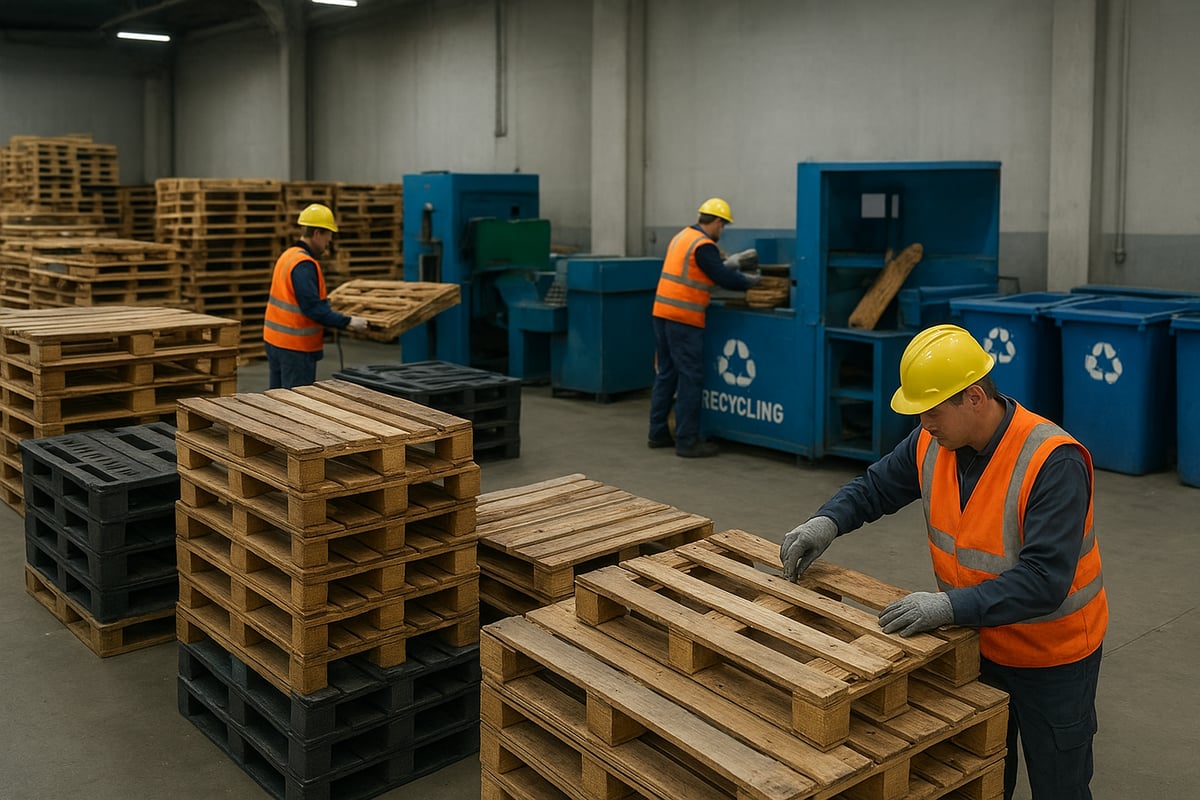
Pallet recycling refers to the process of collecting, refurbishing, and reusing pallets that have reached the end of their initial use. The scope of pallet recycling includes both wooden and plastic pallets, each with unique characteristics and recycling methods.
Wooden pallets are the most commonly recycled type. They are valued for their repairability and versatility. Plastic pallets are also recycled, although the process differs because of their material composition. Both types can be reused, repaired, or broken down into raw materials for new products.
The lifecycle of a pallet begins with manufacturing, followed by multiple uses in shipping and storage. Eventually, pallets become damaged, contaminated, or obsolete, prompting disposal or recycling. Common reasons for pallet recycling include damage, product recalls, and changes in shipping requirements.
Recycling pallets extends their usability and diverts them from landfills. By reintroducing materials into the supply chain, pallet recycling supports a circular economy and reduces the need for new resources.
Environmental Impact of Pallet Waste
Pallet waste is a significant environmental concern in the United States. According to recent Pallet Industry Statistics 2025, over 140 million pallets end up in landfills each year, contributing to growing landfill volumes and resource depletion.
Recycling pallets helps conserve natural resources, such as timber and petroleum-based plastics. By diverting pallets from landfills, recycling also reduces greenhouse gas emissions and helps companies lower their carbon footprint compared to manufacturing new pallets.
The difference in carbon emissions between recycled and new pallets is notable. Reusing materials lowers energy consumption and decreases the demand for raw material extraction. Responsible pallet recycling not only addresses waste but also supports broader sustainability goals.
Economic Benefits of Pallet Recycling
Pallet recycling delivers measurable economic benefits for businesses and individuals. By choosing recycled pallets, companies can save up to 60 percent on costs compared to purchasing new ones. These savings are especially valuable for warehouses, retailers, and manufacturers with high pallet turnover.
Beyond cost savings, there are revenue opportunities in selling used pallets. Many organizations and individuals find buyers for pallets that are still in good condition. This creates a secondary market and encourages better resource management.
For example, a distribution center that switches to pallet recycling can reduce disposal costs and generate extra income by selling surplus pallets. These economic incentives make pallet recycling an attractive option for a wide range of users.
Common Myths and Misconceptions
Several misconceptions surround pallet recycling. One common myth is that recycled pallets are of lower quality than new ones. In reality, properly refurbished pallets can meet or exceed industry standards for strength and durability.
Another misconception is that pallet recycling is complicated or costly. In fact, many recycling processes are straightforward, and the costs are often offset by long-term savings. With the right approach, anyone can participate in pallet recycling and benefit from its advantages.
Who Should Recycle Pallets?
Pallet recycling is not limited to large corporations. Warehouses, retailers, and manufacturers all benefit from recycling efforts. Individuals, including DIY enthusiasts and small business owners, can also take advantage of pallet recycling for creative projects and sustainable practices.
A small business that implements pallet recycling can significantly reduce its waste output while supporting environmental goals. Whether for profit or sustainability, pallet recycling offers solutions for everyone interested in responsible resource management.
Step-by-Step Pallet Recycling for Beginners
Starting your pallet recycling journey may seem daunting, but breaking it down into manageable steps makes the process accessible for anyone. Whether you are a business owner, warehouse manager, or a DIY enthusiast, following these practical steps ensures safety, efficiency, and sustainability.
Step 1: Identifying Recyclable Pallets
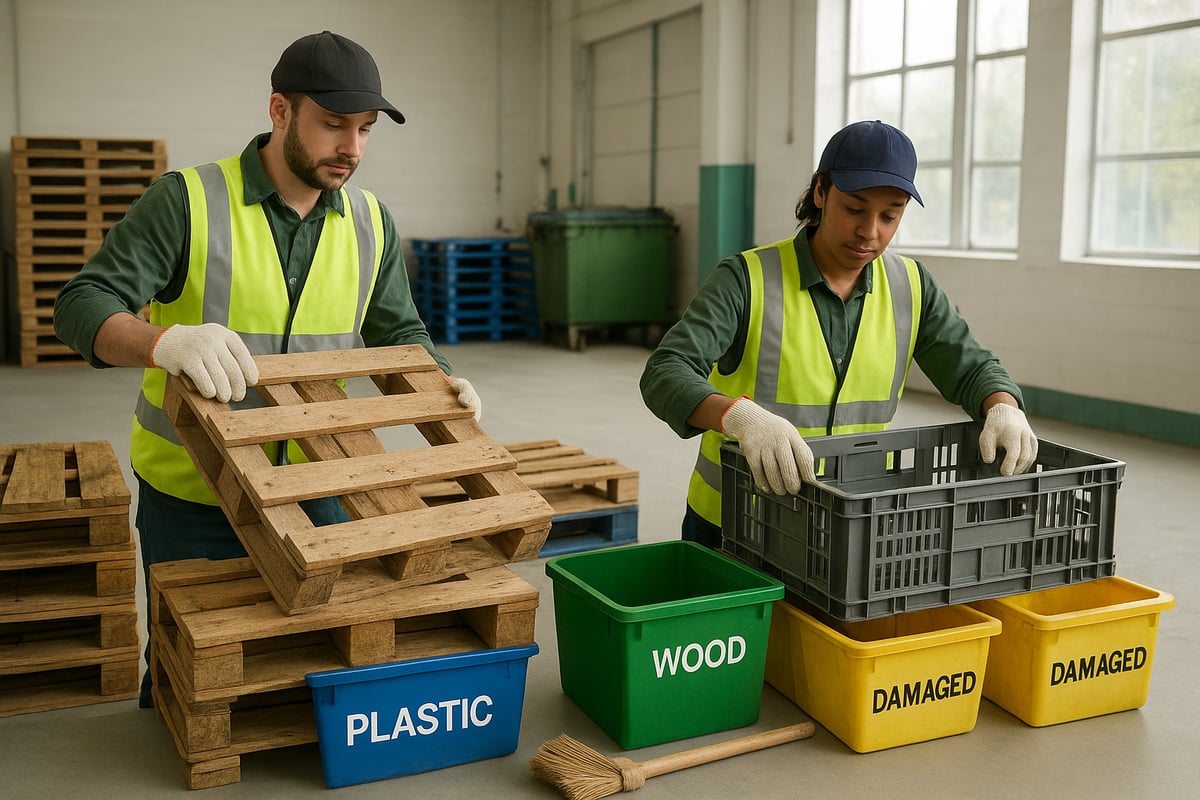
The first step in pallet recycling is determining which pallets are suitable for reuse or processing. Begin by visually inspecting each pallet for major damage, such as cracked boards, missing blocks, or signs of contamination like oil or chemicals.
Look for these key features:
- Structural integrity: Are the boards and stringers intact?
- Cleanliness: Is the pallet free from hazardous substances?
- Markings: Check for heat-treatment stamps (HT), which indicate suitability for export.
Wooden and plastic pallets are commonly recycled, while those with severe contamination or extensive mold may need to be discarded. Always wear gloves and eye protection when handling pallets to minimize injury risk. Remember, the right assessment ensures efficient pallet recycling and upholds safety standards.
Step 2: Collecting and Sorting Pallets
Efficient pallet recycling starts with organized collection and sorting. For businesses, set up designated collection zones where employees can deposit used pallets. Individuals can stack pallets in a dry, accessible area to prevent further damage.
Sort your pallets by:
- Material (wood, plastic, composite)
- Size (standard 48×40 inches vs. custom sizes)
- Condition (repairable, reusable, or scrap)
Some warehouses use color-coded systems to streamline sorting, assigning colors to different pallet types or conditions. This method not only speeds up processing but also reduces errors. By sorting effectively, you maximize the value and outcomes of your pallet recycling efforts and prepare for the next steps with confidence.
Step 3: Cleaning and Preparing Pallets
Proper cleaning is essential to ensure that pallets are safe for reuse or recycling. Begin by removing all nails, staples, and debris using a crowbar, pliers, or nail puller. Sweep off dirt and sawdust, and if necessary, use a pressure washer for stubborn grime.
Always use:
- Safety gloves and goggles
- Durable brushes or scrapers
- A safe, well-ventilated area for cleaning
Check for any lingering contaminants that could affect the recycling process. Clean, well-prepared pallets are more attractive to buyers and recyclers, making this step crucial in effective pallet recycling. Investing time in preparation can significantly improve the quality and value of recycled pallets.
Step 4: Repairing or Repurposing Pallets
Before recycling, consider if pallets can be repaired or repurposed. Simple repairs include replacing broken boards, securing loose nails, or reinforcing weak spots with extra wood.
Decide between these options:
- Repair: For minor damage, quick fixes extend pallet life.
- Repurpose: Use creative ideas like building furniture, planters, or storage units.
- Recycle: Severely damaged pallets can be processed into mulch or biofuel.
Many people find pallet recycling rewarding, as it encourages both sustainability and creativity. Repurposing projects have gained popularity, providing eco-friendly options for businesses and hobbyists alike. Always weigh repair costs against recycling benefits to make the best decision.
Step 5: Recycling or Selling Pallets
Once pallets are sorted, cleaned, and repaired, you have several options for recycling or selling. Local recycling centers, pallet buyers, and community programs often accept used pallets. Research reputable recyclers in your area and compare their requirements.
For those looking to generate revenue or simply clear space, consider selling your used pallets to specialized buyers. This option benefits businesses and individuals by turning potential waste into profit. Collaborating with local partners can also foster long-term sustainability and support the circular economy, reinforcing the value of pallet recycling.
Step 6: Documentation and Tracking
Keeping accurate records is critical for compliance and sustainability reporting. Maintain logs of the number and types of pallets recycled, sold, or repurposed. Digital tools and apps can simplify tracking, offering features like barcode scanning, inventory management, and reporting templates.
Consider these documentation best practices:
- Record each pallet’s condition and destination
- Save receipts and recycling certificates
- Use cloud-based platforms for easy access
Detailed tracking not only streamlines pallet recycling but also demonstrates your commitment to environmental stewardship. Proper documentation can help meet regulatory requirements and showcase your sustainability achievements.
Sustainable Solutions and Alternatives in Pallet Recycling
Sustainable solutions in pallet recycling are transforming how businesses and individuals handle pallet waste. By adopting eco-friendly materials, innovative recycling methods, and smart waste reduction strategies, you can help reduce environmental impact while saving costs. This section explores practical alternatives and new approaches in pallet recycling for a greener future.
Eco-Friendly Pallet Materials and Design
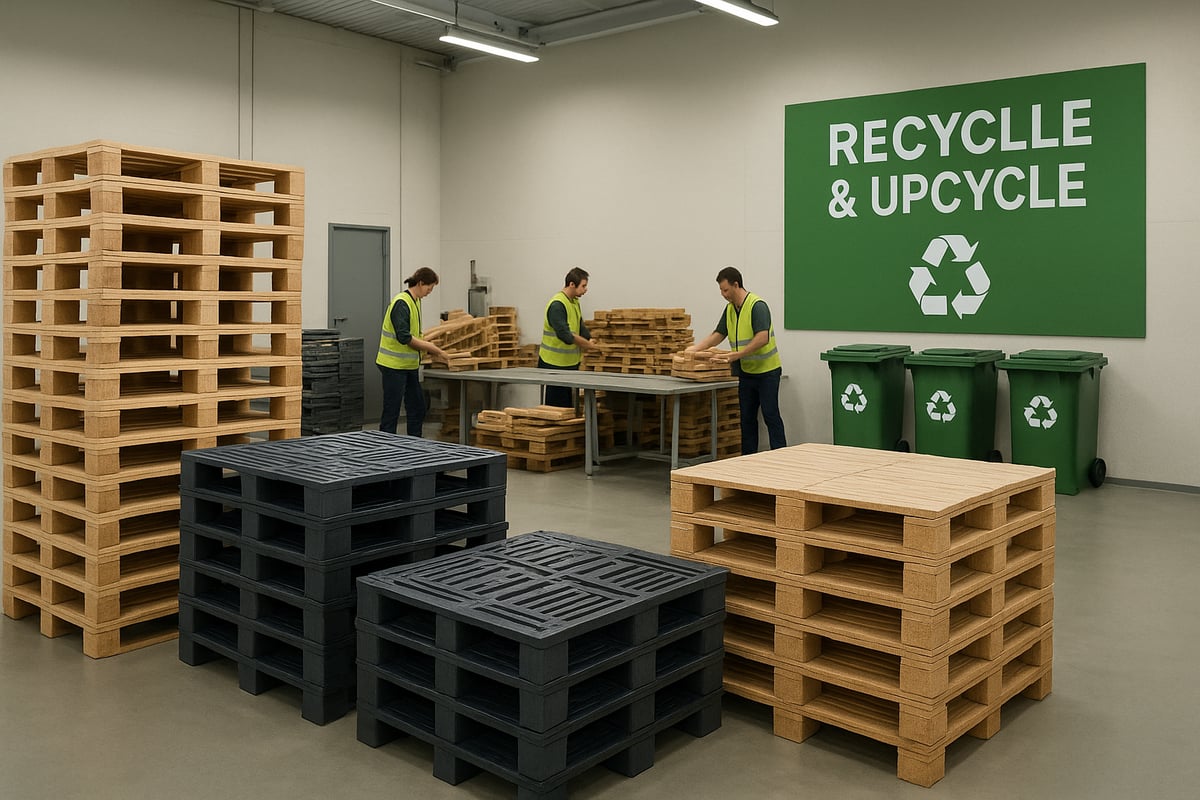
The evolution of pallet recycling starts with material innovation. Traditional wooden pallets remain popular, but newer options like composite, presswood, and recycled plastic pallets are gaining traction. Each material offers unique benefits and drawbacks for pallet recycling:
| Material | Benefits | Drawbacks |
|---|---|---|
| Wood | Renewable, repairable, widely available | Susceptible to pests/moisture |
| Composite | Durable, lightweight, consistent quality | Higher upfront cost |
| Presswood | Stackable, space-saving, made from waste | Lower load capacity |
| Recycled Plastic | Long-lasting, weather-resistant, hygienic | Not biodegradable, costlier |
Demand for sustainable pallet alternatives is rising as more companies seek ways to minimize their carbon footprint. Choosing eco-friendly designs also supports easier pallet recycling at end-of-life, reducing landfill waste. Some recycled pallets meet strict industry standards, making them suitable for food and pharmaceutical shipping. When selecting materials, consider both environmental impact and long-term usability for effective pallet recycling.
Innovative Recycling Methods
Advancements in pallet recycling methods are making the process more efficient and accessible. For plastic pallets, mechanical recycling involves shredding and remolding materials into new products. Chemical recycling, though less common, breaks plastics down to their basic components, allowing for higher-quality reuse.
New technologies are revolutionizing how pallets are processed. Automated dismantling systems use robotics to separate pallet components, improving speed and safety. Material recovery facilities now sort and process large volumes of pallets with minimal manual labor. For example, a leading recycling facility recently implemented robotic arms to extract nails and sort boards, maximizing the yield from every pallet recycling batch.
These innovations not only improve efficiency but also help maintain quality standards, ensuring recycled materials meet industry needs. Staying updated on new recycling technologies can help businesses maximize their pallet recycling efforts.
Reuse and Upcycling Ideas
One of the most creative trends in pallet recycling is upcycling. Instead of discarding old pallets, individuals and businesses are transforming them into furniture, garden beds, shelving, and display units. This approach extends the life of materials and supports sustainability.
Community programs are also making a difference. Pallet exchange networks and donation drives allow surplus pallets to find new uses rather than ending up in landfills. According to an industry report, there has been a 30% increase in pallet upcycling projects since 2022, highlighting the growing popularity of these initiatives.
For beginners seeking inspiration and practical steps, pallet recycling tips and advice can provide valuable guidance on safe, effective upcycling projects. Embracing creative reuse not only reduces waste but also encourages innovation in pallet recycling.
Reducing Pallet Waste at the Source
The most sustainable approach to pallet recycling is to minimize waste from the start. Businesses can optimize inventory management and shipping practices to reduce excess pallet use. Collaborating with suppliers on take-back programs creates a closed-loop system, ensuring pallets are reused multiple times before recycling.
Closed-loop supply chains are gaining momentum, with retailers partnering directly with pallet manufacturers to streamline returns and repairs. One major retailer recently reported a significant reduction in pallet waste through proactive supply chain collaboration, demonstrating the impact of coordinated efforts.
By focusing on prevention and smarter logistics, both companies and individuals can support sustainable pallet recycling and contribute to a circular economy. These strategies help ensure that fewer pallets become waste, reducing costs and environmental impact.
Legal, Safety, and Compliance Considerations
Navigating legal, safety, and compliance elements is essential for anyone involved in pallet recycling. Understanding regulations, workplace hazards, environmental certifications, and documentation requirements ensures your efforts are both effective and lawful. Let’s break down what you need to know.
Regulations on Pallet Recycling and Disposal
Regulations for pallet recycling vary by location but typically involve local, state, and federal guidelines. The Environmental Protection Agency (EPA) and Occupational Safety and Health Administration (OSHA) set standards for safe handling and disposal. Exported pallets must meet ISPM 15 requirements, meaning they need to be heat-treated and properly marked to prevent the spread of pests. Non-recyclable pallets, such as those contaminated with chemicals, should be disposed of at approved facilities. Businesses must stay updated on changing rules to avoid fines. For answers to compliance questions, visit the Frequently asked pallet recycling questions page.
Workplace Safety in Pallet Handling
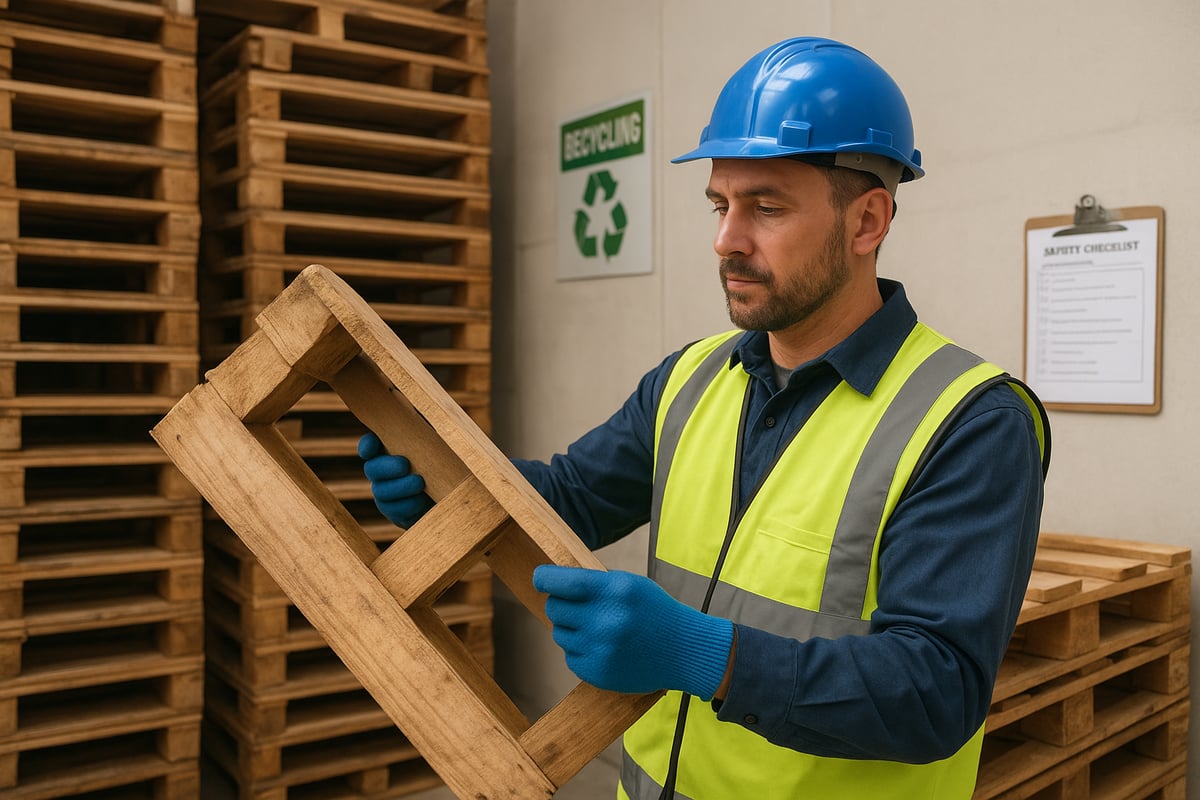
Safety is crucial when handling pallets for recycling. Common hazards include splinters, sharp nails, and the risk of injury from lifting heavy loads. OSHA guidelines recommend wearing gloves, steel-toed boots, and using proper lifting techniques. Training employees on safe pallet recycling practices reduces accidents and ensures compliance. Regular safety audits and using appropriate tools, such as nail removers and safety goggles, further minimize risks. Businesses should display clear safety signage and conduct refresher courses to maintain a safe work environment for everyone involved in pallet recycling.
Environmental Certifications and Standards
Adhering to environmental certifications demonstrates a commitment to sustainable pallet recycling. Certifications like LEED and Forest Stewardship Council (FSC) recognize responsible sourcing and recycling practices. For example, companies can earn LEED credits by diverting pallets from landfills and reusing materials. Certifications not only enhance reputation but also align with customer expectations for green initiatives. Here’s a quick comparison:
| Certification | Focus | Benefit |
|---|---|---|
| LEED | Recycling, diversion | Points for green building |
| FSC | Sustainable sourcing | Market trust, compliance |
Meeting these standards ensures your pallet recycling program is both credible and impactful.
Record-Keeping and Auditing
Comprehensive documentation is vital for compliance and sustainability reporting. Tracking the journey of recycled pallets helps demonstrate environmental impact and supports audit requirements. Digital tools, such as inventory management apps, simplify record-keeping and help track quantities, destinations, and recycling outcomes. Keeping detailed records ensures you can verify compliance with local and federal regulations. Accurate documentation also makes it easier to report on your pallet recycling efforts, which is increasingly important for businesses pursuing environmental goals and certifications.
The Future of Pallet Recycling: Trends and Innovations
The future of pallet recycling is rapidly evolving, driven by environmental priorities and technological breakthroughs. As industries and consumers alike seek greener solutions, understanding upcoming trends is essential for anyone invested in sustainability.
Market Growth and Industry Projections
Pallet recycling is set for notable expansion in the coming years. According to recent forecasts, the global market is projected to grow at an annual rate of 5 percent through 2025, fueled by increasing demand for sustainable logistics and responsible resource management. This growth is not limited to the United States—global adoption is accelerating as businesses recognize both cost and environmental benefits.
A strong focus on reducing landfill waste and conserving materials is pushing companies to adopt pallet recycling on a larger scale. For a deeper dive into market data and future projections, see the Pallet Recycling Market Forecast 2025-2033.
Technological Advancements
Automation is transforming pallet recycling processes. Facilities now employ robotic systems for sorting, dismantling, and repairing pallets, improving efficiency and safety. The integration of AI and IoT enables real-time tracking of pallet flows, optimizing inventory and reducing losses.
For example, smart sensors embedded in pallets provide detailed data on location and condition, allowing companies to predict maintenance needs and extend pallet lifespan. These technological shifts are highlighted in Pallet Industry Trends 2025, which discusses the latest innovations shaping the sector.
Policy and Consumer Trends
Stricter regulations on waste management and recycling are influencing the pallet recycling industry. Governments are introducing policies to limit landfill disposal and encourage material recovery. At the same time, consumers are increasingly prioritizing sustainable packaging and products, prompting companies to adopt eco-friendly practices.
Corporate sustainability commitments are also driving investment in green logistics. Businesses are setting ambitious targets for reducing waste and carbon emissions, making pallet recycling a strategic priority.
Circular Economy and Closed-Loop Systems
The shift toward a circular economy is reshaping pallet recycling. Manufacturers, retailers, and recyclers are collaborating to create closed-loop systems, where pallets are continuously reused, repaired, and recycled instead of discarded. This approach conserves resources and reduces environmental impact.
Major retailers have launched closed-loop pallet programs, partnering with suppliers and logistics providers to ensure pallets remain in circulation. These collaborative efforts support both sustainability goals and operational efficiencies.
Challenges and Opportunities Ahead
Despite progress, pallet recycling still faces challenges. Contamination and inconsistent pallet quality can hinder recycling efforts. Expanding access to recycling infrastructure, especially in underserved regions, remains a priority.
However, these challenges create opportunities for new businesses and services. Innovations in cleaning, sorting, and tracking can improve pallet recycling rates. As the industry grows, entrepreneurs and established companies alike can find their place in this evolving market.


