
In 2025, the right pallet sizes can make or break your logistics strategy, impacting everything from shipping costs to warehouse efficiency. As supply chains become more global and complex, selecting the optimal pallet dimensions is now a critical decision for businesses navigating international trade and automation.
This guide offers a clear, up-to-date overview of essential pallet sizes, their uses, and tips for choosing the best fit for your operations. You will discover the latest standards, explore international differences, compare materials, and learn how industry needs shape pallet dimensions.
Ready to unlock greater efficiency and compliance in your supply chain? Let’s dive in and equip your business for success.
Standard Pallet Sizes in 2025: The Core Dimensions
Selecting the right pallet sizes has become crucial for operational efficiency in 2025. As supply chains grow increasingly complex, understanding current standards, trends, and regional variations is essential for logistics and warehousing success. This section provides a comprehensive overview of the most common pallet sizes, their capacities, and how industry changes are shaping these standards.
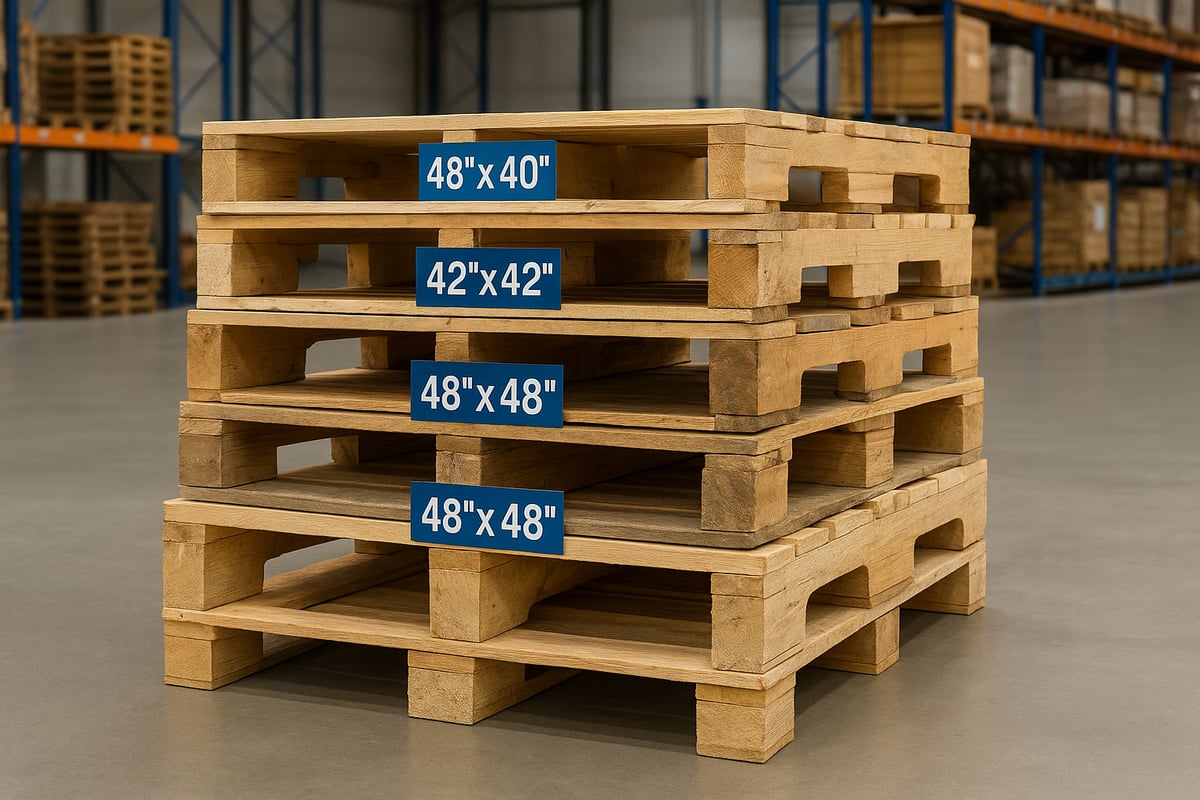
Overview of Most Common Pallet Sizes
In 2025, the logistics industry continues to rely on a core group of pallet sizes for most operations. The most prevalent pallet sizes include 48"x40", 42"x42", 48"x48", 40"x48", 48"x42", 40"x40", 36"x36", 42"x31", and 48"x36". Among these, the 48"x40" GMA pallet stands out, accounting for approximately 30% of new wood pallets in the United States. This dominance is due to its compatibility with racking systems, transportation, and broad industry acceptance. For an in-depth look at the 48"x40" standard, visit the GMA pallet size standards page.
Businesses choose these pallet sizes because they balance load capacity, storage efficiency, and cost-effectiveness. The widespread adoption of these dimensions ensures smooth integration across supply chains and reduces the risk of incompatibility during transport.
Detailed Pallet Size Chart & Load Capacities
Understanding how pallet sizes compare in terms of load capacity and weight is vital for efficient operations. The table below summarizes the key specifications for the most common pallet sizes in 2025:
| Pallet Size (in) | Safe Max Load (lbs) | Avg Weight (lbs) |
|---|---|---|
| 48"x40" | 4,592 | 37 |
| 42"x42" | 4,445 | 36 |
| 48"x48" | 3,700 | 40 |
| 40"x48" | 4,000 | 35 |
| 36"x36" | 2,500 | 28 |
Choosing optimal pallet sizes directly affects handling efficiency, fuel usage, and safety. A heavier pallet increases shipping costs, while higher load capacities allow for better space utilization. Selecting the right combination ensures products are protected and operations run smoothly.
US vs. International Standard Pallet Sizes
Pallet sizes vary significantly between regions. In the United States, pallet sizes are measured in inches, with 48"x40" being the most common. Internationally, metric sizes are more prevalent, such as 1200x1000mm, 1200x800mm (Euro pallet), and 1165x1165mm (Australian standard). Each country may have its own preferred dimensions, impacting cross-border logistics.
These differences in pallet sizes can create challenges for global shipping. Companies must consider container optimization and potential repalletization when moving goods internationally. Adapting to both US and international standards is key for seamless supply chain integration and minimizing costly delays.
Evolution of Pallet Sizes: 2025 Trends
Pallet sizes are evolving in response to major industry trends. Automation and robotics demand more precise, consistent dimensions for compatibility with automated storage and retrieval systems. E-commerce growth drives the need for smaller, modular pallet sizes to accommodate diverse product ranges and faster fulfillment.
Sustainability initiatives are also influencing pallet sizes, with companies opting for designs that reduce material use and support reusability. The integration of digital tracking and IoT devices into pallets is further shaping design specifications to enhance traceability and asset management. As a result, the landscape of pallet sizes is more dynamic and adaptable than ever.
Factors Influencing Pallet Size Selection
When determining which pallet sizes to use, several factors come into play. Product type, weight, and packaging dimensions are primary considerations. Warehouse racking systems and transportation requirements, such as trailer or container compatibility, also influence the decision.
Regulatory and industry standards, including food safety or export regulations, must be taken into account. Cost and sustainability goals, like choosing recyclable materials or maximizing pallet reusability, further drive the selection process. By carefully evaluating these factors, businesses can ensure their pallet sizes support both operational efficiency and compliance.
Pallet Materials and Construction: Impact on Sizing
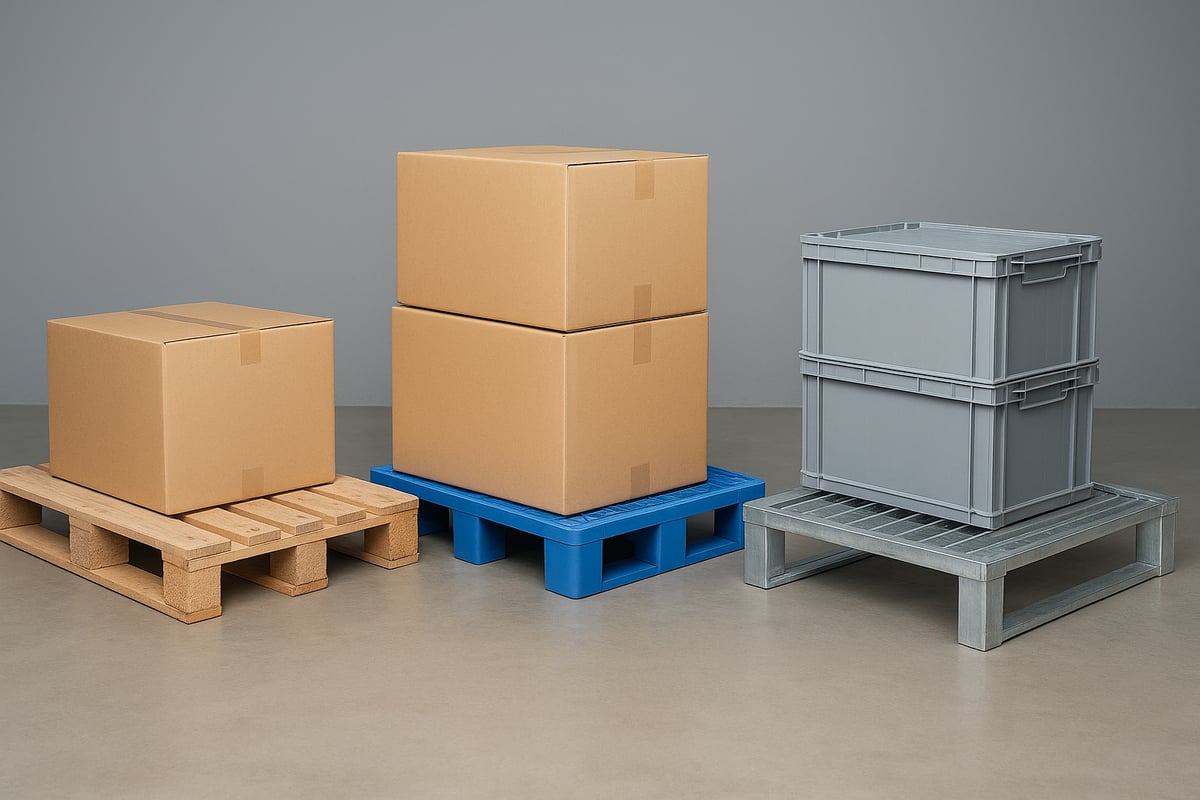
Choosing the right material is fundamental for determining pallet sizes and performance in modern logistics. The material affects not only weight and durability but also industry compliance, cost, and adaptability to automation. Let us explore how wood, plastic, and alternative materials shape the landscape of pallet sizes in 2025.
Wooden Pallets: The Ongoing Standard
Wooden pallets continue to dominate global supply chains due to their durability, repairability, and cost-effectiveness. Most standard pallet sizes, including the widely used 48"x40", are based on wood construction, making them compatible with a vast range of racking and transport systems.
There are two main types: stringer and block pallets. Stringer pallets use parallel boards for support, while block pallets offer four-way entry, improving flexibility. Construction methods influence pallet sizes by dictating maximum load capacity and compatibility with automated systems.
One major benefit of wood is its recyclability. Damaged pallets are often repaired or repurposed, supporting sustainability initiatives. This adaptability ensures wooden pallet sizes remain relevant for diverse industries.
Plastic Pallets: Growing Role in 2025
Plastic pallets are increasingly popular where hygiene, export compliance, and consistent sizing are priorities. Industries like food, pharmaceuticals, and international shipping favor plastic due to easy cleaning and resistance to pests.
Standard plastic pallet sizes often mirror wood, such as 48"x40" or 1200x1000mm, to ensure compatibility with existing equipment. However, plastic manufacturing allows for tighter tolerances, delivering more uniform pallet sizes. For a detailed overview of available options, see Plastic pallet size options.
Plastic pallets are lightweight, durable, and reusable. Their non-porous surfaces prevent contamination, making them ideal for closed-loop supply chains or where cleanliness is crucial. These advantages are driving steady growth in plastic pallet sizes across industries in 2025.
Alternative Materials: Corrugated, Metal, and Composite
Beyond wood and plastic, businesses are adopting alternative pallet materials to solve unique challenges. Corrugated pallets offer lightweight solutions for air freight or one-way shipments, though their load capacity is lower than other pallet sizes.
Metal pallets, often made from steel or aluminum, are chosen for extreme durability and high load requirements, such as in automotive or chemical industries. Composite pallets blend materials for a balance of strength and weight, providing flexibility in custom pallet sizes.
These materials allow for a broader range of pallet sizes but may have limitations in terms of racking compatibility or cost. Industry-specific needs often determine when these options are preferred.
How Material Choice Affects Pallet Dimensions and Performance
The choice of material directly impacts pallet sizes, load capacity, and regulatory compliance. Wooden pallets are heavier but repairable, while plastic and composites are lighter and more consistent in size. Metal options excel in strength but add significant weight.
Material differences affect how pallets stack, rack, and move within warehouses. For example, plastic and composite pallets often feature integrated design elements for automated handling, influencing their pallet sizes.
Compliance is also critical. Wood pallets must meet ISPM-15 for export, while plastic and metal may bypass certain regulations. Ultimately, selecting the right material ensures optimal pallet sizes for efficiency, safety, and sustainability.
Types of Pallet Designs and Modifications
Choosing the right pallet design is critical for operational efficiency and supply chain success. The variety of pallet sizes and structural options in 2025 reflects the evolving needs of modern logistics, automation, and sustainability goals. Let's explore the main types of pallet construction and how modifications can optimize performance.
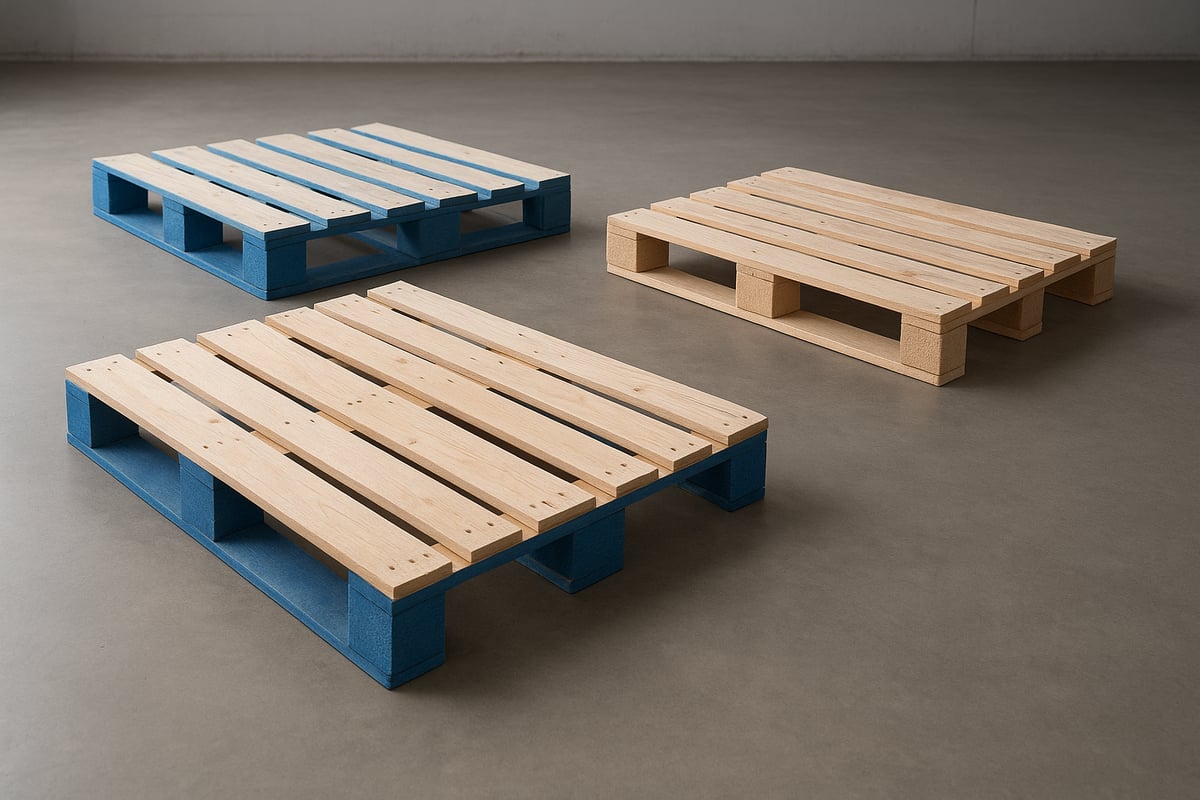
Stringer, Block, and Skid Pallets: Key Differences
Understanding the structural differences between stringer, block, and skid pallets is essential when selecting pallet sizes for your operations. Stringer pallets use parallel pieces of wood (stringers) to support the deck boards and are typically available in both 2-way and partial 4-way entry designs. Block pallets, on the other hand, use solid blocks at each corner and sometimes in the center, allowing true 4-way entry and increased strength. Skid pallets differ by lacking a bottom deck, making them lighter and easier to drag but less stable for stacking.
Common pallet sizes for these designs range from 48"x40" to 42"x42" for block and stringer types, with skid pallets often custom-sized. The choice of design directly impacts how pallet sizes integrate with warehouse automation and handling equipment.
Deck Board Variations: Solid Deck, Double Face, Winged Pallets
Deck configuration plays a significant role in both the functionality and the stability of different pallet sizes. Solid deck pallets feature a continuous top surface, ideal for transporting small or unstable items that could otherwise slip through gaps. Double face pallets have deck boards on both the top and bottom, increasing strength and distributing loads evenly—this is common in heavier-duty applications.
Winged pallets extend the top deck boards beyond the stringers or blocks, providing additional surface area for shrink-wrapping and securing loads. Each deck type is available in multiple pallet sizes, so selecting the right configuration depends on your product's stability and handling requirements.
Entry Types: 2-Way vs. 4-Way Pallets
Entry points are a crucial consideration when evaluating pallet sizes for modern warehouses. 2-way pallets allow forklift access from only two sides, which can limit maneuverability in tight spaces. In contrast, 4-way pallets can be lifted from any side, greatly improving efficiency in high-volume or automated environments.
The entry type often depends on the pallet's internal structure—block pallets almost always offer 4-way entry, while stringer pallets may require notching for the same. Ensuring your chosen pallet sizes match your warehouse equipment and workflow is key to smooth operations.
Custom and Industry-Specific Modifications
Many industries require custom pallet sizes or unique modifications to meet specific supply chain demands. For example, beverage and glass manufacturers may use reinforced corners or specialized deck patterns, while automotive suppliers rely on custom footprints for robotic compatibility. Modifications can also include features like RFID tracking, anti-slip coatings, or unique entry configurations.
Businesses seeking tailored solutions can benefit from Custom pallet sizing solutions, which offer expertise in designing and producing non-standard pallet sizes for specialized applications. This adaptability ensures that every product, from fragile electronics to oversized machinery, moves efficiently through the supply chain.
Sustainability and Reusability Features
Sustainability is a major driver of innovation in pallet sizes and design. Manufacturers now prioritize repairable and modular pallets, which extend usable life and reduce waste. Recycled content, as well as fully reusable plastic or composite designs, are increasingly popular as companies aim to meet green initiatives.
Reusable pallets often feature standardized sizes to fit pooling systems and closed-loop logistics, maximizing resource efficiency. The push for sustainable pallet sizes reflects both regulatory pressures and growing market demand for environmentally responsible supply chain practices.
Industry-Specific Pallet Sizes and Applications
Selecting the right pallet sizes is crucial for meeting the unique demands of different industries in 2025. Each sector relies on dimensions tailored to their products, handling requirements, and supply chain strategies. Understanding these variations helps companies optimize efficiency, reduce costs, and ensure smooth operations across the board.
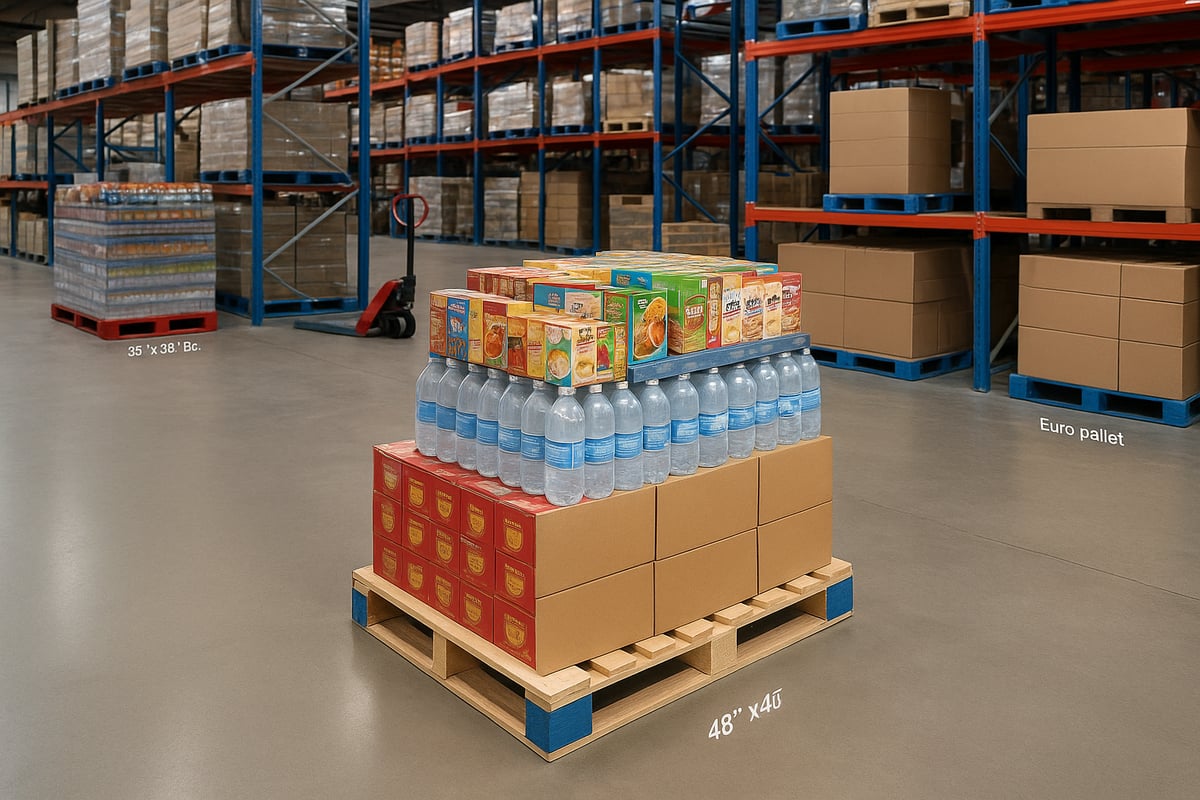
Grocery/GMA Pallets: The 48"x40" Standard
The grocery and retail sectors have long depended on the 48"x40" GMA pallet, making it the most widely used size in the United States. This dimension accounts for over 30 percent of new wood pallets produced, supporting high-volume distribution and easy handling. Grade A (or #1) GMA pallets are preferred for their consistency and durability, while Grade B (#2) options serve less demanding applications.
For those seeking more details about pallet sizes in the grocery industry, the Frequently asked pallet size questions page provides additional insights. This standardization streamlines logistics, reduces product damage, and ensures compatibility with automated systems.
Beverage, Glass, and Can Pallets
Specialized pallet sizes are essential for safely transporting beverages, glass, and cans. The 36"x36" pallet is common for beverage distribution, offering a compact footprint that supports heavy loads and maximizes trailer space. Glass products often require 56"x44" pallets, providing extra surface area and stability for fragile cargo.
Canning operations typically use 44"x56" pallets, which accommodate bulk shipments of cans efficiently. These specialized pallet sizes help prevent shifting during transit and support quick loading and unloading in fast-paced facilities.
Automotive and Industrial Pallets
Automotive and industrial supply chains rely on both custom and standardized pallet sizes to handle large, heavy components. Common dimensions include 1166x1242mm and 1200x1000mm, which are designed for optimal fit within manufacturing and assembly lines. These pallets must support high weight capacities and withstand repeated handling.
Robotic systems and automated guided vehicles (AGVs) are increasingly used in automotive logistics, making precise pallet sizes critical for seamless integration. Durable materials and reinforced construction ensure long service life in demanding environments.
Export and International Shipping Pallets
When shipping products internationally, compliance with global standards and regulations is essential. The Euro pallet (1200x800mm) is the most prevalent size in Europe, while many Asian markets prefer the ISO standard 1100x1100mm or 1200x1000mm pallets. All export wood pallets must meet ISPM-15 requirements to prevent pest transmission.
Selecting appropriate pallet sizes for export reduces the risk of customs delays and optimizes container loading. Compatibility with global racking and storage systems streamlines cross-border logistics, minimizing handling and transfer costs.
E-commerce and Retail Innovations in Pallet Sizing
The rise of e-commerce and omnichannel retail has driven new trends in pallet sizes. Modular half pallets (typically 48"x20") and quarter pallets (24"x20") are now common for in-store displays and direct-to-consumer shipments. These smaller formats support flexible merchandising and efficient last-mile delivery.
Retailers increasingly customize pallet sizes for promotional campaigns, branding, and unique packaging needs. Innovations in pallet design support sustainability goals and enhance the consumer experience, making adaptability a key factor for success in today’s dynamic market.
How to Choose the Right Pallet Size for Your Needs
Selecting the optimal pallet sizes is crucial for efficient logistics and cost control in 2025. By following a structured approach, you ensure your pallets fit your products, supply chain, and business goals. Let's walk through a step-by-step process to help you make the best choice.
Step 1: Analyze Product and Load Requirements
Begin by carefully assessing your product’s dimensions, weight, and packaging style. The type and volume of goods you ship directly determine which pallet sizes are suitable. For heavy machinery, you may need a robust pallet with a high load capacity, while lightweight consumer goods might require a smaller, lighter option.
Evaluate the stability of your products when stacked or wrapped on different pallets. Consider if your goods need extra surface area for stability or if they fit snugly within standard pallet footprints. Matching the right pallet sizes to your products ensures safety during transport and minimizes product damage.
Step 2: Evaluate Supply Chain and Transportation Constraints
Next, examine your warehouse layout, racking systems, and transportation options. The compatibility of pallet sizes with forklifts, pallet jacks, and conveyor belts is essential for smooth operations. In North America, the 48"x40" pallet is widely used because it fits efficiently in trucks and containers, maximizing load capacity.
Optimize your pallet sizes for containerization and truckload utilization. For example, a 48"x40" pallet allows 26 pallets per standard trailer, reducing empty space and transport costs. Choosing the right size simplifies material handling and boosts overall supply chain efficiency.
Step 3: Factor in Industry Standards and Regulatory Compliance
Align your pallet sizes with recognized industry standards such as GMA, ISO, or sector-specific requirements. This is especially important for cross-border shipments, where non-standard pallets can lead to delays or rejections at customs. For exports, ensure compliance with ISPM-15 for wooden pallets to avoid costly setbacks.
Different sectors, like food and pharmaceuticals, may require specific hygiene or material standards. By selecting pallet sizes that meet both regulatory and industry benchmarks, you protect your brand reputation and streamline your logistics.
Step 4: Weigh Material and Sustainability Preferences
Material choice plays a significant role in selecting pallet sizes. Wood, plastic, and alternatives each offer unique benefits regarding lifecycle, durability, and reusability. Sustainability goals are shaping material decisions, with many companies seeking recycled content or opting for reusable solutions.
Consider buy-back and recycling programs that might influence your selection. For insights into how sustainability and automation are impacting pallet materials and sizing, review the Pallet Industry Trends: 2025 Growth, Automation & Sustainability report. This can help align your procurement with emerging best practices and environmental targets.
Step 5: Consider Cost, Availability, and Customization Options
Finally, compare the upfront and long-term costs of different pallet sizes and materials. Availability in your region and supplier capacity for custom or bulk orders also matter, particularly if you require unique sizes for seasonal or promotional products.
Customization allows you to tailor pallet sizes for specific campaigns or product launches. Stay informed about industry innovations and new sizing trends by exploring resources like the 7 Biggest Trends Shaping the Pallet Landscape in 2025. An informed approach helps you balance cost, performance, and flexibility for your logistics operations.
Future Trends and Innovations in Pallet Sizing
Adapting to new technologies and global demands, pallet sizes in 2025 are evolving rapidly. As supply chains modernize, businesses must stay ahead of these trends to ensure efficiency and compliance. Understanding where pallet sizes are headed is essential for future-proofing logistics operations.
Automation and Robotics: Impact on Pallet Dimensions
Automation is transforming warehouses, placing new demands on pallet sizes. Robotic systems require consistent, standardized pallets for smooth operation. Variations in pallet sizes can disrupt automated picking, stacking, and conveyor systems.
To address this, companies are adopting pallets with precise dimensions, uniform entry points, and specific deck heights. For example, fulfillment centers using robotics, such as those operated by Amazon, rely on strict pallet size tolerances to maximize throughput. As automation expands, expect further standardization of pallet sizes to support seamless integration and reduce downtime.
Sustainability and Circular Economy Driving Size Standardization
Sustainability goals are shaping the future of pallet sizes. The shift toward reusable, repairable, and recyclable pallets encourages companies to standardize dimensions for closed-loop supply chains. This approach minimizes waste, simplifies pooling programs, and streamlines reverse logistics.
According to The Future of Pallet Supply: Trends to Watch in 2025, the industry is witnessing a surge in demand for recycled materials and modular pallet designs. Standardized pallet sizes not only reduce environmental impact but also optimize transport efficiency, benefiting both the bottom line and the planet.
Smart Pallets and IoT Integration
Technology is redefining how pallet sizes are managed. Smart pallets equipped with RFID tags and embedded sensors are becoming common. These innovations enable real-time tracking of location, temperature, and load status, giving companies unprecedented control over their assets.
IoT-enabled pallets influence design choices, requiring space for sensors and wiring without compromising structural integrity. As supply chains become more connected, smart pallet sizes will be optimized for both physical compatibility and digital integration, supporting advanced inventory management and loss prevention.
Regional and Global Harmonization of Pallet Standards
Global trade is driving efforts to harmonize pallet sizes across regions. Historically, differences between US, European, and Asian standards complicated international logistics. In 2025, initiatives focus on aligning these standards to simplify cross-border shipping.
Harmonized pallet sizes help multinational companies avoid repalletization, reduce costs, and maximize container utilization. As ISO and other organizations push for unified standards, businesses can expect smoother operations and improved supply chain resilience.


