
The logistics landscape is changing quickly, making efficiency more important than ever. In 2025, mastering pallet transport can be the key to unlocking business savings and operational success.
This essential guide will give you practical strategies and expert advice to optimize pallet transport, minimize risks, and keep your business ahead of new logistics trends.
Inside, you will discover everything from pallet types and transport methods to packaging, compliance updates, technology breakthroughs, and industry tips. Are you ready to learn how top companies streamline shipments, reduce costs, and meet rising customer demands? Read on for your step-by-step roadmap to pallet transport success in 2025.
Understanding Pallet Transport: The Basics for 2025
Pallet transport is the backbone of efficient logistics in 2025. As businesses adapt to rapid market changes, understanding the fundamentals of pallet transport is essential for reducing costs and minimizing risk.
What Is Pallet Transport and Why It Matters
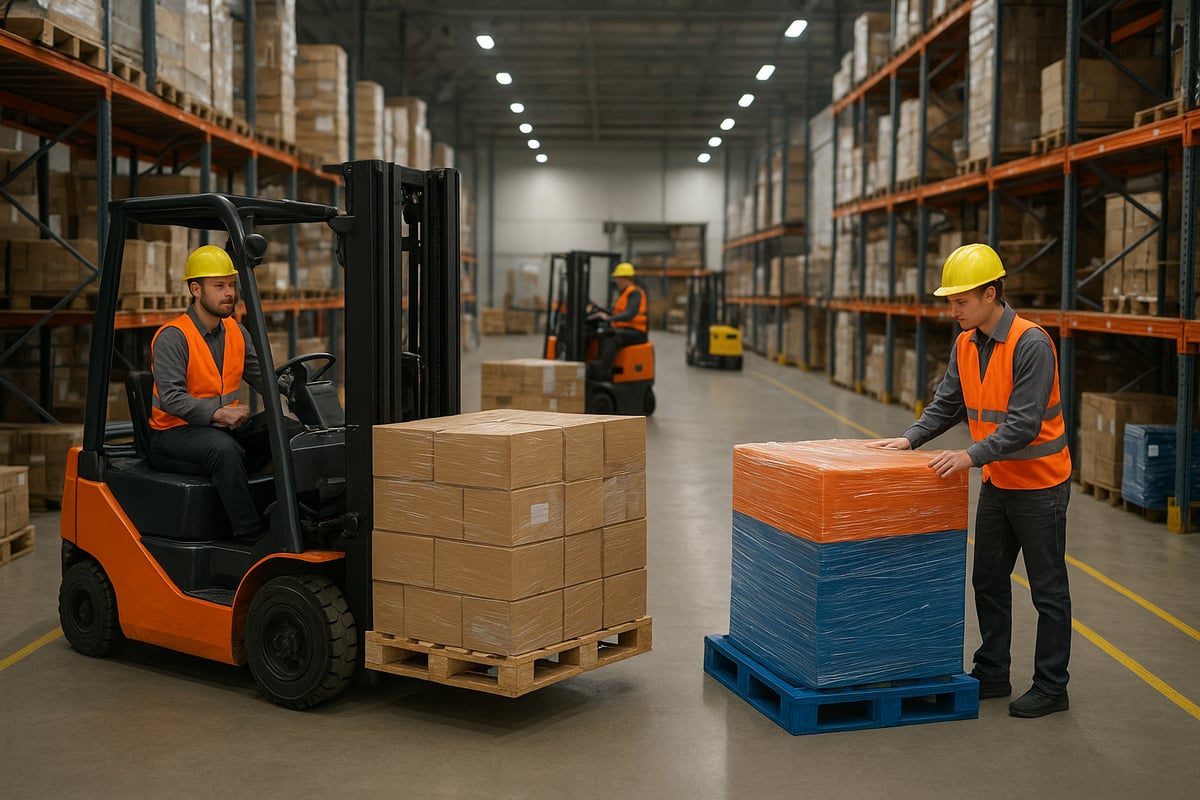
Pallet transport refers to the process of moving goods stacked on pallets through the supply chain, from manufacturers to retailers or end customers. This method has become a standard for shipping a wide variety of products, including retail merchandise, industrial components, and food and beverage items.
The main advantages of pallet transport include faster handling, improved safety for goods and staff, optimal use of storage space, and significant cost savings. For example, a national retailer recently cut damaged goods by 30 percent after switching to palletized shipping.
Globally, over 100 million pallets are transported annually, highlighting the scale and impact of this method. The demand for flexible, secure, and rapid pallet delivery continues to rise as businesses seek to streamline their logistics. To take your shipments to the next level, explore pallet transport tips and strategies for practical advice on best practices.
Types of Pallets: Materials, Sizes, and Choosing the Right One
Selecting the right pallet is critical for successful pallet transport. The two most common materials are wood and plastic, each offering distinct advantages and limitations.
| Pallet Type | Max Load Capacity | Advantages | Limitations |
|---|---|---|---|
| Wooden | Up to 2,500 lbs | Cost-effective, repairable | Prone to moisture, splinters |
| Plastic | Up to 4,000 lbs | Lightweight, durable, hygienic | Higher upfront cost |
Standard sizes, such as 48"x40" in the US, are widely used, but custom and specialized options exist for unique cargo needs. Export-grade and heat-treated pallets are essential for international shipments, especially to meet ISPM-15 regulations.
Environmental concerns are shaping pallet transport decisions. Many companies now prioritize reusable or recyclable pallets to align with sustainability goals. When choosing a pallet, consider the weight, type of goods, and destination to ensure compliance and efficiency.
Key Players in Pallet Transport
The pallet transport ecosystem involves several key players. Shippers are responsible for preparing and dispatching goods. Freight brokers and third-party logistics providers (3PLs) coordinate the movement, while carrier networks handle the actual transport, whether local, regional, or national.
The rise of digital platforms has made it easier to obtain pallet transport quotes and connect with reliable carriers. Choosing trusted partners is crucial for maintaining consistent service and ensuring that shipments arrive on time and in optimal condition.
Step-by-Step Guide: How to Prepare and Ship Pallets Successfully
Preparing for successful pallet transport requires a systematic approach. By following each step carefully, you can reduce risks, control costs, and ensure your shipments arrive safely and on time. Here is a detailed, actionable guide to help you master every stage of the pallet transport process.

Step 1: Assess and Choose the Right Pallet
Start by evaluating the specific needs of your cargo. Consider the weight, size, and fragility of the items you plan to ship. New pallets offer maximum strength, while used pallets may be suitable for lighter loads or non-critical shipments.
Custom pallets can be the best solution for unique items or when standard sizes do not fit your requirements. For tailored advice and options, explore custom pallet solutions for shipping. Remember, compliance is crucial for international pallet transport, so always check regulatory requirements such as heat treatment for export shipments.
Choosing the right pallet impacts safety, efficiency, and cost. A well-matched pallet ensures your goods are protected and ready for any pallet transport scenario.
Step 2: Package and Secure Goods Properly
Proper packaging is essential to successful pallet transport. Use heavy-duty boxes or cartons designed for stacking strength. Arrange boxes with uniform sizes to create a stable base and place smaller boxes on top to avoid crushing.
Secure your items with stretch wrap, straps, or shrink film to prevent shifting during transit. Pay attention to overhanging items, as these can lead to damage or rejection by carriers. Well-wrapped and stable pallets attract more transport providers, increasing your chances of timely and safe delivery.
Careful packaging not only prevents damage but also streamlines the pallet transport process from start to finish.
Step 3: Measure and Record Accurate Dimensions and Weight
Accurate measurements are vital for pallet transport. Measure the pallet’s length, width, and height after loading, and weigh the total shipment with a calibrated scale.
Incorrect data can result in pricing surcharges, delays, or even shipment refusals. Use tape measures and industrial scales for precise results. Record all details and double-check for accuracy before booking.
Providing exact dimensions and weight ensures you receive accurate pallet transport quotes and helps carriers plan safe loading and space allocation.
Step 4: Select the Right Transport Method and Provider
Evaluate whether your shipment is best suited for full truckload (FTL) or less-than-truckload (LTL) pallet transport. FTL is ideal for large, high-value loads, while LTL offers flexibility and cost savings for smaller shipments.
Use digital platforms to compare quotes and services from multiple providers. Review credentials including insurance, customer feedback, and coverage areas. A reliable provider is essential for consistent, high-quality pallet transport.
Selecting the right method and partner gives you control over cost, speed, and reliability.
Step 5: Arrange Pickup, Delivery, and Tracking
Schedule pickup and delivery times that align with your business operations. Many pallet transport providers offer flexible options to fit your workflow.
Real-time tracking technology allows you and your customers to monitor shipments from dispatch to delivery. Consider last-mile services such as express or white-glove delivery for added convenience and care.
Clear communication and tracking help prevent delays, improve transparency, and enhance the overall pallet transport experience.
Step 6: Ensure Insurance and Risk Management
Insurance is a crucial safeguard in pallet transport. Choose from options like accidental damage, single transit, or provider policies, depending on your shipment’s value and sensitivity.
High-value or fragile goods require extra protection. Confirm your coverage details in advance to avoid surprises if issues arise. For added peace of mind, partner with providers who offer comprehensive insurance solutions.
Effective risk management reduces the financial impact of unforeseen events and ensures your pallet transport process remains smooth and secure.
Technology and Innovation in Pallet Transport for 2025
Innovation is rapidly changing the landscape of pallet transport. Businesses that leverage new technologies are gaining a measurable edge in speed, reliability, and cost management. In 2025, keeping up with digital advancements is essential for anyone looking to optimize pallet transport operations. For a broader context on industry-wide trends and data, the Transportation, Supply Chain & Logistics Industry Almanac provides a comprehensive overview of the latest developments.

Digital Platforms and Smart Matching
Digital platforms have transformed pallet transport by connecting shippers directly with qualified carriers. These platforms offer instant quotes, transparent provider ratings, and secure messaging, making it easier to compare options and book services with confidence.
Smart matching algorithms analyze shipment details and carrier availability to optimize route planning and pricing. This innovation reduces empty return trips and helps businesses save up to 70 percent on interstate pallet transport compared to traditional methods.
Key benefits include:
- Faster booking and response times
- More competitive pricing through real-time market data
- Enhanced visibility into carrier reliability
Digital platforms are now central to efficient pallet transport, providing both flexibility and control in a rapidly evolving logistics market.
Real-Time Tracking and Visibility
Real-time tracking is a game changer in pallet transport. GPS-enabled systems allow shippers and recipients to monitor shipments from pickup to delivery, ensuring transparency throughout the process.
Automated notifications keep stakeholders updated on progress, expected arrival times, and any potential delays. This level of visibility supports proactive communication and helps prevent costly disruptions.
Advanced tracking tools also collect valuable data for route optimization and performance analytics. By leveraging these insights, businesses can identify trends, streamline operations, and maintain service excellence in pallet transport.
Automation and Robotics in Warehousing
Automation is reshaping pallet transport in warehouses. Robotic systems now handle loading, unloading, sorting, and stacking tasks with remarkable efficiency and precision.
Automated pallet movers reduce manual labor, minimize errors, and increase throughput. Integrating robotics with warehouse management systems ensures that palletized goods are stored and retrieved quickly, supporting rapid order fulfillment.
The impact of automation includes:
- Lower labor costs
- Improved workplace safety
- Consistent handling of goods
As automation becomes standard, warehouses supporting pallet transport are achieving new levels of productivity and reliability.
Sustainable Solutions and Green Logistics
Sustainability is a top priority in pallet transport for 2025. Companies are adopting eco-friendly pallet materials, such as recycled plastics and certified wood, to minimize environmental impact.
Emissions tracking tools now monitor the carbon footprint of each shipment, helping businesses set and achieve sustainability goals. Digital infrastructure supports efficient last-mile delivery, reducing fuel consumption and urban congestion.
Key strategies for green logistics include:
- Using reusable or recyclable pallets
- Optimizing routes to lower emissions
- Investing in energy-efficient vehicles
Sustainable practices in pallet transport support both cost savings and corporate responsibility.
Case Study: Leveraging Technology for Competitive Advantage
Consider a business that adopted advanced pallet transport technology in 2025. By using a digital platform for smart carrier selection and real-time tracking, the company reduced delivery times by 20 percent and cut shipping costs significantly.
Automated warehousing and data-driven route optimization further streamlined their logistics. As a result, customer satisfaction improved due to faster, more reliable deliveries.
This case highlights how integrating technology into pallet transport can provide a decisive advantage in a competitive marketplace. Staying ahead in technology adoption is now crucial for sustained logistics success.
Regulatory Compliance, Safety, and Risk Management
Navigating regulatory compliance, safety, and risk management is vital for any business engaged in pallet transport. As 2025 approaches, evolving standards and heightened expectations demand a proactive approach to ensure every pallet shipment is secure, legal, and protected from avoidable risks.
Compliance with Local and International Transport Regulations
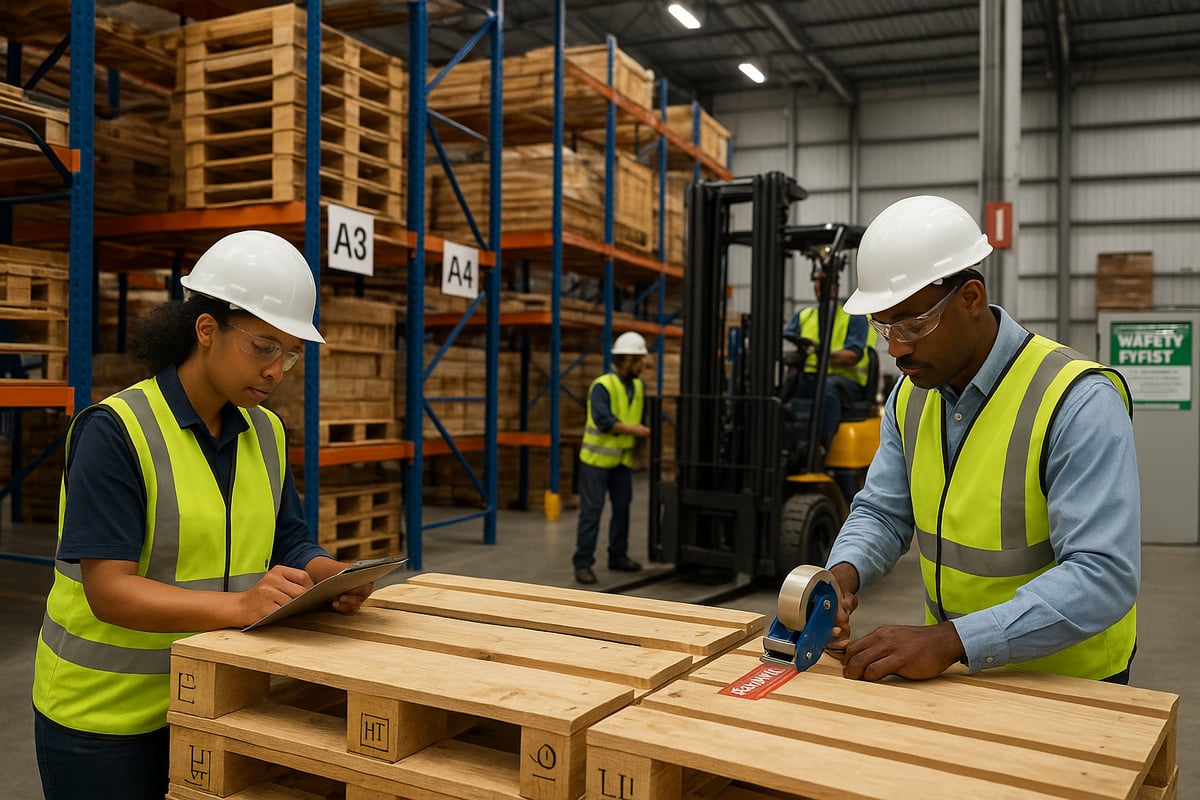
Meeting regulatory requirements is the foundation of successful pallet transport. Shippers must comply with standards such as ISPM-15 for export, which mandates heat-treated or certified pallets to prevent pest transmission across borders. OSHA and DOT regulations also guide safe handling and documentation within national borders.
Export shipments require accurate paperwork and customs declarations. Using heat-treated pallets for export is essential to meet international laws and avoid costly delays or rejections. Regularly review regulatory updates to keep your pallet transport operations smooth and penalty-free.
| Regulation | Scope | Key Requirement |
|---|---|---|
| ISPM-15 | International Export | Heat-treated pallets |
| OSHA | Workplace Safety | Safe handling/training |
| DOT | US Transport | Secure loading, labeling |
Safety Best Practices in Pallet Handling
Ensuring safety during pallet transport protects staff and cargo. Train teams on proper lifting, stacking, and loading techniques to prevent workplace injuries and cargo damage. Use the right equipment, such as forklifts, tailgate lifts, and loading docks, to streamline operations and maintain safety standards.
Regular inspections of pallets for damage or contamination are crucial. Uniform stacking and clear labeling reduce the risk of accidents and speed up handling. Making safety a priority in pallet transport not only safeguards assets but also improves efficiency for every shipment.
- Inspect pallets before loading
- Use mechanical aids for heavy lifting
- Provide ongoing safety training
Insurance and Liability Considerations
Insurance is a critical component of risk management in pallet transport. Businesses should understand the difference between provider policies and self-purchased coverage. Assess if the policy covers accidental damage, theft, or loss for each shipment.
Evaluate the adequacy of coverage for high-value or sensitive cargo. In the event of a claim, document the incident thoroughly and follow the provider's process to maximize reimbursement. By staying informed and proactive, you can minimize financial exposure in your pallet transport operations.
Security and Cargo Protection
Protecting cargo during pallet transport involves both physical and digital measures. Use tamper-evident seals and secure wrapping to deter theft or tampering. Real-time tracking and monitoring further enhance shipment security, especially for high-value goods like pharmaceuticals or electronics.
Adopting strong security protocols significantly reduces cargo theft and loss incidents. According to industry estimates, secure handling practices can lower these risks by up to 40 percent. Investing in robust security for pallet transport delivers peace of mind and demonstrates your commitment to reliable logistics.
Cost Optimization and Strategic Tips for Pallet Transport Success
Optimizing costs in pallet transport is essential for staying competitive in 2025. With the right strategies, businesses can streamline operations, enhance service levels, and still maintain budget control. Let us explore proven methods to reduce expenses without sacrificing quality, while also building a foundation for long-term logistics success.
Reducing Transport Costs Without Compromising Quality
Cost-effective pallet transport starts with smart load planning and leveraging market trends. By sharing loads and using backloading, companies can minimize empty miles and reduce per-shipment expenses. Choosing between new, used, or custom pallets also helps match budget with shipment needs.
Negotiating rates and service agreements with carriers is crucial. Use data from platforms and market resources, such as the global pallet market size 2019-2027, to benchmark rates and forecast demand. Remember, efficient pallet transport relies on balancing cost and reliability for each shipment.
| Cost-Saving Strategy | Impact on Pallet Transport |
|---|---|
| Load sharing/backloading | Lower cost per shipment |
| Used pallets | Reduced upfront investment |
| Rate negotiation | Better long-term savings |
Maximizing Efficiency in Packing and Loading
Packing efficiency directly affects pallet transport costs. Use standardized pallet sizes and stack goods to maximize space utilization. Uniform box sizes provide stability and reduce the risk of shifting during transit.
Proper packaging materials, such as heavy-duty boxes and stretch wrap, protect goods and attract more reliable transport providers. Efficient pallet transport is further enhanced by minimizing manual handling and optimizing load plans, which leads to fewer damages and faster turnaround times.
Enhancing Flexibility and Delivery Performance
Flexibility in scheduling pickups and deliveries is a key differentiator in pallet transport. Opt for providers offering a range of options, including express and last-mile delivery, to meet shifting business demands.
Door-to-door service and variable delivery windows help businesses adapt to urgent or unexpected needs. Flexible pallet transport solutions ensure coverage for both regional and national routes, supporting consistent customer satisfaction.
Data-Driven Decision Making
Tracking key metrics elevates pallet transport from tactical to strategic. Monitor indicators such as on-time delivery rates, damage frequency, and cost per shipment to identify trends and areas for improvement.
Analytics tools support smarter decisions, allowing businesses to optimize routes and carrier selection. The future of pallet transport will rely heavily on data-informed choices, driving both efficiency and cost reduction.
Building Long-Term Partnerships with Providers
Sustained success in pallet transport depends on building strong relationships with reliable providers. Evaluate partners based on communication, consistency, and service ratings. Use industry forecasts, such as the three key predictions for the US pallet market, to inform your strategy and anticipate shifts in supply or pricing.
Retaining preferred carriers often results in improved service quality and smoother operations. Regularly review feedback and adjust your provider mix to ensure pallet transport remains both cost-efficient and high quality.
Frequently Asked Questions and Expert Insights
Navigating pallet transport can be complex, especially as logistics evolves rapidly. Below, we answer the most common questions, offer expert tips, share real-world scenarios, and direct you to valuable resources for mastering pallet transport in 2025.
Common Pallet Transport Questions Answered
When preparing for pallet transport, several questions arise. Here are answers to the most frequent concerns:
- Do you need to wrap your pallet for transport? Yes, it is recommended for safety and to meet provider preferences.
- How long does it take to get a pallet transport quote? On high-traffic routes, quotes often arrive within an hour.
- What are tailgate lifts and when are they needed? Tailgate lifts are essential if there is no forklift or loading dock at pickup or delivery.
- Is insurance necessary for pallet shipments? Insurance is best practice for risk management and peace of mind.
- How do dimensions and weight impact pricing? Accurate measurements are crucial since they directly affect quotes and carrier acceptance.
For additional answers to common queries, see the Frequently asked pallet questions resource.
Expert Tips for 2025 Pallet Transport Success
To succeed in pallet transport in 2025, consider these expert strategies:
- Stay updated on regulatory changes to ensure compliance and avoid costly delays.
- Leverage technology for tracking, automation, and improved visibility.
- Review provider performance and customer feedback regularly to maintain high standards.
- Adopt sustainable practices like choosing recyclable pallets to future-proof your logistics.
- Opt for flexible and scalable solutions to adapt to shifting market demands.
A data-driven approach, supported by industry reports such as those in the Logistics Industry Statistics: Reports 2025, can help you refine your pallet transport strategy.
Real-World Scenarios and Solutions
Practical experience is invaluable when handling pallet transport challenges. Consider these scenarios:
- A business used a digital platform to secure same-day pallet delivery after a freight delay, minimizing customer disruption.
- Another company reduced costs by leveraging backloading and load sharing on popular transport routes.
- With over 8,500 trusted providers available, businesses can easily find reliable solutions for urgent or routine pallet transport needs.
Learning from these cases helps you anticipate and overcome similar challenges in your operations.
Additional Resources and Where to Get Help
To further optimize your pallet transport process, explore these resources:
- Regulatory bodies and industry associations for compliance updates.
- Digital logistics platforms for quotes, tracking, and provider reviews.
- Expert consultations and support services for tailored advice.
Stay proactive by leveraging digital tools and industry knowledge. Regular optimization and informed decision-making are key to ongoing pallet transport success.


