
Choosing the right pallets for sale can make a real difference to your bottom line. The right decision helps save money, increases operational efficiency, and supports your sustainability goals in 2025.
This guide gives you expert advice to master the evolving pallet market. You will discover exactly how to select the best pallets for your business, whether you need standard or specialty solutions.
We will break down the main pallet types, compare materials like wood and plastic, explain grading, and show you where to buy—locally or online. Plus, you will get practical tips to maximize value and minimize costs.
Ready to make smarter, more sustainable choices? Let’s get started.
Understanding Pallet Types: Stringer, Block, and Specialty Options
Choosing the right pallets for sale is crucial for optimizing logistics, reducing costs, and meeting industry requirements. Understanding the main types—stringer, block, and specialty pallets—will help you match your shipping and storage needs with the best solution. Let’s break down each option and see how they fit into today’s fast-moving supply chains.
What Are Stringer Pallets?
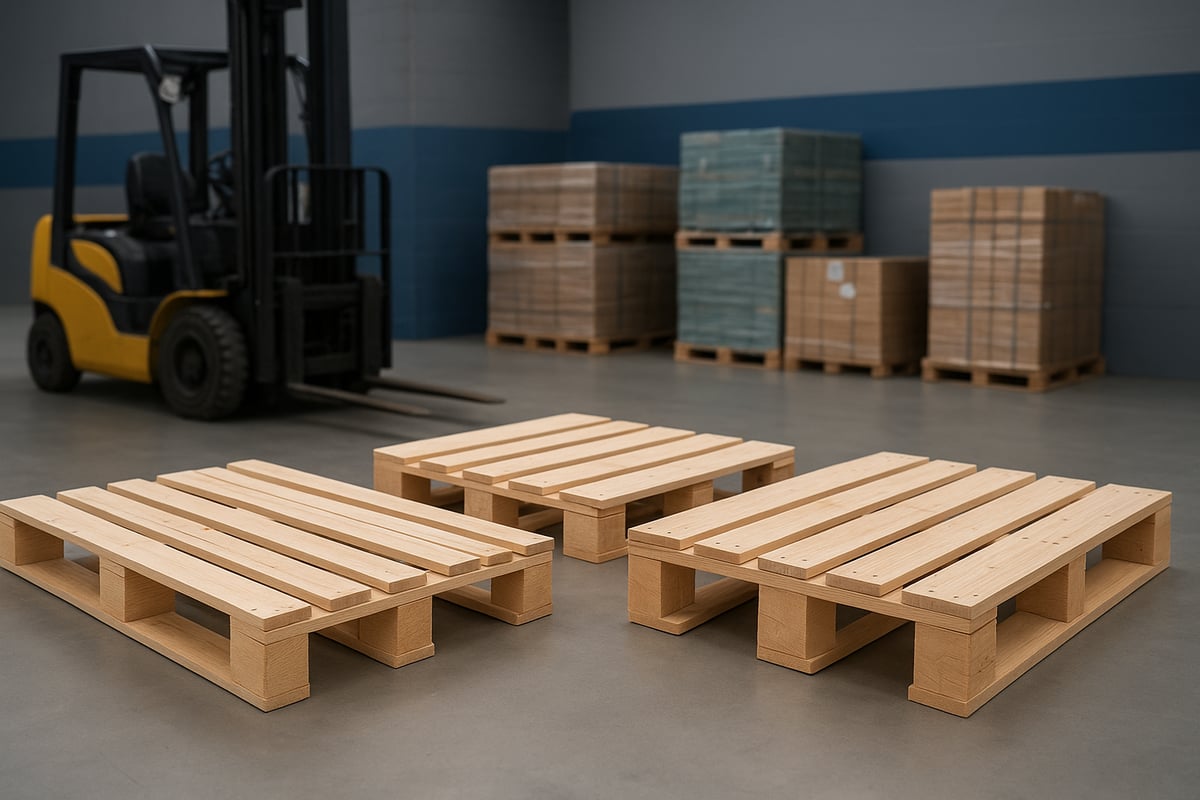
Stringer pallets are the most common pallets for sale in the U.S. logistics market. They use two or three parallel wooden boards, known as stringers, to support the top deck boards. There are two main entry types: 2-way entry, which allows forklift access from two sides, and 4-way entry, which allows access from all sides for greater flexibility.
Benefits:
- Affordable and widely available
- Easy to repair and replace
- Suitable for lighter to moderate loads
Drawbacks:
- Less structural strength for very heavy loads
- Limited durability compared to block pallets
The 48×40 stringer pallet is the industry standard. If your business handles general warehousing or domestic shipping, stringer pallets for sale are a practical and budget-friendly choice.
Block Pallets Explained
Block pallets are constructed with solid blocks—typically nine per pallet—providing superior strength and true 4-way entry. This design makes them ideal for heavy-duty applications where maximum forklift access is essential.
Block pallets for sale are common in international shipping and industries like food and beverage, where durability and ease of handling are critical. The GMA block pallet is a popular option, supporting heavier loads and withstanding repeated use.
Key features:
- Stronger and more durable than stringer pallets
- True 4-way entry for efficient warehouse operations
- Preferred for export and automated systems
If your operations demand high performance, block pallets for sale deliver reliability and consistent quality.
Specialty and Custom Pallets
Some businesses require specialty or custom pallets for sale to accommodate unique products or challenging logistics. These can include display pallets for retail, nestable pallets for space-saving, rackable pallets for automated systems, and export pallets for international compliance.
Custom sizing is essential for items that don’t fit standard dimensions, such as solar panels or fragile equipment. When standard options fall short, exploring custom pallets for unique needs can provide tailored solutions, though it may affect pricing and lead times.
Consider specialty pallets when:
- Shipping fragile or irregularly shaped goods
- Needing compliance with export regulations
- Optimizing warehouse automation
Custom pallets for sale offer flexibility, but planning ahead is key to manage costs and timelines.
Choosing the Right Pallet Type for Your Application
Selecting the best pallets for sale depends on your load type, handling methods, and storage environment. For lighter, domestic goods, stringer pallets suffice. For heavy loads or international shipping, block pallets are preferable. Specialty pallets solve unique challenges but require careful planning.
Checklist for buyers:
- What is the maximum load weight?
- Will pallets be reused or exported?
- Are there industry-specific compliance needs?
- Is automation or racking involved?
Comparing the pros and cons of each pallet type ensures you invest in pallets for sale that align with your business goals and regulatory requirements.
Material Matters: Wood vs. Plastic vs. Alternative Pallets
Selecting the right material is a crucial part of evaluating pallets for sale. In 2025, businesses must weigh cost, durability, compliance, and sustainability to make informed choices. This section breaks down each material option to help you identify the best fit for your operations.
Wooden Pallets: Pros, Cons, and Use Cases
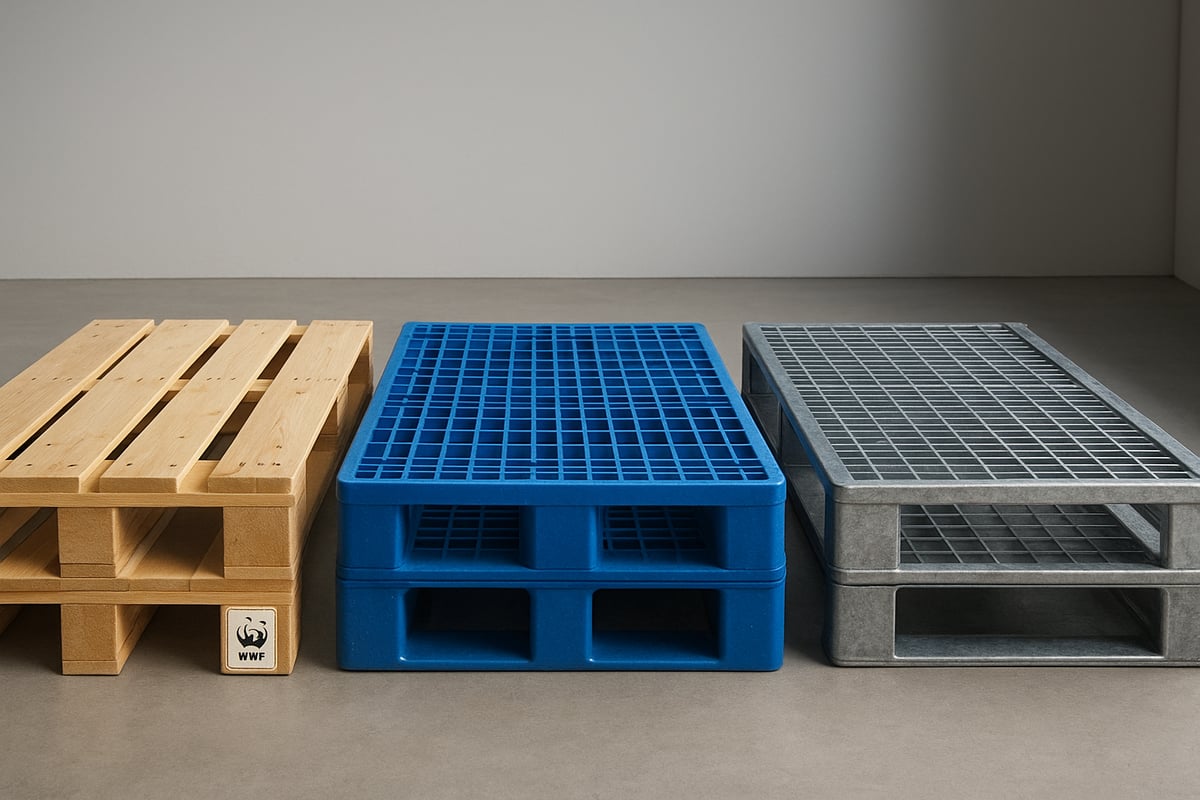
Wooden pallets for sale remain the most popular choice due to their versatility and low upfront cost. They are easy to repair and widely available, making them suitable for general warehousing and shipping. Businesses often choose recycled wood to reduce environmental impact, while new wood pallets are best for strict hygiene or export needs.
Consider the following:
- Cost-effectiveness: Used wooden pallets can be purchased for as little as $5 each.
- Strength: Suitable for most standard loads but may be heavier than alternatives.
- Compliance: Heat treatment is required for international shipments.
A Grade A or B wooden pallet is often ideal for companies seeking balance between price and performance. Remember to check for the ISPM-15 stamp if you plan to export.
Plastic Pallets: Advantages and Limitations
Plastic pallets for sale offer significant benefits in hygiene, durability, and reusability. They are resistant to moisture, pests, and chemicals, making them a top choice for industries like food processing and pharmaceuticals. While the upfront investment is higher, maintenance costs are lower over time.
Key points include:
- Long lifespan: Withstand repeated use and cleaning cycles.
- Lightweight: Easier to move, reducing handling injuries.
- Closed-loop systems: Ideal for operations where pallets circulate internally.
For a deeper dive into types and industry uses, visit this Plastic pallets for sale overview. Weigh these benefits against your specific needs before choosing plastic.
Alternative Materials: Metal, Presswood, and Corrugated
Alternative pallets for sale include metal, presswood, and corrugated options. Each serves a distinct niche in logistics and shipping. Metal pallets excel in extreme durability and are perfect for heavy loads or harsh environments. Presswood pallets are molded from recycled wood fibers and are a smart choice for one-way or export shipments due to their low weight and cost.
Corrugated pallets, made from layered cardboard, are ideal for lightweight, disposable applications. They are cost-effective and eco-friendly, though not suited for heavy or wet loads.
Sustainability and lifecycle costs should guide your decision when considering these alternatives, especially for specialized or short-term needs.
Comparing Materials: Which Is Best for 2025?
Choosing the right pallets for sale means balancing cost, performance, and compliance. Here's a quick comparison:
| Material | Avg. Price (2025) | Strength | Lifespan | Sustainability |
|---|---|---|---|---|
| Wood | $5–$25 | Medium-High | Moderate | Recyclable |
| Plastic | $20–$80 | High | Long | Reusable |
| Metal | $50–$120 | Very High | Very Long | Recyclable |
| Presswood | $7–$15 | Low-Medium | Short | Biodegradable |
| Corrugated | $5–$10 | Low | Very Short | Compostable |
In 2025, trends favor sustainable and reusable materials. Assess your supply chain needs, budget, and environmental goals before making a final decision.
Pallet Grades and Conditions: What Buyers Need to Know
Whether you are sourcing pallets for sale for the first time or optimizing your supply chain, understanding pallet grades and conditions is critical. Grades impact cost, performance, and compliance, so making informed choices ensures you get the right value for your business.
Grade A vs. Grade B vs. Used Pallets
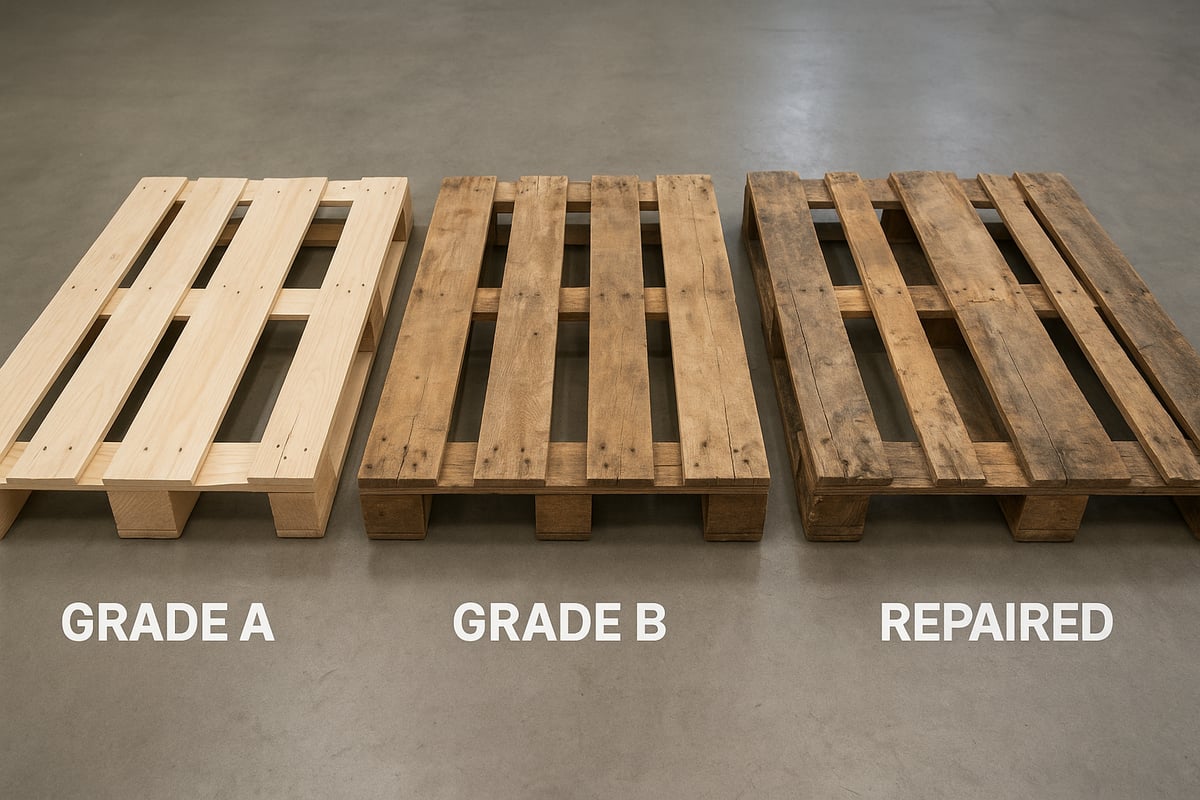
Pallets for sale are typically categorized into Grade A, Grade B, or Used. Grade A pallets look almost new, with minimal repairs and strong boards. Grade B pallets have more visible repairs, like extra runner plates or replaced deck boards, but still function well for many applications. Used pallets may show heavier wear, more repairs, or signs of age.
Here is a quick comparison:
| Grade | Typical Price | Condition | Best Use |
|---|---|---|---|
| Grade A | $7-10 | Clean, minimal repair | Retail, export |
| Grade B | $4-5 | Moderate repair | Warehousing, shipping |
| Used | $2.96+ | Heavy wear | One-way, recycling |
Buyers should inspect for broken boards, missing nails, and overall cleanliness. For example, Grade A pallets for sale in Richmond, VA run about $9.47, while Grade B in Forest Park, GA is $4.74.
New vs. Recycled/Remanufactured Pallets
Choosing between new and recycled pallets for sale depends on your priorities. New pallets offer consistent sizing, higher strength, and meet strict compliance needs, making them ideal for food or pharma industries. Recycled or remanufactured pallets, on the other hand, deliver significant cost savings and are eco-friendly, reducing landfill waste.
Many businesses cut pallet costs by up to 70 percent with used options. For those interested in maximizing savings and sustainability, explore used pallets for sale options to compare quality and pricing. Remanufactured pallets are carefully inspected and rebuilt, offering reliable performance for most shipping needs.
Inspection and Quality Control Tips
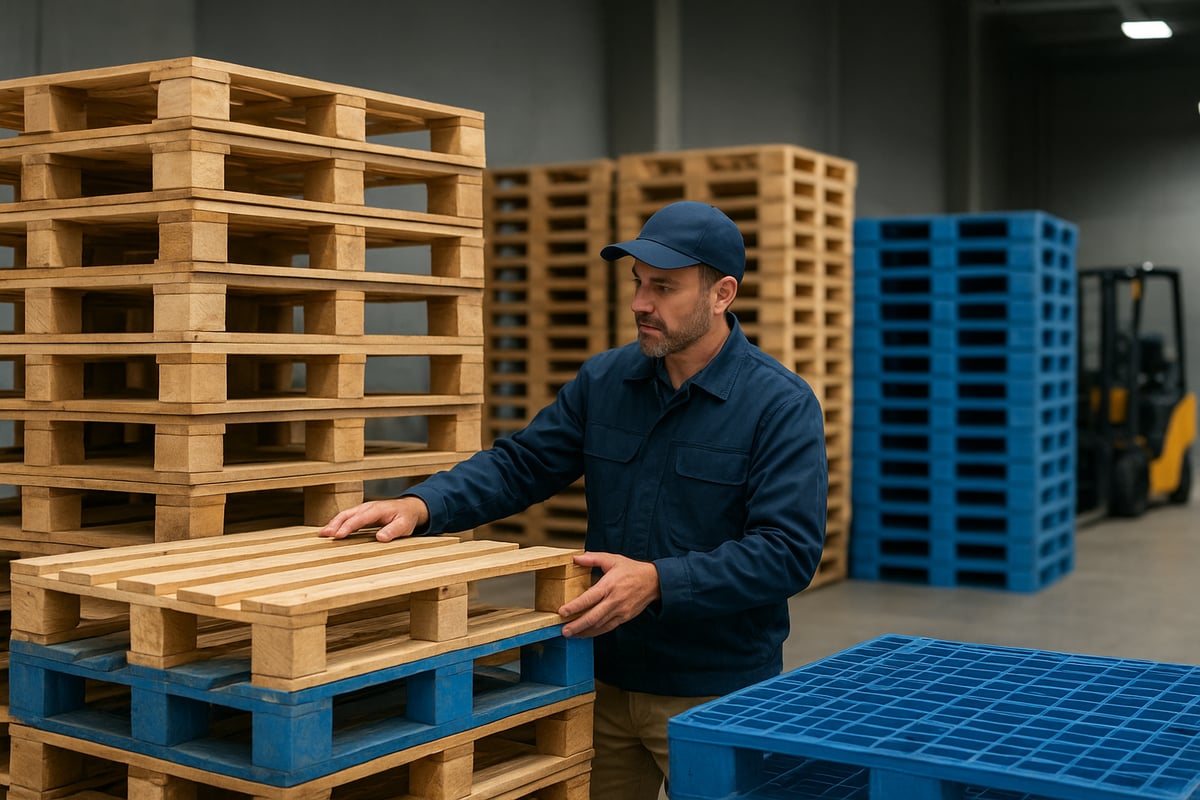
Inspection is a must when considering pallets for sale. Always check for visible cracks, missing or loose boards, protruding nails, and signs of contamination. Confirm that repairs are secure and the pallet can support your intended load.
Follow these inspection steps:
- Look for any broken or split wood.
- Test for stability by applying downward pressure.
- Ensure no signs of mold, oil, or chemical stains.
Ask suppliers about their quality control process, and request load testing documentation if possible. Reliable sellers, especially on major marketplaces, provide detailed specs and photos. Avoid pallets with excessive repairs or unclear sourcing.
Choosing the Right Grade for Your Business
Selecting the right grade of pallets for sale means balancing price, durability, and risk. Retailers and exporters often require Grade A for appearance and compliance. Warehouses or manufacturers may use Grade B or recycled, saving money without sacrificing performance.
Consider these factors:
- Industry regulations (e.g., food, pharma)
- Required load capacity
- Frequency of pallet reuse
- Bulk buying discounts
If damage rates rise or product safety becomes a concern, it may be time to upgrade from Grade B to Grade A. Use a checklist to match your needs to the right grade and supplier.
Where to Buy Pallets: Online, Local, and Direct-from-Supplier Options
Finding the right source for pallets for sale is essential for cost savings, quality, and business efficiency. In today's market, buyers can choose from a wide range of channels, each with its own set of advantages. Understanding these options will help you secure the best pallets for sale for your unique needs.
Online Marketplaces for Pallet Sales
Online platforms have transformed how businesses find pallets for sale. Leading sites like Repackify and major supplier websites offer extensive inventories, allowing buyers to search, compare, and order with just a few clicks.
Benefits of online marketplaces include:
- Wide selection of new, used, and specialty pallets for sale.
- Transparent pricing, often ranging from $2.96 up to $20.13 per pallet.
- Verified sellers and detailed product listings for informed decisions.
The process is straightforward: filter by location, material, or pallet type, then place your order and arrange delivery. For safe transactions, always check seller ratings, read reviews, and confirm return policies. These steps help ensure you get pallets for sale that meet your expectations.
Local Pallet Suppliers and Dealers
Buying pallets for sale from local suppliers offers several distinct benefits. Local sources often provide faster delivery times and reduced freight costs, making them ideal for urgent needs or ongoing supply.
To find reputable suppliers, search directories, ask for referrals, or check local business listings. Pricing can be competitive, and you may be able to negotiate better rates for bulk purchases. For example, suppliers in cities like Los Angeles, Chicago, and Atlanta frequently offer both pickup and delivery options.
When considering pallets for sale locally, visit the supplier to inspect quality and discuss terms. Building a relationship with a trusted dealer can lead to ongoing savings and reliable service.
Direct from Manufacturers and Custom Orders
For businesses with large orders or unique requirements, going direct to manufacturers is often the best way to secure pallets for sale tailored to your needs. Manufacturers can provide custom sizing, heat-treated or export-compliant pallets, and rapid turnaround times.
Working directly means you can specify exact requirements and negotiate on price, especially for orders of 500 units or more. Lead times vary, but some manufacturers can deliver 900 pallets in as little as three days. Always vet manufacturers by checking references, certifications, and quality control standards.
If you are considering new pallet options or want to understand the process in depth, the New pallets for sale guide offers a comprehensive overview of what to expect and how to choose the right supplier.
Buying Used and Recycled Pallets
Opting for used or recycled pallets for sale can cut costs significantly, sometimes by up to 70 percent compared to new. Many businesses now participate in buy-back or recycling programs, ensuring a steady supply of quality used pallets and supporting sustainability goals.
To source reliable used pallets for sale, work with established recyclers or suppliers who offer inspection and grading. For example, Vermont dealers often list used 4-way stringer pallets for as low as $2.96 each. Look for suppliers with environmental certifications, which indicate responsible sourcing and processing.
Used pallets for sale are ideal for businesses prioritizing cost savings and eco-friendly practices, provided quality checks are in place.
Regional and Industry-Specific Sources
Shopping for pallets for sale by region can reduce freight costs and simplify logistics. Many suppliers offer state or regional directories, letting you compare sources in California, Texas, New York, and beyond.
Industry-specific suppliers cater to sectors like food, pharmaceuticals, or retail, ensuring compliance with relevant regulations. Local laws may affect sourcing, especially regarding wood treatment or recycling requirements.
For the best results, use state-by-state resource links to identify the most suitable pallets for sale for your location and industry needs. This approach ensures compliance, cost efficiency, and supply chain reliability.
Pallet Costs in 2025: Pricing, Savings, and Budgeting Tips
Understanding the cost of pallets for sale in 2025 is essential for efficient budgeting and smart purchasing. Pricing varies widely based on type, grade, material, and quantity, so knowing the market landscape helps you make the best financial decision.
Price Ranges for Different Pallet Types and Grades
Pallets for sale come in several varieties, each with its own price range. Here is a quick comparison:
| Pallet Type/Grade | Price Range (USD) | Typical Use Case |
|---|---|---|
| New Wood | $15–$25 | General warehousing |
| Used Wood | $2.96+ | Budget operations |
| Grade A | $7–$10 | Retail, export |
| Grade B | $4–$5 | Internal logistics |
Factors like size, material, grade, and order quantity all affect pallet pricing. Bulk discounts are common, and seasonal trends may impact costs. For example, a Grade B pallet in Seattle can be found for $4.56. To ensure you get accurate quotes, always compare multiple suppliers and clarify delivery charges. For more on how market shifts influence these prices, see pallet industry trends 2025.
How to Save Money on Pallet Purchases
Businesses seeking pallets for sale can significantly reduce expenses by exploring different buying strategies:
- Opt for used or recycled pallets to cut costs by up to 70 percent.
- Negotiate bulk rates or secure long-term contracts for better pricing.
- Take advantage of buy-back and recycling programs for additional savings.
- Always clarify all costs up front to avoid hidden fees, such as delivery or taxes.
For example, companies that switch to recycled pallets often report major savings over time. Staying flexible with pallet types and suppliers helps maintain a cost-effective operation.
Calculating Total Cost of Ownership
The sticker price is just the start when evaluating pallets for sale. Consider ongoing repair, maintenance, storage, and replacement costs. Wood pallets may have a lower upfront price but often require more repairs, while plastic pallets cost more initially but last longer and need less maintenance.
A lifecycle analysis can be helpful:
- Wood: Lower initial, higher repair/replacement
- Plastic: Higher initial, lower maintenance
- Alternative: Varies, often used for specific needs
For instance, investing in higher-quality pallets can pay off if they reduce downtime or damage. Reviewing pallet industry trends 2025 can help identify cost-saving innovations and regulatory factors affecting total ownership costs.
Budgeting for Growing Businesses
As your business expands, forecasting your need for pallets for sale becomes crucial. Choose suppliers who offer flexible order quantities and rapid fulfillment for urgent orders. Building strong relationships with suppliers can unlock better pricing and priority service.
Consider these budgeting tips:
- Use forecasting tools or templates to estimate future pallet needs.
- Seek suppliers with scalable solutions for fluctuating demand.
- Plan for seasonal spikes to avoid last-minute premium costs.
- Regularly review supplier contracts for savings opportunities.
A well-managed pallet budget supports business growth without costly surprises.
Sustainability and Compliance: Eco-Friendly Pallet Choices
Pallets for sale are no longer just a logistics decision—they are a sustainability statement. In 2025, buyers are expected to weigh both environmental responsibility and compliance when choosing pallets. This section covers the key considerations to help your business make greener, smarter choices.
Environmental Impact of Pallet Choices
When considering pallets for sale, environmental impact is a top concern. Wooden pallets remain popular due to their recyclability, but they do contribute to deforestation if sourced unsustainably. Plastic pallets offer durability and reusability, but their production involves fossil fuels and recycling can be limited.
Recently, corrugated and paper pallets have gained traction as eco-friendly alternatives. According to paper pallets market analysis, more companies are adopting these solutions to reduce their carbon footprint and landfill waste. Each reused or recycled pallet helps save trees and keeps materials in circulation.
To measure your impact, track how many recycled pallets you use annually and calculate reductions in landfill contributions. Choosing sustainable pallets for sale supports both your business goals and the planet.
Regulatory Compliance: ISPM-15 and Beyond
Compliance is crucial when evaluating pallets for sale, especially for businesses shipping internationally or handling food and pharmaceuticals. ISPM-15 regulations require all wood pallets for export to be heat-treated and stamped, ensuring pests and pathogens are eliminated.
For food and pharma, pallets must meet strict hygiene standards and use approved materials. In 2025, state and federal rules are evolving, so always check for the latest requirements before purchasing. Common compliance certifications include ISPM-15, FDA approval for materials, and local environmental standards.
Avoid pitfalls by sourcing from reputable suppliers who provide documentation for each pallet batch. This ensures your pallets for sale meet all regulatory needs and keep your supply chain running smoothly.
Implementing a Circular Pallet Program
Launching a circular pallet program is a powerful way to boost sustainability with pallets for sale. Start by partnering with suppliers who offer buy-back or recycling initiatives. These programs collect used pallets, refurbish or recycle them, and return them to the supply chain.
Closed-loop systems are becoming popular for companies aiming to maximize pallet reuse. Track metrics like reuse rates and waste reduction to demonstrate progress. Communicate your efforts internally and to customers for added value.
A simple checklist for success:
- Choose suppliers with recycling programs
- Monitor and report sustainability metrics
- Educate staff on proper pallet handling
With the right setup, your pallets for sale strategy will support a circular economy and reduce overall costs.
Future Trends in Sustainable Pallet Solutions
The future of pallets for sale is shaped by innovation and shifting market demands. Biodegradable and composite pallets are emerging, offering solutions that break down naturally or use recycled materials. Smart pallets with tracking technology help optimize logistics and reduce waste.
Sustainability is a driving force, as detailed in the global pallet packaging market trends, with retailers prioritizing green supply chains and eco-friendly materials. Regulations are tightening, pushing businesses to adopt sustainable practices ahead of deadlines.
To stay competitive, monitor new materials, invest in compliance, and partner with forward-thinking suppliers. The right pallets for sale will keep your business ahead of the curve and aligned with the future of logistics.


