
Are you ready to discover why presswood pallets are transforming logistics and supply chains in 2025? This comprehensive guide delivers data-driven insights into presswood pallets, from their eco-friendly manufacturing to their key advantages for exporters and warehouse managers. We’ll explore what presswood pallets are, how they are made, their unique benefits, compliance tips, a comparison with other pallet types, and the latest industry trends. If you want to future-proof your supply chain and make smart choices for 2025, this guide is your essential starting point.
What Are Presswood Pallets?
Presswood pallets are transforming the way companies handle shipping and storage in global supply chains. Their unique construction and innovative features make them a compelling choice for modern logistics. Let us break down what sets these pallets apart and why they are gaining traction across industries.
Definition and Core Characteristics
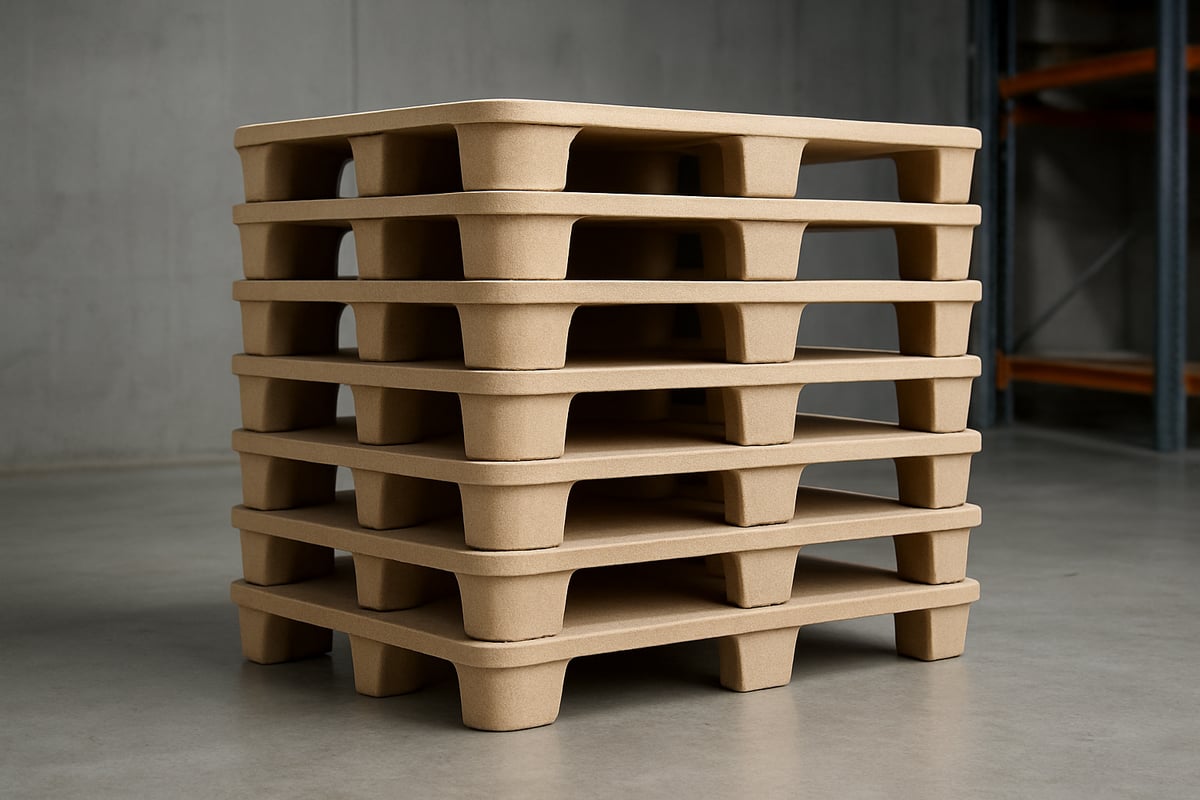
Presswood pallets are engineered shipping platforms created from recycled wood fibers blended with resin. These materials are compressed under heat and pressure to form a solid, durable unit. The nestable design allows multiple pallets to stack compactly, saving valuable storage space.
Unlike traditional wooden pallets, presswood pallets are free from nails or staples, which significantly reduces the risk of product damage and workplace injury. They are up to 60% lighter than standard wood pallets, making them easier to handle and more cost effective for transport. Rounded corners add an extra layer of safety and durability, protecting both goods and workers.
Manufacturing Process Overview
The production of presswood pallets begins with sourcing recycled wood, which is then fiberized and dried. The fibers are blended with resin and shaped in a hot-press molding machine, where heat and pressure create a strong, uniform pallet. After cooling, each pallet undergoes quality control checks to ensure consistency in size and strength.
This eco-friendly, closed-loop manufacturing process not only minimizes waste but also guarantees a uniform product every time. The heat treatment applied during molding makes presswood pallets compliant with ISPM 15 export standards, eliminating the need for additional treatment. For a deeper look at manufacturing and market dynamics, the Global Presswood Pallets Market Report 2025 Edition offers comprehensive insights.
Standard Sizes and Load Capacities
Presswood pallets are available in standard sizes such as 42"x42" and 48"x40", aligning with common industry requirements. A typical standard model weighs between 79 and 81 pounds, making it significantly lighter than many alternatives.
These pallets support static loads up to 2,000 pounds when floor supported. However, they are not rated for unsupported rack storage, which means buyers should evaluate their racking needs carefully. Many suppliers also offer custom sizing options to meet specific business requirements.
Key Use Cases and Industries
Presswood pallets excel in a wide range of applications. They are widely used in export shipping, food and beverage distribution, pharmaceuticals, retail, e-commerce, and warehousing. Their lightweight nature makes them ideal for air freight, where every pound counts.
These pallets are perfect for both single-use export and closed-loop logistics settings. Manufacturers shipping overseas and retailers looking to maximize warehouse space are among the top adopters. The adaptability and regulatory compliance of presswood pallets make them a smart solution for modern supply chains.
Advantages of Presswood Pallets in 2025
As businesses look to streamline logistics in 2025, understanding the unique strengths of presswood pallets is essential. These pallets are rapidly gaining ground due to their eco-friendly design, cost effectiveness, compliance advantages, safety features, and flexible use across industries.
Sustainability and Environmental Impact
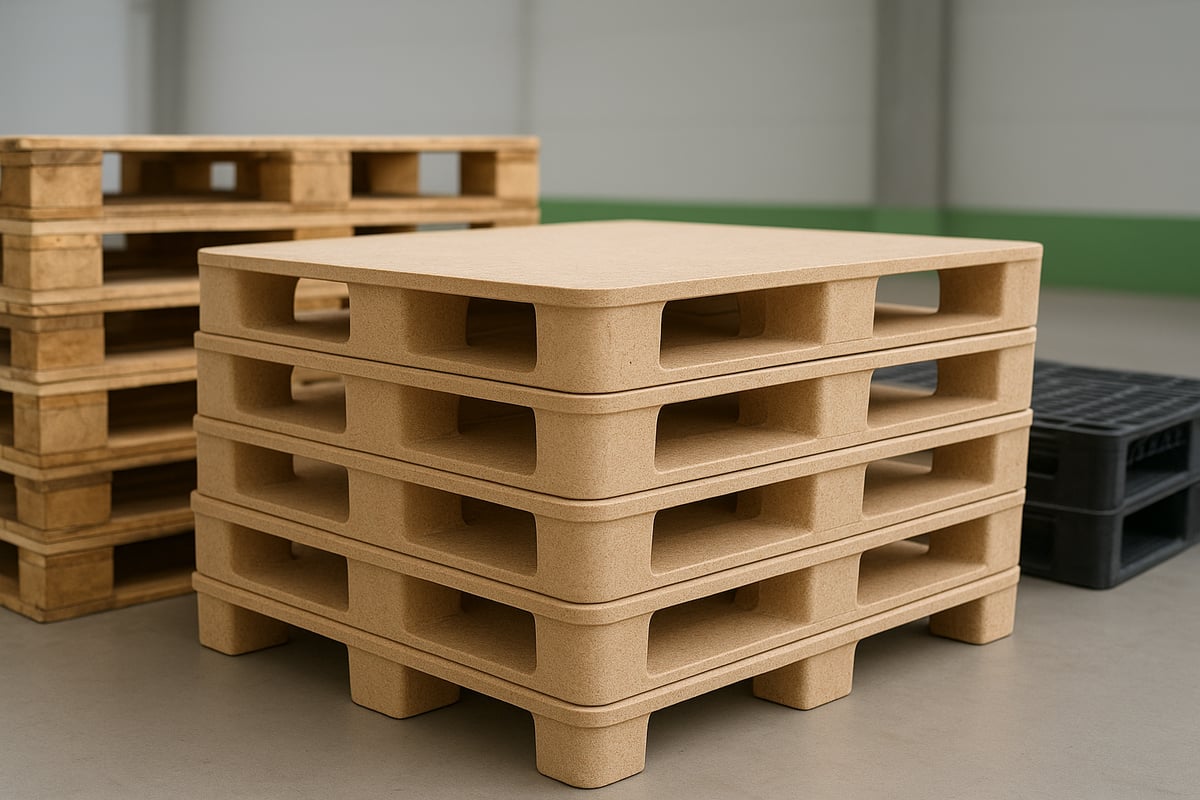
Presswood pallets stand out as a sustainable choice for modern supply chains. Manufactured from recycled wood fibers, they help divert waste from landfills and reduce the demand for new timber. The entire lifecycle of presswood pallets supports circular economy principles—after use, they can be fully recycled or even repurposed in buy-back programs.
By choosing presswood pallets, companies can significantly lower their carbon footprint compared to traditional wooden options. This makes them an ideal component for organizations pursuing ambitious sustainability goals or aiming to comply with evolving environmental regulations. As more brands commit to eco-friendly practices, the adoption of presswood pallets is expected to rise further.
Cost Efficiency and ROI
Cost savings are a major advantage of presswood pallets. Their lightweight structure means shippers pay less for freight, especially when air transport is involved. The ability to nest over 50 pallets within an 86 inch stack height maximizes warehouse space and cuts down on storage expenses.
Presswood pallets are typically less expensive per unit than plastic or new wooden pallets. They require no repairs thanks to their single piece construction, eliminating ongoing maintenance costs. For businesses evaluating total cost of ownership, presswood pallets often deliver a compelling return on investment, particularly in high volume or export heavy operations.
Compliance and Export Readiness
Navigating export regulations is easier with presswood pallets. Each pallet is ISPM 15 compliant from the outset, as the manufacturing process uses heat and pressure to achieve the necessary phytosanitary standards. This means presswood pallets are readily accepted by customs worldwide, minimizing the risk of shipment delays.
For companies seeking additional guidance on export ready pallet options, the Heat Treated Pallets for Export page offers valuable compliance information. With no bark or pests and clear documentation, presswood pallets streamline international shipping and simplify logistics planning.
Safety and Handling Benefits
Worker and product safety are top priorities in any supply chain. Presswood pallets provide a safer alternative to traditional wood, as they contain no nails, staples, or splinters. Rounded corners protect goods and equipment from accidental damage during handling.
The lighter weight of presswood pallets reduces the risk of lifting injuries for warehouse staff. Their consistent shape and smooth surfaces also make them easier to move with forklifts or pallet jacks. These features help companies maintain safer workplaces and reduce costly incidents.
Versatility and Customization
Presswood pallets are suitable for a wide array of applications, from exporting consumer goods to supporting closed loop logistics. They can be custom molded to specific dimensions or even branded with company logos, providing a tailored solution for unique supply chain needs.
Their compatibility with standard material handling equipment, including 4 way entry for forklifts and pallet jacks, ensures seamless integration into existing operations. Whether shipping pharmaceuticals, food, or retail products, presswood pallets offer the flexibility and reliability modern businesses demand.
Presswood Pallets vs. Wood, Plastic, and Other Alternatives
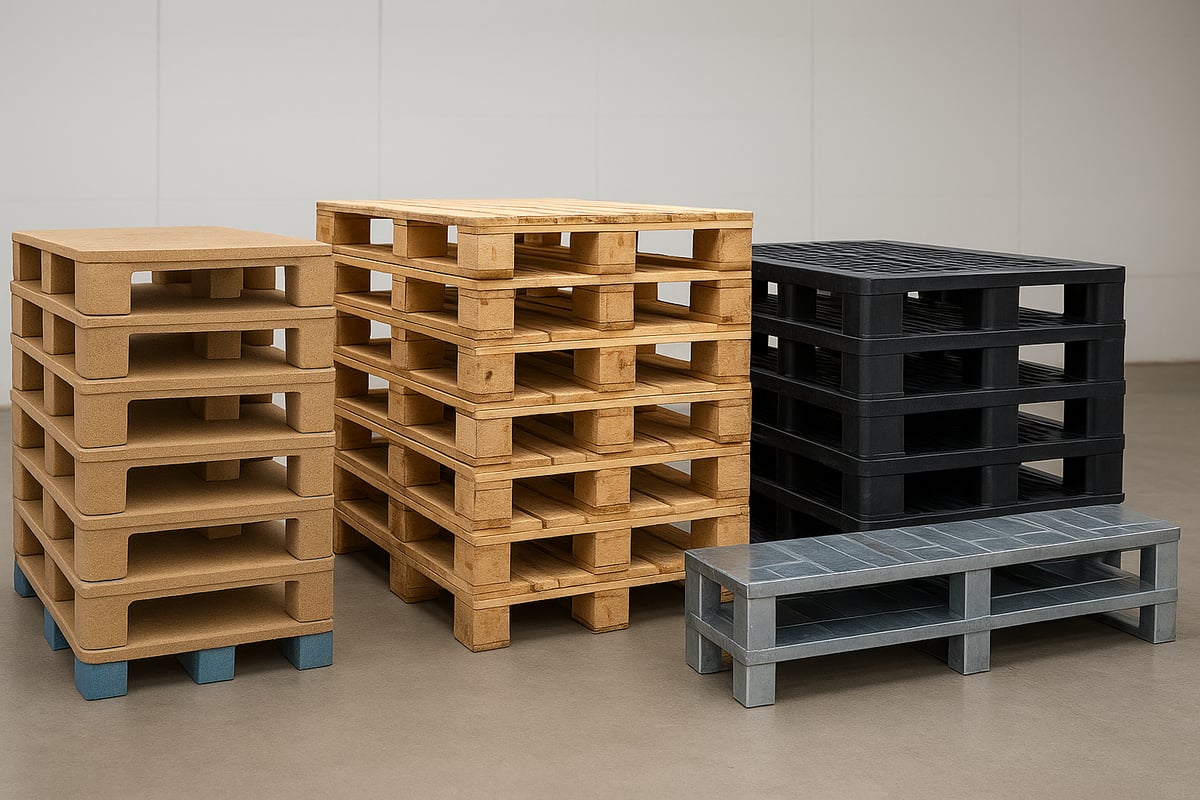
Choosing the right pallet type is critical for efficient logistics and cost control. Presswood pallets offer unique benefits, but how do they stack up against wood, plastic, cardboard, and metal options? Let’s break down the comparison.
Wood Pallets
Traditional wood pallets have been industry staples for decades. They are widely available and generally inexpensive upfront. However, wood pallets are heavier and prone to splintering, which can lead to product damage or workplace injuries.
Wood pallets often require ongoing repairs due to broken boards or protruding nails. They also face challenges with international shipping, as untreated wood may harbor pests or fail ISPM 15 compliance checks. In contrast, presswood pallets are lighter, nail-free, and consistently meet global export standards, reducing regulatory headaches.
Plastic Pallets
Plastic pallets are known for their long lifespan and resistance to moisture. However, they typically cost more to purchase and can be heavier than presswood pallets, especially for export-grade models. While plastic is durable, not all plastic pallets are easily recycled at end-of-life.
Presswood pallets bridge the gap by offering a balance of affordability, sustainability, and export readiness. For a deeper dive into the pros and cons of each material, check out this Wooden vs. Plastic Pallets Comparison which highlights key differences relevant to most industries.
Corrugated/Cardboard Pallets
Corrugated or cardboard pallets are extremely lightweight and easy to recycle. However, they offer limited load capacity and can degrade quickly in humid or wet environments. This can be a dealbreaker for heavy or high-value shipments.
Presswood pallets provide superior strength and moisture resistance compared to cardboard, making them a more reliable choice for industrial, export, or warehouse use. Their nestable design also saves space, a critical factor for modern logistics operations.
Metal and Composite Pallets
Metal pallets, often made from steel or aluminum, are the most durable but come with high costs and significant weight. They are best suited for specialized applications where strength is paramount. Composite pallets blend materials for niche uses but are often cost-prohibitive for general shipping.
For most standard applications, presswood pallets deliver an economical, safe, and compliant solution without the drawbacks of excess weight or expense. This versatility keeps them at the forefront of supply chain innovation.
Regulatory, Export, and Compliance Insights for 2025
Global logistics are evolving, and compliance is more critical than ever. Businesses using presswood pallets need up-to-date insights to ensure smooth international shipments and meet rising regulatory standards. This section explores how presswood pallets fulfill export and industry requirements, what customs need, and the regulatory outlook for 2025.

ISPM 15 and International Standards
ISPM 15 is the global standard for regulating wood packaging in international trade. It requires treatment to eliminate pests and pathogens. Presswood pallets are manufactured using high heat and pressure, making them inherently ISPM 15 compliant. This means they do not require additional fumigation or heat treatment, unlike traditional wood pallets.
Because of their molded construction, presswood pallets are widely accepted by customs authorities worldwide. Their compliance streamlines export processes, reducing the risk of costly delays. Consistent quality and markings further ensure a smooth passage through international borders. For exporters, this reliability is a significant advantage.
Industry-Specific Compliance
Certain industries, like food and pharmaceuticals, demand strict hygiene and traceability. Presswood pallets are ideal for these sectors due to their smooth, non-porous surfaces. This design minimizes the risk of contamination, as bacteria and moisture cannot easily penetrate the material.
Additionally, presswood pallets do not contain nails, staples, or loose fibers. This reduces foreign object risks and meets the rigorous standards set by regulatory agencies. Many companies in sensitive sectors now specify presswood pallets in their supply chain requirements, ensuring safer handling and consistent compliance.
Customs and Border Considerations
Exporters often face shipment holds or rejections due to non-compliant pallets. Presswood pallets, with their standardized markings and ISPM 15 compliance logo, simplify customs inspections. These features help prevent misunderstandings and ensure that shipments pass through border checks efficiently.
A recent industry survey found that companies using presswood pallets experienced fewer export shipment delays compared to those using untreated wood. Proper documentation and visible compliance stamps are crucial for smooth customs clearance, making presswood pallets a reliable choice for global logistics.
Anticipated Regulatory Changes in 2025
Looking ahead, 2025 is expected to bring more stringent regulations focused on sustainability and traceability. Governments and trade organizations are pushing for greener, more transparent supply chains. Presswood pallets are well positioned to meet these evolving demands, thanks to their recycled content and closed-loop manufacturing.
Many experts predict updates to ISPM 15 and related standards, emphasizing environmental reporting and digital traceability. For businesses planning their logistics strategy, Presswood Pallets Market Size and Forecast provides valuable insights into upcoming compliance trends and market shifts. Adopting presswood pallets now helps future-proof operations for global trade.
How to Choose the Right Presswood Pallet for Your Needs
Selecting the ideal presswood pallets for your operation involves more than just picking a standard size. Each business has unique logistics needs, and the right pallet choice can impact everything from shipping costs to safety and compliance. Use the following criteria to guide your decision and optimize your supply chain for efficiency and value.
Assessing Load and Application Requirements
Begin by evaluating your specific load and application needs. Consider the static and dynamic load ratings required for your goods. Presswood pallets are suitable for a wide range of products, but it is important to match the pallet’s capacity with your shipment’s weight and fragility.
Think about whether your shipments are primarily domestic or international, as export compliance can influence your pallet selection. For sensitive items such as pharmaceuticals or food, prioritize options that meet hygiene standards. Always ensure that the presswood pallets you choose align with both your operational and regulatory requirements.
Size, Weight, and Nestability Considerations
Choosing the right size and weight is crucial for maximizing efficiency. Standard presswood pallets commonly come in sizes like 48"x40" and 42"x42", but custom dimensions are available for specific needs. Lighter pallets reduce shipping costs, especially for air freight.
Nestability is a major advantage of presswood pallets. Their design allows for stacking more than 50 units within a compact space, saving valuable warehouse room. When selecting your pallet, assess your storage and transport limitations, and consider how nestability can streamline your logistics.
Supplier Evaluation and Quality Assurance
The quality and reliability of your presswood pallets depend heavily on your supplier. Look for vendors with ISPM 15 certification to ensure compliance for international shipping. Evaluate supplier reputation, delivery timelines, and their ability to provide consistent product quality.
If your operation requires specific dimensions or branded solutions, explore suppliers offering custom-molded pallets. For more information on tailored options and what to look for in a partner, refer to Custom Pallet Solutions. A strong supplier relationship ensures a steady supply of presswood pallets that meet your exact standards.
Cost Analysis and Total Cost of Ownership
When analyzing cost, look beyond the initial purchase price of presswood pallets. Factor in shipping savings from lighter weights, reduced storage costs due to nestability, and the elimination of repair expenses thanks to single-piece construction.
Calculate your total cost of ownership by considering the potential for pallet buy-back programs and the overall lifecycle value. A thoughtful cost analysis can reveal significant ROI when transitioning to presswood pallets, especially as supply chain demands evolve.
Presswood Pallet Trends and Innovations for 2025
The landscape for presswood pallets is rapidly evolving as 2025 approaches. Businesses are seeking smarter, more sustainable, and cost-effective pallet solutions to keep pace with global logistics demands. In this section, we explore the latest trends and innovations shaping the future of presswood pallets, from market expansion to digital integration.
Market Growth and Adoption Rates
The global demand for presswood pallets is on a strong upward trajectory as companies prioritize sustainability and export readiness. According to the Engineered Presswood Pallets Market Report, the market is projected to expand consistently through 2025 and beyond, driven by increased use in export-heavy sectors such as food, pharmaceuticals, and e-commerce.
Many organizations are transitioning to presswood pallets to meet tightening environmental standards and reduce logistics costs. Adoption rates are particularly high in regions with strict export regulations and limited warehouse space. The surge in demand for sustainable packaging solutions is expected to push presswood pallets into mainstream logistics strategies worldwide.
Manufacturing and Material Innovations
Manufacturers are introducing notable advancements in the production of presswood pallets. New developments in recycled wood sourcing and fiberization processes are resulting in stronger, more consistent pallet structures. Enhanced resin blends have improved durability, allowing presswood pallets to handle heavier loads while maintaining a lightweight profile.
Automation is also revolutionizing the industry. Advanced molding technology and automated quality control systems ensure each pallet meets stringent standards for size, load capacity, and export compliance. These innovations enable manufacturers to scale production efficiently and deliver high-quality presswood pallets to a broader range of industries.
Sustainability and Circular Economy Initiatives
Sustainability remains a central focus for companies adopting presswood pallets. Many suppliers now offer pallet buy-back and recycling programs that support the circular economy, encouraging the continuous reuse of materials. This approach diverts wood waste from landfills and significantly lowers the environmental impact compared to traditional pallets.
Corporate sustainability goals are also driving presswood pallet adoption. Businesses aiming for improved ESG (Environmental, Social, Governance) compliance are switching to presswood pallets as part of their broader green logistics strategies. Notably, major brands are using these pallets to reduce their carbon footprint while maintaining operational efficiency.
Digitalization and Smart Pallet Integration
Digital transformation is making its way into the world of presswood pallets. Leading logistics providers are integrating RFID and IoT technologies directly into pallets to enable real-time tracking and inventory management. This smart integration allows companies to monitor pallet movements, optimize warehouse layouts, and reduce losses.
Early adopters of these digital solutions report streamlined operations and improved supply chain visibility. As the technology becomes more affordable and widespread, digitalized presswood pallets are expected to become a standard feature in modern logistics, contributing to data-driven decision-making and enhanced asset utilization.
Common Questions and Best Practices for Presswood Pallets
Presswood pallets are increasingly popular for businesses seeking efficiency, sustainability, and compliance. To help you optimize their use, this section addresses common questions, offers practical handling advice, and highlights best practices for export and troubleshooting. Whether you are new to presswood pallets or refining your logistics strategy, these insights will support your 2025 planning.
Frequently Asked Questions
Many businesses ask if presswood pallets can be reused or recycled. The answer is yes, as they are designed for both single and limited multi-use, and are fully recyclable at end-of-life. Their composition of compressed recycled wood fibers makes them accepted by most pallet buy-back programs.
Are presswood pallets suitable for cold storage or wet environments? While they offer moderate moisture resistance, prolonged exposure to water or extreme cold may affect durability. Compared to wood or plastic, their lifespan is competitive for standard logistics needs, although high-moisture settings may require additional consideration.
For more detailed answers, consult the Pallet FAQs and Best Practices resource.
Handling and Storage Tips
To maximize the value of presswood pallets, follow these handling tips:
- Stack pallets by nesting them to save significant space.
- Always lift with proper equipment to avoid damage.
- Store in a dry, clean area to maintain structural integrity.
Presswood pallets are lightweight, making them easy to maneuver. Regularly inspect for visible wear and clean with a damp cloth if needed. Avoid rough handling to extend their usable life and preserve safety for your team.
Maximizing Export Success with Presswood Pallets
Successful exports start with correct documentation and labeling. Ensure each presswood pallet is clearly marked with ISPM 15 compliance and country of origin. Work closely with freight forwarders to confirm that all required paperwork is complete.
The lightweight nature of presswood pallets can reduce shipping costs, especially for air freight. Many exporters find that switching to presswood pallets streamlines customs clearance and minimizes delays, supporting a smoother global supply chain.
Troubleshooting and Avoiding Common Mistakes
Avoid overloading presswood pallets; always check the manufacturer's rated capacity before use. Signs of wear, like cracks or loss of rigidity, mean the pallet should be recycled rather than reused.
Make sure all presswood pallets meet buyer and regulatory standards before shipment. Staying proactive with inspections and compliance checks will help your operation run smoothly and minimize costly disruptions.


