
Looking to save money and get the best value when navigating wooden pallet prices in 2025? Staying updated on costs is essential for any business or individual relying on pallets for shipping, storage, or logistics.
This comprehensive guide gives you the latest insights into wooden pallet prices, key cost drivers, and smart buying strategies. Whether you are a small business or a large operation, making informed choices can help you adapt to changing market trends.
Inside, you will find 2025 price forecasts, factors affecting costs, pallet types, sourcing options, and expert tips to maximize your investment. Take action now to buy smarter and spend less in the year ahead.
Wooden Pallet Price Trends in 2025
Navigating wooden pallet prices in 2025 requires a sharp understanding of current market shifts, regional trends, and the global supply chain landscape. As businesses and individuals look for value, knowing what drives cost fluctuations can help you plan purchases more effectively this year.

Key Price Changes from Previous Years
Wooden pallet prices in 2025 show a significant shift from recent years. Following the volatility of 2023, when prices soared to $15–$25 per pallet due to supply shortages, the market began to stabilize in 2024. This year, prices have leveled, with national averages hovering between $11 and $17 per unit.
Inflation continues to play a role, but supply chain normalization has helped bring more consistent pricing. According to the Pallet Industry Pricing Trends: June 2025 Market Update, many regions are reporting price stability, with only minor fluctuations since late 2024.
Industry data highlights a 10–15% drop from the previous year’s highs, giving buyers more predictable costs. This stabilization allows companies to better forecast expenses and reduces the urgency seen during the 2023 spike.
Factors Influencing 2025 Pricing
Several drivers affect wooden pallet prices in 2025:
- Wood material costs: Hardwood remains pricier than softwood, while southern yellow pine prices are relatively steady.
- Labor and manufacturing expenses: Rising wages and stricter safety protocols add to overhead.
- Transportation and fuel surcharges: Higher fuel prices in some regions increase delivery costs.
- Environmental regulations: New compliance requirements reduce supply in certain areas.
For example, southern yellow pine, a common pallet wood, has maintained moderate pricing, helping keep overall pallet costs in check. These factors work together to shape the current pricing landscape.
Regional Price Differences
Wooden pallet prices vary widely by region in 2025. Urban centers, especially logistics hubs and port cities like Los Angeles, tend to see higher prices due to increased demand and limited storage space.
| Region | Average Price (2025) |
|---|---|
| Los Angeles | $15–$19 |
| Midwest (e.g., Chicago) | $12–$15 |
| East Coast | $13–$16 |
| Rural Areas | $10–$13 |
West Coast buyers often pay a premium, while Midwest and rural suppliers offer more competitive rates. The price gap reflects differences in transportation costs, labor rates, and local demand.
Impact of Global Supply Chains
Global supply chain dynamics continue to influence wooden pallet prices. Import and export demand has rebounded, with international shipping regulations (such as ISPM-15) adding compliance costs for export-ready pallets.
Lingering effects from the COVID-19 pandemic still disrupt some supply flows, particularly for export pallets. In 2024, a surge in export demand pushed prices higher in port regions, and this trend has carried into 2025, sustaining elevated costs for export-grade products.
Adapting to these global changes is crucial for buyers who rely on international shipping or who operate in logistics-heavy industries.
Forecast for the Remainder of 2025
Experts predict that wooden pallet prices will remain relatively stable through Q3 and Q4 of 2025. Anticipated changes in wood prices could introduce mild fluctuations, but no major spikes are expected.
Industry commentary suggests that ongoing investments in supply chain resilience and alternative materials may help curb future price increases. Buyers should monitor market updates and be ready to adjust purchasing strategies if conditions shift.
Keeping an eye on forecasts and industry reports will help you make informed decisions as the year progresses.
Types of Wooden Pallets and Their Price Ranges
Understanding the various types of pallets and their cost ranges is essential for anyone tracking wooden pallet prices in 2025. Buyers will find a wide range of pallet options, each affecting overall value and suitability. Knowing the distinctions among standard, used, custom, export-ready, graded, and recycled pallets ensures smarter purchasing decisions. For a comprehensive overview of current options and pricing, see Wooden Pallet Types and Options.
Standard Pallet Sizes and Pricing
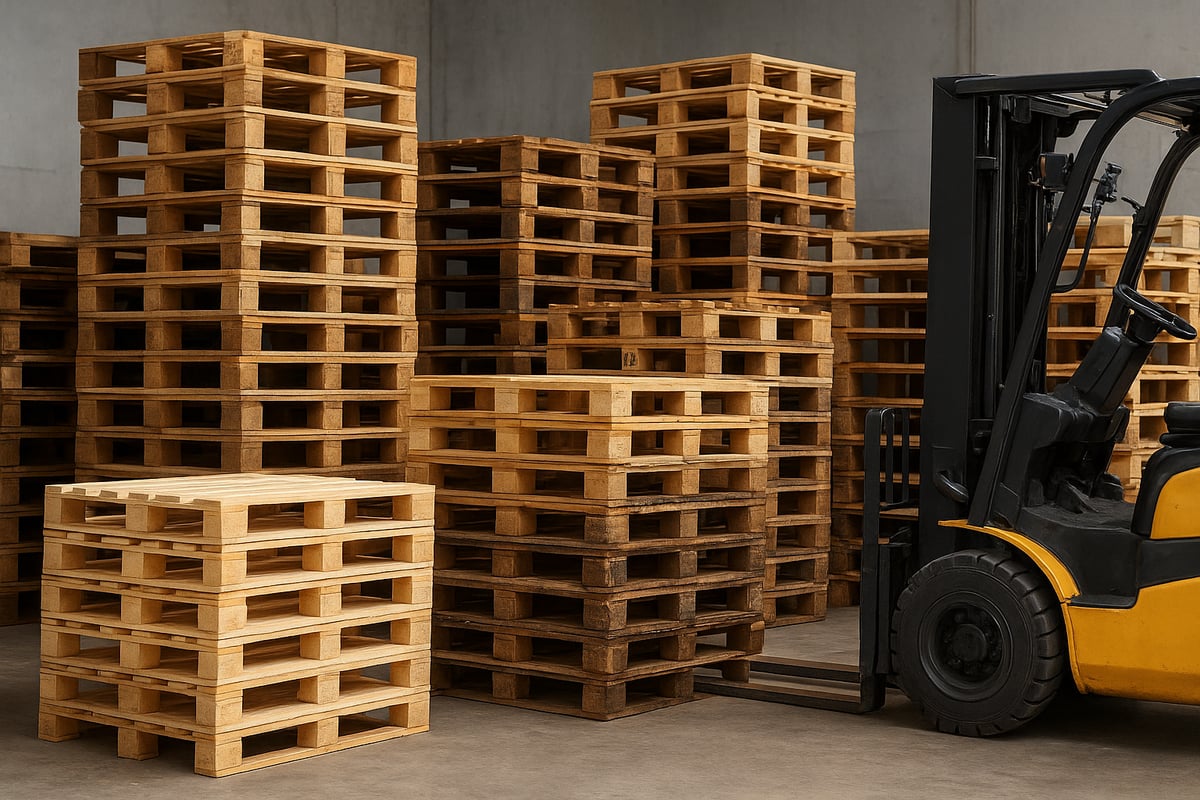
Standard pallet sizes remain the backbone of most logistics operations. In 2025, the most common size is the GMA 48"x40" pallet, which dominates North American shipping. Other popular sizes include 42"x42" and 48"x48".
Buyers will notice that wooden pallet prices for standard sizes generally range from $12 to $20 per unit, depending on location and order volume. The GMA standard, for example, is typically priced around $15 in stabilized markets but may run higher in regions with increased demand. Choosing standard sizes often leads to better bulk discounts and easier sourcing.
| Pallet Size | Typical Price (2025) |
|---|---|
| 48"x40" (GMA) | $14–$18 |
| 42"x42" | $13–$17 |
| 48"x48" | $15–$20 |
Selecting the right size and quantity is a primary step in optimizing wooden pallet prices.
New vs. Used Wooden Pallets
A key decision for buyers is whether to purchase new or used pallets. New pallets are constructed from fresh lumber, ensuring maximum durability and compliance for sensitive applications. Used pallets, meanwhile, provide significant cost savings, often at 30 to 50 percent less than their new counterparts.
For instance, Grade A used pallets in 2025 frequently sell between $8 and $12 each, while new ones can reach $16 to $20. The main advantage of used pallets is the reduced upfront investment, although buyers should inspect for wear and ensure suitability for their intended use.
When evaluating wooden pallet prices, balancing new versus used options can dramatically impact your budget without compromising on operational needs.
Custom and Specialty Pallets
Certain industries require pallets tailored to unique dimensions, unusual loads, or specialty functions. Custom pallets are built to exact specifications, supporting oversized, heavy, or fragile goods that standard pallets cannot accommodate.
These customizations drive up wooden pallet prices, with specialty builds often starting at $20 and exceeding $30 each. Examples include extra-long pallets for machinery, heavy-duty models for automotive parts, and specialty export pallets designed for unique cargo.
Buyers should factor in longer lead times and higher material costs when ordering custom pallets, as well as the potential return on investment from improved handling and reduced product damage.
Heat-Treated and Export-Ready Pallets
For companies shipping internationally, compliance with ISPM-15 regulations is mandatory. Heat-treated pallets are sanitized to prevent pest transmission, making them suitable for export. This process typically adds a surcharge of $1 to $3 per pallet in 2025.
Export-ready pallets command a premium due to the certification and additional handling required. For example, a standard GMA pallet might cost $16, while the same pallet with heat treatment may reach $18 or more. When calculating wooden pallet prices for export, always account for these certification costs and ensure documentation is included.
Heat-treated options are crucial for global trade, protecting both shipments and supply chains.
Pallet Grades and Quality Levels
Wooden pallets are categorized by grade, reflecting their condition and suitability for reuse. Grade A pallets are the highest quality, with minimal repairs and consistent strength. Grade B pallets may have more repairs or cosmetic blemishes but remain functional for most uses. Remanufactured pallets are assembled from reclaimed wood, offering another budget-friendly choice.
In 2025, Grade A pallets are priced $2 to $4 higher than Grade B. For example, a Grade A used pallet may sell for $11, while a Grade B equivalent might be $8. Grading directly influences wooden pallet prices, as higher grades ensure longer life and reliability.
Understanding the grading system helps buyers match quality to application while staying within budget.
Environmental and Recycled Pallets
Sustainability is an increasing priority for many organizations. Eco-friendly pallets made from recycled or reclaimed wood are widely available and often come at a lower price point. In green supply chains, recycled wooden pallet prices range from $8 to $13, depending on grade and availability.
These pallets reduce landfill waste and support corporate sustainability goals. However, buyers should confirm that recycled pallets meet their strength and compliance requirements.
Opting for recycled or eco-labeled pallets balances environmental responsibility with cost savings, appealing to businesses focused on greener operations.
Key Factors Affecting Wooden Pallet Prices
Understanding the variables behind wooden pallet prices is crucial for making informed decisions in 2025. A range of factors—from raw materials to sustainability certifications—play a role in determining what you will pay. Let’s break down the key elements that can impact your pallet costs this year.
Material and Construction Quality
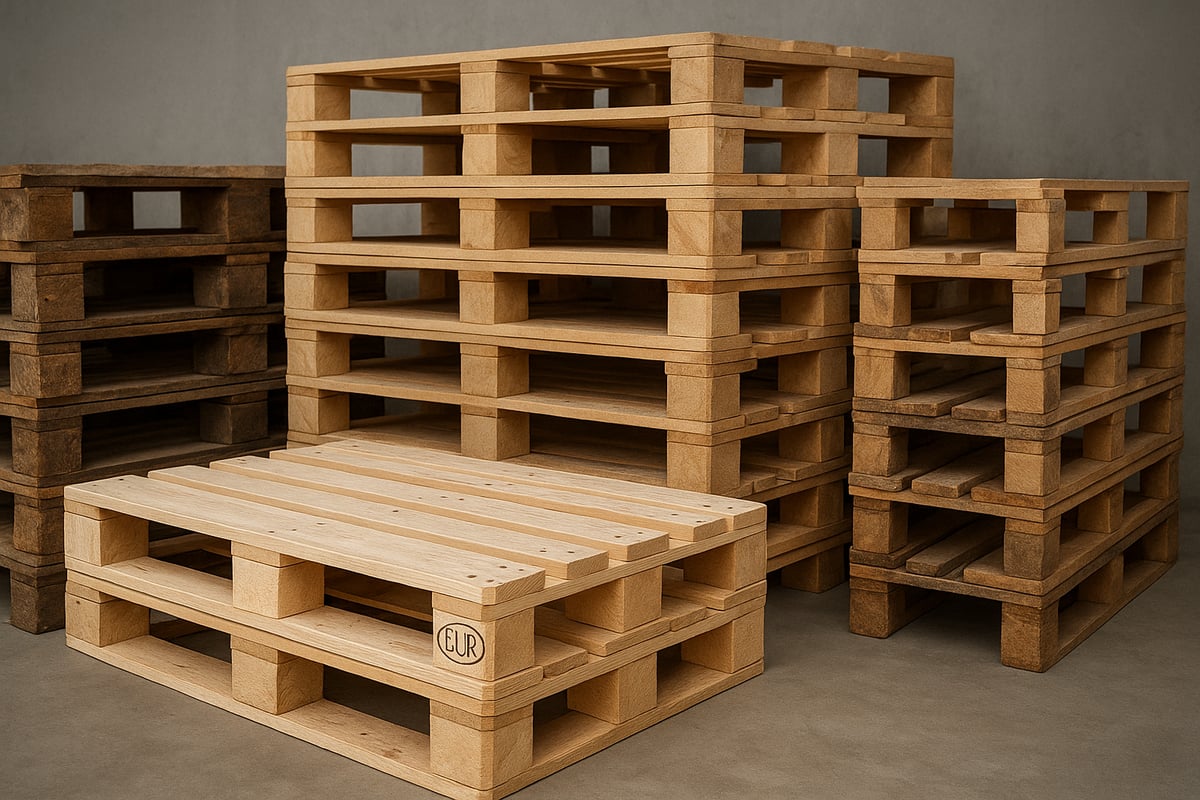
The type of wood and construction methods significantly affect wooden pallet prices. Hardwood pallets, like those made from oak or maple, offer superior strength but generally cost more than softwood options such as pine. Construction details—like thicker deck boards, higher nail density, and reinforced corners—can also increase durability and price.
For example, a standard softwood pallet might cost 15 less per unit than a comparable hardwood pallet. Quality assurance is vital, as investing in well-built pallets can reduce long-term replacement costs. For a deeper dive into how material choices shape costs, consult the Analysis of Pallet Costs and Values in 2025.
Order Volume and Bulk Discounts
Buying in larger quantities almost always leads to lower wooden pallet prices per unit. Many suppliers offer tiered pricing, with discounts increasing at benchmarks like 100, 500, or 1,000 pallets. For instance, ordering 1,000 units could bring savings of up to 20 percent compared to small-batch purchases.
Bulk rates are particularly advantageous for manufacturers and warehouses with ongoing needs. Some suppliers may include free delivery or additional services for high-volume orders, further increasing value. Always request detailed quotes to understand how order volume will impact your final cost.
Delivery, Pickup, and Logistics Costs
Logistics play a significant role in final wooden pallet prices. Freight charges depend on distance, order size, and delivery method. Local pickup from a nearby supplier can eliminate shipping costs, while national delivery often comes with surcharges based on mileage and fuel prices.
For example, delivery within the LA metro area might cost 2 to 5 per pallet, but shipping across the country could add 8 or more per unit. Comparing logistics options is essential, as optimizing delivery can yield considerable savings on large orders.
Seasonal and Market Demand Fluctuations
Wooden pallet prices often fluctuate with market demand. Peak seasons, such as harvest time or the holiday shipping rush, can drive prices higher due to increased competition for pallets. Conversely, off-peak periods may offer lower rates and greater availability.
Retailers and e-commerce businesses frequently encounter Q4 price spikes as supply chains gear up for year-end demand. To save money, consider scheduling purchases during slower periods or locking in rates through annual contracts. Monitoring industry trends helps buyers anticipate and adapt to these seasonal shifts.
Sustainability and Certification Requirements
Sustainability initiatives and certifications add another layer to wooden pallet prices. Pallets made from FSC-certified wood or those meeting eco-label standards often carry a premium. This extra cost reflects the expense of sourcing responsibly harvested lumber and complying with environmental regulations.
For companies committed to green supply chains, these investments can pay off in the long run through enhanced reputation and regulatory compliance. However, it is important to weigh the benefits against the added expense when budgeting for pallet purchases.
Where and How to Buy Wooden Pallets in 2025
Finding the right source for wooden pallets in 2025 is crucial for controlling costs and ensuring steady supply. Whether you are a business seeking volume or an individual with occasional needs, understanding your options and how they influence wooden pallet prices will help you maximize value.
Direct from Manufacturers vs. Distributors
Purchasing directly from pallet manufacturers often delivers the best wooden pallet prices for large orders. Manufacturers can tailor pallets to your specifications and may offer volume discounts, especially for recurring contracts.
Distributors, on the other hand, typically carry a broader range of standard and specialty pallets. They can fulfill smaller orders quickly but may add a markup to cover storage and logistics. When comparing manufacturers and distributors, consider your need for customization, lead time, and service flexibility.
For businesses with high demand, manufacturer-direct relationships can yield significant savings on wooden pallet prices throughout the year.
Local Suppliers and Regional Marketplaces
Local pallet yards and regional suppliers are excellent sources for both new and used pallets. Buying locally often results in lower transportation costs, which can make a noticeable difference in wooden pallet prices.
Local suppliers also provide faster turnaround, personal service, and the ability to inspect pallets before purchase. Many regions have online directories or business associations that list reputable pallet providers nearby.
In urban centers, such as Los Angeles, competition among suppliers can drive down wooden pallet prices, while rural areas may see slightly higher rates due to logistics.
Online Pallet Marketplaces and Auctions
Digital platforms have transformed how buyers access wooden pallet prices and inventory. Online marketplaces and auction sites let you compare offerings from multiple suppliers, view real-time pricing, and check availability.
Many platforms provide buyer protections, transparent fees, and user reviews to support informed decisions. Auction sites may feature surplus or liquidation pallets at reduced prices, but require careful inspection of quality.
When using online marketplaces, always verify the seller’s credentials and review the terms for delivery or pickup to avoid unexpected costs in your final wooden pallet prices.
Buy Back and Recycling Programs
Many suppliers and pallet companies now offer buy back and recycling programs, which can help offset your wooden pallet prices over time. These programs allow you to return surplus or damaged pallets for cash or credit toward future purchases.
Participating in a Pallet Buy Back Program is a practical way to reduce waste and manage your pallet inventory efficiently. The process is typically straightforward: schedule a pickup or drop-off, receive a quote, and get paid or credited once pallets are inspected.
This approach not only lowers your net wooden pallet prices but also supports sustainability efforts in your supply chain.
Evaluating Supplier Reputation and Service
Selecting a supplier based solely on wooden pallet prices can be risky. It is essential to assess supplier reputation, reliability, and customer service.
Look for companies with strong online reviews, industry certifications, and transparent policies. Ask for references or case studies, and pay attention to how quickly and clearly suppliers respond to inquiries.
A reputable supplier will stand behind their product quality and help you resolve issues promptly, ensuring you receive consistent value for your wooden pallet prices.
Pallet Company Pro: Your Los Angeles Wooden Pallet Partner
Pallet Company Pro is a trusted resource for businesses seeking competitive wooden pallet prices in the LA metro area. They offer a wide selection of new, used, custom, and heat-treated pallets, catering to a variety of industries and shipping needs.
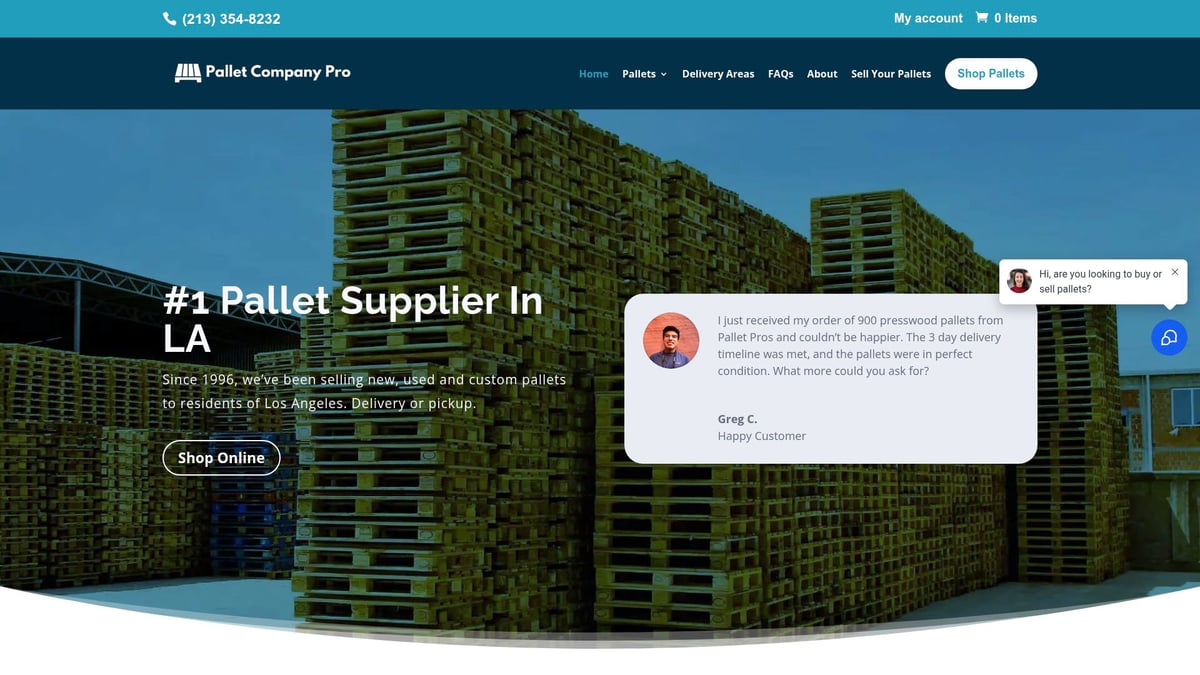
Clients benefit from same or next-day delivery, bulk discounts for large orders, and a convenient buy back program for recycling pallets. Numerous customer testimonials highlight Pallet Company Pro’s commitment to service and transparent pricing.
To get started, simply request a quote online or by phone, and discover how Pallet Company Pro can help you optimize your wooden pallet prices and logistics.
Step-by-Step Guide to Getting the Best Wooden Pallet Prices
Finding the best wooden pallet prices in 2025 requires a strategic approach. This step-by-step guide empowers buyers to save money and secure the right pallets for their needs. Whether you operate a large warehouse or a small retail shop, following these steps will help you make confident, cost-effective decisions.
Step 1: Define Your Pallet Needs
Start by clarifying your specific requirements. Determine the load capacity, pallet size, and frequency of use. Are you transporting heavy industrial goods or lightweight retail products? Decide if new, used, or custom-sized pallets are best for your operation. Understanding these factors is crucial to narrowing your options and achieving the most favorable wooden pallet prices.
For example, a busy warehouse often opts for GMA standard pallets, while a specialized manufacturer may need custom builds. If you need detailed pricing for new pallets, check out Buy New Wooden Pallets for current options and rates.
Step 2: Research Current Market Rates
Next, gather up-to-date information on wooden pallet prices. Compare both local and national averages to understand the market landscape. Use online calculators, supplier quotes, and industry forecasts to anticipate pricing trends. Reviewing insights like the Three Key Predictions for the US Pallet Market in 2025 can help you time your purchases.
A practical approach is to request sample quotes for your preferred pallet types. This step ensures you avoid overpaying and positions you to negotiate better deals.
Step 3: Compare Multiple Suppliers
Never settle for the first quote you receive. Contact several suppliers, including local pallet yards and national distributors. Request detailed quotes, including delivery fees and any value-added services. Comparing offers side by side reveals variations in wooden pallet prices for identical orders.
Use a table to track factors like price per pallet, lead time, and service quality. This systematic approach highlights the best value and helps you avoid hidden costs.
Step 4: Consider Bulk and Long-Term Contracts
If your operation demands large volumes, explore bulk discounts and long-term agreements. Many suppliers offer significant savings for orders of 100, 500, or even 1,000+ pallets. Committing to a recurring contract can lock in favorable wooden pallet prices and protect against market fluctuations.
Negotiate for extras such as free delivery or priority service. Annual contracts often yield additional perks that further reduce your total cost of ownership.
Step 5: Inspect and Evaluate Before Purchase
Before finalizing any order, inspect pallets for quality, durability, and compliance with relevant standards. Check for visible damage, proper assembly, and certifications like ISPM-15 or FSC if required for your supply chain. This diligence ensures that your investment in wooden pallet prices delivers long-term value.
Utilize an on-site inspection checklist and ask suppliers for documentation. Careful evaluation reduces the risk of unexpected expenses and guarantees you receive pallets that meet your operational needs.
Expert Tips for Saving Money on Wooden Pallets
Looking to maximize your budget for wooden pallet prices in 2025? Smart buyers use proven strategies to cut costs, negotiate better terms, and adapt to shifting market dynamics. Below, discover expert tips that help businesses and individuals save money, reduce waste, and get more value from every order.
Buy in Bulk and Share Orders
Purchasing in larger volumes is one of the most effective ways to reduce wooden pallet prices. Suppliers often offer tiered discounts for bulk orders, whether you need 100 or 1,000 units.
If your business cannot meet minimum order requirements alone, consider partnering with neighboring companies or forming a local buying group. This approach allows you to pool resources, reach higher price breaks, and split delivery costs.
Benefits of bulk buying:
- Lower unit prices
- Shared shipping and handling expenses
- Stronger bargaining position with suppliers
By collaborating, even smaller organizations can access large-volume savings and negotiate more favorable wooden pallet prices.
Opt for Used or Remanufactured Pallets
Choosing used or remanufactured pallets is an excellent way to keep wooden pallet prices in check while supporting sustainability. Grade A used pallets typically cost 30-40% less than new ones, with little compromise on performance for many applications.
| Pallet Type | Typical Price (2025) | Durability | Environmental Impact |
|---|---|---|---|
| New Pallet | $17–$25 | High | Standard |
| Grade A Used Pallet | $10–$16 | Moderate | Lower waste |
| Remanufactured | $9–$14 | Moderate | High reuse |
For more details on affordable options, review the selection at Affordable Used Pallets, which highlights current inventory and price ranges.
When evaluating used pallets, inspect for structural integrity and confirm they meet your load and compliance requirements. This ensures you save money without sacrificing quality or safety.
Leverage Buy Back and Recycling Programs
Many reputable suppliers now offer buy back and recycling programs, allowing you to return surplus or damaged pallets for credit, cash, or discounted replacements. This can offset future wooden pallet prices and support a circular supply chain.
How buy back programs work:
- Return qualifying pallets for a set price per unit
- Receive credit toward new orders or direct payment
- Reduce disposal costs and landfill waste
Buy back rates typically range from $2 to $6 per pallet, depending on condition and grade. Participating in these programs not only lowers your overall spend on wooden pallet prices but also streamlines inventory management and supports sustainability goals.
Negotiate Delivery and Pickup Terms
Logistics costs can significantly impact overall wooden pallet prices, especially for regional or national shipments. To minimize these expenses, negotiate flexible delivery and pickup arrangements with your supplier.
Ways to save:
- Opt for free local pickup if available
- Schedule deliveries during off-peak hours to reduce surcharges
- Consolidate shipments to lower per-unit freight costs
Discuss your logistics needs upfront and seek written confirmation of any agreed terms. Even small adjustments can yield meaningful savings on wooden pallet prices over time.
Stay Updated on Market Trends
Keeping a close eye on market developments is essential for managing wooden pallet prices effectively. Monitor wood commodity prices, seasonal demand spikes, and industry forecasts to time your purchases strategically.
Resources like the 2025 Pallet Market Outlook provide valuable insights into recycled wood pallet trends, supply chain changes, and price predictions.
By staying informed, you can anticipate shifts, avoid peak pricing periods, and make proactive decisions that protect your bottom line.
Build Long-Term Supplier Relationships
Developing strong, ongoing partnerships with trusted suppliers is a proven strategy for securing the best wooden pallet prices. Long-term relationships often result in volume discounts, priority service, and access to exclusive promotions.
Advantages of supplier loyalty:
- Preferred customer pricing
- Faster response times and flexible terms
- Early notification of inventory changes or deals
Establish clear communication, provide regular feedback, and honor agreed terms. Over time, these efforts can unlock additional value and stability in your wooden pallet prices, giving your business a competitive edge.


