
In 2025, efficient logistics and global trade depend more than ever on understanding standard pallet dimensions. Selecting the right pallet size can significantly impact shipping costs, warehouse efficiency, and overall supply chain performance.
This guide offers a comprehensive look at standard pallet dimensions, from their historical development to the latest international standards and industry trends. You will explore the evolution of palletization, learn about ISO and regional sizing, and discover innovations in pallet materials.
Gain actionable insights and expert tips to help you choose the ideal pallet for your shipping and storage needs. Use this guide to optimize your logistics strategy and stay ahead in the competitive world of global trade.
The Evolution and Importance of Standard Pallet Dimensions
Understanding the journey of standard pallet dimensions helps us see why they are the backbone of modern logistics. From ancient shipping methods to today’s global trade networks, the evolution of pallet standards has shaped efficiency, safety, and cost in supply chains worldwide.
The History of Palletization and Standardization
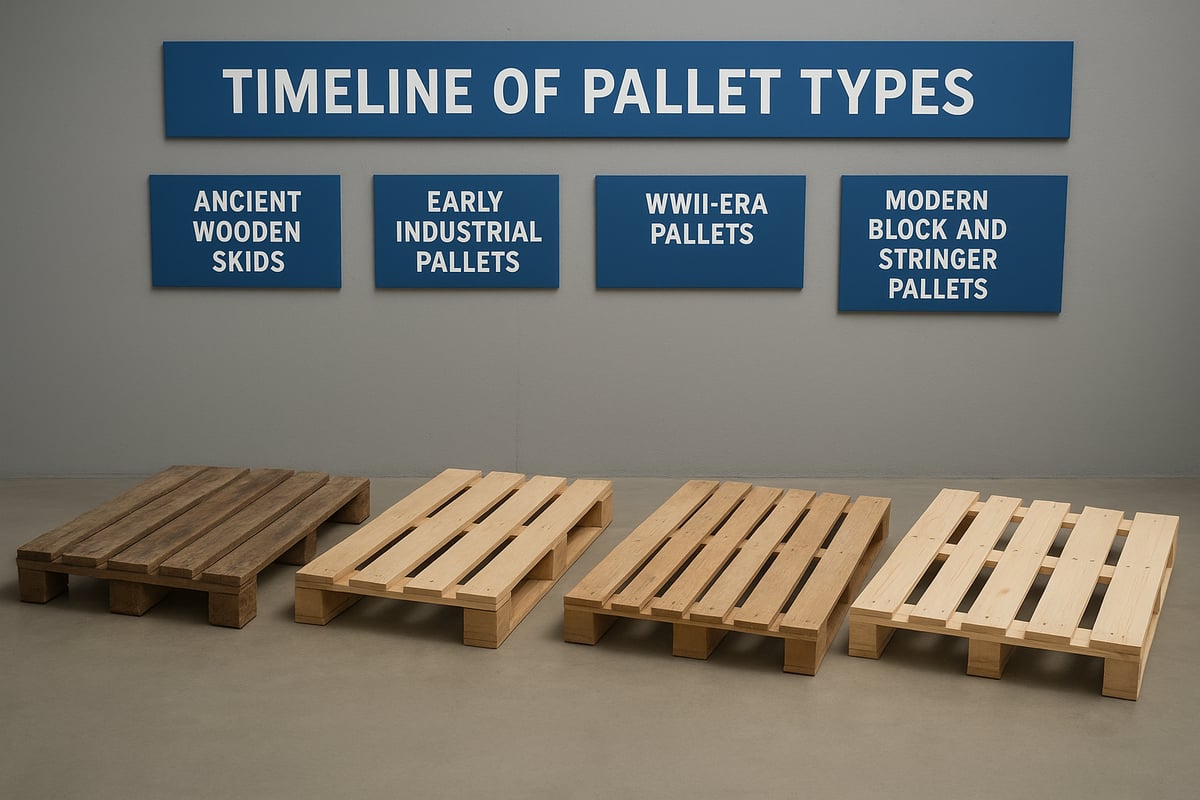
The story of standard pallet dimensions begins with ancient civilizations like the Mesopotamians and Egyptians, who used simple wooden skids to move heavy goods. These early tools set the stage for more advanced material handling.
During the industrial revolution, factories needed more efficient ways to transport products. The invention of the forklift in the early 20th century changed everything, directly influencing pallet design by requiring uniform sizing for safe lifting and stacking.
World War II brought a new level of urgency. The military mandated a 48"x48" universal pallet to speed up supply chains. After the war, North America adopted the 40"x48" standard, which soon became the backbone of grocery and manufacturing logistics.
Block and stringer pallets emerged, offering options for different handling needs. Over time, organizations like ANSI and ISO established international standards. This shift from crude skids to globally recognized standard pallet dimensions enabled seamless movement of goods across continents.
Why Standard Pallet Sizes Matter in Modern Logistics
Standard pallet dimensions are critical for optimizing warehouse storage and racking systems. By using consistent sizes, businesses maximize available space and streamline operations. This standardization also reduces shipping costs, as pallets fit neatly within containers and trucks, minimizing wasted space.
Compatibility across supply chains is another key benefit. When everyone uses the same pallet sizes, products move smoothly through different transportation modes. Standard pallet dimensions also improve safety and reduce product damage, as loads remain stable and secure.
Automation has further increased the need for consistent sizing. Automated storage and retrieval systems (ASRS) and robotics require predictable pallet dimensions for efficient handling. In fact, over 30 percent of US pallets follow the GMA 48"x40" size, showing how widespread standardization is. Using standard pallet dimensions can lead to significant cost savings, especially in intermodal shipping where compatibility is essential.
The Role of Global Trade and E-commerce
The expansion of cross-border trade has made standard pallet dimensions even more important. E-commerce fulfillment centers need versatile pallets to meet the demands of rapid order processing and diverse product sizes.
Regional differences in doorways, storage facilities, and transportation infrastructure mean that businesses must often balance ISO standards with local requirements. For example, the European 800x1200mm pallet was designed to fit narrow city doors, while the North American 40"x48" pallet now accounts for 35 percent of global pallet production.
Standardization simplifies entry into new markets by reducing friction and delays. As highlighted in the Pallet Sizes Guide: Standard Dimensions Worldwide, understanding the range of standard pallet dimensions around the globe is crucial for successful logistics strategies. The future of supply chains depends on universal sizing compatibility, making standard pallet dimensions a cornerstone of international business.
ISO and Regional Standard Pallet Dimensions for 2025
Selecting the right standard pallet dimensions is more crucial than ever for global logistics in 2025. Modern supply chains rely on harmonized pallet sizes to streamline storage, shipping, and customs clearance. Understanding the leading standards across regions is essential for businesses aiming to optimize costs and efficiency.
Overview of ISO-Recognized Pallet Sizes
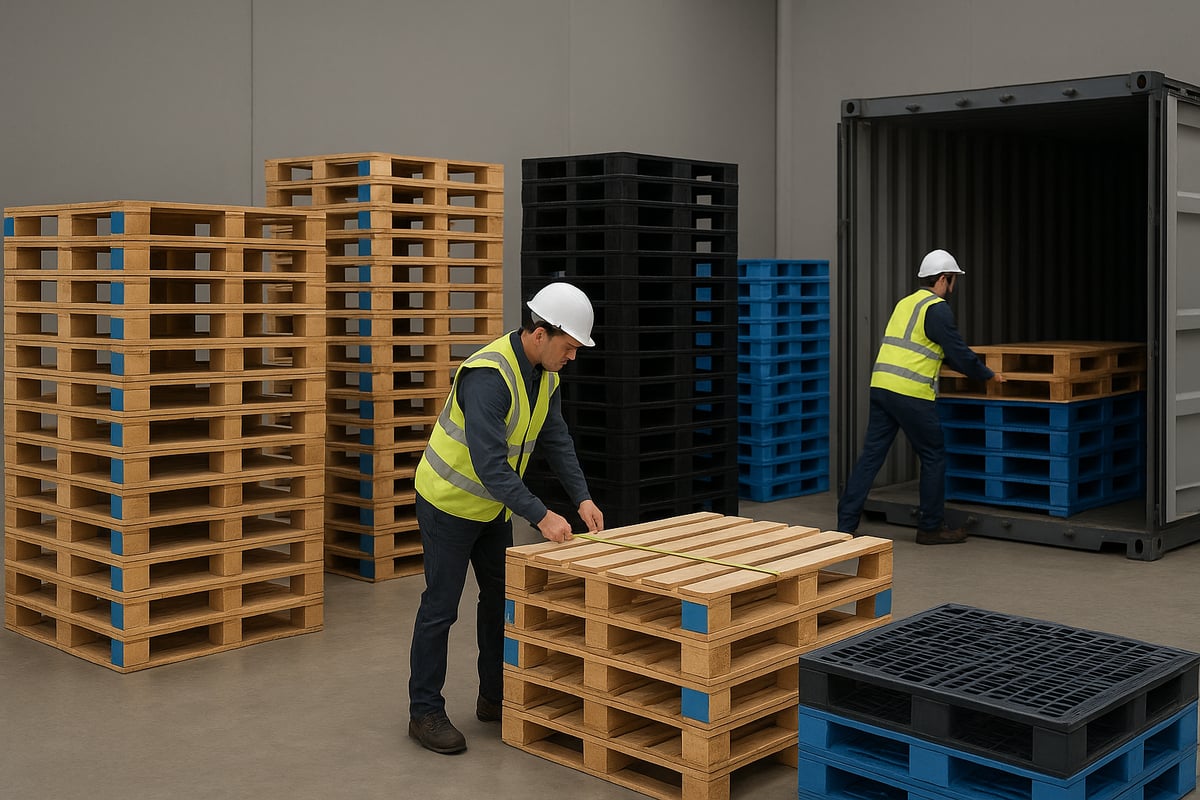
The International Organization for Standardization (ISO) recognizes six main pallet sizes, each tailored to the needs of specific regions. These standard pallet dimensions support efficient containerization and reduce logistical friction at borders. The most common ISO sizes are:
| ISO Size (mm) | ISO Size (in) | Principal Regions | 40' Container Floor Utilization |
|---|---|---|---|
| 1016 x 1219 | 40 x 48 | North America | 96.3% |
| 1000 x 1200 | 39.37 x 47.24 | Europe, Asia | 94% |
| 800 x 1200 | 31.5 x 47.24 | Europe (EPAL) | 90% |
| 1100 x 1100 | 43.3 x 43.3 | Asia, Oceania | 87% |
| 1200 x 1200 | 47.24 x 47.24 | Australia | 90% |
| 1067 x 1067 | 42 x 42 | North America, UK | 88% |
For example, the 40"x48" (1016x1219mm) pallet leaves only 3.7% unused space in a 40’ ISO container. The 800x1200mm Euro pallet is specifically designed for older European infrastructure, fitting narrow city doors and rail cars. ISO has not mandated one global size because regional needs, transport modes, and infrastructure vary widely. By adhering to these standard pallet dimensions, companies facilitate customs clearance and smooth international shipments. For detailed technical specifications, see the ISO Standard 6780 Pallet Dimensions reference guide.
North American Standards: CBA/GMA Pallets
In North America, the most widely used standard pallet dimensions are set by the Consumer Brands Association (CBA, formerly GMA). The 48"x40" pallet dominates, built with 3.5-inch wide deck boards, 5/16-inch thickness, and a height of 6.5 inches. Over 30% of all U.S. pallets, and 35% of global production, are this size.
Alternatives like 42"x42" and 48"x48" are also common, especially in specific industries such as chemicals or beverages. The GMA pallet's compatibility with U.S. racking, forklifts, and transport makes it the default for most LTL and FTL freight. Exporters must consider ISO-recognized standard pallet dimensions if shipping abroad to avoid costly repacking or customs delays.
European and Asian Standard Pallets
Europe relies on the European Pallet Association (EPAL) standards, primarily the 800x1200mm and 1000x1200mm pallets. These fit seamlessly into EU warehouse racking and are designed for automation. Over 500 million Euro pallets circulate in Europe, reflecting the importance of these standard pallet dimensions.
Asia typically uses the 1100x1100mm or 1000x1200mm pallets, influenced by regional manufacturing and transport needs. Australia’s 1165x1165mm pallet supports both domestic and export requirements. The Euro pallet’s narrow width fits city doors and railways, showing how infrastructure shapes standard pallet dimensions. Multinational companies often stock multiple sizes to meet diverse global requirements.
How to Identify and Choose the Right Standard Size
Choosing the optimal standard pallet dimensions starts with your shipping destinations and regulatory requirements. Match pallet size to container dimensions to minimize unused space and maximize efficiency. Consider product type, load weight, and stacking needs.
Evaluate the compatibility of your chosen pallet with automation systems and existing warehouse infrastructure. Ensure compliance with standards like CBA, EPAL, or ISO, especially for international shipments. For example, exporters often select heat-treated pallets to meet customs regulations. Using standard pallet dimensions reduces the risk of customs delays and product returns. A proactive, systematic approach streamlines global operations and supports business growth.
Types of Pallets and Their Sizing Implications
Selecting the right pallet type is a pivotal step in optimizing your supply chain. Understanding standard pallet dimensions goes beyond simple measurements—it requires insight into construction methods, materials, and industry-specific needs. The right choice improves efficiency, safety, and cost management for any logistics operation.
Stringer, Block, and Specialty Pallets Explained
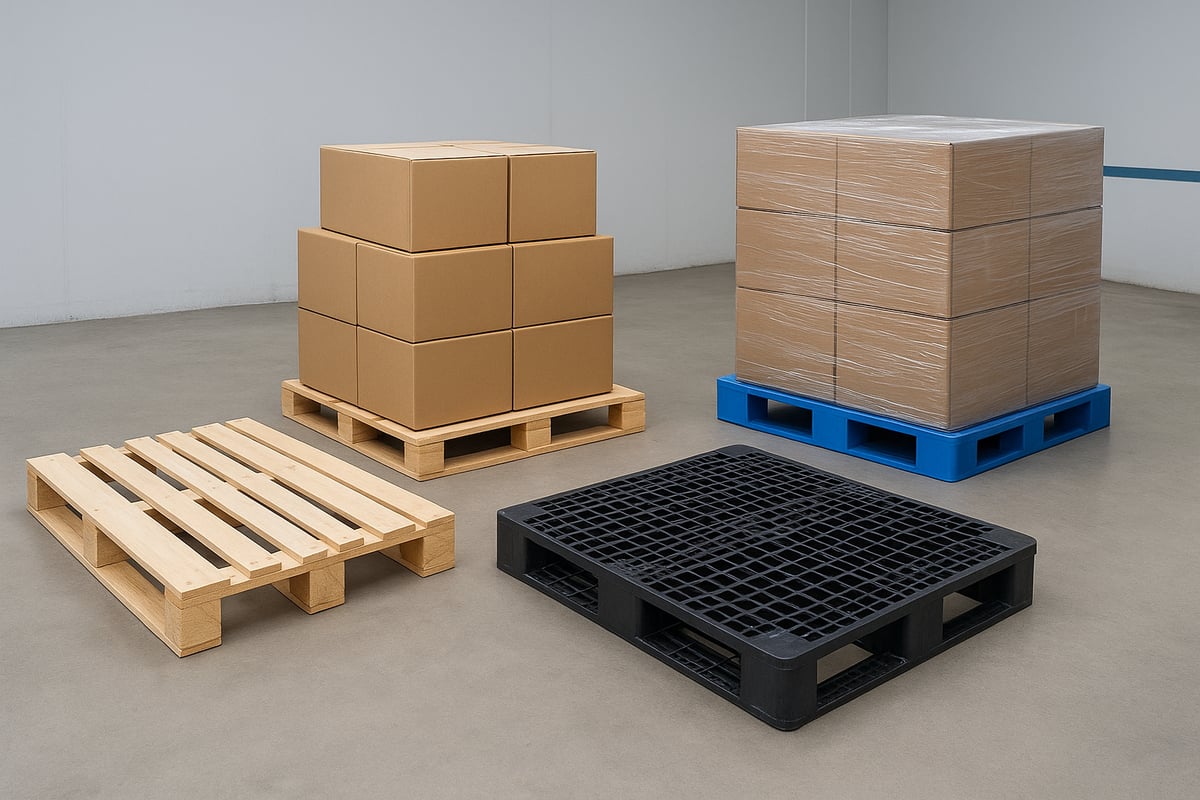
Pallet construction is the foundation of standard pallet dimensions. The two most common types are stringer and block pallets.
Stringer pallets use 2 x 4 inch supports (stringers) that run the length of the pallet, providing either two-way or four-way forklift entry. This design is cost-effective and widely used in North America. Block pallets, on the other hand, employ both parallel and perpendicular stringers, allowing true four-way entry and offering greater strength and stability. These are often the choice for automated warehouses and heavy-duty applications.
Specialty pallets expand on these designs. Solid deck pallets feature a seamless top surface, ideal for uneven or granular loads. Double face pallets have decks on both sides, making them reversible or non-reversible. Double wing pallets extend deck boards beyond the stringers for extra support and surface area.
The construction type directly affects load capacity, handling method, and compatibility with standard pallet dimensions. For a closer look at the range of wooden pallet types and their sizing, see this standard wooden pallets overview.
Choosing between these types depends on your product, warehouse automation, and regional standards. Block pallets, for example, are preferred in settings where durability and four-way entry are essential.
Material Innovations: Wood vs. Plastic Pallets
Material selection plays a significant role in standard pallet dimensions and their practical applications. Wooden pallets remain the most common due to their affordability, flexibility in sizing, and robust load capacity—often supporting up to 2,500 lbs. They are easy to repair and can be custom-built for specific requirements.
Plastic pallets, however, are gaining ground thanks to their durability, lighter weight, and hygiene advantages. These pallets can support up to 4,000 lbs and are ideal in industries like food and pharmaceuticals where cleanliness and reusability are priorities. Plastic options are also favored in automated environments since their precise molding ensures consistent standard pallet dimensions, reducing the risk of jams or errors in ASRS systems.
Heat-treated wooden pallets meet ISPM-15 regulations for international shipments. Meanwhile, sustainability initiatives are driving the adoption of both recyclable plastic and hybrid pallets, as well as pallet buy-back programs.
Here’s a quick comparison:
| Feature | Wooden Pallets | Plastic Pallets |
|---|---|---|
| Load Capacity | Up to 2,500 lbs | Up to 4,000 lbs |
| Hygiene | Moderate | Excellent |
| Recyclability | High (repairable/reused) | High (fully recyclable) |
| Sizing Flexibility | Customizable | Consistent, molded |
| Cost | Lower | Higher initial |
Material choice impacts not only standard pallet dimensions but also compliance and long-term costs. In 2025, demand for hybrid and eco-friendly options is rising as companies seek both efficiency and sustainability.
Sizing Considerations for Different Industries
Different sectors have unique requirements when it comes to standard pallet dimensions. For food and beverage, the CBA/GMA 48 x 40 inch pallet dominates due to its compatibility with grocery and retail supply chains. Pharmaceuticals often require plastic pallets in standard Euro sizes to meet cleanroom and hygiene standards.
Manufacturing environments favor heavy-duty block or double face pallets for machinery and bulk goods. E-commerce and retail demand versatile pallet sizes to accommodate varied product dimensions and rapid order fulfillment. Exporters must align with ISO-recognized sizes and use heat-treated materials to ensure smooth international transit.
For example, the dairy industry in the US relies on the 40 x 48 inch pallet, while EU operations use the 800 x 1200 mm Euro pallet for seamless integration into European racking and transport systems.
Industry dictates the optimal size and pallet type. While standard pallet dimensions streamline operations and reduce costs, custom sizing remains important for unique or oversized products. Companies must weigh efficiency, compliance, and product safety when making their selection.
2025 Sizing Trends, Compliance, and Best Practices
Staying ahead in logistics means keeping pace with how standard pallet dimensions evolve. In 2025, shifting industry demands, new technologies, and tighter regulations are transforming the way businesses select and use pallets. Understanding the latest trends, compliance requirements, and best practices will help you optimize your supply chain for efficiency and cost savings.

Emerging Trends in Pallet Sizing and Logistics
Automation is now a driving force in warehousing, leading to a stronger preference for standard pallet dimensions that work seamlessly with ASRS, conveyors, and robotic picking systems. Companies are investing in pallets that are uniform in size and shape, reducing downtime and errors during automated handling.
Cross-border e-commerce continues to expand, pushing organizations to stock multiple standard pallet dimensions. This approach ensures compatibility with regional requirements and reduces friction in global shipping. A growing number of businesses are shifting toward lighter, more durable materials such as recycled plastics and composites. These options not only extend pallet life but also support sustainability goals.
Key trends shaping 2025 include:
- Increased use of RFID-enabled pallets for real-time tracking.
- Broader adoption of closed-loop pooling systems.
- Forecasts indicate that over 50% of new pallets in some sectors will be plastic.
- Demand for hybrid and eco-friendly pallet options is rising.
Flexibility and compliance are more important than ever. For a comprehensive look at best practices, material innovations, and industry-specific sizing, the Warehousing Standards e-Handbook 2025 offers valuable insights for logistics professionals.
Regulatory and Compliance Considerations
Regulations governing standard pallet dimensions are becoming stricter, especially for international shipments. The ISPM-15 standard requires heat treatment or fumigation for wood pallets crossing borders, preventing the spread of pests. Pallets must also meet CBA, EPAL, or ISO certifications to ensure consistent quality and safety.
Key compliance requirements include:
- Documentation of heat treatment for wood pallets.
- Certification for quality and safety from recognized organizations.
- Adherence to customs requirements for size and material.
- Industry-specific rules, such as food safety or pharmaceutical hygiene standards.
Non-compliance can result in costly delays, fines, or rejected shipments. Sourcing pallets from certified suppliers and maintaining accurate documentation ensures smooth cross-border movement. Staying proactive with compliance not only protects your shipments but also builds trust with partners and authorities.
Steps to Select the Ideal Pallet Size for Your Needs
Choosing the right standard pallet dimensions requires a systematic approach. Start by identifying your shipping routes and understanding the destination's requirements. Assess the weight, size, and stacking needs of your products, then select a pallet material that fits your hygiene and sustainability goals.
Follow these steps:
- Identify shipping destinations and regulatory standards.
- Evaluate load weight, product dimensions, and stacking limits.
- Choose pallet material based on product needs and compliance.
- Confirm compatibility with warehouse automation and racking.
- Ensure all pallets meet ISO, CBA, or EPAL standards.
- Source only from certified, reputable suppliers.
- Plan for future scalability and multi-region logistics.
Selecting proper standard pallet dimensions reduces customs delays and lowers the risk of product returns. For common questions about pallet sizes and industry requirements, visit Pallet size FAQs and answers. By following these steps, you can streamline your operations and stay competitive in 2025.
Practical Guide: Preparing, Securing, and Shipping Pallets
Efficient shipping starts with mastering standard pallet dimensions, proper packing, and smart carrier choices. Whether you are shipping regionally or globally, following best practices ensures product safety, compliance, and cost savings. Here’s how to prepare, secure, and ship pallets with confidence in 2025.
Best Practices for Packing and Securing Pallet Loads
Packing your freight correctly on pallets is crucial. Start by selecting the right standard pallet dimensions for your load. Arrange heavier items at the bottom and lighter goods on top to maintain stability.
- Distribute weight evenly across the pallet’s surface.
- Use at least two straps and five wraps of shrink film for security.
- Place crush cones on fragile loads to prevent unwanted stacking.
- Inspect every pallet for cracks, broken boards, or protruding nails before loading.
- Avoid overhanging products, as this increases the risk of damage.
Proper use of standard pallet dimensions streamlines stacking and helps prevent shifting during transit. For fragile or high-value shipments, consider double face or solid deck pallets for added support. Video guides on blocking, bracing, and stacking can provide step-by-step demonstrations.
According to industry data, following these packing guidelines can reduce freight damage claims by up to 60 percent. By consistently applying these methods, you maximize safety, minimize risk, and ensure your shipment arrives intact.
Shipping Cost Factors and Optimization
Shipping costs are influenced by several variables, and standard pallet dimensions play a major role. Carriers typically offer lower rates for shipments that use industry-standard sizes due to ease of handling and compatibility with their equipment.
Key cost drivers include:
- Pallet size and weight
- Shipping distance
- Freight method (LTL or FTL)
- Seasonality and shipping volume
Standardizing your shipments with common pallet sizes, such as the 48"x40" or 800x1200mm, can help you secure better rates and avoid surcharges for oversized loads. Use online quoting tools to compare carriers and identify the most cost-effective options.
| Cost Factor | Impact on Shipping Cost |
|---|---|
| Standard Pallet Dimensions | Lower rates, faster processing |
| Oversized Pallets | Higher fees, possible delays |
| Accurate Weight | Prevents unexpected charges |
| Uniform Shipments | Enables volume discounts |
Proactive planning and accurate data entry, including correct standard pallet dimensions, ensure smooth shipping and cost efficiency.
Additional Shipping Considerations and FAQs
Selecting the right carrier and understanding shipment tracking are vital for success. Experienced carriers in palletized freight are familiar with standard pallet dimensions, which helps avoid transit issues.
Frequently Asked Questions:
- How tall is a standard pallet? Most are 6.5 inches tall.
- How much can a standard pallet hold? Depending on material and construction, up to 4,600 pounds.
- What is the typical weight of a standard pallet? Usually between 30 and 48 pounds.
Clear communication with your carrier about standard pallet dimensions and materials is essential, especially for international shipments. Proper documentation helps ensure customs compliance and reduces the risk of delays.
For more in-depth details about the most common North American pallet size, see GMA pallet dimensions explained. With over 500 million Euro pallets and 2 billion pallets in use worldwide, staying informed about standard pallet dimensions is key to minimizing damage and optimizing logistics.
By applying these best practices and leveraging the right resources, you can ship efficiently and confidently in 2025.


