

Discover how pallet and wood recycling is transforming sustainability efforts for businesses and individuals in 2026. With growing environmental concerns and rising costs, companies face increasing pressure to adopt responsible recycling practices.
Did you know that over 500 million pallets are recycled each year in the United States alone? This surge in pallet and wood recycling not only reduces landfill waste, but also helps organizations save money, comply with regulations, and operate more sustainably.
This article is your comprehensive, step-by-step guide to pallet and wood recycling. You will learn about current market trends, how recycling works, key regulations, business opportunities, and emerging innovations shaping the future.
The State of Pallet and Wood Recycling in 2026
The pallet and wood recycling sector in 2026 stands at a pivotal moment, transforming how businesses manage resources and sustainability. With mounting environmental regulations and the need for cost-effective operations, companies are increasingly prioritizing pallet and wood recycling as a core component of their supply chain strategies.
Industry Growth and Market Trends
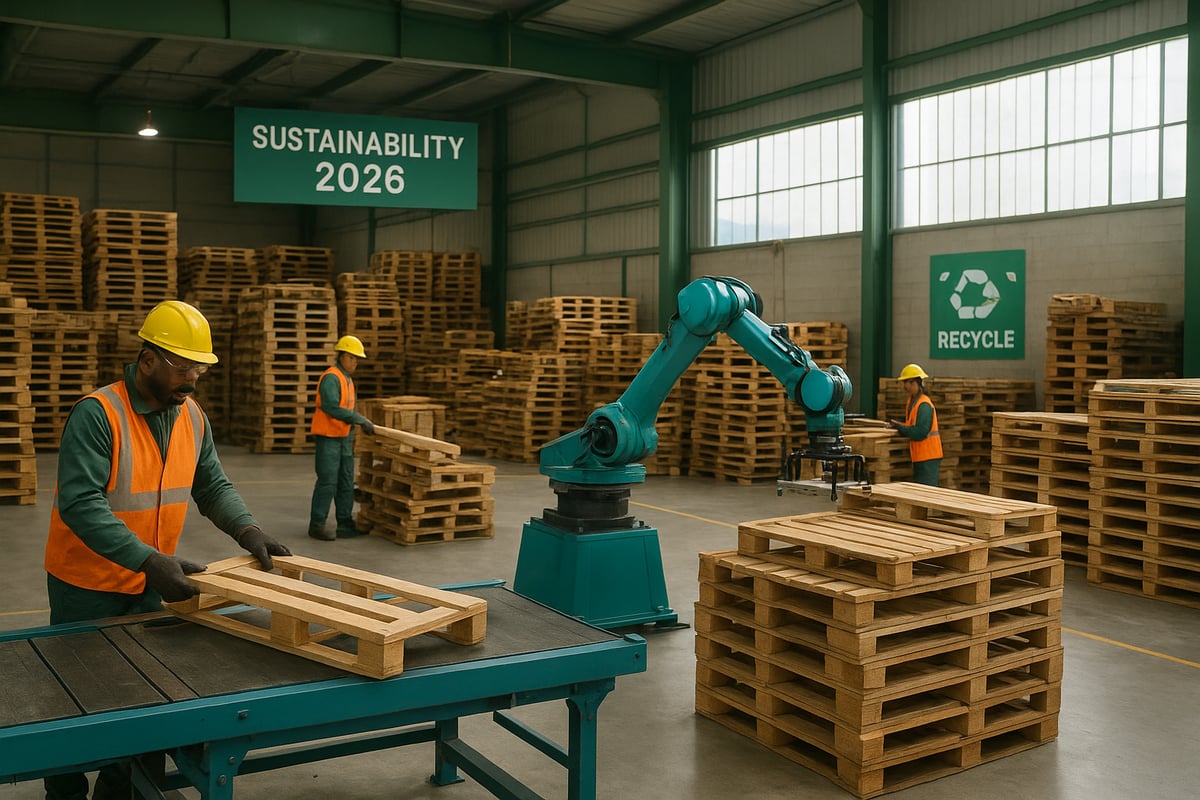
The global market for pallet and wood recycling continues to expand rapidly, driven by surging e-commerce and logistics needs. In the United States, the industry has reached unprecedented scale, with both domestic and international companies investing in advanced recycling infrastructure. Adoption of circular economy principles and zero-waste initiatives is pushing demand for recycled wood products like mulch, biofuel, and composite materials. Regional hotspots, such as the Midwest and West Coast, are leading innovation and volume. For detailed insights into current market size and growth projections, see the Global Pallet Recycling Market Growth report.
Environmental Impact and Sustainability
Pallet and wood recycling delivers significant environmental benefits. By diverting millions of tons of wood waste from landfills, the industry reduces methane emissions and conserves valuable landfill space. In 2026, logistics companies report up to 40 percent less waste due to robust recycling programs. Compared to 2020-2025, wood waste diversion rates have surged, with carbon footprint savings now a critical performance metric. Major players are setting ambitious targets for emissions reduction, showcasing the tangible impact of pallet and wood recycling on corporate sustainability goals.
Common Types of Recyclable Pallets and Wood
Understanding which materials can be recycled is essential for effective pallet and wood recycling. The most commonly recycled pallets are GMA (Grocery Manufacturers Association), block, and stringer types. Both wood and plastic pallets are present in circulation, but wood remains more widely recycled due to established processes. The table below summarizes common types:
| Pallet Type | Material | Recyclable | Notes |
|---|---|---|---|
| GMA | Wood | Yes | Standard size, high volume |
| Block | Wood | Yes | Durable, reusable |
| Stringer | Wood | Yes | Common in North America |
| Plastic | Plastic | Yes | Specialized facilities needed |
| Treated/Painted | Wood | No | Often contaminated |
Non-recyclable wood includes pieces that are treated, painted, or contaminated with chemicals, which must be separated to maintain quality standards.
Challenges Facing the Industry
Despite strong progress, pallet and wood recycling faces persistent challenges. Labor shortages continue to push companies toward automation and robotics for sorting and repair. Contamination with nails, chemicals, or non-wood materials complicates recycling and increases costs. Transportation bottlenecks, driven by high fuel prices and driver shortages, also impact efficiency. Additionally, competition between recycling and reuse markets requires businesses to carefully assess the optimal use of pallets, balancing environmental and economic objectives within their pallet and wood recycling programs.
Key Statistics and Facts
Recent data highlights the remarkable advancement of pallet and wood recycling in North America. Over 90 percent of pallets in the US are now recycled or reused, a major leap from just 70 percent a decade ago. As of 2026, approximately 1.5 billion pallets circulate in the region, supporting a vast ecosystem of manufacturers, recyclers, and end-users. These milestones reflect the sector's commitment to sustainable practices, confirming that pallet and wood recycling is no longer optional, but essential for forward-thinking organizations.
Step-by-Step Guide to Pallet and Wood Recycling
Implementing a robust pallet and wood recycling program in 2026 is both a strategic and sustainable move for any business. By following a structured approach, you can maximize value, minimize waste, and ensure compliance with evolving industry standards. This guide will walk you through each essential step of pallet and wood recycling, making the process accessible whether you manage a warehouse, logistics center, or simply want to recycle more efficiently.
Step 1: Collection and Sorting
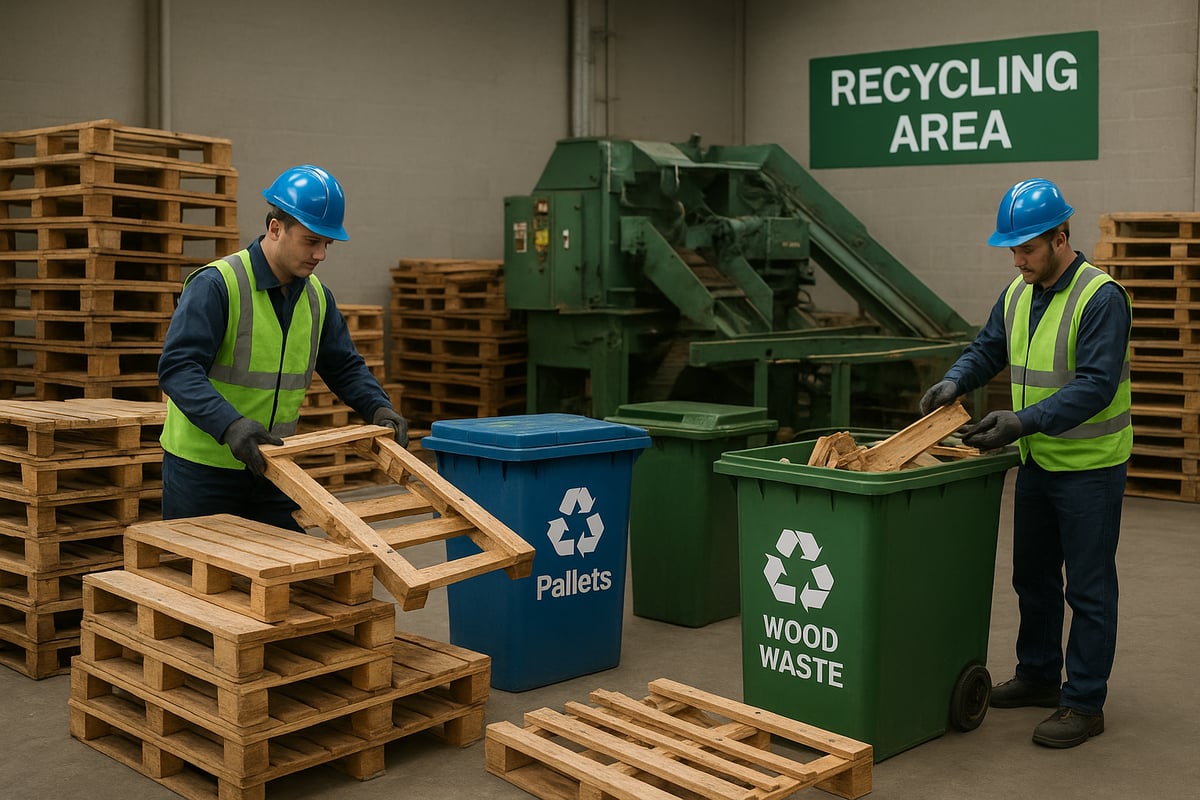
The first step in pallet and wood recycling is collecting and sorting materials at their source. Efficient collection ensures that only suitable pallets and wood waste enter the recycling stream, reducing contamination and improving overall yield.
Begin by identifying recyclable pallets, such as GMA, block, or stringer pallets, and separating them from non-recyclable wood like painted, treated, or contaminated materials. Use clearly marked bins or designated areas for different types of pallets and wood waste.
Collection can be managed on-site, where employees place pallets directly into sorting areas, or off-site, with scheduled pickups by recycling partners. Warehouses should train staff to segregate pallets by size, material, and condition. This attention to detail at the collection stage sets the foundation for an effective pallet and wood recycling program.
Step 2: Inspection and Grading
Once collected, pallets and wood are inspected and graded to determine their next best use. The grading process evaluates each pallet for repair, reuse, or direct recycling, ensuring optimal resource allocation.
Grading standards typically include:
| Grade | Description | Typical Use |
|---|---|---|
| A | Minimal damage, reusable | Direct reuse |
| B | Repairable, moderate wear | Repair, then reuse |
| C | Heavily damaged | Recycling only |
Inspectors look for structural issues, missing boards, or contamination. Remove nails, paint, and chemical residues to preserve the integrity of the recycling stream. Proper inspection and grading not only improve the efficiency of pallet and wood recycling but also enhance the safety and quality of recycled products.
Step 3: Repair and Reconditioning
Many pallets can be repaired and reconditioned for reuse, extending their service life and reducing demand for new materials. Common repair techniques include board replacement, nailing loose components, and stringer reinforcement.
The decision to repair versus recycle depends on a cost-benefit analysis. Repairs are often less expensive than purchasing new pallets, especially when labor and material costs are managed efficiently. On average, a repaired pallet can serve multiple additional cycles before reaching end-of-life.
Warehouses that implement systematic repair programs as part of their pallet and wood recycling strategy often see significant reductions in waste and operational costs. Regular maintenance also supports sustainability goals by keeping usable pallets in circulation longer.
Step 4: Recycling Processes
When pallets and wood cannot be repaired, they move on to mechanical recycling processes. These involve breaking down wood into chips, mulch, animal bedding, or even biofuel. Plastic pallets undergo specialized recycling to reclaim polymer materials.
The typical facility workflow includes shredding or chipping wood, screening for contaminants, and processing the material for its intended end use. Modern recycling centers may use automated systems to improve speed and accuracy.
For a detailed explanation of how these processes work and what services are available, consult pallet recycling services and process for further insights into efficient recycling workflows.
By incorporating advanced recycling methods, companies ensure that the pallet and wood recycling cycle is as closed-loop and sustainable as possible.
Step 5: Distribution and End-Use Applications
After processing, recycled pallets and wood products are distributed to various industries. Common channels include agriculture (mulch, animal bedding), landscaping (wood chips, compost), and construction (composite materials).
Many businesses sell recycled pallets directly to manufacturers or through digital marketplaces. Others partner with logistics providers to close the supply loop. Manufacturers increasingly use recycled wood composites in new products, supporting the growth of the circular economy.
A well-executed pallet and wood recycling program not only diverts waste from landfills but also creates valuable materials for a wide range of applications.
Compliance and Documentation
Maintaining accurate records is vital for tracking recycled volumes, reporting to regulatory bodies, and achieving sustainability certifications. Chain-of-custody documentation verifies that materials have been properly handled throughout the pallet and wood recycling process.
Digital tools simplify compliance by automating data collection and generating reports for audits. Businesses should keep detailed logs of collection, grading, repair, recycling, and distribution activities.
Comprehensive documentation not only supports regulatory compliance but also strengthens sustainability claims and builds trust with customers and partners.
Regulatory Compliance and Best Practices in 2026
Understanding regulatory compliance is essential for any business engaged in pallet and wood recycling. As sustainability standards rise in 2026, staying up to date with evolving rules and best practices ensures both environmental stewardship and operational efficiency.

Evolving Regulations and Standards
The regulatory landscape for pallet and wood recycling has become more rigorous in 2026. The Environmental Protection Agency (EPA) and local authorities require strict tracking of wood waste streams. ISPM-15 certification remains mandatory for export pallets, ensuring wood packaging is treated to prevent pest transmission.
New certifications have emerged for recycled wood products, focusing on traceability and environmental performance. Businesses must adhere to both federal guidelines and state-specific recycling mandates. A quick reference table below highlights key requirements:
| Regulation/Standard | Applies to | Key Requirement |
|---|---|---|
| EPA Wood Waste Rules | All businesses | Documentation, reporting |
| ISPM-15 | Export pallets | Heat/fumigation treatment |
| State Recycling Mandates | Varies by location | Minimum diversion rates |
| Recycled Wood Certifications | Recycled products | Chain-of-custody, labeling |
Remaining compliant in pallet and wood recycling is critical for smooth business operations and market access.
Health, Safety, and Environmental Considerations
Health and safety protocols are a cornerstone of pallet and wood recycling in 2026. Proper handling and storage reduce risks of fire, injury, and pest infestations. Facilities are required to implement fire prevention systems and routine pest control measures.
To prevent cross-contamination, staff must separate treated, painted, or contaminated wood from recyclable material. Clear signage and color-coded storage help reduce errors. Training employees on safe lifting, use of personal protective equipment, and emergency response is now standard practice.
Prioritizing safety and environmental stewardship in pallet and wood recycling builds trust among clients and regulators alike.
Documentation and Traceability
Thorough documentation is now non-negotiable. Businesses must maintain records of all pallet and wood recycling activities for regulatory audits. Digital platforms streamline the tracking of recycled volumes, chain-of-custody, and certification status.
Paperless systems allow real-time reporting and easy access for compliance verifications. Accurate traceability supports sustainability claims, enhances transparency, and reduces the risk of fines or supply chain disruptions.
By making documentation a routine part of pallet and wood recycling, companies can demonstrate accountability and meet evolving industry standards.
Best Practices for Businesses
Adopting best practices for pallet and wood recycling starts with staff training and clear internal policies. Regular workshops ensure teams recognize recyclable materials, follow sorting protocols, and understand compliance obligations.
Partnering with certified recyclers guarantees responsible processing and helps businesses stay ahead of regulatory shifts. Using digital tools further improves efficiency and reporting accuracy. For additional guidance, consult Frequently asked pallet recycling questions to address common compliance and operational concerns.
Developing a robust company recycling policy and fostering a culture of sustainability positions businesses for long-term success in the evolving pallet and wood recycling industry.
Penalties for Non-Compliance
Non-compliance with pallet and wood recycling regulations can result in significant penalties. Fines for improper disposal, such as illegal dumping of treated wood, have increased in 2026. Regulatory agencies conduct regular inspections and audits, and violations can damage reputations and lead to costly legal action.
A recent case involved a logistics firm fined heavily for failing to segregate hazardous wood waste, underscoring the importance of adherence to standards. Avoiding such outcomes means prioritizing compliance, documentation, and ongoing staff education.
Staying proactive with pallet and wood recycling practices not only prevents penalties but also protects business continuity and sustainability goals.
Business Opportunities and Economic Benefits
Pallet and wood recycling is driving significant business value in 2026. Across industries, companies are discovering that sustainable practices not only support environmental goals but also deliver tangible bottom-line results. Let us explore how organizations can benefit financially and strategically from integrating pallet and wood recycling into their operations.
Cost Savings and Revenue Streams
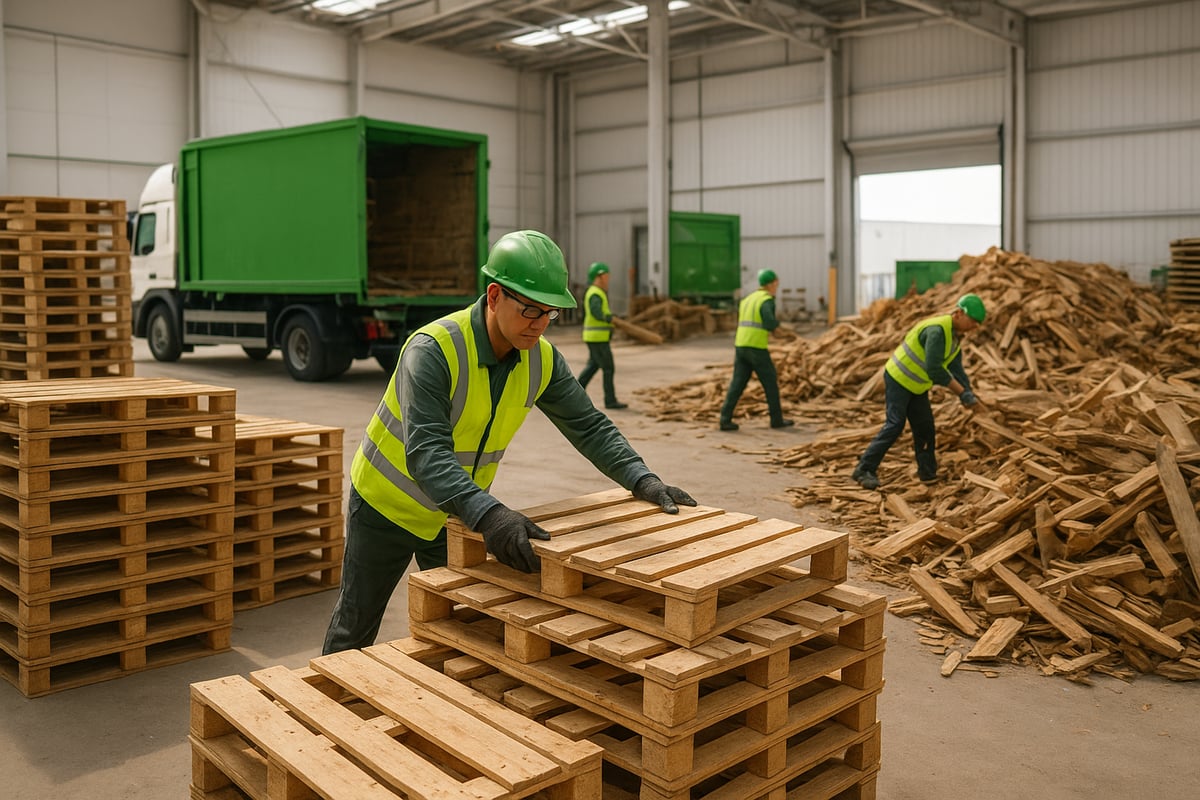
Adopting pallet and wood recycling substantially reduces waste disposal costs. Instead of paying landfill fees, businesses can redirect used pallets and wood into recycling streams, turning potential waste into valuable resources. Many companies now generate new revenue by selling used pallets, reclaimed wood, or wood chips to buyers in manufacturing, landscaping, or energy sectors.
For example, a mid-sized warehouse that recycles 10,000 pallets annually can save thousands in disposal fees and earn additional income from reselling repaired or reconditioned pallets. The growing demand for recycled wood products in the U.S. is well documented in recent U.S. Wooden Pallet Market Analysis reports, highlighting robust growth and expanding opportunities.
By participating in pallet and wood recycling, companies capture both direct savings and new revenue streams. This shift helps improve operational efficiency while supporting broader sustainability objectives.
Creating a Circular Supply Chain
Integrating pallet and wood recycling into logistics and procurement strategies leads to a more circular supply chain. Businesses are increasingly designing systems where pallets and wood packaging are recovered, repaired, and reused multiple times before being recycled into new materials.
Closed-loop systems ensure that materials remain in circulation as long as possible. This not only reduces raw material consumption but also supports long-term cost control and supply chain resilience. With a circular approach, organizations can minimize waste and demonstrate leadership in sustainable operations.
Pallet and wood recycling is now a key component in many supply chain sustainability programs, providing measurable benefits for both the environment and the bottom line.
Market Demand and Customer Preferences
Consumer and business demand for eco-friendly products is at an all-time high. Purchasers increasingly favor suppliers that demonstrate a strong commitment to sustainability, including responsible pallet and wood recycling practices.
Certifications such as FSC and SFI are becoming important differentiators in the marketplace. Companies that can document their recycling efforts often gain a competitive advantage, attracting environmentally conscious customers and partners.
By embracing pallet and wood recycling, organizations align with evolving market expectations while building brand loyalty and trust.
Partnering with Professional Recyclers
Selecting the right recycling partners is crucial for maximizing the benefits of pallet and wood recycling. Professional recyclers offer expertise in sorting, repair, and documentation, ensuring compliance with regulations and industry standards.
Long-term contracts with reliable recyclers provide cost predictability and streamline logistics. When evaluating partners, businesses should consider service capabilities, certification status, and transparency in reporting.
Building strong relationships with recycling providers helps companies optimize their sustainability initiatives and achieve consistent, high-quality results from pallet and wood recycling programs.
Innovations and Future Trends in Pallet and Wood Recycling
The landscape of pallet and wood recycling is rapidly transforming as businesses seek more efficient and sustainable solutions. Innovation is driving new approaches, making recycling smarter, faster, and more impactful. Let us explore the most significant trends shaping the future of pallet and wood recycling.
Automation and Technology
Automation is revolutionizing pallet and wood recycling operations. Robotics and artificial intelligence are now used to inspect, repair, and sort pallets with remarkable precision.
IoT-enabled tags track the lifecycle of each pallet, providing real-time data on location, usage, and condition. Automated conveyor systems improve throughput, while digital marketplaces connect businesses with buyers for recycled materials.
These advancements are making pallet and wood recycling more efficient, reducing manual labor requirements and improving quality control across the industry.
Advanced Recycling Methods
The industry is seeing breakthroughs in how pallet and wood recycling handles challenging materials. Chemical recycling processes now allow for the recovery of composite and contaminated wood, which previously ended up in landfills.
Researchers are developing biodegradable pallet materials, further reducing environmental impact. Startups are leading the way, using proprietary technologies to convert wood waste into high-value products like bio-based plastics and advanced composites.
These methods expand the reach of pallet and wood recycling, ensuring that even complex waste streams can be processed sustainably.
Sustainability and Circular Economy Initiatives
Pallet and wood recycling is central to the circular economy, where materials are kept in use for as long as possible. Manufacturers and recyclers are partnering to create closed-loop systems, reducing the need for new raw materials.
Industry-wide goals aim for zero-waste facilities by 2030, with continuous improvement in recycling rates and material recovery. For a deeper understanding of how wooden pallets support sustainability, explore the Circular Economy of Wooden Pallets.
These initiatives are making pallet and wood recycling a cornerstone of modern sustainability strategies.
Government and Industry Incentives
Governments are offering grants, tax credits, and subsidies to encourage investment in pallet and wood recycling infrastructure. Public-private collaborations are emerging to support sustainable logistics and waste reduction.
Recent regulatory decisions, such as maintaining wood packaging recycling targets for 2026, have significant implications for the industry's growth and compliance landscape. Learn more about these developments at Wood Packaging Recycling Targets 2026.
These incentives are accelerating innovation and adoption of best practices in pallet and wood recycling.
Consumer and Corporate Responsibility
Both consumers and corporations are demanding greater transparency in sourcing and recycling practices. Environmental, social, and governance (ESG) reporting is now standard for companies involved in pallet and wood recycling.
Businesses are expected to document recycling efforts and demonstrate their impact on sustainability goals. This heightened responsibility is driving continuous improvement and investment in more robust recycling systems.
Meeting these expectations not only protects brand reputation but also opens new market opportunities.
Predictions for 2027 and Beyond
Looking ahead, the market for pallet and wood recycling is poised for continued growth. Automation and advanced recycling methods will become standard, while new challenges, such as managing increasing waste volumes and adapting to evolving regulations, will emerge.
The role of recycled materials in global supply chains will expand, with more industries adopting sustainable practices. By staying ahead of these trends, businesses can ensure they remain competitive and compliant in the years to come.
Pallet and wood recycling is set to become even more integral to global sustainability efforts, shaping the future of resource management.
Resources and Tools for Effective Pallet and Wood Recycling
Access to the right resources is crucial for efficient pallet and wood recycling. With a growing focus on sustainability, businesses and individuals need reliable tools and support to streamline their recycling efforts and maximize environmental impact. Below, explore essential platforms, associations, educational options, government support, and practical templates to enhance your recycling strategy.
Online Platforms and Marketplaces
Finding local solutions is easier than ever thanks to modern digital platforms. Businesses can use online directories to identify nearby recyclers and buyers, which accelerates the pallet and wood recycling process.
Popular platforms offer:
- Listings of certified recyclers in your area
- Digital tools for tracking recycling volumes
- Marketplaces for buying and selling used pallets
For those seeking immediate options, Local pallet recycling options provides a convenient way to connect with professionals and streamline your recycling workflow. Leveraging these platforms ensures your pallet and wood recycling stays efficient and traceable.
Industry Associations and Standards
Staying informed is essential in the pallet and wood recycling industry. Leading associations such as the National Wooden Pallet & Container Association (NWPCA) offer guidance, regulatory updates, and best practice standards.
Key resources include:
- Access to technical manuals and recycling guidelines
- Updates on international certifications like ISPM-15 and FSC
- Industry benchmarking reports
These associations help you maintain compliance and stay ahead in pallet and wood recycling trends.
Educational Materials and Training
Ongoing education empowers teams to optimize every stage of pallet and wood recycling. Numerous organizations provide workshops, webinars, and online certification courses tailored to various experience levels.
Valuable training covers:
- Pallet repair and grading techniques
- Safety and handling procedures
- Regulatory compliance and documentation
Investing in staff education leads to higher recycling rates and improved safety within your pallet and wood recycling operations.
Government and NGO Support
Government agencies and NGOs play a vital role in supporting pallet and wood recycling initiatives. Many offer grants, funding opportunities, and technical assistance to help businesses launch or expand recycling programs.
Support options may include:
- State and federal recycling grants
- Tax incentives for sustainable operations
- Free consulting and educational resources
Taking advantage of these programs can boost the effectiveness and profitability of your pallet and wood recycling efforts.
Checklists and Templates
Streamlining your pallet and wood recycling process starts with the right tools. Practical checklists and templates ensure consistency, compliance, and continual improvement.
Essential resources include:
- Sample recycling policy templates for business use
- Inspection and grading checklists for warehouse teams
- Documentation forms for tracking recycled volumes
Implementing these tools helps maintain high standards and supports your long-term pallet and wood recycling goals.


