

Efficient pallet pickup is transforming how businesses manage logistics and sustainability in 2026. With the pallet pickup market projected to surpass $20 billion, companies are rethinking their approach to supply chain efficiency and environmental responsibility.
This guide covers everything you need to know about pallet pickup. Explore the latest market trends, learn the step-by-step pickup process, discover how to select the right provider, and understand key legal and environmental considerations.
Ready to optimize your operations and support a greener future? Dive in to find expert tips, cost-saving strategies, and the latest innovations reshaping pallet pickup today.
The Evolution of Pallet Pickup: Trends and Industry Insights for 2026
The pallet pickup industry is evolving rapidly as businesses respond to new market demands, regulatory changes, and sustainability goals. Understanding these trends is crucial for companies aiming to optimize operations and support environmental initiatives.
Growth of the Pallet Pickup Market
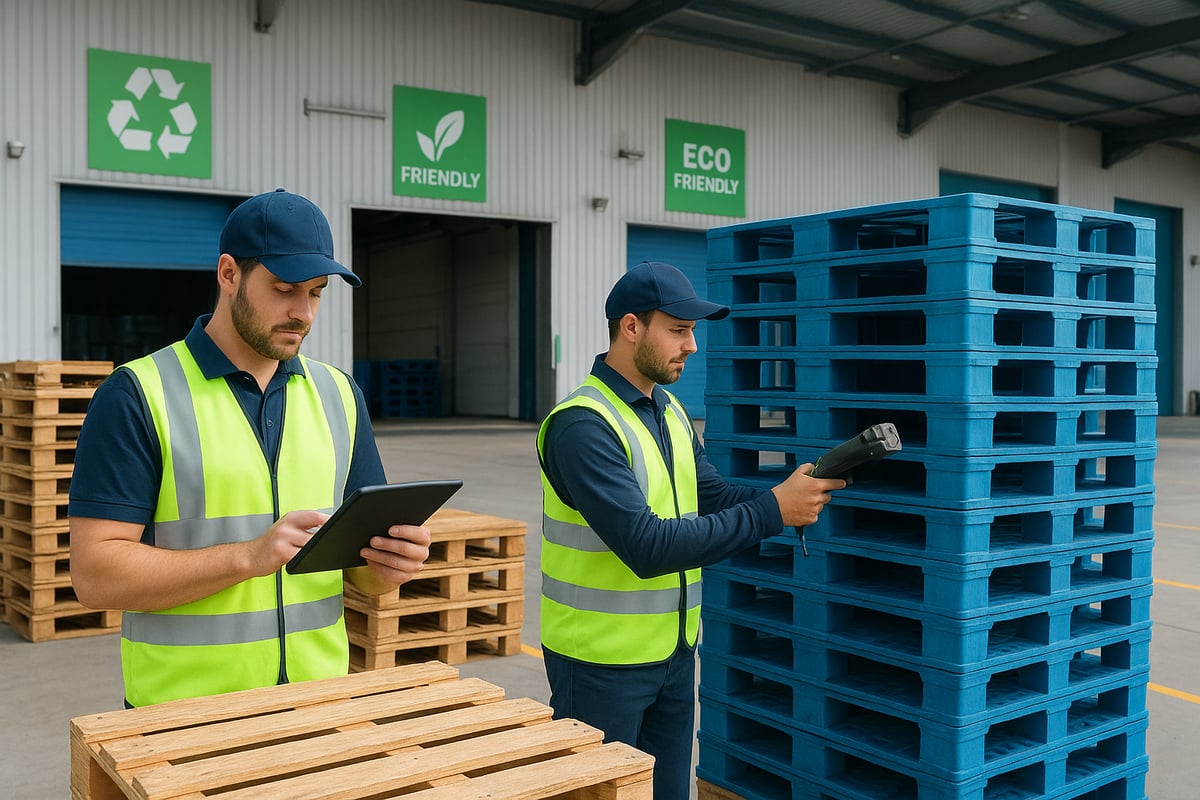
Demand for efficient pallet pickup is surging in the logistics sector. Increased supply chain complexity and the rise of e-commerce are fueling this growth. The U.S. pallet market is projected to surpass $20 billion by 2026, reflecting strong industry expansion. According to the Pallet Market Size & Forecast 2035, reverse logistics and the circular economy are key drivers shaping the future of pallet pickup.
Shifts in Pallet Materials and Types
Businesses are moving from traditional wood pallets to plastic and hybrid options. This shift impacts pallet pickup by changing handling methods and recycling processes. Major retailers have launched plastic pallet programs to reduce waste and improve durability. Material choice directly affects how pallets are collected, sorted, and reused or recycled.
| Pallet Type | Durability | Recycling | Cost |
|---|---|---|---|
| Wood | Moderate | High | Lower |
| Plastic | High | Moderate | Higher |
Technology Integration in Pallet Pickup
Technology is revolutionizing pallet pickup operations. Companies now use IoT devices for tracking pallets and automating pickup scheduling. RFID-enabled pallets allow real-time location updates, making the entire process more transparent. Digital platforms streamline pickup requests and documentation, reducing manual work and errors for both providers and customers.
Sustainability and Eco-Friendly Practices
Sustainability is at the forefront of pallet pickup innovation. New regulations are prompting companies to adopt eco-friendly disposal and recycling methods. Over 95% of wood pallets in the United States are now recycled or reused, highlighting strong industry commitment. Corporate responsibility programs are also driving the adoption of greener pickup solutions.
Regional and Global Regulatory Changes
Regulatory frameworks around pallet pickup are tightening. Updates to ISPM-15 standards and local waste management rules are changing how providers and customers handle pallets. Companies must stay informed about new policies in order to remain compliant and avoid penalties.
Impact of E-commerce and Urbanization
The explosion of e-commerce has led to a dramatic increase in palletized shipments. Urban environments present unique challenges for pallet pickup, such as traffic congestion and limited access to loading docks. Solutions include flexible scheduling and smaller vehicles tailored for city logistics.
The Role of Pallet Pickup in Supply Chain Optimization
Timely pallet pickup reduces warehouse clutter and improves workplace safety. Manufacturers that prioritize efficient removal processes often see significant cost savings. Smart strategies, such as regular scheduled pickups, help companies streamline their supply chains and focus on core business operations.
Step-by-Step Pallet Pickup Process: From Scheduling to Final Disposal
Efficient pallet pickup is essential for maintaining a streamlined supply chain and maximizing warehouse space. Understanding each stage of the pallet pickup process helps businesses minimize disruptions, stay compliant, and support sustainability goals.
Step 1: Assessing Your Pallet Pickup Needs
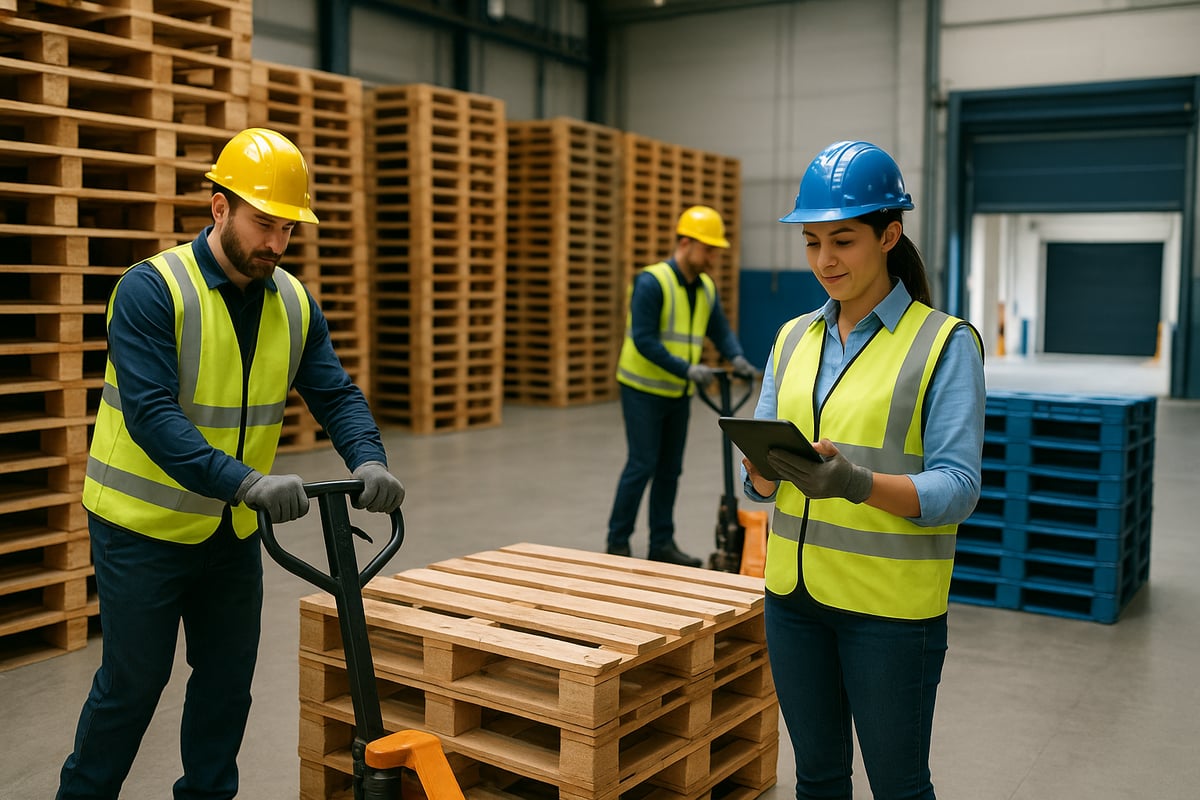
The first step in the pallet pickup process is a thorough assessment of your inventory. Identify the types, quantities, and conditions of pallets in your facility. Differentiate between reusable, recyclable, and damaged pallets to ensure proper handling.
A warehouse audit checklist can simplify this step:
- Count all pallet types (wood, plastic, custom)
- Note condition (good, repairable, scrap)
- Separate hazardous or contaminated pallets
This assessment ensures you select the right pallet pickup service and avoid unexpected costs. For practical guidance, visit Pallet pickup tips and advice. Proper evaluation supports compliance and streamlines the pickup process.
Step 2: Scheduling a Pickup
Once you have an inventory, schedule your pallet pickup using online portals or by phone. Most providers offer flexible scheduling for both small and large loads, with lead times typically ranging from 24 to 72 hours.
Best practices for efficient scheduling include:
- Grouping pickups to reduce costs
- Providing accurate pallet counts and types
- Confirming provider requirements
Average turnaround times in 2025-2026 are improving as digital platforms automate scheduling and dispatch. Timely scheduling ensures your pallet pickup fits seamlessly into your operations.
Step 3: Preparing Pallets for Pickup
Proper preparation is vital for a smooth pallet pickup. Begin by stacking pallets uniformly and securing them with shrink wrap or bands to prevent shifting during transport. Sort pallets by material and condition as requested by your provider.
Follow these preparation steps:
- Remove debris and hazardous materials
- Stack pallets in accessible areas
- Use visual guides for stacking height and orientation
Meeting provider requirements not only ensures safety but also speeds up the pallet pickup process. Well-prepared pallets reduce delays and potential fees.
Step 4: Pickup Day—What to Expect
On pickup day, expect your pallet pickup provider to arrive with clear identification and follow site protocols. The team will perform an on-site inspection, verifying quantities and pallet conditions before loading.
Key aspects include:
- Contactless pickup options for safety
- Documentation provided upon pickup
- Real-time updates via SMS or email
Professional providers prioritize efficiency and minimal disruption, ensuring your pallet pickup is completed safely and on schedule.
Step 5: Transportation and Tracking
After loading, the pallets are transported to the provider’s facility. Many companies now use GPS and RFID technology to offer real-time tracking for pallet pickup shipments, especially in urban environments.
Customers benefit from:
- Live updates on pickup status
- Digital receipts and documentation
- Improved accountability and transparency
These advancements help businesses monitor their pallet pickup and optimize their logistics planning.
Step 6: Final Disposal or Recycling
At the facility, pallets are sorted for repair, reuse, recycling, or disposal. Environmental impact is a top consideration in modern pallet pickup. In 2026, over 95% of pallets in the U.S. are recycled or reused, significantly reducing landfill waste.
Comparison Table: Pallet Disposal Methods
| Method | Environmental Impact | Common Use Cases |
|---|---|---|
| Reuse | Low | Good condition |
| Recycle | Low | Damaged, non-repairable |
| Landfill | High | Contaminated, non-recyclable |
Choosing eco-friendly options in your pallet pickup process supports sustainability goals and regulatory compliance.
Step 7: Documentation and Compliance
The final step in pallet pickup is receiving documentation for your records. Providers supply receipts, proof of pickup, and waste tracking forms. These documents are essential for audits and demonstrate compliance with local and national regulations.
Maintain digital copies for easy access and reporting. Proper documentation closes the pallet pickup process and protects your business during inspections.
Choosing the Right Pallet Pickup Provider: What to Look For
Selecting the ideal pallet pickup provider is crucial for efficient logistics and cost control. With the market evolving rapidly, businesses must evaluate several factors to ensure their pallet pickup process meets operational and sustainability goals.
Service Coverage and Availability
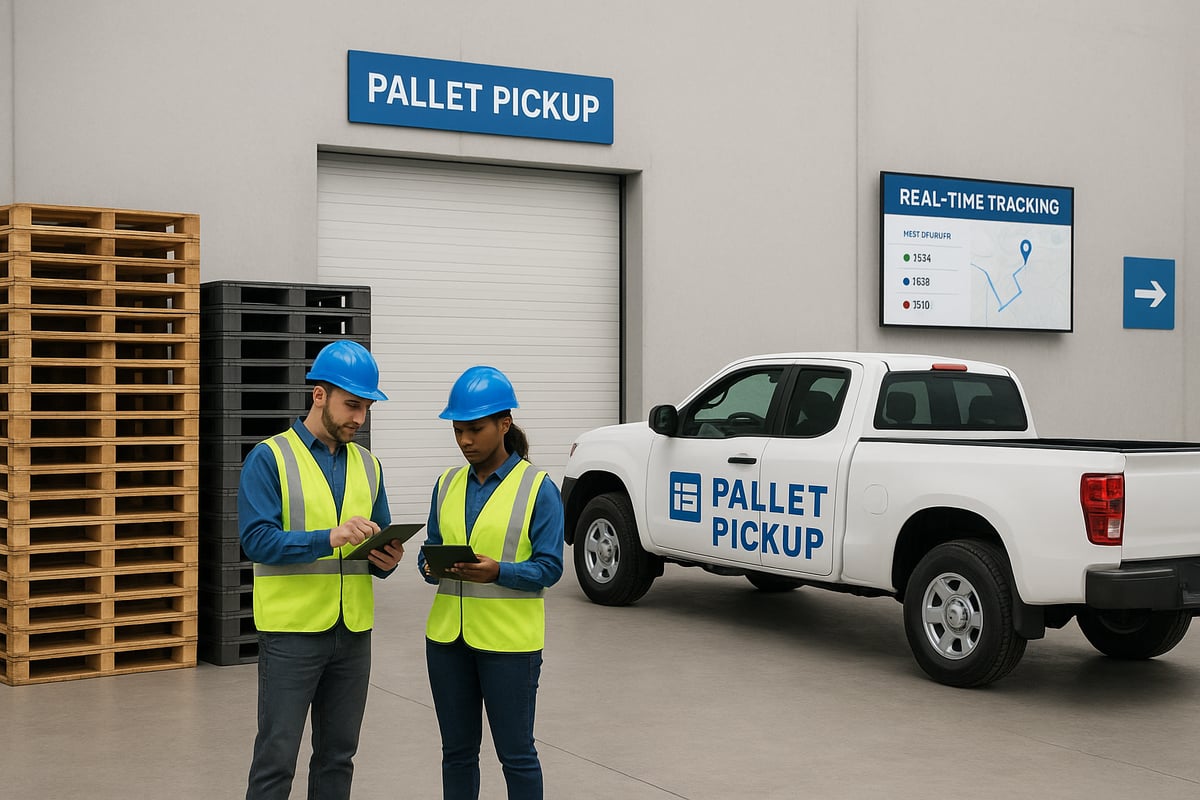
Start by considering the provider’s service coverage. National providers often offer standardized pallet pickup solutions across multiple regions, which benefits multi-location businesses. Regional providers may provide tailored services for specific urban or rural areas, addressing local regulations and unique needs.
Evaluate whether your chosen provider can handle both scheduled and on-demand pallet pickup. Businesses with locations in different cities require a provider capable of coordinated pickups, ensuring consistency and reduced operational downtime.
Types of Pallets Accepted
Not all pallet pickup providers accept every pallet type. Some specialize in wood pallets, while others also handle plastic, custom sizes, or mixed loads. This impacts your ability to dispose of or recycle various pallet types efficiently.
Confirm which pallet types your provider accepts. If your operations generate diverse pallet materials, choose a provider equipped for comprehensive pallet pickup. This reduces the risk of rejected loads and unexpected fees, streamlining your waste management process.
Pricing Models and Cost Factors
Understanding pricing models is essential for budgeting pallet pickup. Providers may offer flat-rate pricing for standard loads or charge per pallet, especially for large or irregular shipments. Additional fees can apply for damaged, non-standard, or contaminated pallets.
Request detailed quotes to compare costs between providers. Average pallet pickup costs can vary by region and provider size, so analyze your projected volume and load types. Transparent pricing helps avoid hidden charges and optimizes your logistics expenditure.
Environmental and Recycling Credentials
Sustainability is now a top priority in pallet pickup. Look for providers with certifications such as ISPM-15 or compliance with EPA recycling standards. High recycling and reuse rates indicate a provider’s commitment to eco-friendly practices.
For best results, partner with a provider that follows pallet recycling best practices. This ensures responsible material handling, supports your corporate sustainability goals, and helps you comply with local environmental regulations.
Customer Support and Technology Integration
Efficient communication and real-time updates are vital when managing pallet pickup. Leading providers offer online scheduling, instant quotes, and customer portals for tracking pickups. Some also provide mobile apps for on-the-go management.
Prioritize providers who invest in technology and responsive customer support. Real-time tracking and automated notifications improve transparency, helping your team stay informed every step of the pallet pickup process.
Reputation and Reliability
A provider’s reputation reflects their reliability and service quality. Research customer reviews, industry partnerships, and case studies to assess performance. Established providers often serve major brands, demonstrating trustworthiness and operational excellence.
Choose a pallet pickup partner with a proven track record. Consistent, timely service and positive testimonials are strong indicators of reliability, reducing the risk of disruptions in your supply chain.
Value-Added Services
Beyond basic pallet pickup, many providers offer value-added services that enhance your logistics efficiency. These may include:
- Pallet repair and refurbishment
- Buy-back and credit programs
- On-site sorting and segregation
Leveraging these services can reduce your total logistics costs, minimize waste, and generate revenue from used pallets. Evaluate which add-ons align with your business needs for a holistic pallet pickup solution.
Legal, Safety, and Environmental Considerations in Pallet Pickup
Navigating legal, safety, and environmental requirements is essential for any business relying on pallet pickup. Regulations are evolving, workplace safety is a top priority, and sustainability standards are higher than ever. Understanding these factors can help your operations stay compliant, safe, and environmentally responsible.
Regulatory Compliance and Documentation
Compliance is non-negotiable in pallet pickup. Businesses must adhere to ISPM-15 standards for export pallets, ensuring all wood pallets are properly treated and marked. Local waste management rules also dictate how pallets are disposed of or recycled.
Many U.S. states are tightening regulations, and fines for improper pallet disposal can reach thousands of dollars in major cities. Extended Producer Responsibility (EPR) laws are expanding, placing more accountability on companies for their pallet and packaging waste. For up-to-date details on these evolving requirements, visit this U.S. Packaging EPR Laws 2025 resource.
Keeping accurate documentation, such as pickup receipts and waste tracking, is vital for audits and regulatory compliance.
Safety Protocols for Pickup and Handling
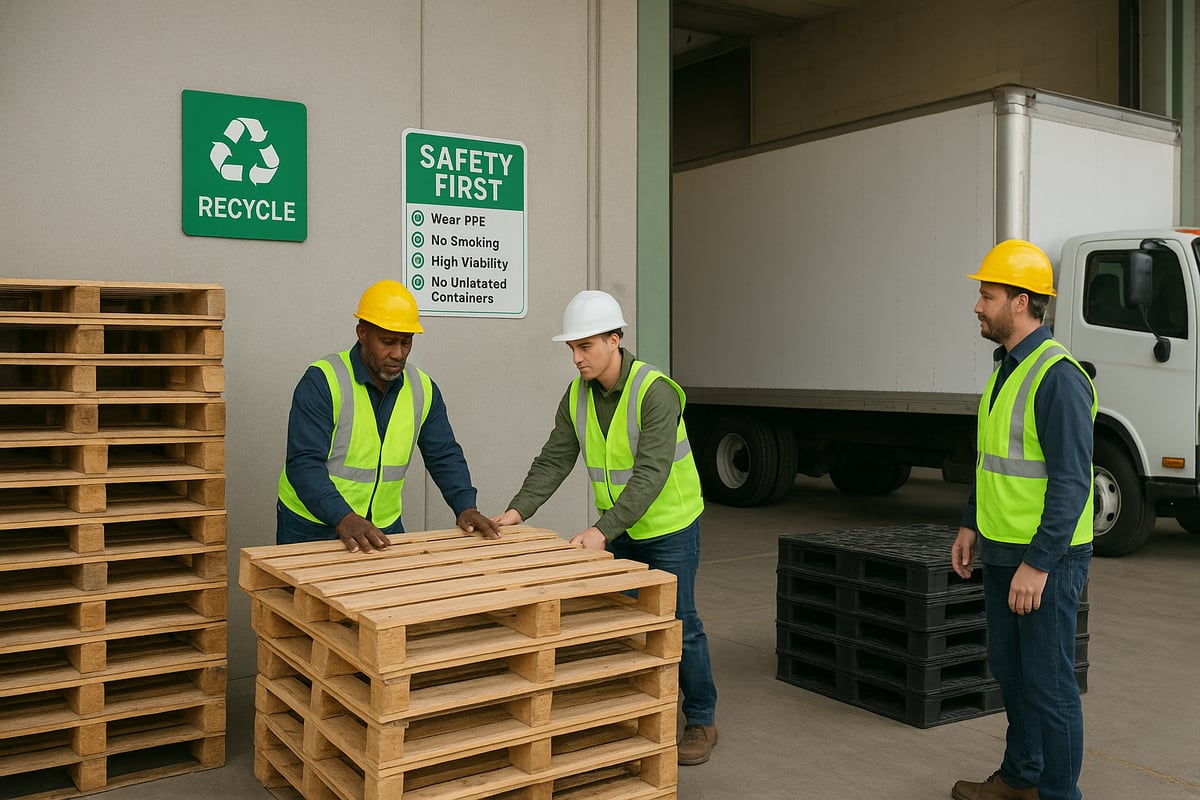
Proper safety protocols are crucial during pallet pickup to protect workers and property. The Occupational Safety and Health Administration (OSHA) provides clear guidelines for stacking and storing pallets to prevent accidents.
Workplace injuries can occur if pallets are stacked too high or handled incorrectly. Before scheduling a pallet pickup, staff should inspect for damaged pallets, clear walkways, and use appropriate equipment.
- Always use gloves and safety shoes
- Never stack pallets above recommended heights
- Ensure clear access for pickup vehicles
Consistent training and following these steps help reduce risks and support a safe environment.
Environmental Impact and Sustainability
Understanding the environmental impact of pallet pickup is increasingly important. The choice between wood and plastic pallets affects both emissions and landfill rates. Lifecycle analysis shows that recycling wood pallets significantly reduces carbon emissions compared to disposal.
In 2026, more than 95% of wood pallets in the U.S. are recycled or reused. Plastic pallets, while durable, require different recycling processes. Companies that implement robust recycling programs see measurable reductions in their environmental footprint.
Sustainable pallet pickup is not just good for the planet, it is also a strong business differentiator.
| Pallet Material | Recycling Rate | Emissions Savings |
|---|---|---|
| Wood | 95% | High |
| Plastic | 80% | Moderate |
Waste Diversion and Circular Economy Initiatives
Pallet pickup plays a key role in supporting zero-waste goals and the circular economy. By diverting pallets from landfills and focusing on repair or reuse, businesses can minimize waste and conserve resources.
Corporate sustainability programs often highlight pallet pickup as a major contributor to waste reduction. For example, companies that partner with recycling-focused providers can achieve higher diversion rates and demonstrate progress toward zero-waste certifications.
Case studies show that proactive pallet pickup strategies lead to both cost savings and improved corporate responsibility.
Liability and Insurance
Liability is an important factor when arranging pallet pickup. Providers must carry adequate insurance to cover potential accidents or property damage during on-site pickups. Businesses are responsible for maintaining a safe pickup area, free of obstructions and hazards.
Before scheduling a pallet pickup, confirm your provider’s insurance credentials and clarify responsibilities. This ensures protection for both parties and reduces the risk of costly claims.
Clear communication and documented agreements further minimize liability exposure.
Data Privacy and Digital Records
Modern pallet pickup services increasingly rely on digital scheduling, tracking, and documentation. Protecting customer data and maintaining secure digital records is a legal and ethical obligation.
Providers must comply with data protection laws and use secure systems for managing pickup records. Businesses should request digital copies of all relevant documentation and ensure access is limited to authorized personnel.
Proper data management supports compliance, audit readiness, and customer trust.
Maximizing Value: Cost-Saving and Revenue-Generating Strategies for Pallet Pickup
Unlocking the full value of pallet pickup means more than just clearing space. With the right approach, businesses can transform what was once a logistical headache into a source of cost savings and new revenue. Let’s explore key strategies for maximizing value through pallet pickup programs.
Pallet Buy-Back and Credit Programs
Many companies now partner with providers offering pallet buy-back or credit programs. By selling used pallets back, businesses can offset the cost of new pallets or earn direct revenue. These programs often accept a variety of pallet types and conditions, making it easy to participate regardless of your operation’s scale.
Some providers issue instant credits or payments for each qualifying pallet pickup, streamlining the process. Over time, these credits can significantly reduce your overall logistics expenses. If your business regularly cycles through large quantities, a robust buy-back program can become a vital part of your pallet pickup strategy.
Bulk Pickup and Logistics Optimization
Scheduling regular, bulk pallet pickup can dramatically lower per-pallet costs. Instead of managing frequent, smaller pickups, consolidating loads reduces transportation fees and increases efficiency. For multi-site operations, coordinated pickups across locations further maximize savings.
A quick look at the cost impact:
| Pickup Frequency | Avg. Cost Per Pallet | Total Pallets per Month | Monthly Savings |
|---|---|---|---|
| Weekly | $2.50 | 400 | Base |
| Bi-weekly | $1.80 | 800 | $280 |
| Monthly Bulk | $1.25 | 1600 | $500+ |
Knowing your standard pallet dimensions guide allows for better load planning and improved scheduling, ensuring you get the most from every pallet pickup.
Repair and Reuse Initiatives
Extending the life of your pallets is a proven way to minimize replacement costs. Many pallet pickup providers offer repair and reconditioning services, returning refurbished pallets for continued use. This approach not only saves on purchasing but also supports sustainability goals.
Choosing the right material matters. Explore options in this wood versus plastic pallets resource to understand which types are best suited for repair, reuse, or recycling. A proactive repair strategy can keep your supply chain moving while reducing waste.
Negotiating Pickup Contracts
Negotiating favorable terms with your pallet pickup provider can yield significant cost advantages. Consider multi-year agreements or volume-based discounts for ongoing partnerships. Carefully review contract terms, including service levels, fees for damaged pallets, and minimum load requirements.
Ask for transparent pricing and flexibility to adapt as your business grows. A well-negotiated contract ensures reliable pallet pickup without unexpected expenses, supporting long-term operational efficiency.
Tracking and Reporting for ROI
Leveraging technology to track pallet pickup activity can help measure program performance and optimize future logistics. Many providers now offer digital dashboards and automated reporting tools, making it easy to monitor pickups, credits, and recycling rates.
By analyzing these reports, businesses can identify trends, improve scheduling, and document regulatory compliance. Clear reporting also helps demonstrate the financial and environmental impact of your pallet pickup initiatives.
Internal Process Improvements
Staff training and clear protocols are essential to maximize value from every pallet pickup. Consider these best practices:
- Train employees on correct stacking and sorting methods
- Establish a routine inspection process for damaged pallets
- Use visual guides to ensure compliance with provider requirements
Efficient internal processes reduce loss and damage, speed up pallet pickup, and contribute to a safer work environment. Consistent preparation leads to smoother operations and greater returns from your pallet pickup program.
The Future of Pallet Pickup: Innovations and What to Expect by 2026
The pallet pickup industry is undergoing rapid transformation, fueled by technology, sustainability demands, and shifting regulations. As we look to 2026, businesses must adapt to new tools and strategies to stay ahead. The following innovations are shaping the future of pallet pickup and redefining supply chain efficiency.
Automation and Robotics in Pickup and Processing
Automation is revolutionizing pallet pickup, with robotics handling loading, sorting, and transport. Automated pallet trucks are becoming common, reducing labor costs and increasing speed. These machines use sensors and AI to safely navigate warehouses, improving safety and operational efficiency.
Industry leaders are investing in robotics to streamline pallet pickup workflows. For instance, the Automated Pallet Truck Market Trends 2034 report highlights the integration of smart battery technology and AI for real-time adjustments. Companies adopting these solutions report fewer errors and faster turnaround.
As more warehouses implement automation, pallet pickup processes will become increasingly seamless, supporting higher throughput and lower risk of workplace injuries.
Advanced Tracking and Data Analytics
Digital transformation is central to the future of pallet pickup. IoT technology allows real-time tracking of pallets throughout their journey. RFID tags, GPS, and cloud-based platforms provide instant updates for both providers and customers.
Businesses can now monitor the status of every pallet pickup, predict bottlenecks, and optimize routes. Predictive analytics help schedule pickups more efficiently, reducing costs and preventing delays. These insights support data-driven decisions and improved resource allocation.
As data analytics tools become more sophisticated, companies gain a competitive edge by refining their pallet pickup operations and meeting customer expectations for transparency.
Expansion of Circular Economy Business Models
Circular economy models are reshaping pallet pickup by emphasizing reuse, sharing, and pooling. Instead of single-use or disposal, businesses are increasingly renting or sharing pallets through dedicated networks. This approach reduces waste and lowers costs.
Pallet pickup providers are launching buy-back and repair programs, extending the life cycle of each pallet. In 2026, pallet pooling is projected to capture a significant market share, especially among large retailers and manufacturers.
By participating in circular initiatives, organizations not only save money but also contribute to sustainability goals. The pallet pickup sector is expected to see more collaborative partnerships and innovative service offerings that prioritize resource efficiency.
Regulatory and Environmental Shifts
Environmental regulations are tightening, impacting pallet pickup practices. New mandates require responsible recycling and limit landfill disposal. The phase-out of single-use materials, like polystyrene foam, is influencing pallet design and end-of-life processes. For example, several U.S. states have begun the phase-out of polystyrene foam, pushing companies to reconsider material choices.
Pallet pickup providers must stay current with evolving standards to avoid penalties and ensure compliance. These shifts encourage businesses to adopt greener pallets and embrace recycling programs. Adapting to new regulations will be crucial for both cost control and brand reputation.
New Materials and Design Innovations
Material science is advancing, leading to smarter and more sustainable pallets. The introduction of biodegradable materials and smart pallets with embedded sensors is transforming pallet pickup and recycling processes. These innovations enable easier tracking, faster sorting, and improved compliance.
Companies are replacing traditional wood with durable plastics and hybrid materials, reducing maintenance and extending lifespan. As these new designs gain traction, pallet pickup providers must adapt their handling, sorting, and processing capabilities to manage diverse materials efficiently.
Evolving Customer Expectations
Customer demands are evolving, driving the need for transparency, speed, and eco-friendly pallet pickup solutions. Real-time status updates, digital documentation, and flexible scheduling are becoming standard. Businesses want providers who can deliver reliable, sustainable, and technology-driven services.
Meeting these expectations requires continuous investment in technology and process improvements. Companies that prioritize customer experience and sustainability in pallet pickup will build stronger relationships and remain competitive in 2026.


