


In 2026, the business world faces constant change, making financial clarity more essential than ever. Companies that underestimate the true cost of doing business risk falling behind competitors in a rapidly evolving market.
This guide gives you a clear roadmap to understand, calculate, and manage the cost of doing business. We will break down the different types of expenses, show you how to track and optimize costs, and outline strategies tailored for this year's unique challenges.
You will discover practical tools and up-to-date methods to help your business thrive. By applying these insights, you can strengthen your bottom line and make smarter decisions for long-term success.
Understanding the cost of doing business in 2026 is essential for any organization aiming for profitability and resilience. This section breaks down what the cost of doing business really means, what makes up these expenses, their role in planning, new factors emerging this year, and how to avoid common mistakes.

The cost of doing business refers to the total expenses a company incurs to operate, produce goods, or deliver services. It goes beyond simple overhead, combining both direct costs like materials and labor with indirect costs such as rent and insurance. Many mistakenly believe the cost of doing business includes only visible expenses, but hidden fees, regulatory charges, and even downtime all play a part.
For example, a service business may have a lower material outlay but higher labor and tech costs, while a manufacturing company might see significant raw material and equipment expenses. Knowing your cost of doing business is crucial for accurate pricing, profitability, and business sustainability.
Every business’s cost of doing business is made up of fixed and variable costs. Fixed costs, such as rent or salaried wages, stay the same regardless of output. Variable costs, like materials or hourly labor, fluctuate with production levels.
| Expense Type | Examples |
|---|---|
| Fixed Costs | Rent, salaries, insurance |
| Variable Costs | Raw materials, utilities |
Key categories include rent, utilities, salaries, insurance, materials, and equipment. Some expenses, such as certain travel or entertainment costs, are non-reimbursable and must be tracked accurately. In 2026, inflation and ongoing supply chain shifts are impacting these categories, with labor remaining the largest portion of the cost of doing business for most industries.
Precise calculation of the cost of doing business underpins effective pricing strategies and realistic profit margins. CODB informs break-even analysis, helping leaders determine how many sales or projects are needed to cover all expenses.
For instance, a creative agency might adjust its fees after a thorough CODB analysis, ensuring all labor, equipment, and overhead are factored in. Accurate cost of doing business figures support achievable goal setting and growth projections. Without a clear understanding of these numbers, businesses risk underpricing and jeopardizing their financial health.
The cost of doing business in 2026 is shaped by new regulations, technology investments, and shifting work models. Companies now face additional compliance costs and must invest in automation to stay competitive. Remote and hybrid work arrangements are altering expense structures, reducing some facility costs but increasing spending on digital infrastructure.
Sustainability and climate-related risks have driven up insurance premiums. For a comprehensive look at forecasted changes, the Kiplinger Special Report: Business Costs Forecast for 2026 offers valuable insights on how these trends impact the cost of doing business across sectors.
Companies often underestimate the true cost of doing business by overlooking indirect expenses and billable downtime. Other pitfalls include failing to update calculations annually or relying on industry averages rather than specific data.
To avoid these mistakes:
A realistic, data-driven approach is vital for maintaining profitability and navigating the evolving business landscape.
Calculating the true cost of doing business is essential for any company aiming for profitability and sustainability in 2026. By breaking the process into manageable steps, you can gain a clear picture of your financial landscape and make informed decisions. Let’s walk through the six steps that will give you a precise understanding of your cost structure.

Start by listing every expense associated with your business. Separate fixed costs, such as rent and insurance, from variable costs like materials and utilities. Be sure to include non-reimbursable expenses and any job-specific costs that occur throughout the year.
Use digital tools or worksheets for more accurate tracking. For example, a photography business might record camera equipment, software subscriptions, travel, and marketing as key expenses. Track all expenses over a full business cycle to capture seasonal fluctuations. This method ensures you do not overlook any part of your cost of doing business.
Next, define the salary you expect as a business owner, along with your target profit margin. Research market rates for your industry and location to set realistic expectations. Striking a balance between a high salary and steady work is crucial.
For instance, desired salaries may differ between urban and rural markets. Remember, your salary should reflect both your expertise and what the market can bear. Aligning these figures with your cost of doing business keeps your goals achievable and supports long-term growth.
Define what counts as a billable day or unit for your business. Adjust for holidays, sick days, and unavoidable downtime. Reference industry benchmarks to set a realistic target.
For example, a service provider facing seasonal demand might estimate 220 productive days per year. Calculating this figure accurately ensures your cost of doing business is based on actual earning potential, not just optimistic projections. Always use data from your sector to guide your calculations.
Now combine your total annual expenses and desired salary. Divide this sum by your estimated billable days or units. The formula looks like this:
(Total Annual Expenses + Desired Salary) ÷ Billable Days = CODB per Day
Adapt this calculation for your business model, whether it’s per project, per product, or per hour. For example, a small business with $120,000 in expenses and a $60,000 salary, divided by 200 billable days, results in a cost of doing business of $900 per day. Double-check your inputs for accuracy and completeness.
Compare your calculated cost of doing business with market rates and competitor data. Adjust your numbers for anticipated changes in 2026, such as inflation, new technology investments, or labor shifts. Use online calculators for an extra layer of validation.
Many CFOs are now focusing on trimming overhead while still targeting revenue growth, as noted in CFOs Plan to Trim Overhead While Pursuing Revenue Growth in 2026. Seek feedback from peers or advisors to fine-tune your calculations. Regular reviews keep your cost of doing business current and competitive.
Integrate your CODB into every pricing decision and client quote. Use it as a baseline in negotiations and contract terms. For example, creative businesses adjust their fees to ensure each project covers costs and generates profit.
Avoid setting prices below your cost of doing business, as this can erode sustainability. Treat your CODB as your survival number, ensuring every transaction supports your long-term success. This approach will help you stay resilient amid changing market conditions.
Understanding the cost of doing business requires a detailed look at your main expense categories. In 2026, each of these categories is evolving, reshaping how businesses plan, spend, and compete. Here’s what you need to know about the trends impacting your bottom line.
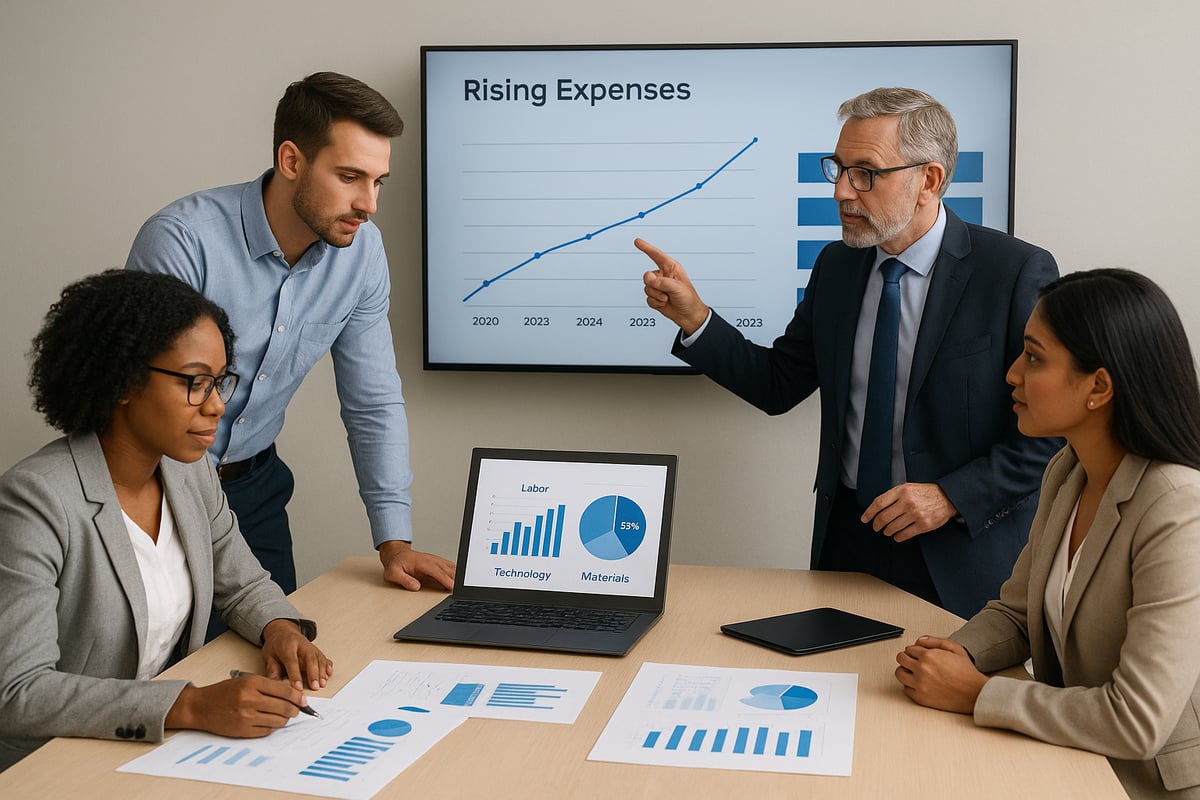
Labor remains the largest single component of the cost of doing business for most companies. In 2026, businesses are grappling with increased salary expectations, evolving benefits packages, and compliance with new labor laws.
Minimum wage hikes, remote work policies, and the gig economy are reshaping payroll structures. Notably, health benefit costs are expected to rise by 6.5% in 2026, according to Projected 6.5% Increase in Employer Health Benefit Costs for 2026. Companies must also budget for payroll taxes and flexible staffing models, including freelancers and contractors. As labor markets tighten, investing in automation and upskilling is a growing trend.
Physical space costs are shifting as remote and hybrid work models become the norm. The cost of doing business now often involves a smaller office footprint, with many companies downsizing or renegotiating leases.
Utilities, maintenance, and green building investments are on the rise, especially as businesses aim for energy efficiency. In major cities, commercial rents continue to climb, making location decisions more strategic. Sustainable facility upgrades, such as LED lighting and smart thermostats, help control rising expenses and support environmental goals.
Materials, inventory, and supply chain management are central to the cost of doing business for manufacturers, retailers, and distributors. Ongoing global disruptions have led to price volatility and shipping delays.
Businesses are responding by diversifying suppliers, increasing local sourcing, and investing in inventory management systems. For example, the average cost of raw materials has risen across many sectors, impacting profit margins. Companies are also exploring recycling and circular economy models to control costs and improve resilience.
Technology spending is a rapidly growing factor in the cost of doing business. In 2026, budget allocations for IT infrastructure, cloud services, and automation tools are increasing.
Businesses are shifting from legacy systems to subscription-based SaaS platforms, which offer scalability but require ongoing investment. Hardware upgrades, cybersecurity, and compliance with data regulations are also adding to expenses. Automation and AI are being adopted to reduce labor costs and boost productivity, making tech investments a strategic necessity.
Insurance, compliance, and legal costs are critical to managing the risk side of the cost of doing business. Business insurance premiums, especially for property, liability, and cyber risks, are climbing due to climate events and regulatory changes.
New compliance requirements in 2026, such as stricter environmental and data protection laws, are increasing reporting and legal expenses. Companies are using legal tech solutions and proactive risk management strategies to address these challenges and control costs.
Marketing, sales, and customer acquisition costs are evolving as digital channels take center stage. The cost of doing business in this area involves investments in digital advertising, influencer partnerships, CRM systems, and sales commissions.
Businesses are shifting budgets toward social media and online campaigns, seeking higher ROI through data-driven targeting. Customer acquisition costs are rising, making retention strategies and automation tools essential for staying competitive. Monitoring these expenses helps ensure that marketing spend aligns with growth goals.
Understanding the cost of doing business requires a close look at how expenses shift across industries in 2026. Each sector faces unique pressures, regulations, and operational realities that shape their financial landscape. Here is what business leaders need to know.

Manufacturing companies typically face a high cost of doing business due to the need for raw materials, equipment maintenance, and significant energy consumption. In 2026, price volatility and supply chain disruptions remain top concerns. Labor shortages and the need for ongoing training continue to drive up workforce expenses.
Compliance with strict environmental regulations is another critical factor. For example, pallet manufacturers must balance the rising prices of wood and plastic, while also investing in recycling programs to control costs. For a comprehensive breakdown of these variables, see Pallet manufacturing cost factors.
Upgrades for energy efficiency, such as new machinery or renewable energy sources, are essential investments. These measures directly affect the cost of doing business and can offer long-term savings when implemented strategically.
Service businesses, including creative professionals, often see the cost of doing business dominated by labor, expertise, and intellectual property. Project-based work means production costs can fluctuate widely from job to job.
For example, photographers must consider creative fees, licensing, and unpredictable job-specific expenses. Flexible pricing models help adapt to client needs and market demands. Technology investments, such as editing software or online platforms, can both increase costs and drive productivity.
Staying current with industry standards and client expectations is vital. Regularly reassessing the cost of doing business ensures sustainable pricing and long-term viability for service-oriented enterprises.
Retailers and e-commerce businesses are heavily impacted by inventory management, warehousing, and logistics. The cost of doing business in this sector is shaped by the speed and efficiency of fulfillment, as consumers expect faster delivery options.
Warehousing and shipping costs, along with processing returns, have become significant expense categories. Many companies are adopting omnichannel strategies to boost sales and improve customer experience. The average fulfillment cost per order continues to rise, making cost control a top priority.
Supply chain resilience is key in 2026. Diversifying suppliers and investing in technology for better inventory tracking can help manage the cost of doing business effectively.
For technology and SaaS firms, the cost of doing business centers on research and development, cloud infrastructure, and data storage. Subscription-based pricing models have changed how revenue is recognized and expenses are managed.
Cybersecurity and regulatory compliance are growing concerns, requiring dedicated resources. As user bases expand, scaling costs for servers and support must be carefully monitored. High initial investments in software development can pay off if managed with clear cost controls.
Staying agile and investing in the right platforms is essential. This helps technology businesses maintain a predictable cost of doing business as the industry evolves.
Small businesses and startups operate with limited resources and face higher sensitivity to cost fluctuations. Lean operations and outsourcing are common strategies to keep the cost of doing business manageable.
For example, using digital tools to automate administrative tasks can reduce overhead. Average startup costs vary by sector, but adaptability is a universal requirement. These organizations must frequently review expenses and remain flexible to survive in a dynamic market.
Ultimately, a proactive approach to managing the cost of doing business can help small enterprises build a resilient foundation for growth.
Reducing the cost of doing business is a top priority for companies in 2026. As expenses rise and competition intensifies, adopting proactive strategies is essential for long-term profitability. The following approaches can help you manage, track, and optimize your core expenses, ensuring your business remains agile and sustainable.
The foundation of controlling the cost of doing business lies in meticulous expense tracking. Implementing robust accounting systems ensures you capture every transaction, from rent to minor supplies.
For example, many businesses now use monthly cost worksheets to monitor spending patterns. This approach not only reveals trends but also supports data-driven decisions. By making expense tracking a routine, you gain a clearer picture of your cost of doing business and can react quickly to prevent overspending.
Negotiating with suppliers is a powerful way to lower the cost of doing business. Consider leveraging bulk purchasing, exploring alternative vendors, and securing long-term contracts for better rates.
Practical tips, such as those found in Tips for efficient pallet use, can help you streamline supply operations and cut costs. By actively managing supplier relationships and seeking new efficiencies, your business can unlock savings that directly impact profitability.
Automation has become central to optimizing the cost of doing business. Investing in technology streamlines repetitive tasks, reduces errors, and frees up staff for higher-value work.
Businesses that prioritize digital transformation often see measurable returns on investment. These improvements not only lower costs but also enhance overall productivity, keeping you competitive in a rapidly evolving market.
Outsourcing non-core functions is an effective method to manage the cost of doing business. By relying on external partners for tasks like IT, HR, or marketing, you can focus internal resources on growth.
Flexible staffing models enable businesses to scale up or down as needed. This adaptability reduces fixed costs and helps you respond quickly to market changes, ensuring your expenses remain aligned with demand.
Adopting green initiatives is a smart way to reduce the cost of doing business while enhancing your brand image. Investments in energy-efficient equipment and recycling can yield significant savings.
Sustainability efforts, when combined with cost tracking, create a dual benefit: lower utility bills and positive consumer perception. In 2026, these measures are increasingly vital for both financial and environmental reasons.
The cost of doing business is not static. Regularly revisiting your expense strategies ensures you stay ahead of industry trends and regulatory changes.
Staying agile and informed allows your business to navigate economic shifts with confidence. Continuous adaptation is key to maintaining profitability in an ever-changing landscape.
As 2026 approaches, the cost of doing business is influenced by a blend of global events, technological shifts, workforce changes, regulatory pressures, sustainability imperatives, and advanced analytics. Understanding these trends is essential for organizations aiming to remain competitive and financially resilient. Let us explore the forces shaping business expenses in the coming year.
Inflation continues to be a driving factor in the cost of doing business worldwide. Companies face rising prices for raw materials, energy, and transportation, which can squeeze profit margins if not managed proactively. Geopolitical instability, including trade disputes and supply chain disruptions, adds another layer of unpredictability.
Scenario planning is now an essential tool for business leaders. By anticipating inflation rates and mapping out contingency plans, organizations are better prepared for sudden market shifts. According to recent projections, inflation is expected to remain above historical averages in 2026, making careful cost management a top priority for every enterprise concerned with the cost of doing business.
Technology is revolutionizing the cost of doing business in 2026. Rapid adoption of artificial intelligence, automation, and cloud-based platforms is reshaping expense structures across industries. Companies are reallocating budgets from traditional infrastructure to digital solutions, which can offer both savings and new operational challenges.
For many, investing in technology is not just about efficiency, but also a necessity to stay competitive. The rise of digital transformation means that businesses must balance upfront investment with long-term cost reduction. Those who leverage these tools effectively often see a measurable decrease in their overall cost of doing business while improving agility and customer experience.
Shifts in labor markets are altering the cost of doing business, particularly as remote and hybrid work models become the norm. Employers face higher wage demands, increased competition for specialized talent, and evolving benefits expectations. Health-related costs, in particular, are set to rise sharply.
According to Mercer, employers are bracing for the highest health benefit cost increase in 15 years, with a projected 6.5% increase in employer health benefit costs for 2026. This trend means organizations must carefully evaluate their compensation packages and workforce strategies to effectively manage the cost of doing business.
New regulations are reshaping the compliance landscape, directly affecting the cost of doing business. Environmental, data protection, and labor laws are all becoming more stringent, requiring greater investments in legal counsel, training, and reporting systems.
Healthcare compliance is particularly significant, with medical costs projected to rise by 8.5% in 2026, according to PwC’s Medical Cost Trend: Behind the Numbers 2026. Businesses that proactively adapt to regulatory changes and invest in compliance infrastructure can avoid costly penalties and gain a competitive edge, ensuring that their cost of doing business remains under control.
Sustainability is no longer optional—it is integral to the cost of doing business. Eco-friendly operations, such as renewable energy adoption, waste reduction, and ethical sourcing, are increasingly demanded by consumers and regulators alike.
While implementing green practices may involve initial costs, the long-term benefits include utility savings, enhanced brand reputation, and access to new markets. Companies that prioritize sustainability are better positioned to attract customers and investors who value responsible business, creating opportunities to offset their cost of doing business with innovative solutions.
Data analytics is transforming how businesses manage the cost of doing business. By leveraging big data, predictive modeling, and real-time dashboards, organizations can identify spending patterns, forecast future costs, and make faster, more informed decisions.
Automated financial tools allow for continuous monitoring and scenario planning, reducing the risk of unexpected expenses. As adoption rates of analytics platforms rise, companies gain a strategic advantage in optimizing their cost of doing business, ensuring ongoing financial health and competitiveness.

