


Unlock the full potential of your pallet small strategies in 2026’s rapidly changing logistics world. Are you seeking ways to improve efficiency, safety, and return on investment in your operations?
This expert guide is designed to help you make the most of pallet small solutions. Discover the latest types, selection criteria, industry best practices, and how to seamlessly integrate small pallets with automation.
Gain the insights you need to optimize every step, from handling and storage to sustainability and future trends. Start your journey toward smarter, more profitable pallet management today.
Unlocking the benefits of pallet small solutions begins by understanding their unique types, dimensions, and where they fit in today's logistics landscape. Whether you are optimizing warehouse space or streamlining last-mile deliveries, mastering the fundamentals of pallet small design and use gives your operation a measurable edge.
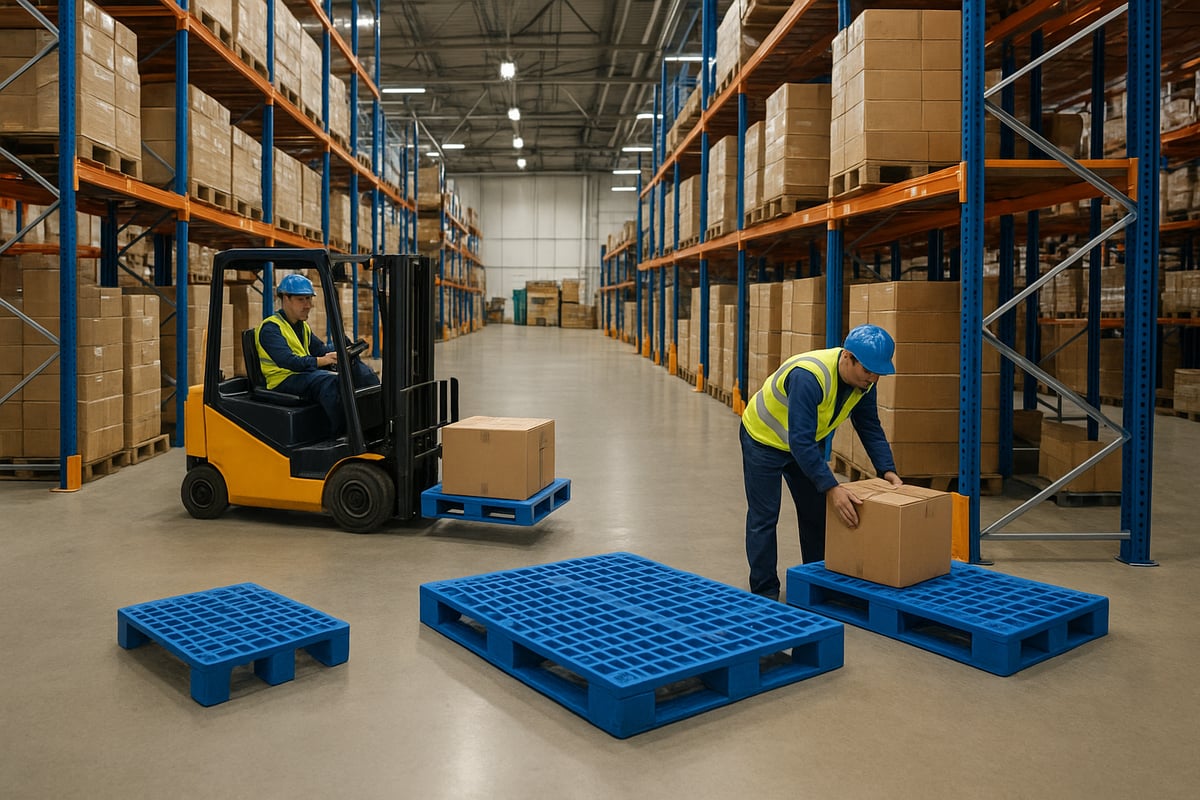
Pallet small formats are defined by their compact footprint, falling below the dimensions of standard full-size pallets. Common sizes include 42 x 30 inches and 30 x 16 inches, though regional preferences can shift these numbers. For reference, a North American standard pallet typically measures 48 x 40 inches. The table below highlights the comparison:
| Pallet Type | Common Size (in) | Typical Use |
|---|---|---|
| Standard | 48 x 40 | General freight, bulk |
| Pallet Small | 42 x 30, 30 x 16 | Retail, e-commerce, pharma |
Material choice is another key factor. Pallet small designs are often available in both wood and plastic, each offering unique strengths. Wood provides cost-effectiveness and repairability, while plastic ensures greater hygiene and consistency. Stackable and nestable designs further enhance storage flexibility.
Global trade introduces additional variations, with European and Asian markets using different standards. To explore these differences in detail, consult the Standard Pallet Sizes and Dimensions Guide.
The versatility of pallet small solutions is evident across a range of sectors. In e-commerce and retail, these pallets simplify the movement of goods through narrow aisles and crowded stockrooms. Food and beverage manufacturers rely on them for batch processing, where smaller loads are essential for quality control.
Pharmaceutical and healthcare logistics benefit from pallet small formats due to strict hygiene requirements and the need for traceable, manageable quantities. In the automotive and electronics industries, small pallets support the safe transport of high-value, delicate components.
Consider a pharmaceutical warehouse using pallet small units to segregate sensitive products, preventing cross-contamination. In urban grocery delivery, compact pallets help maximize limited vehicle space. The adaptability of pallet small across such diverse environments makes them a strategic asset for companies looking to boost efficiency.
Choosing pallet small solutions brings significant space savings in warehouses and during transport. Their lighter weight and compact size enable easier manual handling and better maneuverability, especially in tight spaces. Businesses often see cost reductions in shipping and storage due to optimized load configurations.
However, there are trade-offs. Pallet small units have lower weight capacities compared to their full-size counterparts, limiting the volume or mass that can be safely carried. Some material types, particularly wood, may present environmental challenges if not recycled properly, while plastic offers greater recyclability but can have a higher upfront cost.
Ultimately, the decision to use pallet small formats should balance operational needs, safety, and sustainability, ensuring the chosen pallet type aligns with your business goals.
Choosing the right pallet small is crucial for optimizing your warehouse operations and ensuring product safety. The selection process involves balancing load requirements, material compatibility, regulatory needs, and cost efficiency. With a strategic approach, you can align your pallet small choice with your business goals and operational realities.

When selecting a pallet small, start by considering your typical load weights and distribution. Different products require different support, so understanding your heaviest and most fragile items helps prevent damage and injuries.
Next, assess how your pallet small interacts with material handling equipment. Is it compatible with forklifts, pallet jacks, or automated guided vehicles? Confirm that your equipment can safely handle the pallet small dimensions and weight.
Durability and lifecycle are also central. A pallet small that withstands repeated use without warping or breaking will save costs long-term. For food and pharmaceutical applications, strict hygiene and regulatory standards may dictate your choice. Always verify that your pallet small meets industry guidelines for cleanliness and safety.
By carefully reviewing these criteria, you ensure your pallet small supports both safety and efficiency.
Selecting the optimal material for your pallet small impacts cleanliness, repairability, and lifecycle. Wooden pallets are often less expensive upfront, can be repaired easily, and are widely available. However, they may absorb moisture and harbor bacteria, making them less suitable for sanitized environments.
Plastic pallets, on the other hand, are lightweight, easy to clean, and resistant to chemicals or contaminants. They last longer in many applications but often require a higher initial investment. For industries where hygiene is critical, such as food or pharmaceuticals, plastic may be the better option.
For a deeper look at the pros and cons of each material, review this Wooden vs. plastic pallets comparison to help you decide which pallet small suits your needs.
Consider sustainability as well. Both materials can be recycled, but the process and environmental impact differ. Balance your operational requirements with environmental goals when choosing a pallet small.
Every industry has unique needs, so matching the pallet small to your specific application is key. Nestable pallets are ideal when you need to save space during storage or return transport. Stackable pallets provide stability for heavier loads and are suited for racking systems.
Customization is available for many pallet small designs. For example, adding reinforced edges or anti-slip surfaces can address sector-specific challenges. If your facility uses automated storage and retrieval systems, select a pallet small designed for smooth integration.
Analyzing your workflow and storage environment leads to a more effective pallet small choice.
Evaluating the cost of a pallet small goes beyond the purchase price. Consider the total cost of ownership, including maintenance, cleaning, repairs, and eventual replacement. Wooden pallets may have a lower upfront cost, but plastic pallets often offer greater longevity and reduced maintenance.
Compare these cost factors in a simple table:
| Cost Factor | Wooden Pallet Small | Plastic Pallet Small |
|---|---|---|
| Upfront Price | Lower | Higher |
| Maintenance | Moderate | Low |
| Longevity | Medium | High |
| Cleaning | Moderate | Easy |
Return on investment should guide your final decision. A more durable pallet small may pay off through fewer replacements and less downtime. Always align your pallet small investment with your operational demands and long-term strategy.
Efficient handling and storage of pallet small units have a direct impact on warehouse safety, productivity, and cost control. By following proven best practices, businesses can reduce damage, prevent injuries, and make the most of every square foot. Let’s explore how to achieve optimal results with pallet small in daily operations.
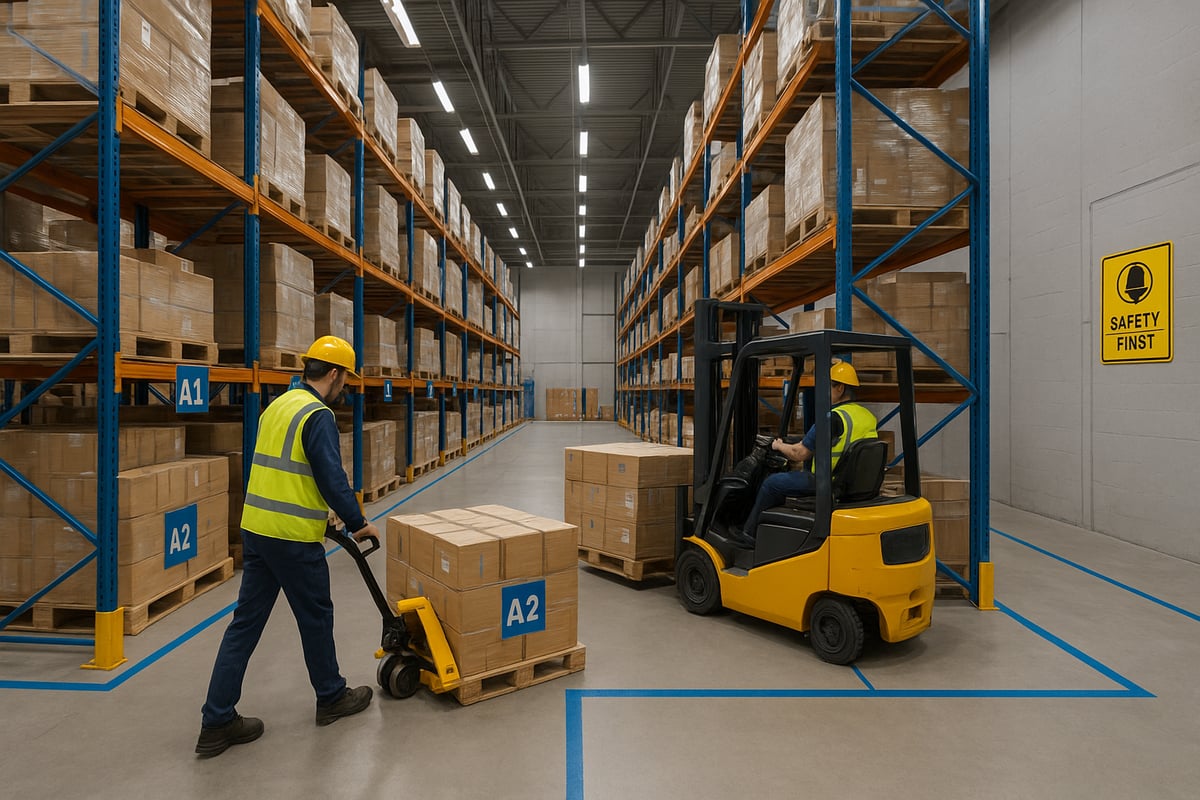
Safe handling is the foundation of effective pallet small management. Always use proper lifting methods when moving pallet small units manually. Bend at the knees, keep your back straight, and lift with your legs to avoid strain. Limit manual lifting to loads within safe weight limits.
When operating forklifts or pallet jacks, ensure equipment is compatible with the dimensions of pallet small. Forks should be centered under the pallet, and movement should be slow and steady to prevent tipping or shifting. Automated guided vehicles (AGVs) offer consistent, safe transport for pallet small loads in tech-enabled facilities.
Reducing the risk of injury and product damage is crucial. Train staff regularly on best practices, including checking for damaged pallet small units before use. Maintain clear walkways and storage zones to minimize accidents. By prioritizing safe handling, you protect your team and your inventory.
Maximizing warehouse space starts with smart configurations for pallet small. Use narrow aisle racking and high-density storage to fit more pallets in less space. Consider double-deep or push-back racking systems that accommodate the footprint of pallet small units.
Floor stacking can also be effective, but always stack pallet small loads evenly to prevent collapse. In urban distribution centers, creative layouts can lead to significant space savings. For additional guidance on optimizing layouts, review these pallet configuration best practices.
Regularly assess storage arrangements and adjust as inventory needs change. A flexible approach ensures that every pallet small is accessible and efficiently stored, reducing retrieval times and labor costs.
Proper loading and stacking are essential for stable transport and storage of pallet small. Begin by evenly distributing weight across the surface of the pallet small. Heavier items should be placed on the bottom, with lighter goods stacked above.
When stacking, align each pallet small unit directly above the one below to maintain balance. Use shrink wrap or strapping as needed to secure the load. For nestable designs, ensure pallets are nested snugly, saving space and preventing shifting during transit.
Common mistakes to avoid include overloading, uneven stacking, and failing to secure loads. Following a consistent process will help keep pallet small shipments safe and intact throughout the supply chain.
Accurate tracking is key to efficient pallet small management. Integrate barcode or RFID labels on every pallet small unit to enable real-time inventory visibility. Scanning technology allows for quick check-in, check-out, and movement tracking throughout the warehouse.
Use inventory management software to allocate pallet small units based on demand, location, and product type. This data-driven approach reduces search times and ensures the right goods are always where they are needed.
With automated alerts and reporting, staff can respond quickly to discrepancies or shortages. Investing in technology for pallet small tracking streamlines operations and supports smarter decision making.
Routine care extends the lifespan of pallet small units. Inspect pallets regularly for signs of damage, such as cracks, splinters, or warping. Remove compromised pallet small units from circulation immediately to prevent accidents.
Cleaning is vital, especially in food and pharmaceutical environments. Use appropriate cleaning agents for the material type, and allow pallets to dry thoroughly before reuse. For wooden pallets, repair minor damage with nails or braces. For plastic pallets, replace broken components as needed.
Preventive maintenance reduces long-term costs and downtime. By making care part of your routine, you ensure that every pallet small delivers reliable performance and protects your investment.
Modern automation is reshaping warehouse operations, and the integration of pallet small formats is central to staying efficient and competitive. As companies adapt to rapid changes in logistics, understanding how to align small pallet solutions with advanced systems is essential for unlocking peak productivity.

Automated storage and retrieval systems (ASRS) demand strict compatibility with pallet small designs. These systems require pallets that meet precise dimensional standards for smooth loading, transport, and stacking. Typical features include reinforced corners and consistent deck surfaces to ensure reliable robotic gripping and placement.
Pallet small options must be engineered for uniform weight distribution and minimal deflection under load. This is especially vital in high-density storage environments where ASRS cranes and shuttles operate at speed. Many small pallets are produced in modular sizes, allowing seamless integration into racking systems and automated lifts.
Nestable and stackable pallet small designs also help optimize space in automated facilities. By selecting the right specifications, companies can minimize downtime due to jams or misalignment. Investing in automation-ready pallets leads to measurable improvements in throughput and system reliability.
Conveyors and robotics are foundational to modern material handling, and their efficiency depends on the compatibility of pallet small units. Small pallets must be designed with smooth undersides and uniform profiles to prevent snags or disruptions on conveyor belts.
Key considerations for integration include:
Robotic arms and pickers often rely on sensors and machine vision to handle pallet small loads. Selecting pallets with high-contrast markings or integrated barcodes enhances alignment accuracy and reduces picking errors.
A well-matched pallet small solution enables faster, safer, and more precise material movement across automated lines. This translates to higher throughput and reduced labor costs in both large and compact facilities.
Smart pallet small systems are emerging as a game changer in automated logistics. By embedding IoT sensors and RFID tags, companies gain real-time visibility into pallet location, condition, and movement across the supply chain.
Features of smart pallet small solutions include:
| Feature | Benefit |
|---|---|
| Embedded RFID tags | Automated tracking and inventory updates |
| Temperature sensors | Condition monitoring for sensitive goods |
| Shock/vibration sensors | Damage detection in transit |
| GPS modules | Location tracking for high-value loads |
Integrating these technologies enables predictive maintenance, reduces loss, and supports data-driven decision making. For deeper insights into the rise of automation and smart pallet innovation, see Pallet Industry Trends: 2025 Growth, Automation & Sustainability.
Consider a leading e-commerce fulfillment center that implemented a fully automated pallet small handling system. By standardizing on a lightweight, stackable pallet small design, the facility integrated seamlessly with ASRS, conveyors, and robotic picking stations.
Results included:
The transition to automation-ready pallet small units delivered a rapid return on investment, improved workflow accuracy, and set the stage for scalable future growth.
Integrating pallet small solutions with modern automation is not just a trend, but a strategic move for businesses aiming to stay ahead. Companies that align their pallet small strategies with evolving technology will enjoy greater operational agility, reduced costs, and a future-ready supply chain.
Sustainability is now central to every pallet small supply chain decision in 2026. Businesses face growing pressure to reduce environmental impact while keeping up with strict industry regulations. Understanding the latest trends and compliance standards can help you make informed choices about pallet small use, ensuring your logistics operations remain both efficient and responsible.
The environmental footprint of each pallet small is shaped by its material, lifecycle, and end-of-life strategy. Wooden pallets are often valued for their renewable origins and ease of repair, while plastic options offer longevity and resistance to contamination. Both materials can be recycled, but plastic pallets tend to have a longer usable lifespan.
A circular economy approach encourages reusing and recycling every pallet small, minimizing landfill waste. Companies are increasingly turning to pallet recycling and sustainability programs to extend pallet life and reduce carbon footprint. Thoughtful selection and management of pallet small options can result in measurable sustainability gains.
Strict regulations govern the use of pallet small solutions, especially in food, pharmaceutical, and export contexts. Compliance with standards like FDA, FSMA, and GMP is non-negotiable for food and pharma, while ISPM-15 governs international wood pallet shipments. Plastic pallets are often preferred in hygiene-sensitive industries for their ease of cleaning and resistance to pests.
Maintaining a pallet small fleet that meets all relevant regulatory requirements helps businesses avoid costly delays, fines, or rejected shipments. Regular audits and up-to-date documentation are essential for compliance in every sector.
Innovation is transforming the pallet small landscape. Manufacturers are developing lightweight, durable pallets using recycled plastics, engineered wood, and composite materials. Eco-friendly manufacturing processes are reducing emissions and water use, while new coatings improve hygiene and extend product life.
Industry leaders are adopting Sustainability Initiatives in the Pallet Industry to drive greener supply chains. These programs emphasize the use of recycled content, modular designs, and repairable features to support long-term sustainability goals.
Minimizing waste is a top priority for any pallet small strategy. Reducing single-use pallets, maximizing reuse cycles, and participating in pallet pooling programs all contribute to lower landfill rates and emissions. Shared pallet networks allow multiple companies to benefit from a common pool, improving efficiency and cutting costs.
Proactive waste reduction not only supports environmental goals but also enhances the overall value proposition of every pallet small investment. Adopting these strategies can deliver both ecological and financial benefits.
Recent data shows that recycled and reusable pallets now account for over 60% of pallet small market share in several regions. Regulatory updates, such as stricter export requirements and new food safety standards, are accelerating adoption of sustainable pallets. Industry reports predict that by 2026, most new pallet small models will feature recycled materials and IoT-enabled tracking for compliance and sustainability reporting.
Staying informed about these trends ensures your pallet small operations are prepared for future shifts in both regulation and market demand.
The supply chain landscape is changing rapidly, and the role of pallet small solutions is more critical than ever. Businesses must keep pace with these transformations to stay efficient and competitive.
E-commerce is driving demand for pallet small options as logistics networks adapt to faster fulfillment and more frequent, smaller shipments. Urban distribution centers, often constrained by limited space, benefit from the maneuverability and compactness of pallet small platforms.
Retailers and 3PLs are increasingly using these pallets to streamline last-mile delivery. The ability to efficiently move goods through narrow aisles and tight dock spaces is now a competitive advantage.
Key benefits for e-commerce and urban logistics include:
As these trends accelerate, the strategic use of pallet small designs will become a cornerstone of agile supply chains.
Recent innovations are transforming how pallet small products support modern logistics. Smart pallets equipped with IoT sensors now provide real-time tracking, temperature monitoring, and shock detection. This data helps ensure product quality and improves asset management.
Material science is also advancing, with lightweight composites and recycled plastics enhancing both durability and sustainability. Customizable designs allow businesses to tailor pallet small specifications to their unique needs.
For details on how these innovations compare to traditional options, the Standard pallet dimensions guide offers a useful reference on sizing and compatibility.
Automation is reshaping warehouse operations, and pallet small solutions are playing a key role. These pallets are ideal for use with robotics and automated guided vehicles, which require standardized, lightweight, and easily manipulated platforms.
In micro-fulfillment centers, robots can quickly move pallet small loads between storage, picking, and packing zones. This integration leads to faster order processing and reduced labor costs.
Key automation benefits include:
Adopting pallet small formats ensures that operations remain future-proof as automation becomes the industry standard.
As supply chains become more global, pallet small strategies offer flexibility to navigate disruptions and adapt to regional requirements. These pallets are easier to ship internationally due to their compact size and lower weight, supporting agile responses to changing market demands.
Businesses are also using pallet small options to optimize container loading and minimize empty space, reducing shipping costs. The ability to quickly reallocate inventory across borders helps maintain resilience during disruptions.
By leveraging pallet small designs, companies can build robust, adaptable supply chains that perform well in a global marketplace.
Looking ahead, experts anticipate further advances in pallet small technology and design. Emerging materials, such as bio-based plastics and advanced composites, will enhance sustainability and performance. Increased adoption of smart pallets will enable predictive maintenance and better inventory visibility.
Regulatory shifts may affect pallet small standards, with a stronger focus on recyclability and traceability. As supply chains become more digital, the integration of AI and data analytics will unlock new efficiencies.
Forward-thinking organizations that invest in pallet small innovation today will be well-positioned to thrive in the evolving logistics environment.

