

Exporting goods in 2026? Choosing the right pallets can make or break your shipment. With global shipping rules evolving, knowing how to buy heat treated pallets is essential for compliance and success.
This expert guide covers every detail you need, from what heat treated pallets are to compliance steps, cost factors, and supplier tips. Avoid costly delays, protect your business, and ensure smooth shipping. Ready to master the process? Read on to learn how to buy heat treated pallets confidently in 2026.
What Are Heat Treated Pallets and Why Are They Essential?
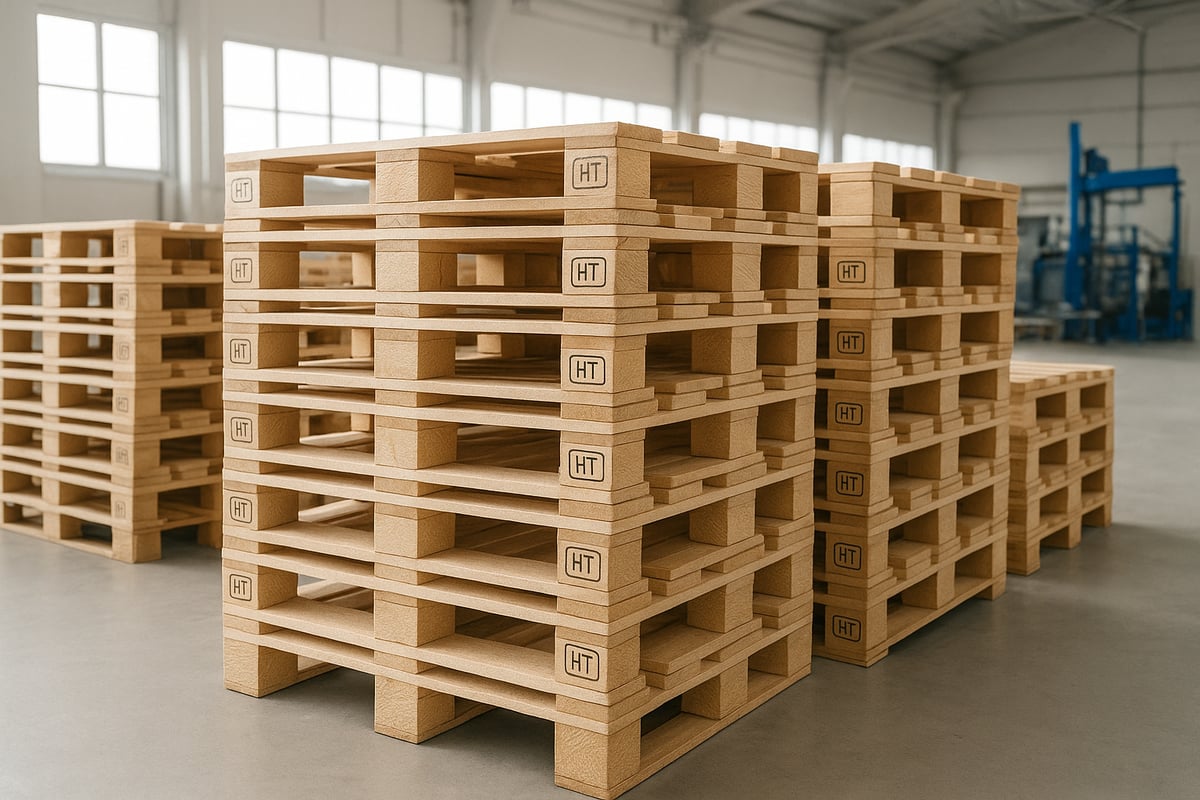
Heat treated pallets are specially processed wooden platforms designed for safe and compliant international shipping. Unlike standard pallets, heat treated pallets undergo a controlled process that raises the core temperature of the wood to at least 56°C for 30 minutes. This process is defined by the ISPM-15 standard, a globally recognized regulation that sets the benchmark for wood packaging used in export. If you plan to buy heat treated pallets in 2026, understanding this standard is crucial for legal and logistical success.
The heat treatment process eliminates pests and pathogens without using chemicals. In contrast, chemically treated pallets rely on methyl bromide or similar agents, which are increasingly restricted due to environmental and health concerns. Heat treated pallets are marked with the official "HT" stamp, making them easy to identify. For those looking to buy heat treated pallets, always check for this stamp to ensure compliance.
| Treatment Type | Method | ISPM-15 Compliant | Marking |
|---|---|---|---|
| Heat Treated | Kiln/Chamber Heat | Yes | HT |
| Chemically Treated | Methyl Bromide | Rarely | MB |
| Untreated | None | No | None |
Why is this so important? Global shipping regulations are strict about preventing the spread of invasive species. ISPM-15 compliant pallets are now required for over 90% of international shipments, according to industry reports. If you buy heat treated pallets that meet these standards, you avoid costly delays, rejected shipments, and even fines. For example, in 2023, several U.S. exporters faced significant penalties when their goods were shipped on non-compliant pallets.
Key industries that must buy heat treated pallets include:
- Food and beverage exporters
- Pharmaceutical companies
- Manufacturers shipping overseas
- Logistics providers handling international freight
These sectors rely on heat treated pallets to ensure products move smoothly through customs and reach their destinations safely. The right pallets offer peace of mind and help companies maintain their reputations in global markets.
The benefits of choosing to buy heat treated pallets extend beyond compliance. These pallets are more durable and provide better protection against mold and infestation, which is vital for sensitive goods. Properly treated pallets also improve workplace safety by reducing the risk of contamination. Despite common misconceptions, not all wood pallets are heat treated. Always look for the HT stamp and request documentation from your supplier.
If you want to explore a wide selection or learn more about compliant options, you can browse the Heat Treated Pallets Collection to see what is available for your export needs. By making informed choices, you protect your shipments, business, and bottom line.
Step-by-Step Guide: How to Buy Heat Treated Pallets in 2026
Navigating the process to buy heat treated pallets in 2026 is essential for any business involved in shipping or export. A structured approach ensures your shipments move smoothly, remain compliant, and avoid costly delays or penalties. Here is an expert-backed, step-by-step guide to help you make informed decisions.
Step 1: Assess Your Shipping and Compliance Needs
Start by evaluating your shipping requirements. Are you shipping domestically or internationally? International exports almost always require ISPM-15 compliant pallets. Consider the industry you operate in, as sectors like food, pharmaceuticals, and manufacturing have strict standards. Clarify the frequency, volume, and destinations of your shipments before you buy heat treated pallets.
Step 2: Determine Pallet Size, Material, and Load Capacity
Next, identify the right pallet size and material for your cargo. Standard sizes, such as 48×40 inches, fit most North American shipments, while European or Asian markets may require different dimensions. Decide between wood or plastic based on your product, regulatory needs, and budget. Calculate the weight and type of goods to ensure your chosen pallets can safely handle the load. Choosing the correct specifications is a critical part of the process to buy heat treated pallets.
Step 3: Verify Supplier’s ISPM-15 Certification and Heat Treatment Process
Choose suppliers who are fully certified under ISPM-15. Reliable vendors will provide documentation of their heat treatment facilities and processes. Ask about their compliance history and whether they use approved methods—specifically, heat treatment rather than chemical fumigation. This step is vital to avoid issues at customs and ensure you buy heat treated pallets that meet global requirements.
Step 4: Request Sample Documentation and Check for the Official HT Stamp
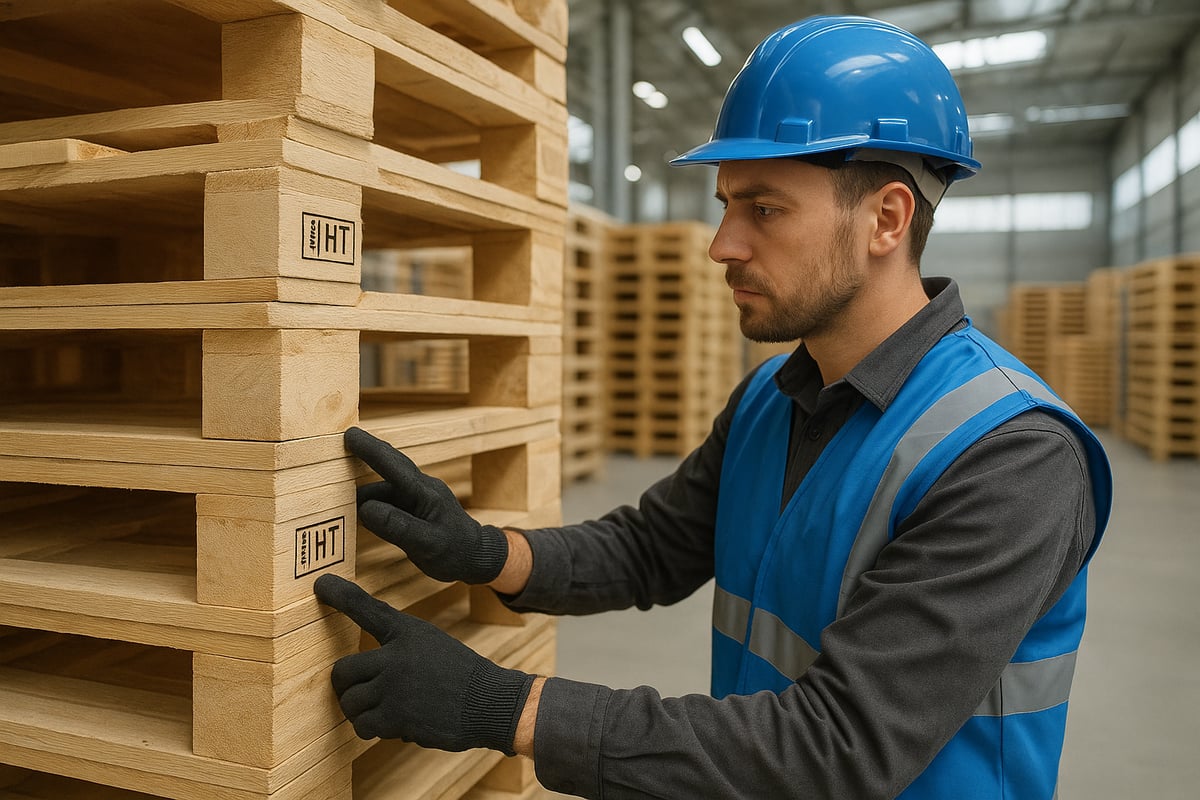
Before committing to a purchase, request sample documentation from your supplier. Confirm that every pallet is marked with the official "HT" stamp, which stands for "Heat Treated." This stamp is your proof of compliance and is required by customs authorities worldwide. For a detailed walkthrough on what to request and how to check documentation, see this How to Buy Wooden Pallets guide.
Step 5: Compare Quotes, Delivery Timelines, and Minimum Order Quantities
Obtain quotes from several suppliers to compare prices, delivery schedules, and minimum order requirements. Be sure to factor in treatment fees, shipping costs, and any additional charges for expedited service. This comparison can help you buy heat treated pallets at the best value while ensuring all your needs are met.
Step 6: Place Your Order and Schedule Delivery or Pickup
Once you have selected your supplier, place your order and confirm the delivery or pickup schedule. Communicate any specific requirements regarding pallet handling, delivery windows, or documentation. Timely scheduling is crucial, especially if you are preparing goods for export and need to buy heat treated pallets in advance to avoid delays.
Step 7: Inspect Pallets on Arrival for Compliance and Quality
Upon receiving your pallets, conduct a thorough inspection. Check for the HT stamp, quality of construction, and the absence of mold or infestations. Document any discrepancies immediately. This step ensures you only use compliant pallets and helps protect your business from fines or shipment rejections.
Example: Typical Timeline for an Export Shipment Using Heat Treated Pallets
- Day 1: Assess needs and request quotes
- Day 2–3: Review documentation and confirm compliance
- Day 4: Place order and schedule delivery
- Day 5–7: Receive and inspect pallets
- Day 8: Prepare and load goods for export
This timeline may vary based on supplier location, order size, and shipping urgency. Staying organized helps you buy heat treated pallets efficiently.
Pro Tip: Use Suppliers Offering Online Ordering and Real-Time Tracking
In 2026, efficiency is key. Many leading suppliers provide online platforms where you can place orders, track shipments, and access compliance certificates in real time. Leveraging these tools streamlines the process when you buy heat treated pallets and ensures you stay informed at every stage.
By following these steps, you will confidently buy heat treated pallets that are fully compliant, cost-effective, and tailored to your shipping needs.
Cost Factors and Pricing Trends for Heat Treated Pallets
Understanding the cost landscape is crucial when you plan to buy heat treated pallets for your business in 2026. Prices can vary widely depending on several key factors, so being informed will help you budget accurately and avoid surprises.
Typical Pricing Overview
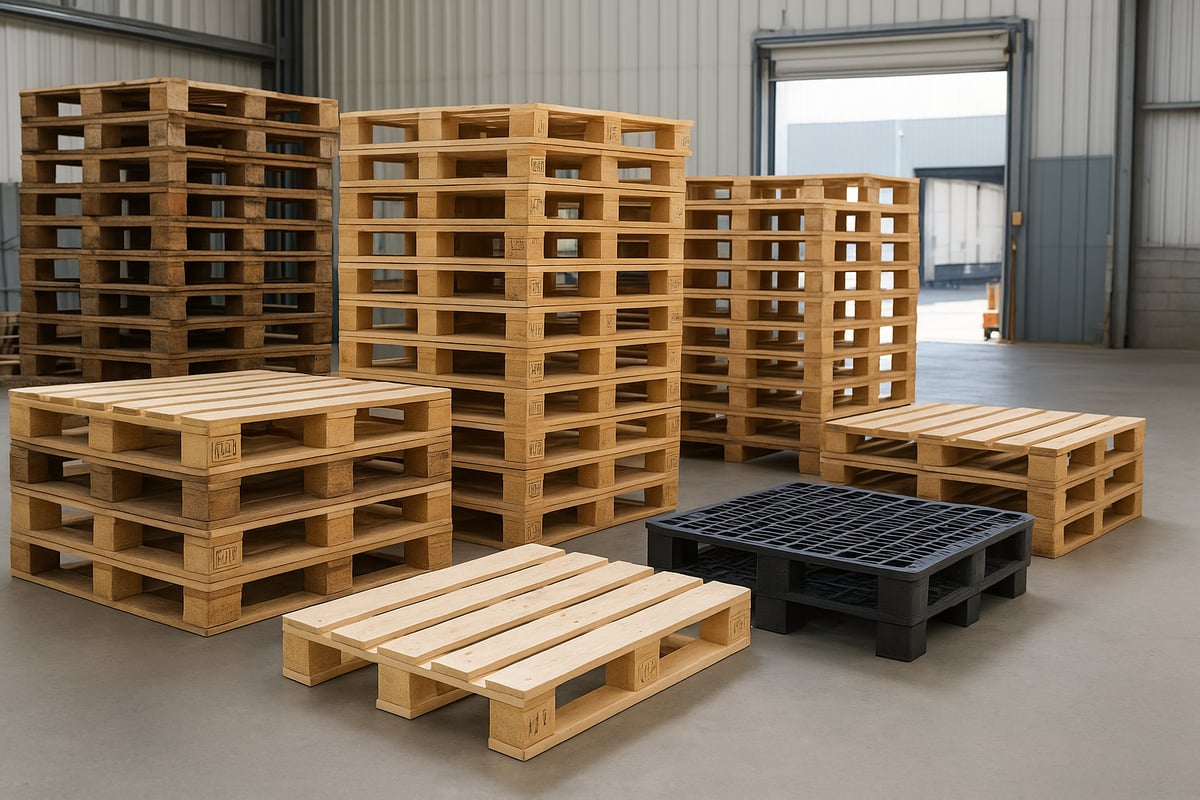
When you buy heat treated pallets, the price depends heavily on the type and condition of the pallet. New standard wood pallets are generally more affordable than custom or specialty options. Used pallets, if properly certified, can offer substantial savings for exporters.
Plastic pallets, while more expensive upfront, may offer long-term value for certain industries due to their durability and compliance features.
Below is a summary of average prices you may encounter:
| Pallet Type | Price Range (USD) |
|---|---|
| New Heat Treated Wood | $43 |
| Used Heat Treated Wood | $23–32 |
| Custom Heat Treated Wood | $64+ |
| New Plastic | $60–120 |
Factors Influencing Cost
Several variables will impact the final price when you buy heat treated pallets:
- Lumber Prices: Fluctuations in raw material costs directly affect pallet pricing.
- Treatment Fees: The heat treatment process adds to the base cost, especially for ISPM-15 compliance.
- Order Quantity: Bulk orders typically receive discounted rates, making large-scale purchases more cost-effective.
- Delivery Location: Shipping long distances or to remote areas increases the total cost.
- Customization: Non-standard sizes or special requirements raise the price due to additional labor and materials.
Bulk Discounts and Cost-Saving Tips
Ordering in larger quantities is one of the most effective ways to reduce your average price per pallet. Many suppliers provide tiered pricing, so it pays to plan your inventory needs ahead of time.
To maximize value when you buy heat treated pallets:
- Consolidate orders to meet bulk thresholds.
- Consider used or refurbished pallets for non-sensitive shipments.
- Evaluate plastic alternatives for longer lifecycle needs.
- Negotiate for bundled services, such as certification or expedited delivery.
2026 Market Trends and Statistics
The market for heat treated pallets is experiencing steady price increases. Between 2022 and 2026, average pallet prices have risen by more than 15 percent, driven by higher lumber costs, stricter compliance, and global shipping disruptions.
Sustainability trends are also influencing pricing. Recycled and reconditioned pallets are capturing a greater share of the market, offering both environmental and economic benefits.
For a comprehensive look at current pricing and future projections, review this Heat Treated Wooden Pallets Market Analysis, which details global growth rates, competitive dynamics, and cost drivers.
Additional and Hidden Costs
When you buy heat treated pallets, remember to factor in extra costs that may not appear in the initial quote:
- Certification Documentation: Essential for customs compliance, sometimes billed separately.
- Expedited Shipping: Faster delivery may come with premium charges.
- Storage or Handling Fees: If pallets are held for longer periods before pickup.
Accurate Quotes and Avoiding Surprises
To ensure you get a fair deal, always request a detailed written quote that breaks down all costs. Ask your supplier to specify treatment fees, delivery charges, and documentation costs upfront.
Inspect every shipment upon arrival for proper ISPM-15 markings and quality. Maintaining clear records will help you avoid costly compliance issues later.
In summary, being diligent when you buy heat treated pallets will help control costs and keep your supply chain running smoothly.
Common Pitfalls and How to Avoid Them When Buying Heat Treated Pallets
Navigating the process to buy heat treated pallets can be complex, especially with evolving regulations and global shipping demands. Even experienced exporters can stumble into costly mistakes if they overlook compliance or supplier credibility. Understanding common pitfalls is essential for smooth operations, on-time deliveries, and avoiding unexpected expenses.
Mistaking Non-HT Pallets for Compliant Ones
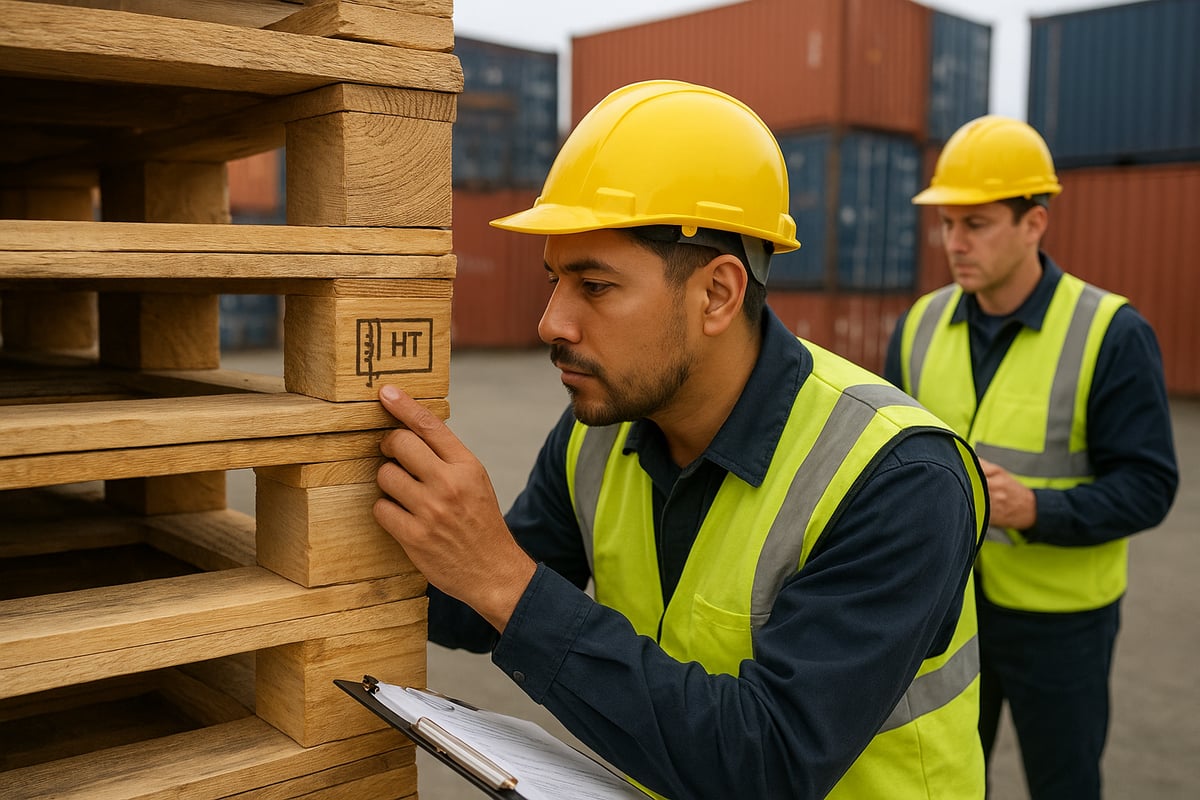
One of the most frequent errors buyers make is assuming all wood pallets meet international standards. In reality, only pallets that carry the official HT (heat treated) stamp comply with ISPM-15 requirements. Before you buy heat treated pallets, always physically check for this stamp on each unit. Never accept verbal assurances alone.
Overlooking Documentation Requirements
Proper paperwork is critical for customs clearance. Missing or incomplete documentation can halt your shipment at the border, leading to delays and fines. When you buy heat treated pallets for export, insist on receiving compliance certificates and treatment records from your supplier. For detailed regulatory guidance, review the ISPM 15 Compliance Requirements to ensure your documentation is in order.
Choosing the Wrong Pallet Size or Type
Selecting the incorrect size or material can compromise your cargo’s safety and increase costs. Measure your load carefully and confirm the pallet’s weight capacity. If your goods require custom solutions, consider suppliers who can accommodate special requests when you buy heat treated pallets.
Ignoring Supplier Reputation and Certification
Not all pallet suppliers are equal. Picking a supplier without verifying their ISPM-15 certification or industry track record exposes your business to compliance risks. Read reviews, ask for references, and request proof of certification before you buy heat treated pallets.
Not Accounting for Delivery Timelines
Urgent shipments can be derailed if your pallets do not arrive on schedule. Always discuss lead times and factor in possible delays, particularly during peak shipping seasons. Reliable suppliers will provide clear delivery estimates and tracking options.
Case Study: Costly Delay Due to Non-Compliant Pallets
In 2023, a U.S. exporter faced a three-week delay when their shipment was rejected at EU customs. The reason? Their pallets lacked the required HT stamp, and supporting documentation was missing. This oversight resulted in significant storage fees and a damaged business relationship. The lesson is clear: never skip compliance checks when you buy heat treated pallets.
Pro Tips to Avoid Common Pitfalls
- Always inspect pallets for the HT stamp upon delivery.
- Request and file all compliance certificates and treatment records.
- Choose the correct pallet size and type for your cargo.
- Research your supplier’s reputation and certification status.
- Plan for delivery times, especially for urgent or international shipments.
By following these best practices, you can confidently buy heat treated pallets and keep your supply chain running smoothly.
Heat Treated Pallets vs. Alternatives: Which Is Right for You?
Selecting the right pallet type is crucial for exporters and supply chain professionals. As you plan to buy heat treated pallets, it is essential to understand how they compare with chemically treated, plastic, and composite options. Each type comes with unique benefits, costs, and compliance requirements that can impact your shipments and bottom line.
What Sets Heat Treated Pallets Apart?
Heat treated pallets are made from wood that has been exposed to high temperatures, eliminating pests and pathogens. This process is required for international shipping under the ISPM-15 standard, making them the top choice when you buy heat treated pallets for exports. Chemically treated pallets, once common, are now less favored due to environmental and health concerns.
Plastic and composite pallets are gaining popularity, especially in industries needing consistent hygiene standards or reusable, lightweight options. Still, most countries prioritize heat treated pallets for cross-border shipments because of their recognized compliance and effective pest control.
Comparison Table: Pallet Types
To help you decide which pallet fits your supply chain, here is a quick comparison:
| Feature | Heat Treated Wood | Chemically Treated Wood | Plastic | Composite |
|---|---|---|---|---|
| ISPM-15 Compliant | Yes | No (often restricted) | Sometimes | Sometimes |
| Durability | High | Moderate | Very High | High |
| Weight | Moderate | Moderate | Light | Moderate |
| Cost | Moderate | Low | High | High |
| Recyclability | Yes | Limited | Yes | Yes |
| Mold/Pest Resistance | Excellent | Variable | Excellent | Excellent |
When you buy heat treated pallets, you gain a strong balance of cost, compliance, and durability, which is why they remain the industry standard for exports.
Pros and Cons: Heat Treated vs. Alternatives
Each pallet type has clear advantages and drawbacks. Heat treated pallets are cost-effective, widely accepted, and easily sourced. They are less likely to harbor pests and mold, ensuring compliance for international shipments. However, they can be heavier than plastic alternatives and may require periodic inspection for damage.
Plastic pallets excel in environments where hygiene is critical, like pharmaceuticals and food processing. They are lightweight and reusable but come with a higher upfront cost. Composite pallets offer similar benefits, though their acceptance for export varies by country. Chemically treated pallets are less common now due to strict regulations and health risks.
For many businesses, the decision to buy heat treated pallets is driven by the need for universal acceptance and regulatory simplicity.
When Are Plastic or Composite Pallets Better?
There are scenarios where alternatives outshine traditional options. Plastic pallets are ideal for closed-loop systems, where pallets return to the origin point for reuse, reducing long-term costs. They are also preferred in sectors with stringent sanitary requirements, such as food or pharma.
Composite pallets might be chosen for their durability and resistance to weather, but always verify if they meet ISPM-15 or local regulations before using them for exports. If your business ships exclusively domestically or within a closed supply chain, alternatives may provide better value.
However, if your operations require you to buy heat treated pallets, especially for international use, you benefit from their broad compliance and proven track record.
Sustainability and Compliance: Looking Ahead
Sustainability is influencing pallet selection more than ever. Recycled wood pallets and plastic pallets are both rising in popularity, with the global plastic pallet market projected to grow at a CAGR of over 5% through 2026. Many exporters now consider recycled heat treated pallets to reduce waste and cost.
Regulatory demands are also tightening. For example, ISPM-15 updates in 2026 will require even stricter documentation and inspection for pallets entering Asia and South America. To ensure your shipments are accepted globally, consider reviewing Export Pallets for International Shipping for compliant options and guidance.
A recent example from the food export industry shows decision-makers weighing cost, compliance, and sustainability, ultimately choosing to buy heat treated pallets for their versatility and acceptance across borders. As regulations evolve, staying informed and choosing the right pallet type will protect your supply chain and reputation.
Expert Tips for Sustainable and Efficient Pallet Purchasing in 2026
Sustainable and efficient strategies are essential when you buy heat treated pallets in 2026. Modern exporters need to balance environmental goals, compliance, and operational speed. The following expert tips will help you streamline procurement and support greener supply chains.
Start by partnering with suppliers who offer recycling and buy-back programs. These initiatives let you return used pallets for reconditioning or recycling, reducing waste and supporting a circular economy. When you buy heat treated pallets from vendors with repair and reconditioning services, you extend pallet lifespans and cut replacement costs.
Look for suppliers who provide robust online ordering platforms and pallet selector tools. These resources simplify the process to buy heat treated pallets, allowing you to choose the right size, treatment, and quantity with just a few clicks. Automated tracking and digital documentation also save time and minimize errors.
Staying up to date with compliance requirements is crucial. Regulatory changes can impact your ability to buy heat treated pallets that meet export standards. For example, the end of the ISPM 15 hyphen suspension in January 2026 means stricter enforcement worldwide. To stay informed, consult official updates such as ISPM 15 Enforcement Updates and industry newsletters.
Many companies are cutting costs and reducing waste by sourcing pallets from suppliers with sustainable practices. Some use recycled wood or eco-friendly materials, while others participate in buy-back programs to keep pallets in circulation. When you buy heat treated pallets with these features, you support both your business and the environment.
Proactive inventory management is another key tip. Maintain accurate records of your pallet inventory, compliance certificates, and supplier documentation. This approach ensures you can quickly respond to audits, track usage, and avoid costly delays. Ongoing education is also vital, so leverage industry associations and compliance databases to stay ahead.
By following these tips, you can buy heat treated pallets in a way that maximizes efficiency, sustainability, and compliance for your business in 2026.


