
In 2025, shipping pallets stand at the heart of global logistics, enabling businesses to deliver goods efficiently, safely, and sustainably. Their role has never been more critical as supply chains evolve to meet new demands.
This essential guide unpacks everything you need to know about shipping pallets in 2025. Explore the latest materials, smart technologies, evolving standards, and eco-friendly innovations shaping the industry.
Discover how mastering pallet selection and handling can help you cut costs, boost safety, and maximize efficiency. Use these insights to make smarter, more informed decisions for your business this year.
The Role of Pallets in Modern Shipping
Shipping pallets are the silent workhorses powering global logistics. Without them, moving goods efficiently through warehouses, trucks, ships, and planes would be nearly impossible. Their impact is felt across every stage of the supply chain, making the right pallet choice a strategic decision for every business.
The Backbone of Global Logistics
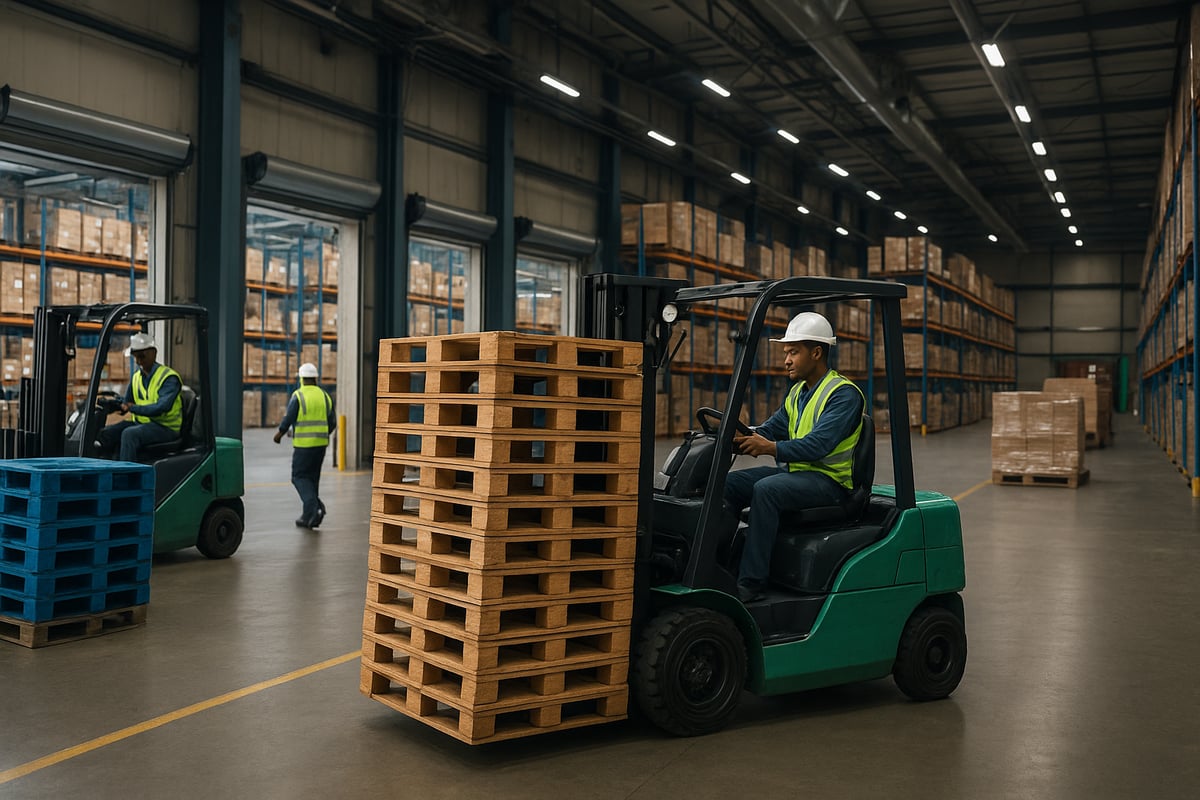
Shipping pallets are fundamental for fast, safe, and scalable movement of goods worldwide. Over 2 billion shipping pallets circulate globally, underscoring their essential role in every supply chain. They allow for quick loading and unloading, reducing manual handling time and minimizing product damage.
Palletization supports automation in modern fulfillment centers, integrating seamlessly with robotics and conveyor systems. Industries such as retail, food and beverage, manufacturing, and e-commerce rely on standardized shipping pallets to maintain speed and consistency.
Here’s a quick comparison of standard pallet sizes by region:
| Region | Common Pallet Size |
|---|---|
| US | 48"x40" (GMA) |
| Europe | 1200x800mm (EUR/EPAL) |
| Asia | 1100x1100mm |
Uniform shipping pallets enable multi-modal transport across trucks, trains, ships, and planes. The choice of pallet can directly influence shipping costs, transit speed, and loss risk. For more on how automation and sustainability are shaping pallet usage, see the Pallet Industry Trends: Growth, Automation & Sustainability resource.
Why Pallets Matter in 2025
The importance of shipping pallets is only growing as we move into 2025. Customers expect faster, safer, and more eco-friendly deliveries. Regulatory bodies are increasing scrutiny on packaging waste and sustainable material sourcing, placing new demands on pallet users.
The surge in e-commerce and the rise of just-in-time delivery models require reliable shipping pallets that can handle rapid turnover and varied environments. Major retailers are optimizing pallet usage to cut logistics costs and lower their carbon footprint, setting new standards for the industry.
Choosing the right shipping pallets ensures smoother international shipping, compliance with evolving regulations, and a competitive edge in a fast-changing market.
Types of Shipping Pallets: Materials, Designs, and Innovations
Choosing the right shipping pallets in 2025 requires understanding a range of materials, designs, and innovations. Each type offers unique advantages, from cost and durability to hygiene and sustainability. Let’s explore the most common options and how they shape efficient, compliant logistics.
Wooden Pallets
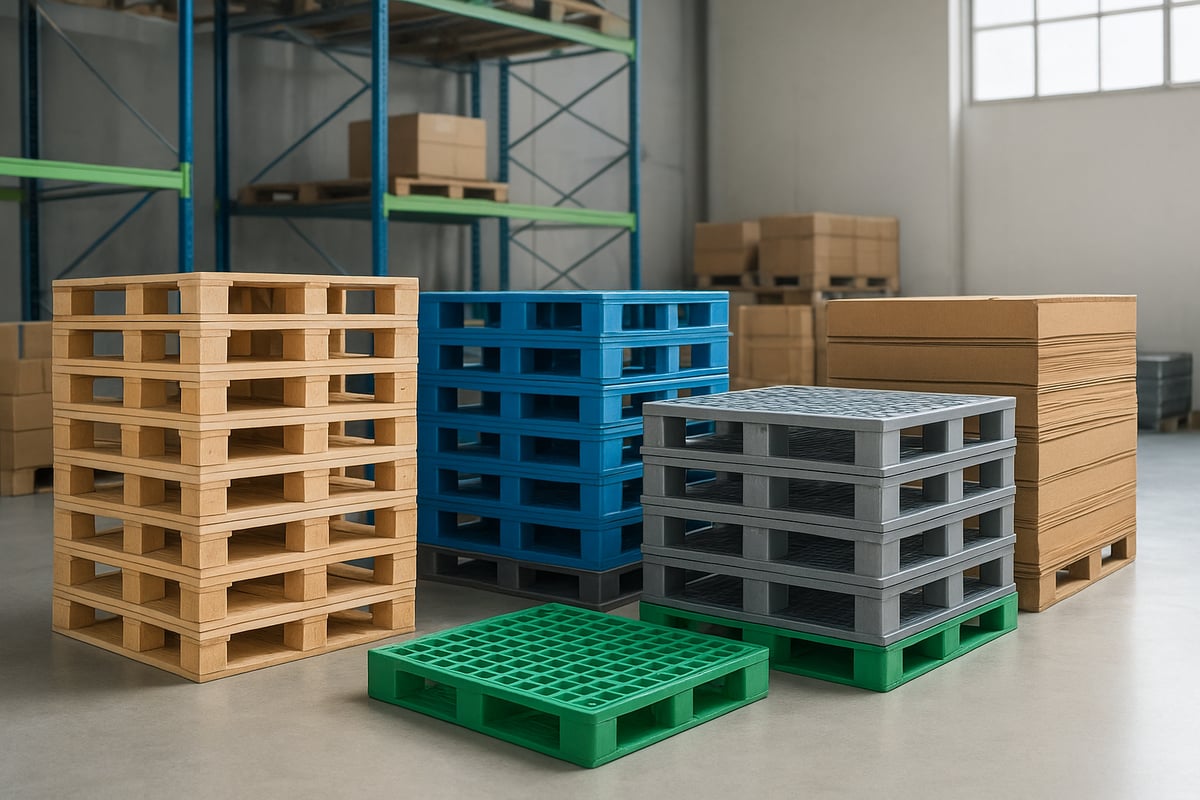
Wooden shipping pallets remain the industry standard, used in approximately 90 to 95 percent of US shipments. They are favored for their strength, versatility, and cost-effectiveness. Wooden pallets come in new, used, and heat-treated varieties, making them adaptable for domestic and international shipping. Their recyclability and ease of repair add to their appeal.
However, wooden shipping pallets are not without challenges. They can absorb moisture, attract pests, and may splinter, requiring regular inspection and maintenance. For example, the standard GMA 48"x40" pallet supports up to 2,500 lbs, making it ideal for retail and manufacturing. Wooden shipping pallets continue to evolve with improved treatments and sourcing practices, supporting both operational efficiency and sustainability.
Plastic Pallets
Plastic shipping pallets have grown in popularity, especially in industries prioritizing hygiene and repeated use. Made from high-density polyethylene or polypropylene, these pallets are durable, lightweight, and resistant to moisture and chemicals. Their design makes them easy to clean and less prone to contamination, which is crucial for food and pharmaceutical logistics.
The upfront cost of plastic shipping pallets is higher than wood, but their lifespan can exceed a decade with proper handling. They are less repairable but rarely splinter or degrade in wet conditions. A typical plastic pallet supports up to 4,000 lbs and is ideal for closed-loop systems. For more details on available options, see Plastic Pallets for Shipping.
Metal Pallets
Metal shipping pallets serve specialized, heavy-duty applications. Commonly constructed from steel or aluminum, these pallets offer unmatched durability and fire resistance. They are often used for high-value or sterile shipments in industries like chemicals or pharmaceuticals.
While metal shipping pallets are significantly more expensive and heavier than other types, their longevity and strength justify the investment in certain scenarios. A steel pallet can support up to 4,000 lbs and is frequently chosen for closed-loop systems where loss and damage must be minimized. Metal shipping pallets are less common in standard retail or e-commerce but remain essential for industrial use.
Corrugated and Composite Pallets
Corrugated and composite shipping pallets provide lightweight and cost-effective solutions, especially for one-way or export shipments. Made from reinforced cardboard, paperboard, or engineered composites, these pallets are designed for single-use or limited cycles. Their primary advantage is weight reduction, which can lower air freight costs.
Despite their recyclability and affordability, corrugated shipping pallets have lower weight capacities and are less durable than wood or plastic. They are an excellent choice for air cargo or exports where minimizing total shipment weight is critical. Composite options may incorporate recycled materials, aligning with growing sustainability demands.
Design Types: Block vs. Stringer Pallets
Shipping pallets are also defined by their construction design. Block pallets feature four-way entry points, allowing forklifts and pallet jacks to access them from any side. This design increases handling efficiency and is commonly used in both the US and Europe.
Stringer pallets typically offer two-way or partial four-way entry and are lighter, making them popular for domestic shipping in the US. The choice between open deck and solid deck designs affects airflow and product protection. Selecting the right design type ensures shipping pallets meet operational needs and regulatory requirements.
Smart Pallets and IoT Integration
Technology is transforming shipping pallets with the advent of smart features. RFID and GPS-enabled pallets now enable real-time tracking, enhancing traceability and reducing loss. Logistics providers are piloting these smart shipping pallets for high-value or sensitive goods.
The integration of IoT in shipping pallets provides valuable data analytics, supporting predictive maintenance and supply chain optimization. As the demand for transparency grows, smart pallets are poised to become a standard in modern logistics, offering both efficiency and peace of mind.
Pallet Standards, Sizes, and Regulatory Compliance in 2025
Adhering to clear standards and regulations is critical when working with shipping pallets in 2025. Whether you operate locally or globally, understanding pallet dimensions, compliance requirements, and sustainability mandates can make a significant difference in your supply chain performance.

Global and Regional Pallet Standards
Shipping pallets come in a range of standard sizes, depending on the region and industry. In the United States, the standard 48"x40" pallet is the most widely used, meeting Grocery Manufacturers Association (GMA) guidelines. For a detailed look at this standard, see the GMA Pallets Overview. In Europe, the EUR/EPAL 1200x800mm and 1200x1000mm pallets are prevalent. Asian markets often favor 1100x1100mm or 1000x1200mm sizes, supporting diverse shipping needs.
International harmonization efforts aim to reduce friction in global trade. By selecting the appropriate size and type for your shipping pallets, you can ensure compatibility with automated systems and reduce the risk of delays at borders. Always confirm the standard required for your destination and sector.
Regulatory Requirements
Compliance with regulatory standards is essential when using shipping pallets for cross-border and domestic shipments. The ISPM 15 standard requires heat treatment and proper marking for all wood pallets used in international shipping. This measure prevents the spread of pests and diseases. Food and pharmaceutical industries must meet stringent FDA and sanitation requirements, often necessitating plastic or specially treated wood pallets.
Customs agencies may also require documentation regarding pallet materials and treatment. Failing to comply with these requirements can result in costly shipment rejections or delays. Always verify the regulatory landscape before selecting shipping pallets for your cargo.
Pallet Weight and Load Capacity Guidelines
Selecting shipping pallets with the right weight capacity is vital for safe and efficient transport. Different materials and designs offer varying static, dynamic, and racking load ratings. For example, a wooden block pallet may support up to 4,600 lbs, while a typical plastic pallet can handle up to 5,000 lbs. Stringer pallets, common in the US, generally support up to 2,500 lbs.
Refer to manufacturer specifications and industry standards when determining which shipping pallets are suitable for your products. Overloading or misusing pallets can lead to damage, safety hazards, and increased costs.
| Pallet Type | Static Load (lbs) | Dynamic Load (lbs) | Racking Load (lbs) |
|---|---|---|---|
| Wood Block | up to 4,600 | 2,800 | 2,200 |
| Plastic | up to 5,000 | 3,000 | 2,800 |
| Stringer | up to 2,500 | 2,000 | 1,500 |
Sustainability and Recycling Regulations
Sustainability is now a core consideration for shipping pallets. Many regions, especially the EU and some US states, mandate the use of recyclable, reusable, or biodegradable pallets. Extended producer responsibility (EPR) programs require companies to manage pallet waste responsibly.
Major brands are adopting closed-loop pallet systems to meet environmental goals and reduce landfill contributions. When choosing shipping pallets, consider both regulatory requirements and your organization’s sustainability commitments. Opt for solutions that support recycling and reuse whenever possible.
Compliance Pitfalls and How to Avoid Them
Common compliance mistakes with shipping pallets include using untreated wood for exports, exceeding weight limits, and incorrect labeling. These errors can lead to rejected shipments, fines, or damage to your reputation.
To avoid issues, always confirm that your shipping pallets meet all local and international standards. Train staff on proper pallet selection and documentation. Regularly audit your pallet supply chain to catch problems before they impact deliveries. Staying proactive on compliance protects your business from unnecessary risks.
Sustainability and the Future of Eco-Friendly Pallets
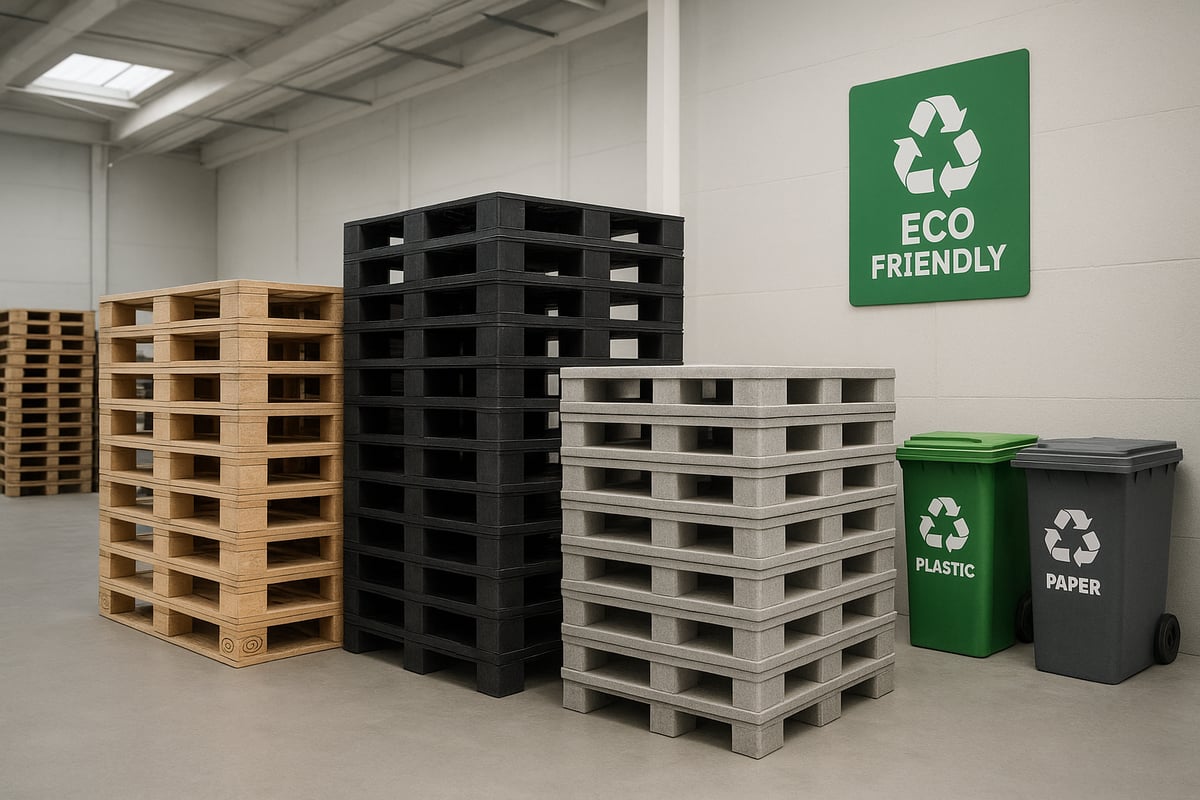
Sustainability is transforming the world of shipping pallets in 2025. As supply chains grow more complex, businesses must balance operational needs with environmental responsibility. Companies now see eco-friendly pallets as critical assets for meeting both regulatory requirements and customer expectations.
Environmental Impact of Traditional Pallets
Traditional shipping pallets, especially those made from wood, have long dominated global logistics. While wood is renewable and recyclable, concerns about deforestation and the energy used in production persist. Plastic pallets offer longer life cycles, but their manufacturing process relies on fossil fuels and can contribute to microplastic pollution if not recycled responsibly. Metal pallets, valued for durability, require significant energy to produce, though their longevity can offset some environmental impacts.
Each pallet material presents unique sustainability challenges. As the demand for shipping pallets rises, so does the urgency to address waste, resource consumption, and end-of-life disposal. These factors are pushing the industry to seek greener alternatives and adopt more responsible practices.
Innovations in Sustainable Pallet Materials
The shipping pallets sector is embracing innovation to reduce its environmental footprint. Manufacturers are now using recycled plastics, composites, and even biodegradable materials to create new pallet options. These alternatives lower dependence on virgin resources and offer improved recyclability or compostability.
Circular economy models are gaining traction. Pallet pooling programs allow multiple users to share and reuse pallets, minimizing waste and maximizing resource efficiency. Some companies are replacing single-use designs with reusable, trackable pallets that support sustainability goals. For more on industry trends and eco-friendly innovations, see the 5 Trends Reshaping Shipping in 2025.
Regulatory Drivers and Industry Initiatives
Governments and industry groups are stepping up efforts to regulate and improve the sustainability of shipping pallets. Many countries now offer incentives for using recyclable or biodegradable pallets, and voluntary certifications such as FSC and SFI are becoming standard for wood products. Industry coalitions are promoting recycling and reuse, while extended producer responsibility programs hold manufacturers accountable for the full lifecycle of their pallets.
These regulatory and voluntary measures encourage companies to adopt greener shipping pallets and contribute to broader environmental goals. Staying informed about new requirements helps businesses remain compliant and competitive in a changing marketplace.
Measuring and Reducing Carbon Footprint
Assessing the carbon footprint of shipping pallets is essential for companies aiming to meet sustainability targets. Life cycle assessments (LCAs) are used to compare the total environmental impact of different pallet materials. Strategies for reducing emissions include sourcing pallets locally, selecting lighter designs, and increasing reuse rates through pooling or buy-back programs.
Leading retailers have reported significant emission reductions by switching to lightweight plastic pallets or optimizing their logistics networks. By measuring and continuously improving pallet choices, businesses can align operational efficiency with environmental stewardship and contribute to a more sustainable supply chain.
Cost Factors and Pricing Trends for Shipping Pallets in 2025
Understanding the cost of shipping pallets in 2025 is essential for any business aiming to optimize logistics and control expenses. Market shifts, material shortages, and innovative business models all play a role in shaping the final price you pay for pallets. Let us break down the key pricing drivers and what you should expect this year.
Raw Material and Manufacturing Costs
Raw material prices have a direct impact on shipping pallets. Wood pallet prices fluctuate with lumber market volatility. Plastic pallets depend on resin supply, which can spike due to oil prices or supply chain issues. Metal pallets, made from steel or aluminum, are sensitive to global commodity pricing. Labor shortages and rising transportation costs also drive up pallet manufacturing expenses.
For example, in 2025, a new wood pallet averages $10 to $30, while plastic ones range from $50 to $200. Metal pallets can cost $50 to $130. For more detailed market insights and forecasts, review the US Pallet Market Predictions for 2025.
Market Trends: Buy, Rent, or Pool?
How businesses acquire shipping pallets is evolving rapidly. Buying pallets outright offers control but requires upfront capital. Renting is popular for businesses with fluctuating demand, while pallet pooling services provide access to shared, reusable pallet inventories for a recurring fee.
Pooling is gaining popularity due to its environmental and cost benefits. Large distributors often turn to pooling for flexibility and to reduce the burden of managing inventory. Each model comes with its advantages, so evaluate which approach best fits your shipping pallets needs.
Total Cost of Ownership
The true expense of shipping pallets goes beyond initial purchase price. Maintenance, repair, and replacement costs can add up over time. Wooden pallets may require frequent repairs, while plastic or metal options have higher upfront costs but lower long-term maintenance.
Hidden costs, such as pallet loss, product damage, or regulatory compliance fines, can affect your bottom line. Investing in higher-quality or reusable shipping pallets often delivers better ROI, especially for businesses with high shipping volumes.
Budget Optimization Strategies
Controlling costs for shipping pallets involves smart planning and leveraging available programs. Bulk purchasing and buy-back agreements can lower unit prices. Some suppliers offer recycling incentives or volume discounts, which can further reduce expenses.
Negotiating with vendors and participating in buy-back programs are proven ways to save. For practical strategies on buying, selling, and recycling pallets, consult the Pallet Buying and Selling Guide.
How to Choose the Most Cost-Effective Pallet Solution
Selecting the right pallet solution requires a clear understanding of your shipping volume, product type, and destination. Balance the upfront cost with long-term value, compliance, and sustainability goals. Always assess vendor reliability and the total lifecycle cost, not just the sticker price.
In 2025, informed choices about pallet acquisition and management can yield significant savings and operational advantages for your supply chain.
How to Choose the Right Pallet for Your Business Needs
Selecting the right shipping pallets is crucial for ensuring your goods move efficiently, safely, and cost-effectively through the supply chain. With so many options available in 2025, making informed decisions can give your business a competitive edge.
Key Criteria for Pallet Selection
When evaluating shipping pallets, consider several essential criteria to align with your business needs:
- Product weight, fragility, and size
- Shipping method, such as domestic or international, LTL, FTL, air, or sea
- Compliance with industry-specific regulations and standards
- Environmental and sustainability objectives
- Budget constraints and long-term value
Choosing the best pallet type is not only about cost. It also impacts product safety, handling speed, and regulatory compliance.
Step-by-Step Pallet Selection Process
Follow this clear process to select optimal shipping pallets for your operations:
- Assess shipment requirements and identify regulatory constraints.
- Determine the required load capacity and necessary durability for your goods.
- Evaluate environmental goals, such as recyclability or reuse.
- Compare costs and supplier offerings for different pallet materials.
- Test and validate pallet performance in real-world shipping scenarios.
By following these steps, you can match the right pallet to your product and shipping profile, minimizing risk and maximizing efficiency.
Common Mistakes to Avoid
Avoid these frequent errors when selecting shipping pallets:
- Overlooking regulations for international shipments, such as ISPM 15
- Choosing unsuitable materials for your product type or shipping environment
- Ignoring the total cost of ownership, including repair and replacement
- Failing to validate pallet strength with actual shipment loads
Being aware of these pitfalls helps prevent delays, fines, and product damage.
Case Studies and Real-World Examples
Consider these examples to illustrate effective pallet choices:
A food manufacturer switched from wood to plastic shipping pallets to improve hygiene and reduce replacement costs. This change resulted in fewer contamination incidents and a 15 percent reduction in annual pallet expenses.
A major retailer adopted pallet pooling to gain flexibility during seasonal peaks. This approach lowered upfront investment and improved supply chain resilience.
Expert Tips for 2025
Stay ahead in shipping pallets by embracing these best practices:
- Leverage smart pallets for tracking high-value or sensitive shipments
- Partner with suppliers who offer custom solutions and recycling programs
- Regularly review compliance requirements to future-proof your pallet strategy
For more practical advice, explore Pallet Tips and Advice to optimize your pallet selection and management processes.
Where to Buy, Sell, or Recycle Pallets in 2025
You can source shipping pallets from major suppliers, online marketplaces, or local recycling centers. Negotiate with vendors for volume discounts and explore buy-back programs to reduce costs. Reliable suppliers ensure a steady supply of quality pallets, while recycling centers help you meet sustainability goals and dispose of old pallets responsibly.


