

Are you searching for a lucrative side hustle or a way to launch a thriving business? The booming pallet resale market in 2026 presents a unique opportunity for those ready to take action.
This guide shows you exactly how to sell pallets for maximum profit, whether you are an individual or a business. You will discover how to navigate market trends, source inventory, set competitive prices, and meet compliance requirements.
Ready to unlock real results? Explore proven strategies and actionable steps that help you break into or scale up in the pallet industry. Your roadmap to success starts here.
Understanding the 2026 Pallet Market Landscape
Navigating the future of the pallet industry is essential if you want to sell pallets profitably in 2026. This section breaks down the latest market trends, compares types of pallets by value, profiles key buyers, and reveals the profit potential for those who choose to sell pallets. Clear insight into these elements will help you make informed decisions and build a resilient business.
Pallet Industry Trends and Growth Projections
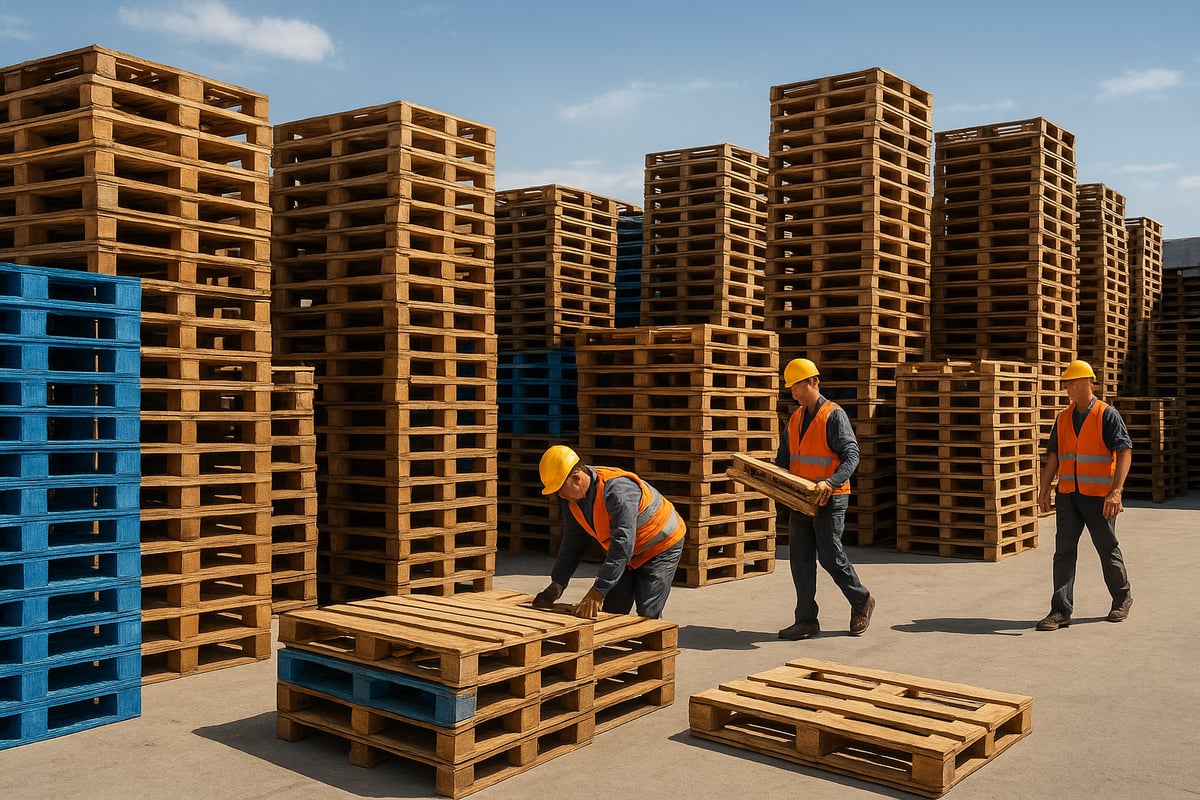
The global pallet market is experiencing strong momentum, fueled by rapid e-commerce expansion and evolving supply chains. Industry forecasts indicate the market will reach $110 billion by 2026, with a healthy compound annual growth rate. This surge is closely tied to increased shipping demands in sectors like food, beverage, and pharmaceuticals, all of which rely on efficient pallet logistics.
Sustainability is also a major driver. More businesses are seeking recycled and eco-friendly pallet options, which means sellers who focus on green solutions will have a competitive edge. The demand is especially high in regions with robust manufacturing and export activity, such as the United States, China, and Germany.
Plastic pallets are gaining ground due to their durability and ease of sanitation, but wooden pallets still dominate in volume. Sellers who diversify their inventory can meet a broader range of buyer needs. For more details on where the industry is headed, see the Global pallet market projected to reach $110B by 2026.
If you plan to sell pallets, understanding these trends can help you anticipate which products will be most profitable and where the strongest demand will be.
Types of Pallets: Materials, Sizes, and Value
When you sell pallets, knowing the differences in materials and specifications is crucial. There are three main categories:
| Type | Standard Sizes | Key Value Points | 2026 Price Range |
|---|---|---|---|
| Wooden | GMA 48×40, Euro | Most common, repairable, export needs | $8 – $20 |
| Plastic | Custom, Euro | Durable, higher resale, sanitary | $15 – $35 |
| Specialty | Custom | Niche uses (export, food-grade) | Varies |
Wooden pallets are versatile and widely accepted, but plastic pallets offer longer life and higher resale value. Exporters often require ISPM-15 heat-treated pallets, which fetch premium prices due to compliance with international shipping standards. Used pallets, especially those in good condition or certified for export, remain in high demand.
If you plan to sell pallets, consider stocking a mix of new, used, and specialty types to reach more buyers.
Who Buys Pallets: Key Buyers and Their Needs
To successfully sell pallets, you must understand your customers. The main buyers include:
- Manufacturers and warehouses
- Retailers and distribution centers
- Exporters and logistics firms
- Small businesses and large distributors
Buyers are focused on quality, price, compliance, and reliable delivery. Exporters, in particular, need ISPM-15 certification for international shipments. Building relationships with these groups can lead to repeat orders and bulk sales opportunities.
Knowing what each buyer values helps you tailor your inventory and service, making it easier to sell pallets consistently.
Profit Potential: Margins and Volume
The profit outlook for those who sell pallets is promising. Typical buy and sell margins for used pallets range from 20 to 50 percent, depending on condition and market demand. New pallets can provide even higher returns if sourced efficiently.
Bulk sales and volume discounts are key to maximizing revenue. For example, local warehouses often purchase in large quantities, increasing your average margin per transaction. Keeping detailed records of acquisition, repair, and transport costs ensures accurate pricing and healthy profits.
By focusing on volume deals and cost management, you can build a business model that allows you to sell pallets at scale while maintaining strong profitability.
Sourcing Pallets for Resale: Best Practices
Sourcing is the foundation of a successful strategy to sell pallets. Whether you are just starting or aiming to expand, knowing where and how to acquire inventory is essential. Following best practices will help you build reliable supply chains, maintain quality, and position your business for long-term growth.
Where to Find Pallets to Sell
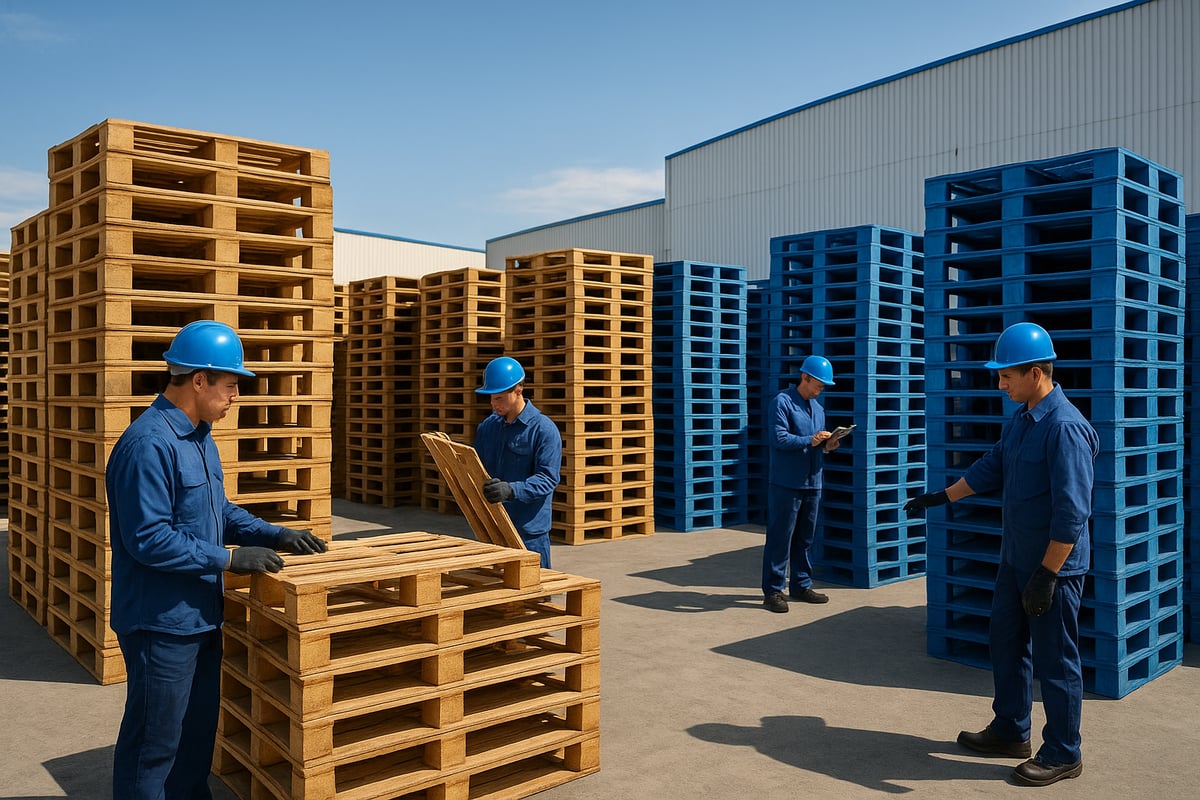
Locating a consistent supply is the first challenge when you decide to sell pallets. Start by connecting with local businesses such as warehouses, supermarkets, construction sites, and factories. These facilities often accumulate surplus pallets and may be willing to part with them for free or at a low cost.
Online marketplaces like Craigslist, Facebook Marketplace, and dedicated industrial B2B sites offer a digital approach to finding pallets. You can also reach out to recycling centers and participate in pallet buy-back programs for additional inventory streams.
Networking with logistics companies can unlock recurring access to large volumes. For a step-by-step approach to building your sourcing network, review this how to buy and sell pallets resource for practical insights.
For example, partnering with a local manufacturer can provide a steady flow of used pallets, securing your supply chain.
Assessing Quality and Repair Needs
Once you acquire pallets, inspect each unit carefully before you sell pallets to your customers. Use a checklist to examine for visible damage, missing boards, exposed nails, or signs of contamination. Pay attention to compliance marks such as ISPM-15 stamps, which indicate suitability for export.
Sort your inventory into categories: fully usable, repairable, or scrap. Repairable pallets can often be fixed with minimal effort, while scrap should be set aside for recycling or disposal.
Safety is critical. Never sell pallets that show evidence of chemical spills, mold, or infestation. For example, pallets exposed to hazardous substances must be rejected to protect your buyers and reputation.
Negotiating and Acquiring Inventory
Effective negotiation is key when you approach businesses to sell pallets at a competitive price. Start by discussing their surplus situation and offer solutions such as regular pickups or buy-back arrangements. Volume pricing can help you secure better deals, especially if you commit to ongoing transactions.
Always confirm ownership and obtain permission before removing pallets. Structured agreements, like documented buy-back contracts, protect both parties and establish clear terms.
For instance, a formal agreement with a local distributor ensures you receive a steady inventory while they benefit from a clutter-free facility.
Storage, Transport, and Handling Logistics
Efficient logistics are vital for anyone aiming to sell pallets at scale. Consider various storage options, including self-storage units, leased warehouse space, or outdoor lots. Organize pallets by type and condition for easy access and inventory management.
Stack pallets securely to maximize space and minimize the risk of accidents. For transport, use pickup trucks, flatbed trailers, or contract freight services depending on volume and distance.
Route optimization can save significant fuel and labor costs. For example, consolidating deliveries to nearby buyers in a single trip reduces overhead and boosts efficiency.
Sustainability and Recycling Considerations
Sustainable practices are increasingly important when you sell pallets. Ensure damaged units are disposed of responsibly through recycling programs or eco-friendly waste services. Many buyers now seek suppliers who can demonstrate environmental stewardship.
Recycling broken pallets can generate additional revenue as some companies purchase wood scraps or repurpose plastic materials. Meeting buyer sustainability requirements can also set you apart in a competitive market.
For instance, marketing recycled pallets to companies with green initiatives can open new, profitable sales channels.
Pricing Strategies and Maximizing Profits
Setting the right pricing strategy is essential if you want to sell pallets successfully in 2026. With competition rising and costs fluctuating, a well-planned approach can maximize your profits and help your business stand out.
Setting Competitive Prices
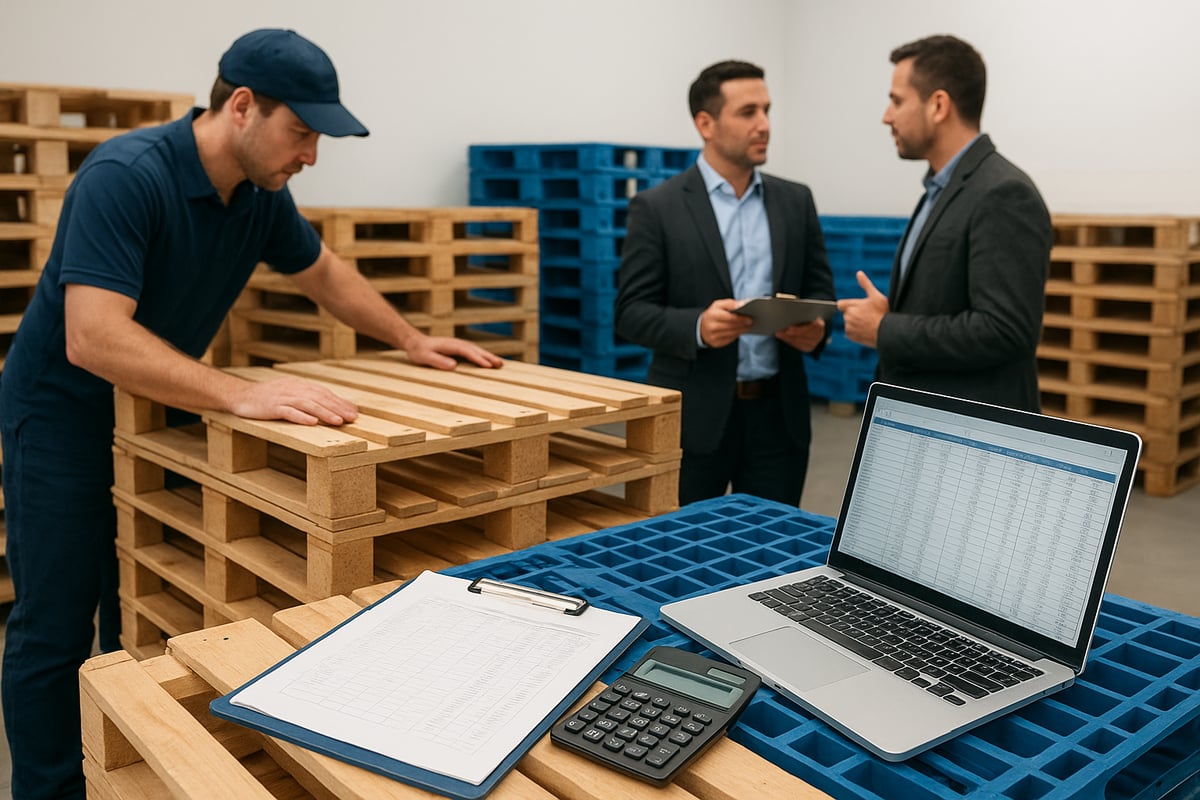
To sell pallets at a profit, start by researching both local and national price benchmarks. Compare prices for new, used, and specialty pallets. Factors like pallet type, dimensions, and certifications—such as ISPM-15 for export—affect what buyers are willing to pay.
Adjust your pricing based on condition, repair needs, and transport costs. For example, heat-treated export pallets often command a premium. Regularly check pricing resources, like the wooden pallet price guide, to ensure your rates are current and competitive. This step helps you attract buyers who want to sell pallets and maintain healthy margins.
If you offer value-added services, such as fast delivery or custom sizing, include those in your pricing strategy. Remember, transparent pricing builds trust and encourages repeat business.
Calculating Costs and Margins
To sell pallets profitably, you must know your true costs. Break down all expenses, including:
- Acquisition cost per pallet
- Repair materials and labor
- Storage and warehousing fees
- Transportation and fuel
- Marketing and administrative costs
| Cost Category | Typical Range (per pallet) |
|---|---|
| Purchase/Collection | $2–$7 |
| Repairs | $1–$3 |
| Storage | $0.50–$2 |
| Transport | $0.50–$3 |
Aim for target profit margins between 20% and 50%, depending on scale and competition. Use a spreadsheet to track these figures for every batch you sell. This discipline helps you adjust prices as costs change, ensuring your "sell pallets" business remains profitable.
Negotiation Tactics with Buyers
Negotiating is key when you sell pallets. Offer bulk discounts to buyers who order large quantities, and consider contract pricing for repeat customers.
Handle price objections by highlighting your value—such as reliable delivery or certified pallets. Upsell services like sorting or on-site delivery to increase average order value.
For example, offering free delivery on orders over 100 units can tip negotiations in your favor. Strong negotiation skills help you sell pallets at optimal prices while building lasting relationships.
Avoiding Common Pricing Pitfalls
Avoid undercutting the market just to win sales. This can erode profits and devalue your services.
Pay close attention to hidden costs, like fuel surcharges or unexpected repairs. Stay alert to market fluctuations—seasonal demand can impact how you sell pallets and what buyers are willing to pay.
By steering clear of these pitfalls, you protect your bottom line and position your pallet business for steady growth.
Sales Channels: Where and How to Sell Pallets
Choosing the right sales channels is essential to maximize your reach and profits as you sell pallets. Each channel offers unique benefits, from building local relationships to tapping into global demand online. Explore the top options below to find the strategies that best fit your business goals.
Local Sales: Direct to Businesses and Individuals
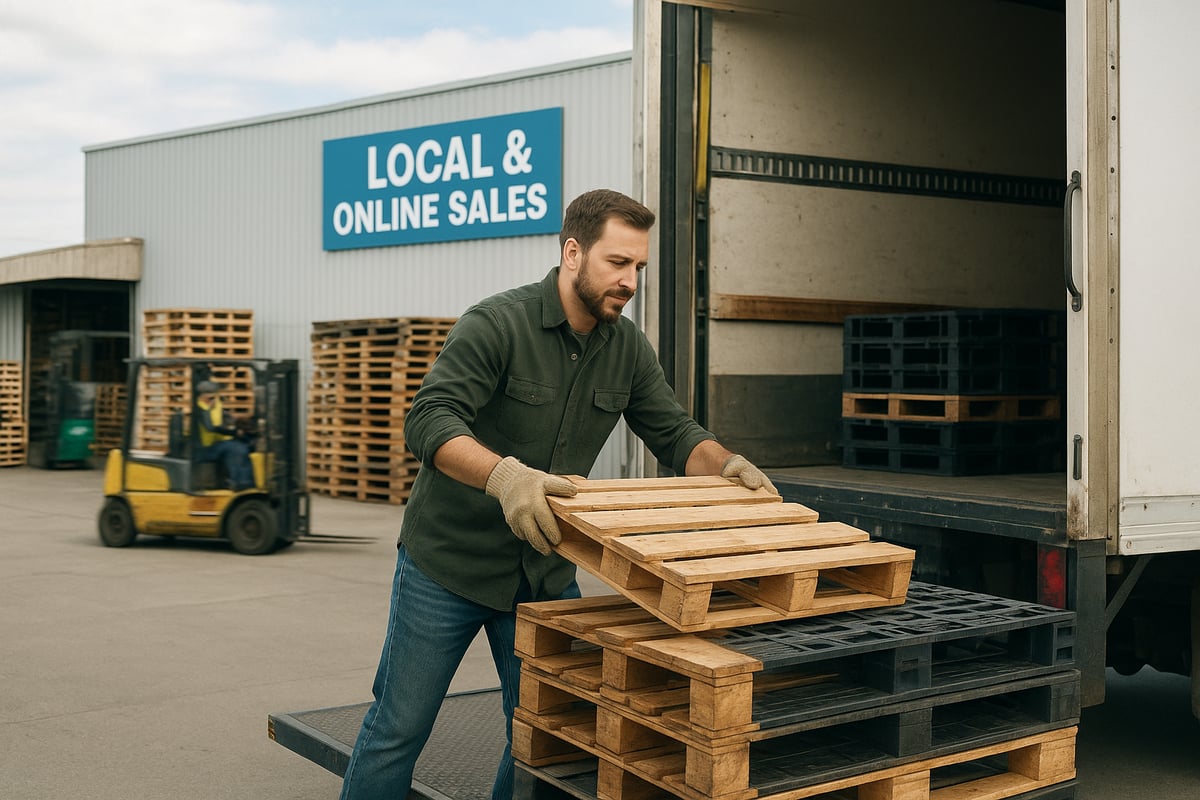
Selling pallets directly to local warehouses, factories, and retailers allows you to build strong, repeat relationships. Many businesses prefer to buy from local suppliers due to quick delivery and lower transport costs. When you sell pallets in your area, prioritize face-to-face contact and reliable service.
- Approach warehouses, distribution centers, and supermarkets.
- Set up regular routes for pickup and delivery.
- Offer volume discounts for recurring orders.
Establishing a weekly schedule for drop-offs can make your business the go-to source when companies need to sell pallets or purchase them quickly. Local sales often lead to referrals and long-term contracts.
Online Marketplaces and B2B Platforms
Expanding your reach through online channels is a powerful way to sell pallets to a broader audience. List your inventory on sites like Craigslist, Facebook Marketplace, and eBay to attract individuals and small businesses. For bulk and industrial clients, use B2B platforms such as Alibaba and ThomasNet.
- Create detailed listings with clear photos and specifications.
- Respond promptly to inquiries and negotiate bulk deals.
- Research competitor pricing to stay competitive.
Many sellers have found success by leveraging these platforms to reach buyers outside their immediate region. Selling pallets online can also help you move surplus inventory quickly and efficiently.
Partnering with Pallet Brokers and Recyclers
Another effective way to sell pallets is by working with pallet brokers and recyclers. Brokers connect sellers with large buyers and help facilitate bulk transactions. This partnership can save you time on marketing and logistics, especially when handling large volumes.
- Research reputable brokers in your area.
- Negotiate revenue-sharing or fixed-price contracts.
- Understand each broker's terms and delivery requirements.
While brokers may take a commission, they can help you access markets that might be hard to reach on your own. Selling pallets through recyclers is also a sustainable option for damaged or lower-quality stock.
Building Your Own Brand and Website
Developing a dedicated website builds credibility and attracts inbound leads. When you sell pallets under your own brand, you control the customer experience and establish trust. Your site should feature a product catalog, contact forms, and options for online ordering.
- Optimize for local SEO and Google My Business.
- Share testimonials and case studies to build trust.
- Offer easy-to-use inquiry and ordering tools.
For practical insights on operational success, review these pallet tips for businesses. Many sellers have grown their businesses by scaling their digital presence and offering seamless online interactions.
Leveraging Social Media and Digital Ads
Social media platforms like Facebook, LinkedIn, and Instagram offer valuable tools to sell pallets and reach targeted business audiences. Use these channels to share behind-the-scenes content, customer testimonials, and special promotions.
- Launch paid ads targeting local businesses.
- Post videos showcasing pallet recycling or delivery.
- Engage with followers to build brand loyalty.
Some pallet businesses have gone viral by posting creative recycling campaigns or educational content, further boosting their reach and sales. Consistent engagement helps you stay top-of-mind when clients need to sell pallets or buy in bulk.
Legal, Compliance, and Safety Essentials
Navigating the legal, compliance, and safety landscape is critical if you want to sell pallets profitably and sustainably. Understanding the rules keeps your business running smoothly, protects you from costly penalties, and builds trust with clients.
Understanding Pallet Regulations and Standards
Compliance is non-negotiable when you sell pallets. Exporters must follow ISPM-15 regulations, which require heat treatment and proper marking to prevent pests. Domestic sales are governed by OSHA guidelines for safe handling, and local ordinances may dictate how pallets are stored or transported. Failure to comply can result in fines, such as penalties for non-compliant export shipments. Stay updated on evolving packaging rules, including Extended Producer Responsibility for packaging in the US, which could impact pallet resale requirements.
Insurance and Liability Considerations
Any business that aims to sell pallets should secure adequate insurance. General liability insurance protects against accidents or damage, while cargo and property insurance cover losses during transport or storage. For example, commercial contracts may demand proof of insurance before finalizing deals. Assess your risk profile, then ensure your coverage matches the scale and nature of your operations. This proactive approach safeguards your assets, minimizes legal exposure, and reassures clients that you operate professionally.
Environmental and Recycling Laws
Environmental compliance is increasingly important for those who sell pallets. Many states enforce recycling mandates and regulate the disposal of damaged units. Failing to follow these rules can result in fines or legal action. California, for instance, has strict recycling laws that impact pallet operations. Adopting pallet recycling best practices not only keeps your business compliant but also appeals to eco-conscious buyers. Consider partnering with certified recyclers to streamline disposal and document your sustainable practices.
Record-Keeping and Tax Obligations
Accurate records are essential when you sell pallets. Maintain detailed invoices, receipts, and inventory logs to track all transactions. Depending on your location, you may be responsible for collecting and remitting sales tax. Using accounting software designed for resale businesses can simplify compliance and reporting. Good record-keeping supports audits, ensures tax obligations are met, and helps you analyze your business for growth opportunities.
Worker and Customer Safety Practices
Safety is a top priority for anyone who plans to sell pallets at scale. Implement safe stacking and lifting protocols to prevent injuries, and provide safety training along with personal protective equipment (PPE) for all workers. Regularly review workplace safety practices to reduce the risk of accidents. A strong safety culture not only protects your team but also enhances your reputation with customers who value reliability and professionalism.
Advanced Growth Strategies for Scaling Your Pallet Sales Business
Scaling your ability to sell pallets requires a strategic approach, blending operational excellence with innovation and market awareness. These advanced strategies will help you grow sustainably, boost efficiency, and remain competitive as the pallet industry evolves.
Streamlining Operations and Logistics
Optimizing your logistics is crucial as you scale to sell pallets at higher volumes. Implementing inventory management systems can help track stock levels, reduce losses, and ensure prompt order fulfillment. Route planning and delivery optimization cut transport costs and improve customer satisfaction. Automating order and payment processing saves time and reduces errors.
- Use digital inventory tools for real-time updates
- Schedule regular deliveries to maximize truckloads
- Invest in route optimization software to lower fuel expenses
A focus on logistics efficiency will position your business to handle increased demand as you sell pallets to more clients.
Expanding Product and Service Offerings
Diversifying your offerings is key to attracting new buyers and increasing revenue. Consider adding custom pallets, crates, or specialized skids to your catalog. Offer repair services, recycling programs, and buy-back options for used units. Meeting niche needs, such as export-ready or food-grade pallets, helps you stand out.
The Pallet packaging market to reach $5.3B by 2035 highlights the growing opportunity in value-added packaging solutions. By expanding your services, you can sell pallets to a wider range of industries and build long-term relationships.
Building Strategic Partnerships
Forming partnerships with manufacturers, recyclers, and logistics firms expands your sourcing and sales capabilities. Joint ventures enable bulk sourcing or shared delivery routes, increasing efficiency. Collaborating with local recycling centers provides a steady supply of used pallets and supports your sustainability goals.
- Negotiate exclusive supply deals
- Share delivery infrastructure with partners
- Co-market services with industry allies
These alliances make it easier to sell pallets at scale while reducing operational risks and costs.
Investing in Marketing and Branding
A strong brand and targeted marketing are essential for growth. Develop a professional website to showcase your products, offer online ordering, and collect customer inquiries. Attend trade shows and industry events to network and generate leads. Content marketing, such as blogs and case studies, establishes your expertise in the market.
Local SEO and Google My Business optimization increase your visibility to companies looking to sell pallets or purchase in bulk. A recognizable brand will help you stand out in a crowded market.
Technology and Automation for Efficiency
Adopting new technology streamlines your pallet operations and boosts productivity. E-commerce platforms simplify online sales, while CRM software manages customer relationships. Automation tools, such as sorting lines or repair stations, reduce manual labor and errors.
Emerging solutions like pallet detection and localization using synthetic data can further enhance efficiency by automating inventory tracking and movement. Investing in technology ensures you remain competitive as you sell pallets in a rapidly changing landscape.
Monitoring KPIs and Adapting to Market Changes
Tracking key performance indicators (KPIs) helps you measure success and identify areas for improvement. Monitor sales volume, profit margins, customer retention, and inventory turnover regularly. Stay alert to shifts in supply chain trends and new regulations.
If demand for plastic pallets rises, adjust your sourcing and marketing accordingly. Regular KPI reviews will help you adapt and continue to sell pallets profitably, even as the industry evolves.


